Orpen-Palmer Josh, Stanley Adrian J
Department of Gastroenterology, Glasgow Royal Infirmary, Glasgow G4 0SF, UK.
J Clin Med. 2023 May 26;12(11):3678. doi: 10.3390/jcm12113678.
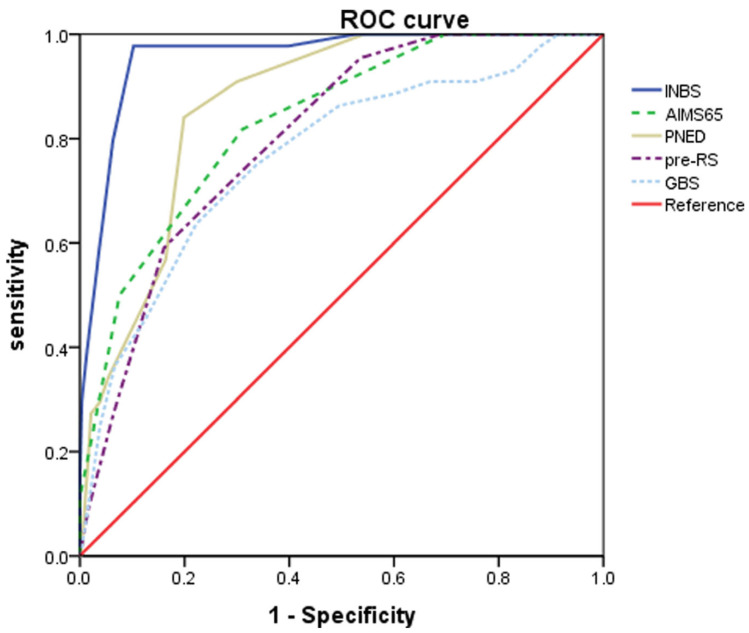
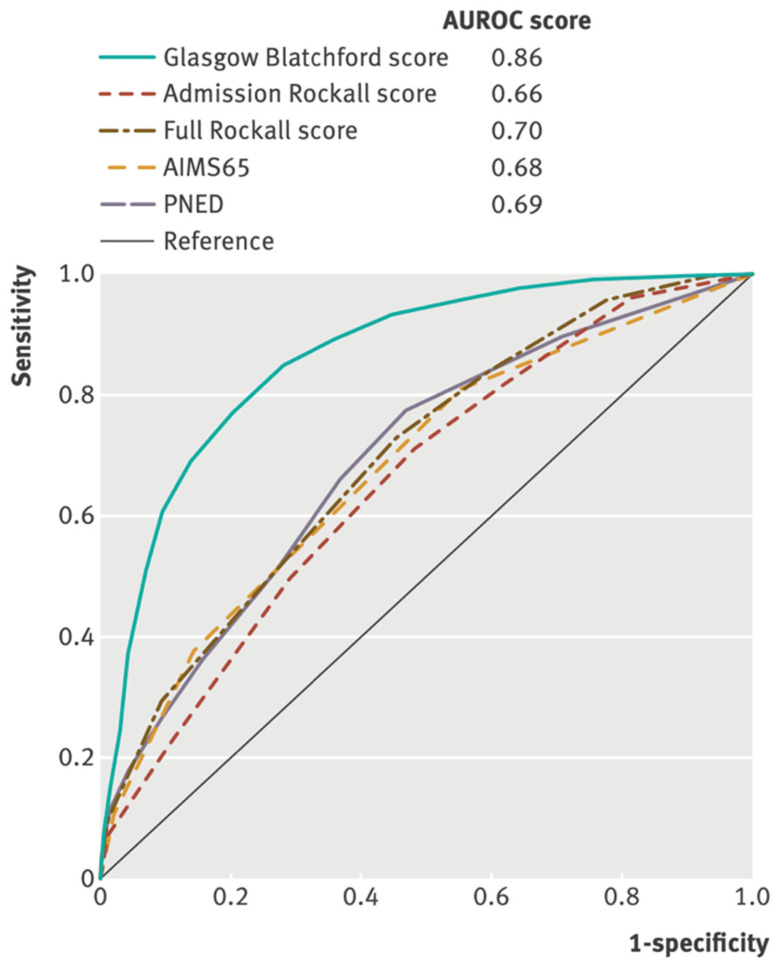
Upper gastrointestinal bleeding is a common medical emergency. Thorough initial assessment and appropriate resuscitation are essential to stabilise the patient. Risk scores provide an important tool to discriminate between lower- and higher-risk patients. Very low-risk patients can be safely discharged for out-patient management, while higher-risk patients can receive appropriate in-patient care. The Glasgow Blatchford Score, with a score of 0-1, performs best in the identification of very low-risk patients who will not require hospital based intervention or die, and is recommended by most guidelines to facilitate safe out-patient management. The performance of risk scores in the identification of specific adverse events to define high-risk patients is less accurate, with no individual score performing consistently well. Ongoing developments in the use of machine learning models and artificial intelligence in predicting poor outcomes in UGIB appear promising and will likely form the basis of dynamic risk assessment in the future.
上消化道出血是一种常见的医疗急症。全面的初始评估和适当的复苏对于稳定患者病情至关重要。风险评分是区分低风险和高风险患者的重要工具。极低风险的患者可以安全出院进行门诊管理,而高风险患者则可接受适当的住院治疗。格拉斯哥布拉奇福德评分(Glasgow Blatchford Score),评分范围为0至1,在识别不需要住院干预或死亡的极低风险患者方面表现最佳,大多数指南都推荐使用该评分以促进安全的门诊管理。风险评分在识别特定不良事件以定义高风险患者方面的表现不太准确,没有单一评分能始终表现良好。在利用机器学习模型和人工智能预测上消化道出血不良结局方面的持续进展似乎很有前景,并且可能会成为未来动态风险评估的基础。