Scalisi Elena Maria, Pecoraro Roberta, Salvaggio Antonio, Capparucci Fabiano, Fortuna Cosimo Gianluca, Zimbone Massimo, Impellizzeri Giuliana, Brundo Maria Violetta
Department of Biological, Geological and Environmental Science, University of Catania, 95124 Catania, Italy.
Experimental Zooprophylactic Institute of Sicily "A. Mirri", 90129 Palermo, Italy.
Nanomaterials (Basel). 2023 May 31;13(11):1783. doi: 10.3390/nano13111783.
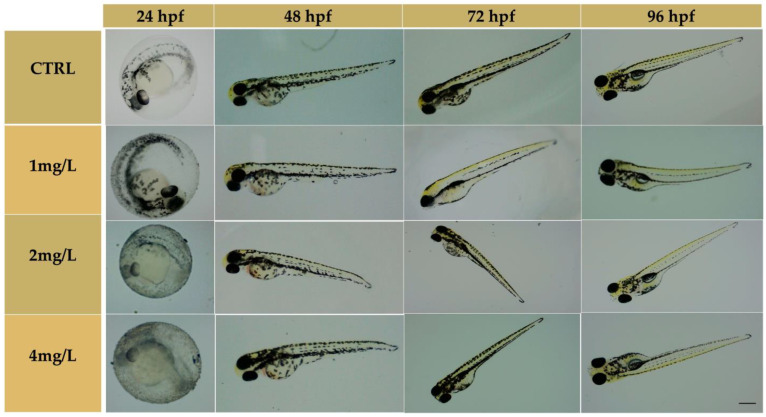
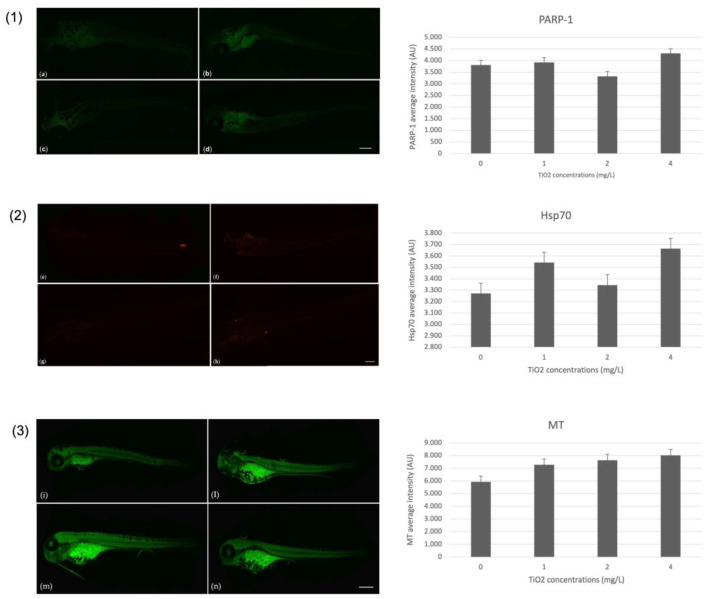
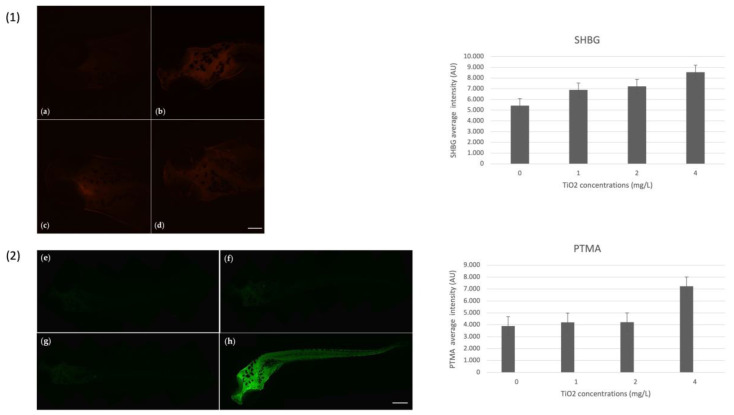
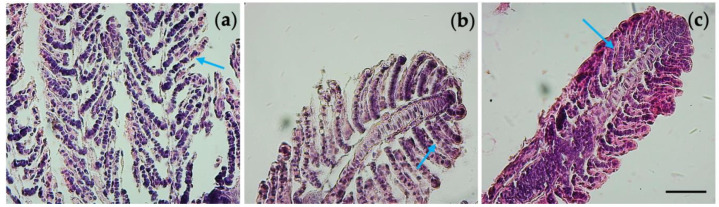
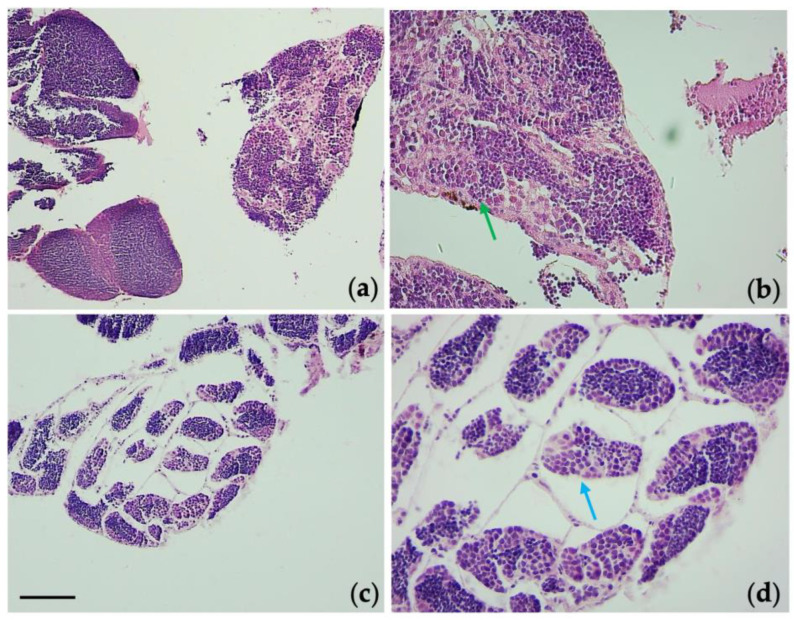
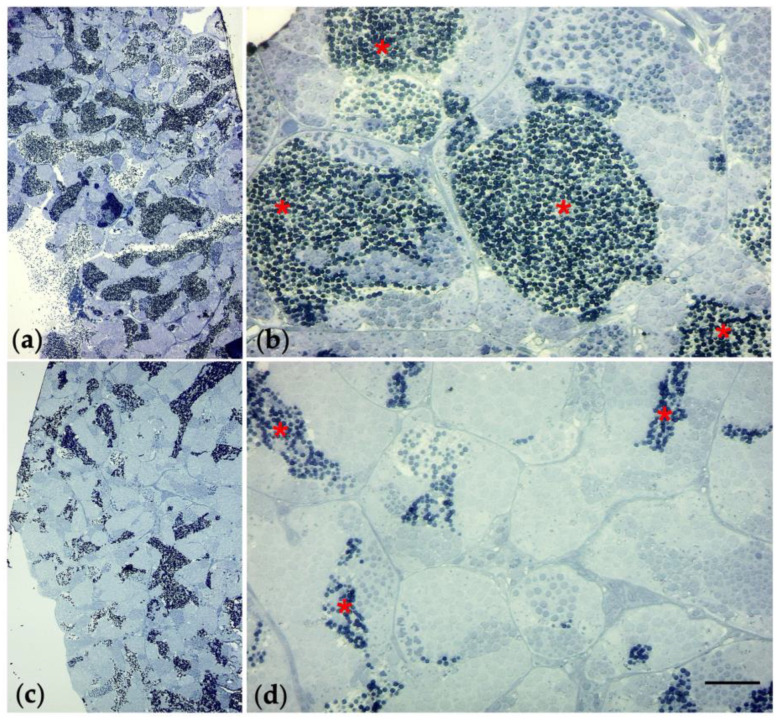
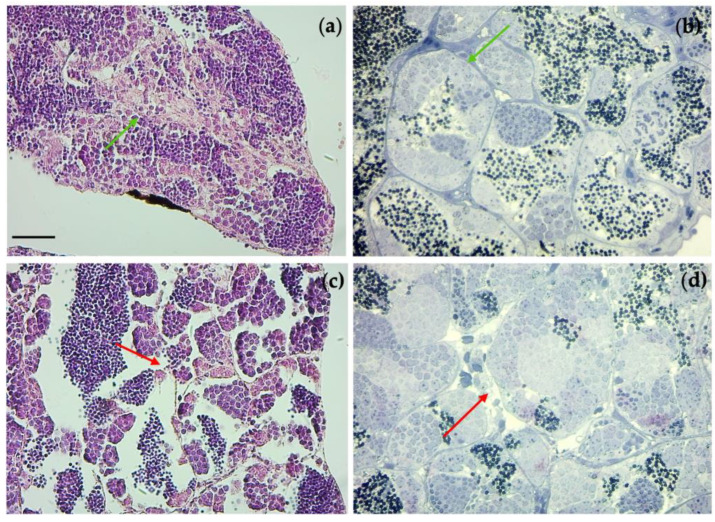
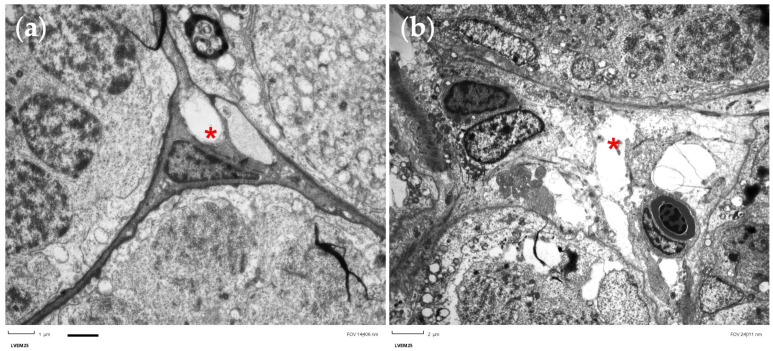
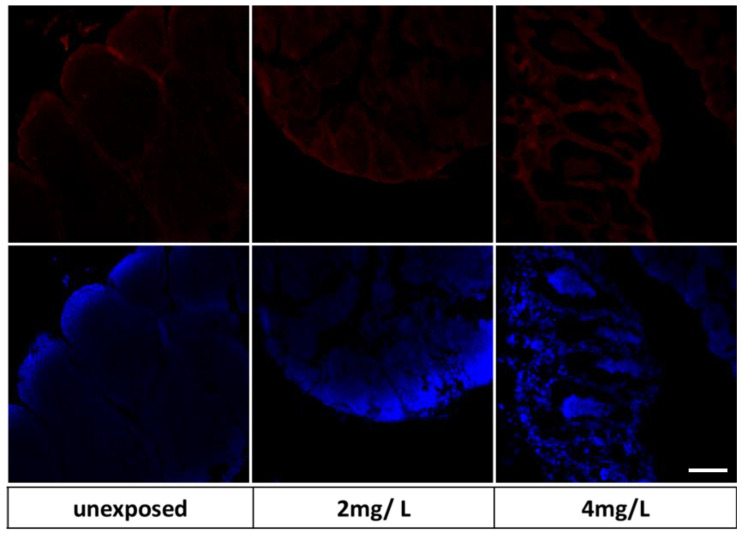
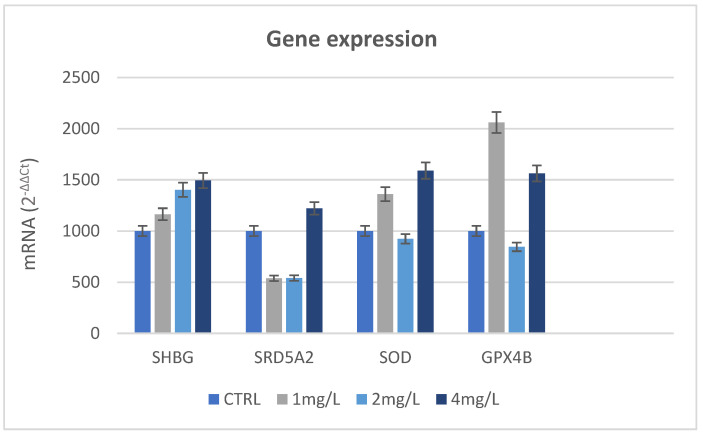
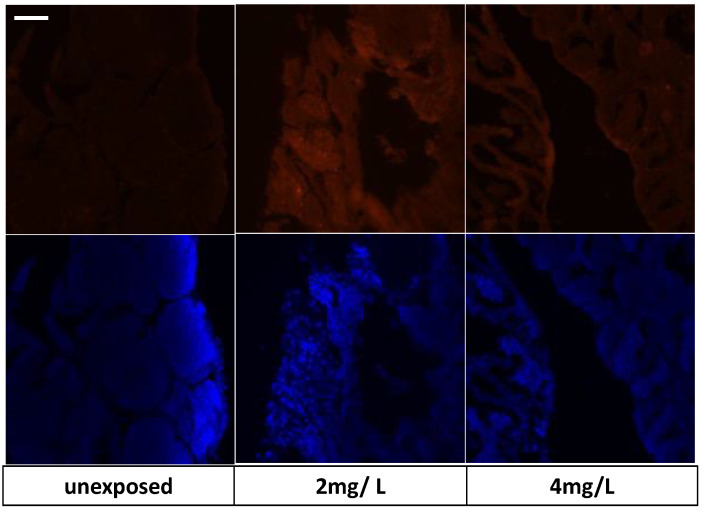
Titanium dioxide nanoparticles (TiO-NPs) are used intensively. Thanks to their extremely small size (1-100 nm), TiO-NPs are more absorbable by living organisms; consequently, they can cross the circulatory system and then be distributed in various organs including the reproductive organs. We have evaluated the possible toxic effect of TiO-NPs on embryonic development and the male reproductive system using as an organism model. TiO-NPs (P25, Degussa) were tested at concentrations of 1 mg/L, 2 mg/L, and 4 mg/L. TiO-NPs did not interfere with the embryonic development of , however, in the male gonads the TiO-NPs caused an alteration of the morphological/structural organization. The immunofluorescence investigation showed positivity for biomarkers of oxidative stress and sex hormone binding globulin (SHBG), both confirmed by the results of qRT-PCR. In addition, an increased expression of the gene responsible for the conversion of testosterone to dihydrotestosterone was found. Since Leydig cells are mainly involved in this activity, an increase in gene activity can be explained by the ability of TiO-NPs to act as endocrine disruptors, and, therefore, with androgenic activity.
二氧化钛纳米颗粒(TiO-NPs)被广泛使用。由于其尺寸极小(1-100纳米),TiO-NPs更容易被生物体吸收;因此,它们可以穿过循环系统,然后分布在包括生殖器官在内的各个器官中。我们以[某种生物]为模型评估了TiO-NPs对胚胎发育和雄性生殖系统可能产生的毒性作用。TiO-NPs(P25,德固赛)在1毫克/升、2毫克/升和4毫克/升的浓度下进行了测试。TiO-NPs并未干扰[某种生物]的胚胎发育,然而,在雄性性腺中,TiO-NPs导致了形态/结构组织的改变。免疫荧光研究显示氧化应激生物标志物和性激素结合球蛋白(SHBG)呈阳性,这两者均通过qRT-PCR结果得到证实。此外,还发现了负责将睾酮转化为二氢睾酮的基因表达增加。由于睾丸间质细胞主要参与此项活动,基因活性的增加可以用TiO-NPs作为内分泌干扰物的作用能力来解释,因此,具有雄激素活性。