• 文献检索
  • 文档翻译
  • 深度研究
  • 学术资讯
  • Suppr Zotero 插件Zotero 插件
  • 邀请有礼
  • 套餐&价格
  • 历史记录
应用&插件
Suppr Zotero 插件Zotero 插件浏览器插件Mac 客户端Windows 客户端微信小程序
定价
高级版会员购买积分包购买API积分包
服务
文献检索文档翻译深度研究API 文档MCP 服务
关于我们
关于 Suppr公司介绍联系我们用户协议隐私条款
关注我们

Suppr 超能文献

核心技术专利:CN118964589B侵权必究
粤ICP备2023148730 号-1Suppr @ 2026

文献检索

告别复杂PubMed语法,用中文像聊天一样搜索,搜遍4000万医学文献。AI智能推荐,让科研检索更轻松。

立即免费搜索

文件翻译

保留排版,准确专业,支持PDF/Word/PPT等文件格式,支持 12+语言互译。

免费翻译文档

深度研究

AI帮你快速写综述,25分钟生成高质量综述,智能提取关键信息,辅助科研写作。

立即免费体验

机床主轴轴承振动性能退化过程的动态评估。

Dynamic Evaluation of the Degradation Process of Vibration Performance for Machine Tool Spindle Bearings.

机构信息

School of Mechatronics Engineering, Henan University of Science and Technology, Luoyang 471003, China.

National United Engineering Laboratory for Advanced Bearing Tribology, Henan University of Science and Technology, Luoyang 471023, China.

出版信息

Sensors (Basel). 2023 Jun 4;23(11):5325. doi: 10.3390/s23115325.

DOI:10.3390/s23115325
PMID:37300052
原文链接:https://pmc.ncbi.nlm.nih.gov/articles/PMC10255970/
Abstract

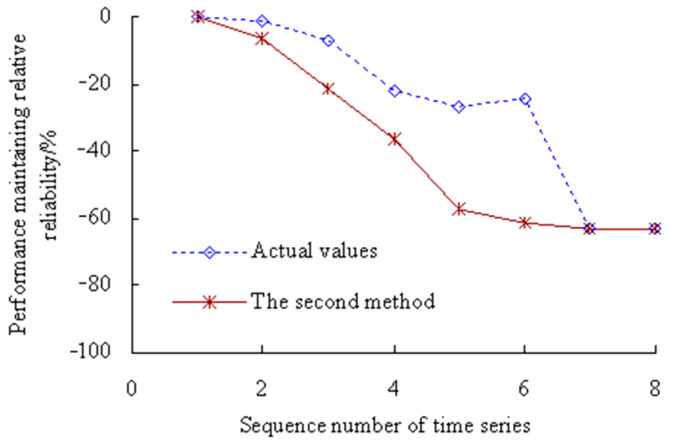
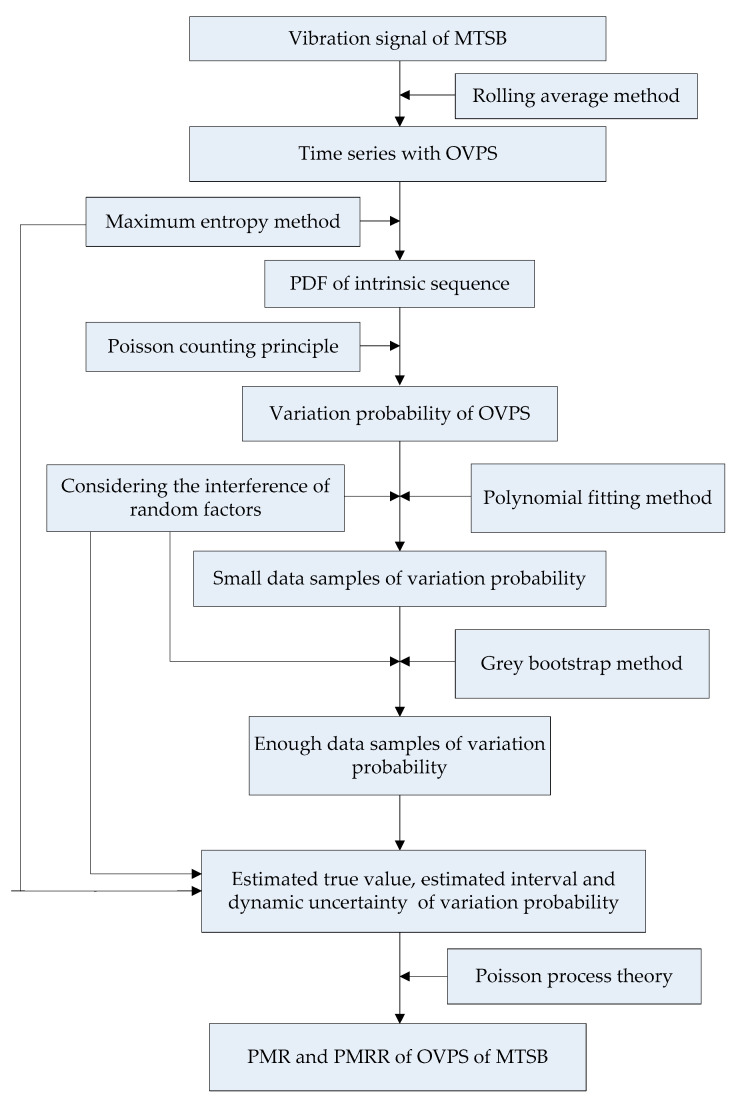
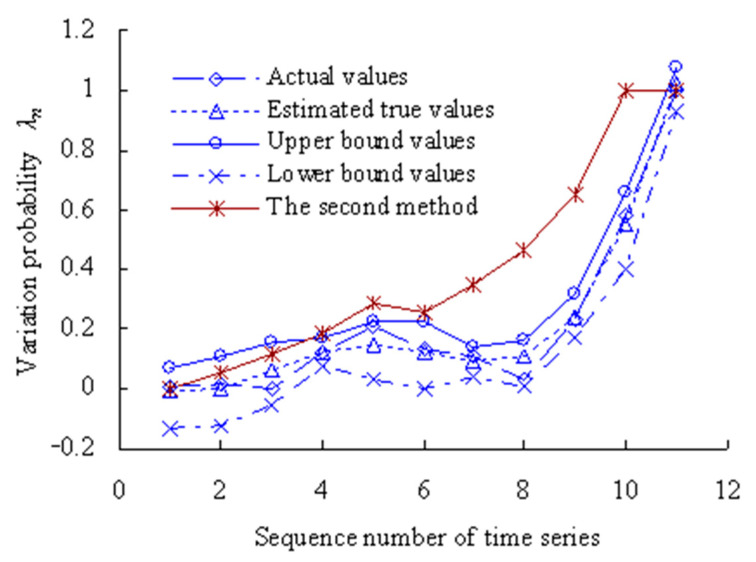
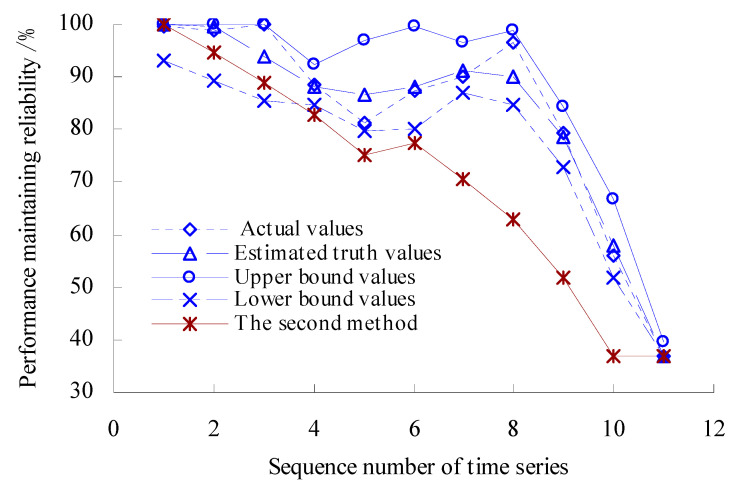
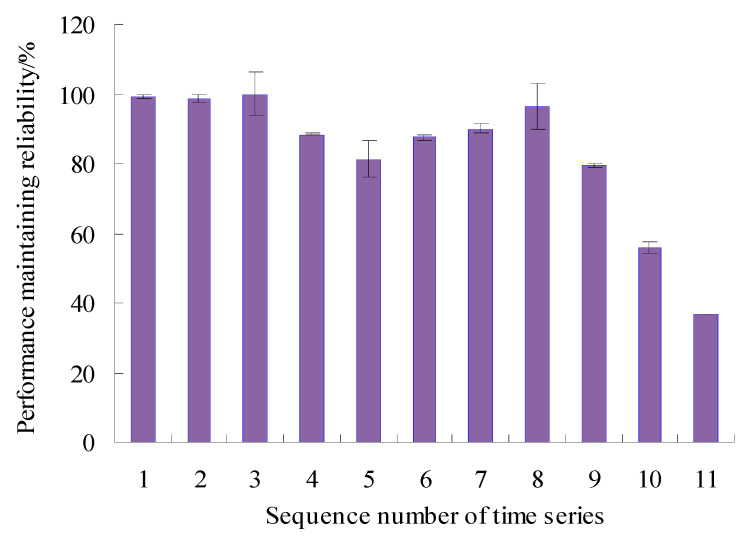
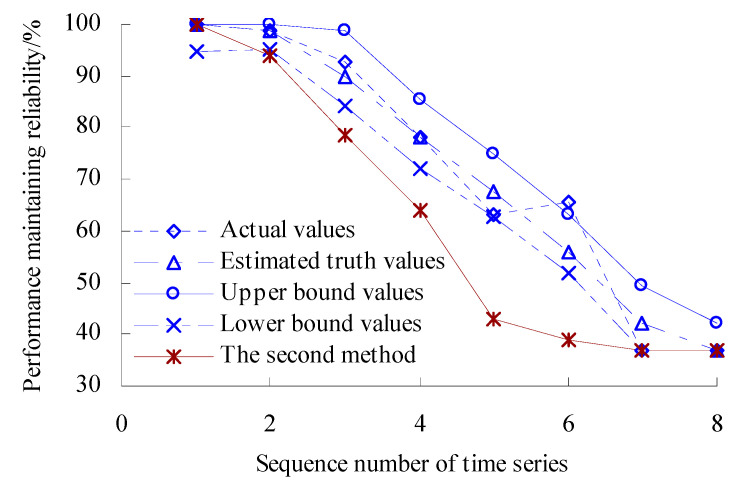
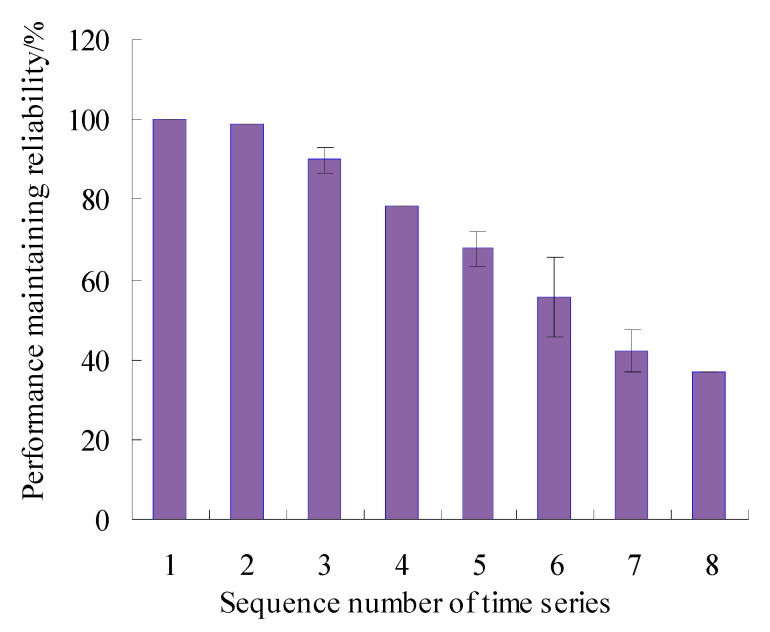
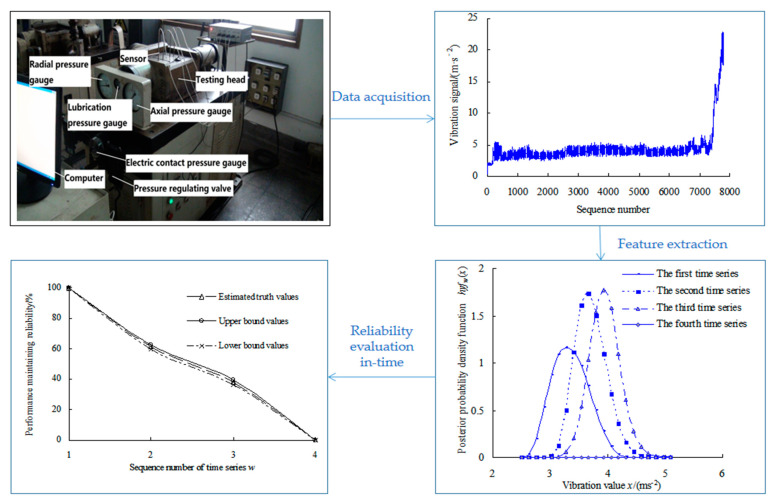
Real-time condition monitoring and fault diagnosis of spindle bearings are critical to the normal operation of the matching machine tool. In this work, considering the interference of random factors, the uncertainty of the vibration performance maintaining reliability (VPMR) is introduced for machine tool spindle bearings (MTSB). The maximum entropy method and Poisson counting principle are combined to solve the variation probability, so as to accurately characterize the degradation process of the optimal vibration performance state (OVPS) for MTSB. The dynamic mean uncertainty calculated using the least-squares method by polynomial fitting, fused into the grey bootstrap maximum entropy method, is utilized to evaluate the random fluctuation state of OVPS. Then, the VPMR is calculated, which is used to dynamically evaluate the failure degree of accuracy for MTSB. The results show that the maximum relative errors between the estimated true value and the actual value of the VPMR are 6.55% and 9.91%, and appropriate remedial measures should be taken before 6773 min and 5134 min for the MTSB in Case 1 and Case 2, respectively, so as to avoid serious safety accidents that are caused by the failure of OVPS.

摘要

实时状态监测和故障诊断对于数控机床的正常运行至关重要。在这项工作中,考虑到随机因素的干扰,针对机床主轴轴承(MTSB)引入了振动性能维持可靠性(VPMR)的不确定性。结合最大熵方法和泊松计数原理来求解变化概率,从而准确地描述 MTSB 最优振动性能状态(OVPS)的退化过程。利用多项式拟合的最小二乘法计算动态均值不确定性,并将其融合到灰色 bootstrap 最大熵方法中,以评估 OVPS 的随机波动状态。然后,计算 VPMR,用于动态评估 MTSB 的精度失效程度。结果表明,VPMR 的估计真实值与实际值之间的最大相对误差分别为 6.55%和 9.91%,在案例 1 和案例 2 中,MTSB 分别应在 6773 分钟和 5134 分钟之前采取适当的补救措施,以避免因 OVPS 失效而导致的严重安全事故。
https://cdn.ncbi.nlm.nih.gov/pmc/blobs/f94d/10255970/5e2419567425/sensors-23-05325-g022.jpg
https://cdn.ncbi.nlm.nih.gov/pmc/blobs/f94d/10255970/a14abf35ace7/sensors-23-05325-g001.jpg
https://cdn.ncbi.nlm.nih.gov/pmc/blobs/f94d/10255970/b1ad36cc1bc6/sensors-23-05325-g002.jpg
https://cdn.ncbi.nlm.nih.gov/pmc/blobs/f94d/10255970/97836cf1c431/sensors-23-05325-g003.jpg
https://cdn.ncbi.nlm.nih.gov/pmc/blobs/f94d/10255970/418bca5495f7/sensors-23-05325-g004.jpg
https://cdn.ncbi.nlm.nih.gov/pmc/blobs/f94d/10255970/52e8a6f75320/sensors-23-05325-g005.jpg
https://cdn.ncbi.nlm.nih.gov/pmc/blobs/f94d/10255970/6c445d9f290e/sensors-23-05325-g006.jpg
https://cdn.ncbi.nlm.nih.gov/pmc/blobs/f94d/10255970/20fb9e5364bc/sensors-23-05325-g007.jpg
https://cdn.ncbi.nlm.nih.gov/pmc/blobs/f94d/10255970/02e4f08480e8/sensors-23-05325-g008.jpg
https://cdn.ncbi.nlm.nih.gov/pmc/blobs/f94d/10255970/a6fa5075bbe9/sensors-23-05325-g009.jpg
https://cdn.ncbi.nlm.nih.gov/pmc/blobs/f94d/10255970/9744b7b69b89/sensors-23-05325-g010.jpg
https://cdn.ncbi.nlm.nih.gov/pmc/blobs/f94d/10255970/81ce0d3245ca/sensors-23-05325-g011.jpg
https://cdn.ncbi.nlm.nih.gov/pmc/blobs/f94d/10255970/bc48c3486f5a/sensors-23-05325-g012.jpg
https://cdn.ncbi.nlm.nih.gov/pmc/blobs/f94d/10255970/cdf47dc3dcd1/sensors-23-05325-g013.jpg
https://cdn.ncbi.nlm.nih.gov/pmc/blobs/f94d/10255970/843f844fadb8/sensors-23-05325-g014.jpg
https://cdn.ncbi.nlm.nih.gov/pmc/blobs/f94d/10255970/ed353b356bc8/sensors-23-05325-g015.jpg
https://cdn.ncbi.nlm.nih.gov/pmc/blobs/f94d/10255970/46d3d3cef765/sensors-23-05325-g016.jpg
https://cdn.ncbi.nlm.nih.gov/pmc/blobs/f94d/10255970/a560b06ce8e4/sensors-23-05325-g017.jpg
https://cdn.ncbi.nlm.nih.gov/pmc/blobs/f94d/10255970/5e779ac1a076/sensors-23-05325-g018.jpg
https://cdn.ncbi.nlm.nih.gov/pmc/blobs/f94d/10255970/18f39b346f2d/sensors-23-05325-g019.jpg
https://cdn.ncbi.nlm.nih.gov/pmc/blobs/f94d/10255970/411fd0b2d301/sensors-23-05325-g020.jpg
https://cdn.ncbi.nlm.nih.gov/pmc/blobs/f94d/10255970/1919f699dfe9/sensors-23-05325-g021.jpg
https://cdn.ncbi.nlm.nih.gov/pmc/blobs/f94d/10255970/5e2419567425/sensors-23-05325-g022.jpg
https://cdn.ncbi.nlm.nih.gov/pmc/blobs/f94d/10255970/a14abf35ace7/sensors-23-05325-g001.jpg
https://cdn.ncbi.nlm.nih.gov/pmc/blobs/f94d/10255970/b1ad36cc1bc6/sensors-23-05325-g002.jpg
https://cdn.ncbi.nlm.nih.gov/pmc/blobs/f94d/10255970/97836cf1c431/sensors-23-05325-g003.jpg
https://cdn.ncbi.nlm.nih.gov/pmc/blobs/f94d/10255970/418bca5495f7/sensors-23-05325-g004.jpg
https://cdn.ncbi.nlm.nih.gov/pmc/blobs/f94d/10255970/52e8a6f75320/sensors-23-05325-g005.jpg
https://cdn.ncbi.nlm.nih.gov/pmc/blobs/f94d/10255970/6c445d9f290e/sensors-23-05325-g006.jpg
https://cdn.ncbi.nlm.nih.gov/pmc/blobs/f94d/10255970/20fb9e5364bc/sensors-23-05325-g007.jpg
https://cdn.ncbi.nlm.nih.gov/pmc/blobs/f94d/10255970/02e4f08480e8/sensors-23-05325-g008.jpg
https://cdn.ncbi.nlm.nih.gov/pmc/blobs/f94d/10255970/a6fa5075bbe9/sensors-23-05325-g009.jpg
https://cdn.ncbi.nlm.nih.gov/pmc/blobs/f94d/10255970/9744b7b69b89/sensors-23-05325-g010.jpg
https://cdn.ncbi.nlm.nih.gov/pmc/blobs/f94d/10255970/81ce0d3245ca/sensors-23-05325-g011.jpg
https://cdn.ncbi.nlm.nih.gov/pmc/blobs/f94d/10255970/bc48c3486f5a/sensors-23-05325-g012.jpg
https://cdn.ncbi.nlm.nih.gov/pmc/blobs/f94d/10255970/cdf47dc3dcd1/sensors-23-05325-g013.jpg
https://cdn.ncbi.nlm.nih.gov/pmc/blobs/f94d/10255970/843f844fadb8/sensors-23-05325-g014.jpg
https://cdn.ncbi.nlm.nih.gov/pmc/blobs/f94d/10255970/ed353b356bc8/sensors-23-05325-g015.jpg
https://cdn.ncbi.nlm.nih.gov/pmc/blobs/f94d/10255970/46d3d3cef765/sensors-23-05325-g016.jpg
https://cdn.ncbi.nlm.nih.gov/pmc/blobs/f94d/10255970/a560b06ce8e4/sensors-23-05325-g017.jpg
https://cdn.ncbi.nlm.nih.gov/pmc/blobs/f94d/10255970/5e779ac1a076/sensors-23-05325-g018.jpg
https://cdn.ncbi.nlm.nih.gov/pmc/blobs/f94d/10255970/18f39b346f2d/sensors-23-05325-g019.jpg
https://cdn.ncbi.nlm.nih.gov/pmc/blobs/f94d/10255970/411fd0b2d301/sensors-23-05325-g020.jpg
https://cdn.ncbi.nlm.nih.gov/pmc/blobs/f94d/10255970/1919f699dfe9/sensors-23-05325-g021.jpg
https://cdn.ncbi.nlm.nih.gov/pmc/blobs/f94d/10255970/5e2419567425/sensors-23-05325-g022.jpg

相似文献

1
Dynamic Evaluation of the Degradation Process of Vibration Performance for Machine Tool Spindle Bearings.机床主轴轴承振动性能退化过程的动态评估。
Sensors (Basel). 2023 Jun 4;23(11):5325. doi: 10.3390/s23115325.
2
A New Approach to the Degradation Stage Prediction of Rolling Bearings Using Hierarchical Grey Entropy and a Grey Bootstrap Markov Chain.一种基于层次灰色熵和灰色自助马尔可夫链的滚动轴承退化阶段预测新方法。
Sensors (Basel). 2023 Nov 9;23(22):9082. doi: 10.3390/s23229082.
3
Hierarchical Amplitude-Aware Permutation Entropy-Based Fault Feature Extraction Method for Rolling Bearings.基于分层幅度感知排列熵的滚动轴承故障特征提取方法
Entropy (Basel). 2022 Feb 22;24(3):310. doi: 10.3390/e24030310.
4
Intelligent Diagnosis of Rolling Element Bearing Based on Refined Composite Multiscale Reverse Dispersion Entropy and Random Forest.基于改进复合多尺度反向离散熵与随机森林的滚动轴承智能诊断
Sensors (Basel). 2022 Mar 6;22(5):2046. doi: 10.3390/s22052046.
5
Composite Multiscale Transition Permutation Entropy-Based Fault Diagnosis of Bearings.基于复合多尺度转移排列熵的滚动轴承故障诊断。
Sensors (Basel). 2022 Oct 14;22(20):7809. doi: 10.3390/s22207809.
6
Bearing remaining useful life prediction using support vector machine and hybrid degradation tracking model.基于支持向量机和混合退化跟踪模型的轴承剩余使用寿命预测
ISA Trans. 2020 Mar;98:471-482. doi: 10.1016/j.isatra.2019.08.058. Epub 2019 Aug 30.
7
A Hybrid Generalized Hidden Markov Model-Based Condition Monitoring Approach for Rolling Bearings.一种基于混合广义隐马尔可夫模型的滚动轴承状态监测方法
Sensors (Basel). 2017 May 18;17(5):1143. doi: 10.3390/s17051143.
8
Combine Harvester Bearing Fault-Diagnosis Method Based on SDAE-RCmvMSE.基于SDAE-RCmvMSE的联合收割机轴承故障诊断方法
Entropy (Basel). 2022 Aug 17;24(8):1139. doi: 10.3390/e24081139.
9
Diagnosis Methodology Based on Deep Feature Learning for Fault Identification in Metallic, Hybrid and Ceramic Bearings.基于深度特征学习的金属、混合和陶瓷轴承故障识别诊断方法。
Sensors (Basel). 2021 Aug 30;21(17):5832. doi: 10.3390/s21175832.
10
Chaotic prediction of vibration performance degradation trend of rolling element bearing based on Weibull distribution.基于威布尔分布的滚动轴承振动性能退化趋势的混沌预测
Sci Prog. 2020 Jan-Mar;103(1):36850419892194. doi: 10.1177/0036850419892194. Epub 2019 Dec 2.

引用本文的文献

1
An Advanced Tool Wear Forecasting Technique with Uncertainty Quantification Using Bayesian Inference and Support Vector Regression.一种基于贝叶斯推理和支持向量回归的具有不确定性量化的先进刀具磨损预测技术。
Sensors (Basel). 2024 May 24;24(11):3394. doi: 10.3390/s24113394.
2
Rolling Bearing Remaining Useful Life Prediction Based on CNN-VAE-MBiLSTM.基于卷积神经网络-变分自编码器-多分支双向长短期记忆网络的滚动轴承剩余使用寿命预测
Sensors (Basel). 2024 May 8;24(10):2992. doi: 10.3390/s24102992.

本文引用的文献

1
Rolling Bearing Fault Detection System and Experiment Based on Deep Learning.基于深度学习的滚动轴承故障检测系统与实验
Comput Intell Neurosci. 2022 Sep 27;2022:8913859. doi: 10.1155/2022/8913859. eCollection 2022.
2
Rolling Bearing Fault Diagnosis Based on WGWOA-VMD-SVM.基于 WGWOA-VMD-SVM 的滚动轴承故障诊断。
Sensors (Basel). 2022 Aug 21;22(16):6281. doi: 10.3390/s22166281.
3
A Novel Bearing Multi-Fault Diagnosis Approach Based on Weighted Permutation Entropy and an Improved SVM Ensemble Classifier.基于加权排列熵和改进的 SVM 集成分类器的新型轴承多故障诊断方法。
Sensors (Basel). 2018 Jun 14;18(6):1934. doi: 10.3390/s18061934.