Debella Hailu Abebe, Ancha Venkata Ramayya, Atnaw Samson Mekbib
Addis Ababa Science and Technology University, College of Mechanical and Electrical Engineering, Addis Ababa, P. B. No. 16417, Ethiopia.
Faculty of Mechanical Engineering, Institute of Technology, Jimma University, P.O. Box: 378, Jimma, Ethiopia.
Heliyon. 2023 Apr 23;9(5):e15721. doi: 10.1016/j.heliyon.2023.e15721. eCollection 2023 May.
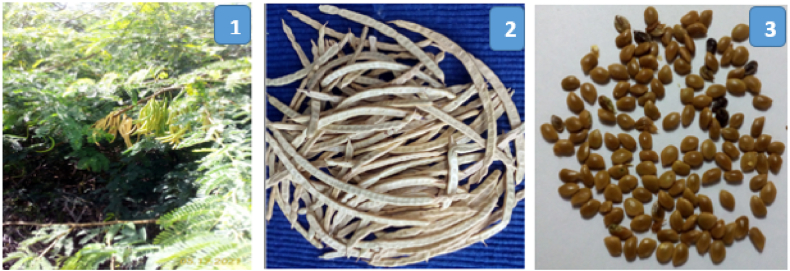
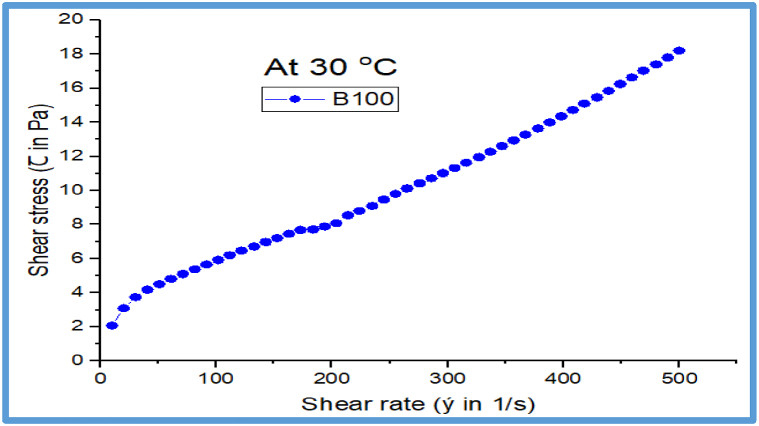
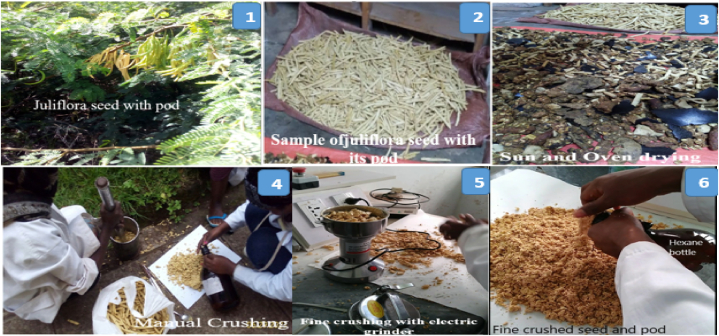
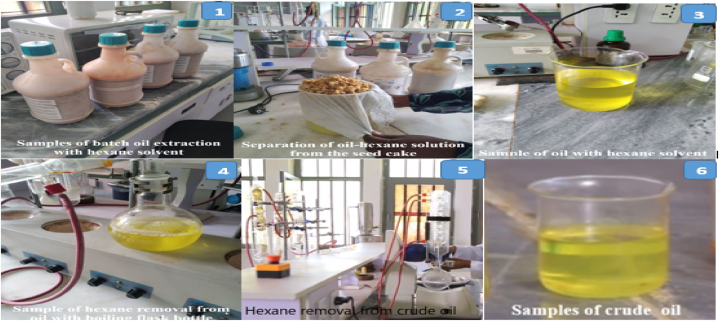
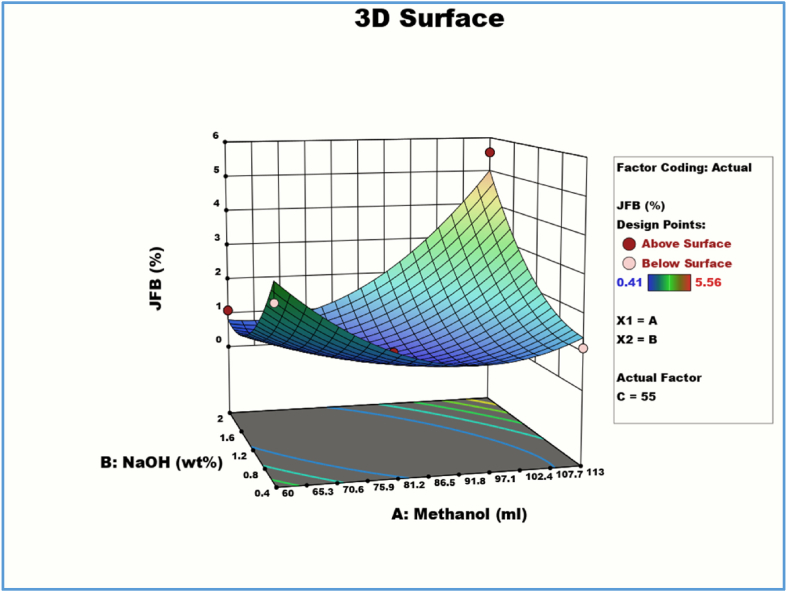
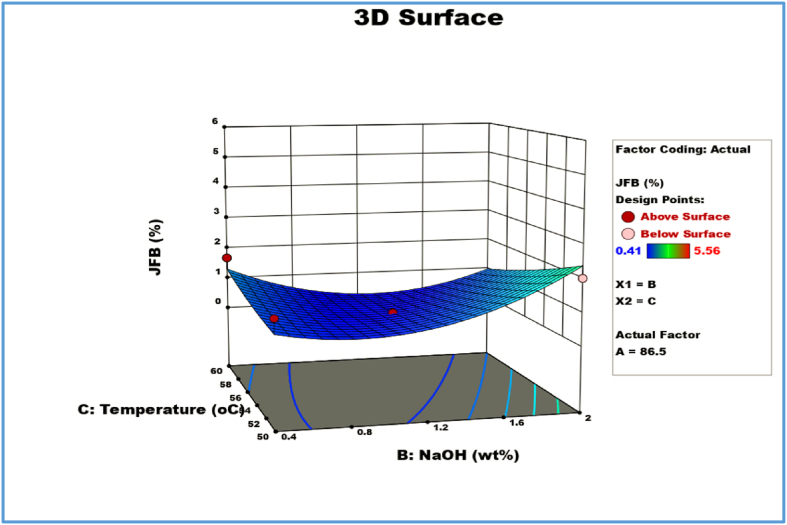
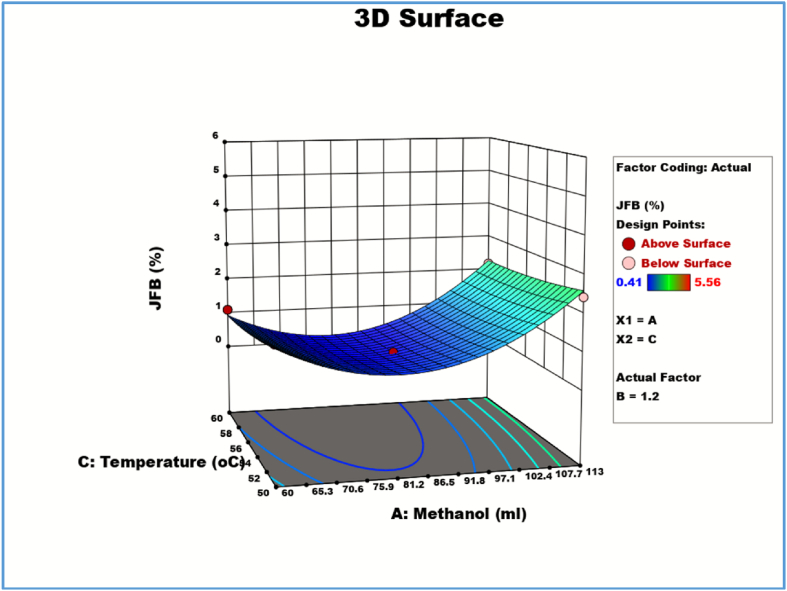
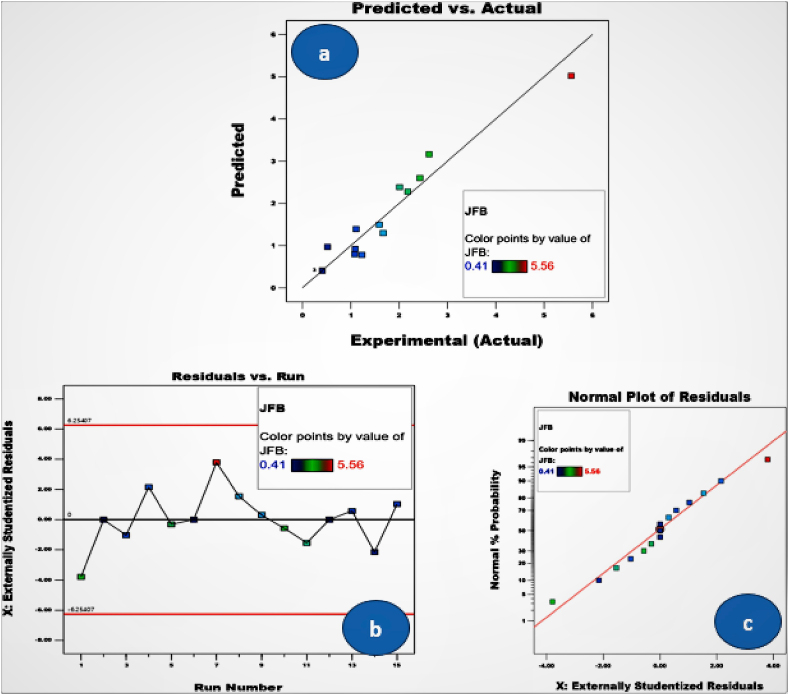
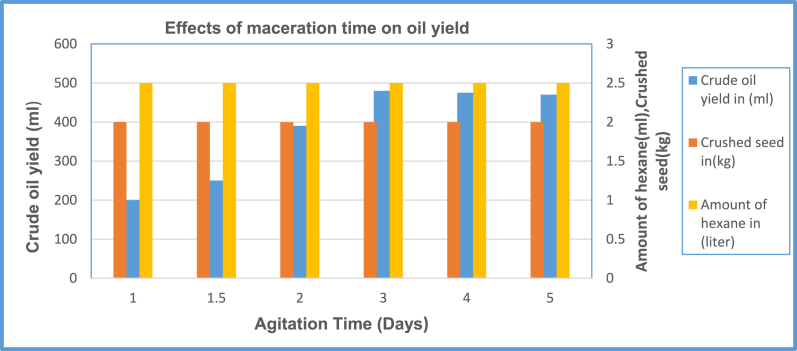
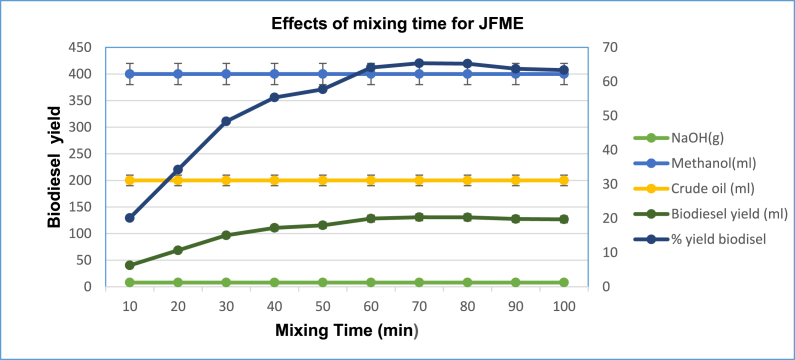
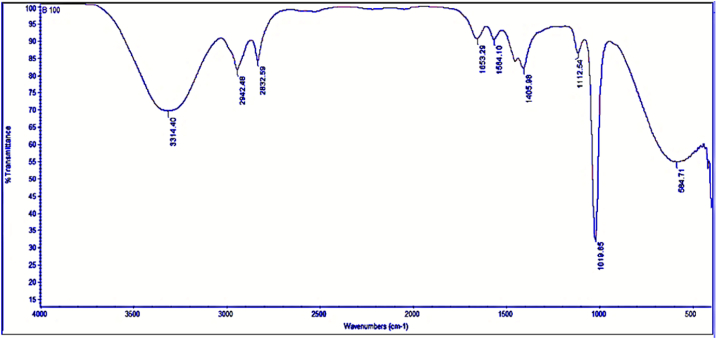
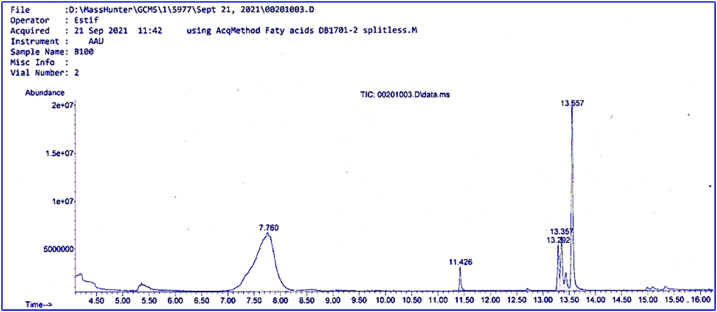
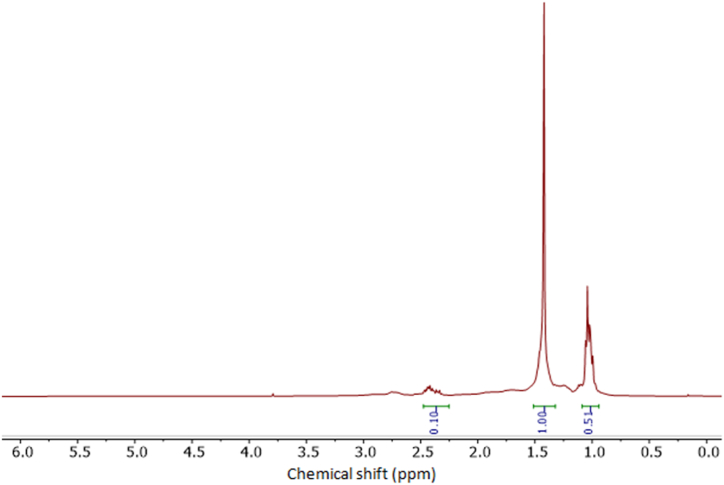
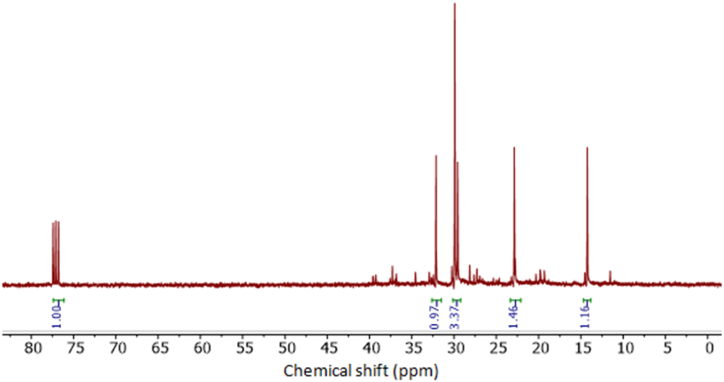
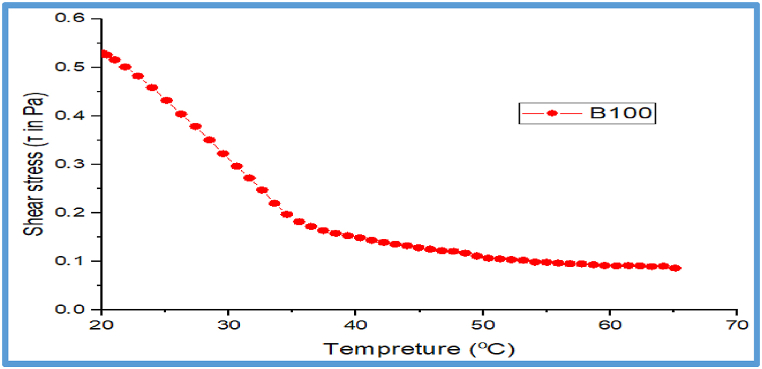
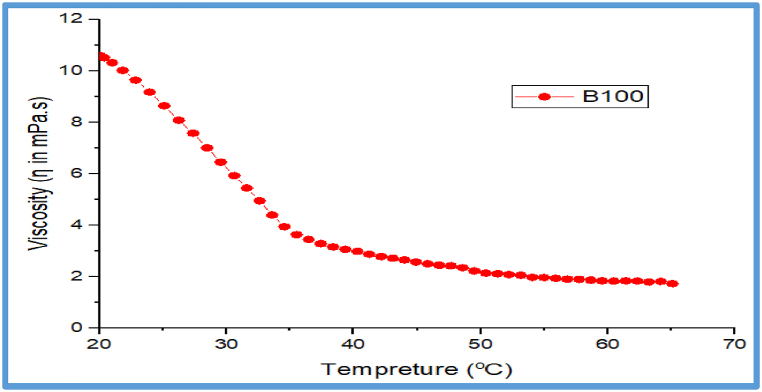
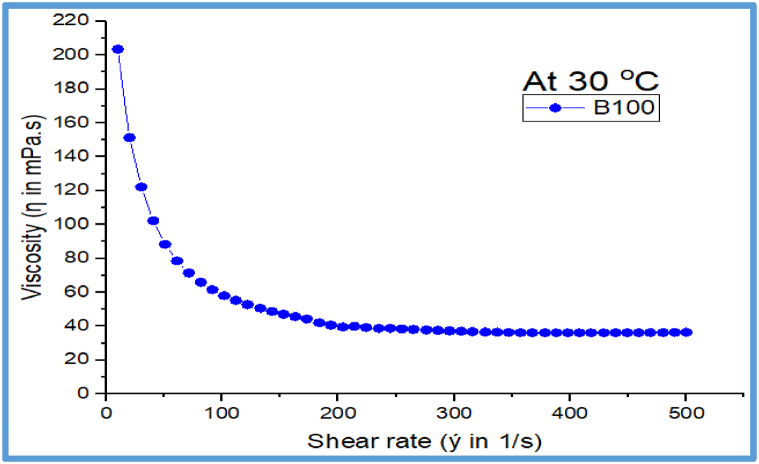
Considering the need for biodiesel production from non-edible oil sources and taking into account the fact that Prosopis Juliflora (JF) is identified as a highly invasive species in Ethiopia, this research focuses on biodiesel production from a possible and promising alternative feedstock. The objective of this study is to analyze Ethiopian variant Juliflora based biodiesel (JFB) production through transesterification, carry out optimization by exploring the effects of various process parameters and characterization of functional groups (with GC-MS,FT-IR and NMR) including rheological behavior, not yet been reported earlier. As per ASTM protocol testing, the methyl ester of Juliflora has been found to have the following main fuel properties: kinematic viscosity (mm/s) 3.395, cetane number 52.9, acid number (mgkoh/g) 0.28, density (gm/ml) 0.880, calorific value (MJ/kg) 44.4, methyl ester content (%) 99.8, and flashpoint (°C) 128, copper strip corrosion value 1a,%FFA (free fatty acid) 0.14. When compared with those of diesel, the viscosity, density, and flash point of JFB are seen to be higher than those of diesel, although it has a similar calorific value but more importantly higher than most of the other biodiesels. Based on an assessment using response surface methodology, methanol concentration together with catalyst loading, temperature, and reaction time are determined to be the most important influencing process parameters. The best molar ratio for methanolysis was observed to be 6:1 with a catalyst concentration of 0.5 wt% at 55 °C for 60 min for biodiesel yield at 65%. The JFB maximum yield of 130 ml at 70 min and the minimum yield of 40 ml at 10 min demonstrate that as mixing time increases, JFB yield tend to increase up to a certain time limit. The maximum raw oil yield rom crushed seed with hexane solvent was observed to be 480 ml within 3 days from 2.5 kg of crushed seed. The Fourier transform infrared analysis (FT-IR) revealed the presence of all desired functional groups necessary for biodiesel on OH radicals at wave numbers of 3314.40 cm Aliphatic methyl C-H at 2942.48 cm with a functional group (CH-3-,-CH2-), and methylene C-H at 2832.59 cm. The gas chromatography-mass spectrometer (GC-MS) study confirmed the higher ester content present in the JFB with a higher unsaturation level of 68.81%. The fatty acid, oleic acid has a lower saturation level of 4.5%, while palmitic acid has a lower threshold level of 2.08%. The Rheometer test showed that shear stress and viscosity reduced with increasing temperature within the range of biodiesel requirements, and the Newtonian behavior was confirmed. The JFB has a fairly high viscosity and shear rate at low temperatures. The H NMR (nuclear magnetic resonance) study established that JFB has a necessary ingredient; and aliphatic resonances occur in the chemical shift region of 1.5-3.0 ppm. Significant regions indicate protons bound to heteroaromatics, aldehydes, as shown by C NMR spectrum. The findings from the FT-IR, GC-MS, H NMR, and C NMR are in agreement thus validating the presence of numerous functional groups in JFB as such. Since JFB possesses the requisite biodiesel fuel attributes, Prosopis Juliflora need to be pursued as a promising biodiesel feedstock in Ethiopia for alleviating the burden of imported fuels while also addressing difficulties with emissions released by the combustion of fossil fuels.
考虑到从非食用油源生产生物柴油的需求,并鉴于牧豆树(JF)在埃塞俄比亚被认定为高度入侵物种,本研究聚焦于从一种可能且有前景的替代原料生产生物柴油。本研究的目的是通过酯交换反应分析基于埃塞俄比亚变种牧豆树的生物柴油(JFB)生产,通过探索各种工艺参数的影响进行优化,并对官能团进行表征(采用气相色谱 - 质谱联用仪、傅里叶变换红外光谱仪和核磁共振仪),包括流变行为,这些此前尚未有报道。根据美国材料与试验协会(ASTM)协议测试,已发现牧豆树的甲酯具有以下主要燃料特性:运动粘度(mm/s)3.395、十六烷值52.9、酸值(mgkoh/g)0.28、密度(gm/ml)0.880、热值(MJ/kg)44.4、甲酯含量(%)99.8以及闪点(°C)128、铜片腐蚀值1a、游离脂肪酸(%FFA)0.14。与柴油相比,JFB的粘度、密度和闪点高于柴油,尽管其热值相似,但更重要的是高于大多数其他生物柴油。基于使用响应面方法的评估,确定甲醇浓度以及催化剂负载量、温度和反应时间是最重要的影响工艺参数。观察到最佳甲醇解摩尔比为6:1,催化剂浓度为0.5 wt%,在55°C下反应60分钟,生物柴油产率为65%。JFB在70分钟时最大产率为130毫升,在10分钟时最小产率为40毫升,这表明随着混合时间增加,JFB产率在达到一定时间限制前趋于增加。用己烷溶剂从碾碎的种子中提取的原油最大产率在3天内从2.5千克碾碎种子中观察到为480毫升。傅里叶变换红外光谱分析(FT - IR)显示在波数为3314.40 cm处的OH基团上存在生物柴油所需的所有期望官能团,在2942.48 cm处存在脂肪族甲基C - H(官能团为(CH - 3 -,-CH2 -)),在2832.59 cm处存在亚甲基C - H。气相色谱 - 质谱联用仪(GC - MS)研究证实JFB中存在较高的酯含量,不饱和水平较高,为68.81%。脂肪酸油酸的饱和水平较低,为4.5%,而棕榈酸的阈值水平较低,为2.08%。流变仪测试表明,在生物柴油要求的温度范围内,随着温度升高,剪切应力和粘度降低,并证实了牛顿行为。JFB在低温下具有相当高的粘度和剪切速率。核磁共振氢谱(H NMR)研究确定JFB含有必要成分;脂肪族共振出现在1.5 - 3.0 ppm的化学位移区域。重要区域表明质子与杂芳烃、醛结合,如碳核磁共振谱(C NMR)所示。FT - IR、GC - MS、H NMR和C NMR的研究结果一致,从而验证了JFB中存在众多官能团。由于JFB具备所需的生物柴油燃料属性,在埃塞俄比亚应将牧豆树作为一种有前景的生物柴油原料加以利用,以减轻进口燃料的负担,同时也解决化石燃料燃烧所释放排放物的难题。