Evergrande Center for Immunologic Diseases, Harvard Medical School and Brigham and Women's Hospital, Boston, MA, USA.
Klarman Cell Observatory, Broad Institute of MIT and Harvard, Cambridge, MA, USA.
Nature. 2023 Jul;619(7969):348-356. doi: 10.1038/s41586-023-06231-0. Epub 2023 Jun 21.
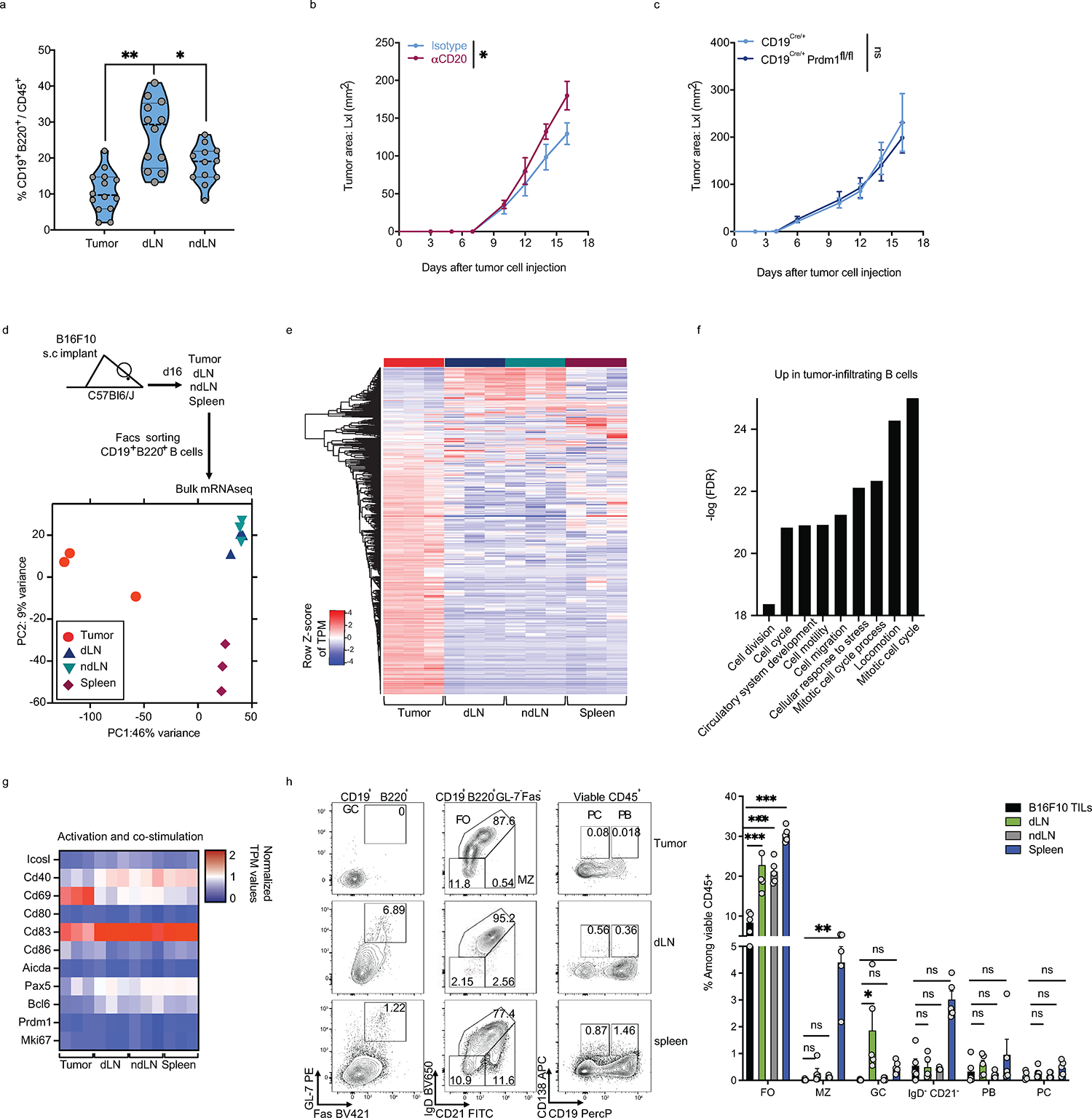
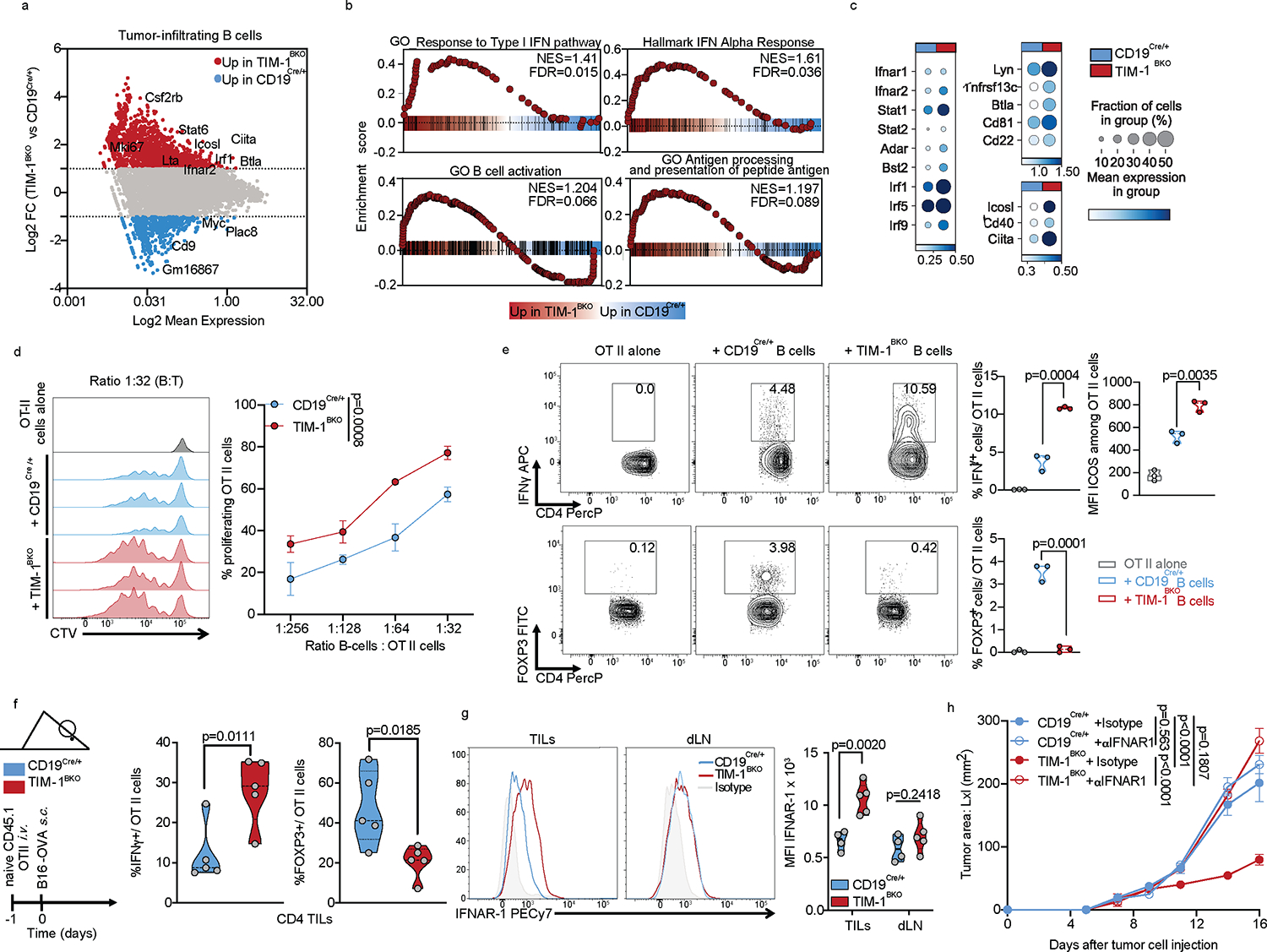
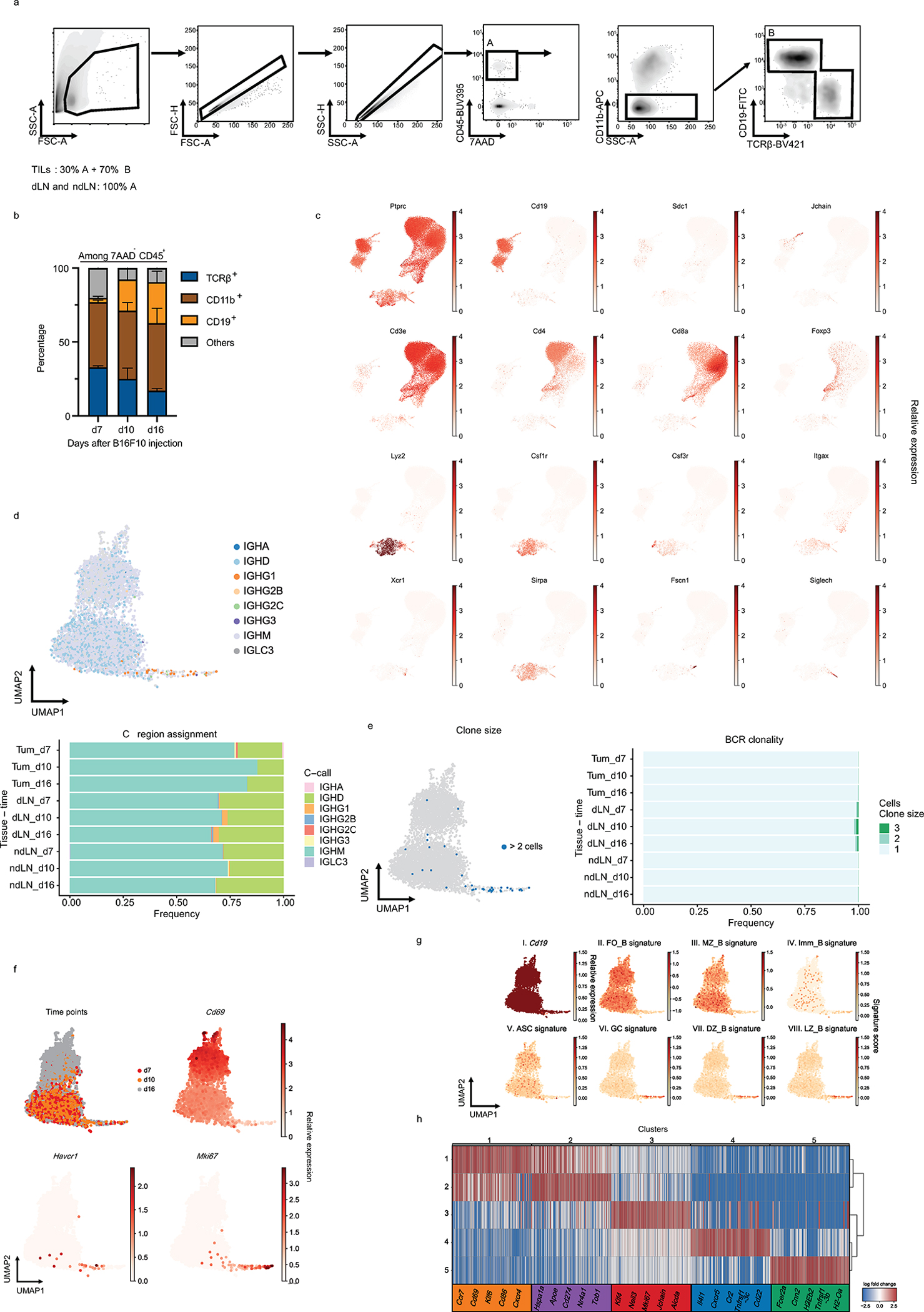
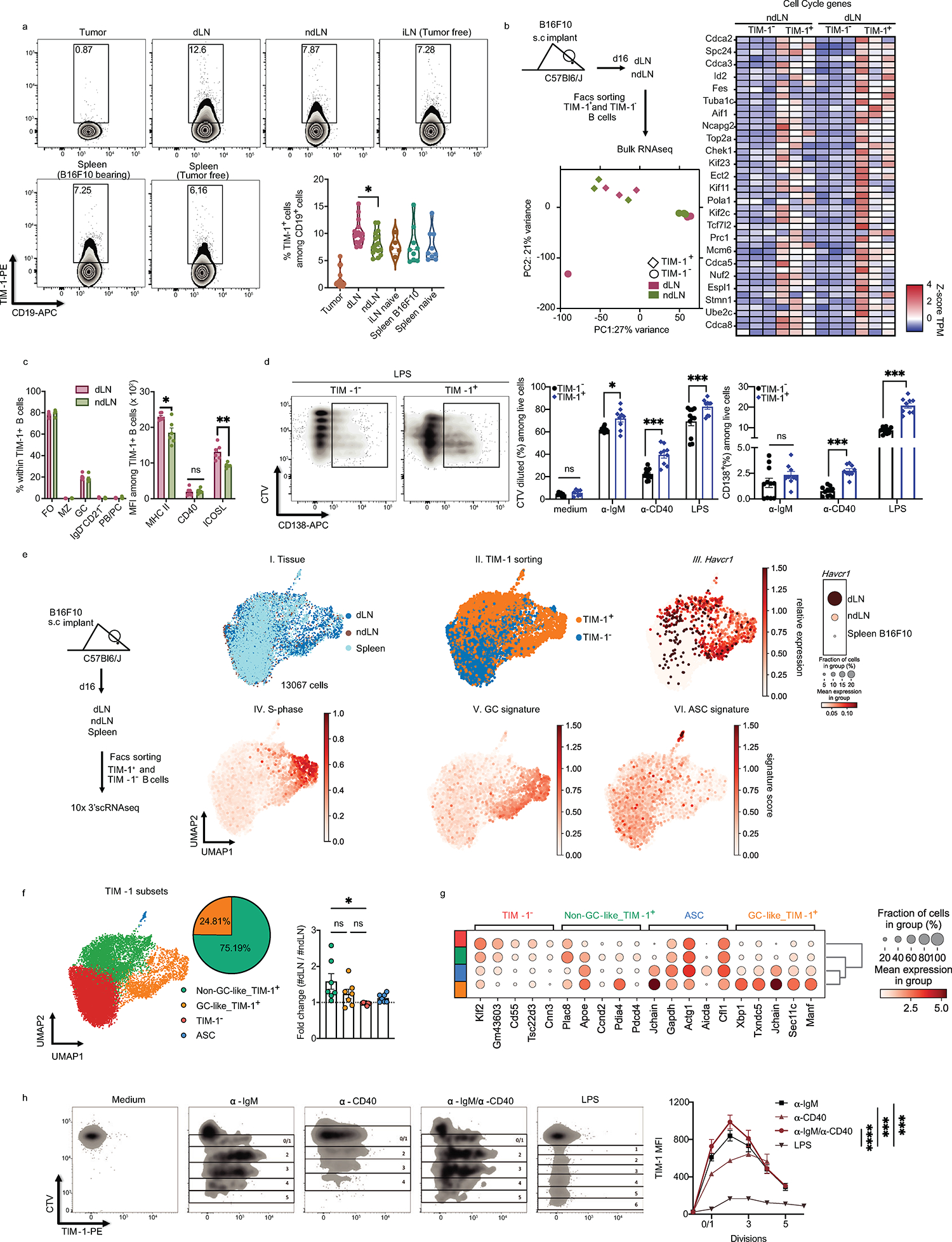
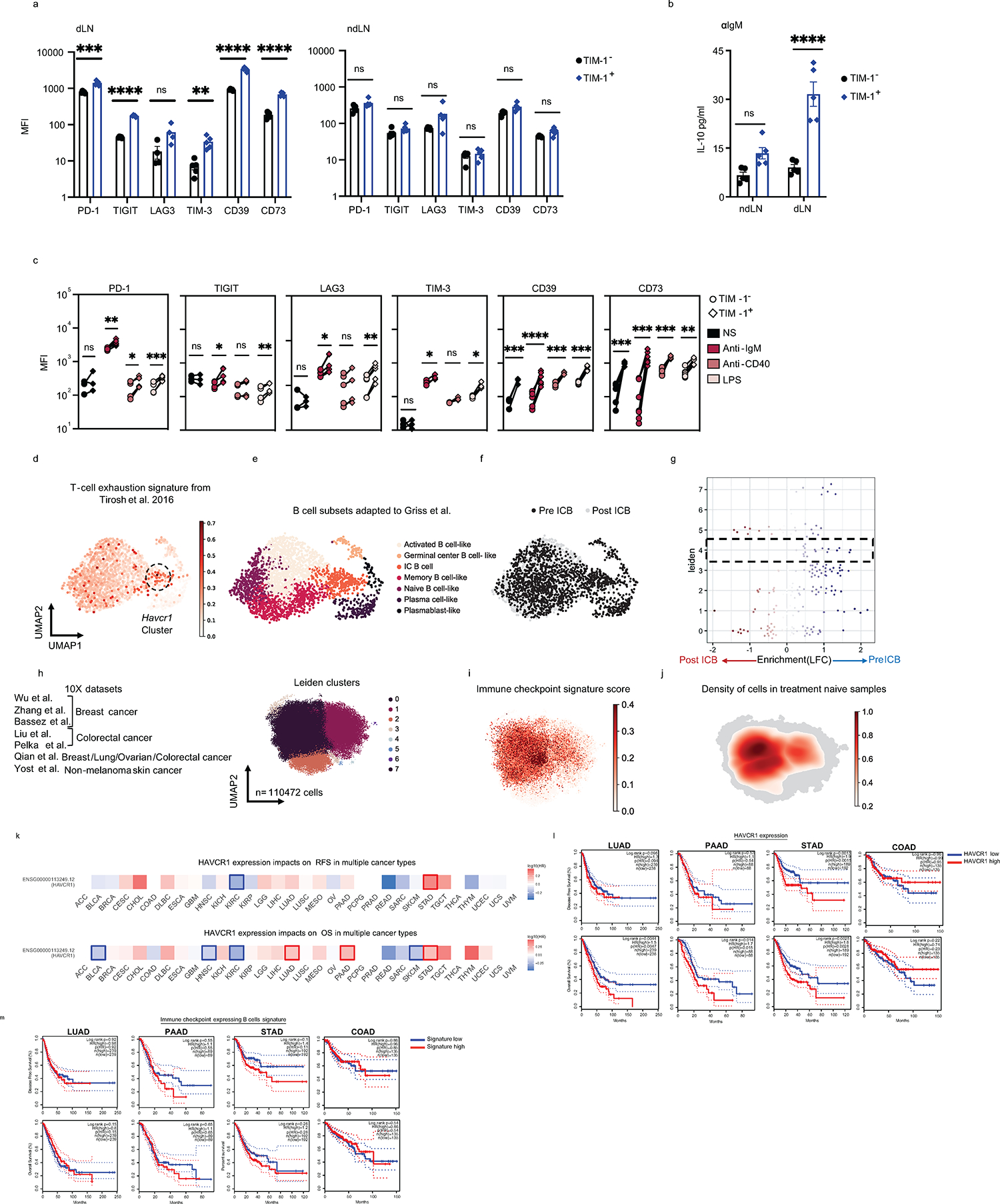
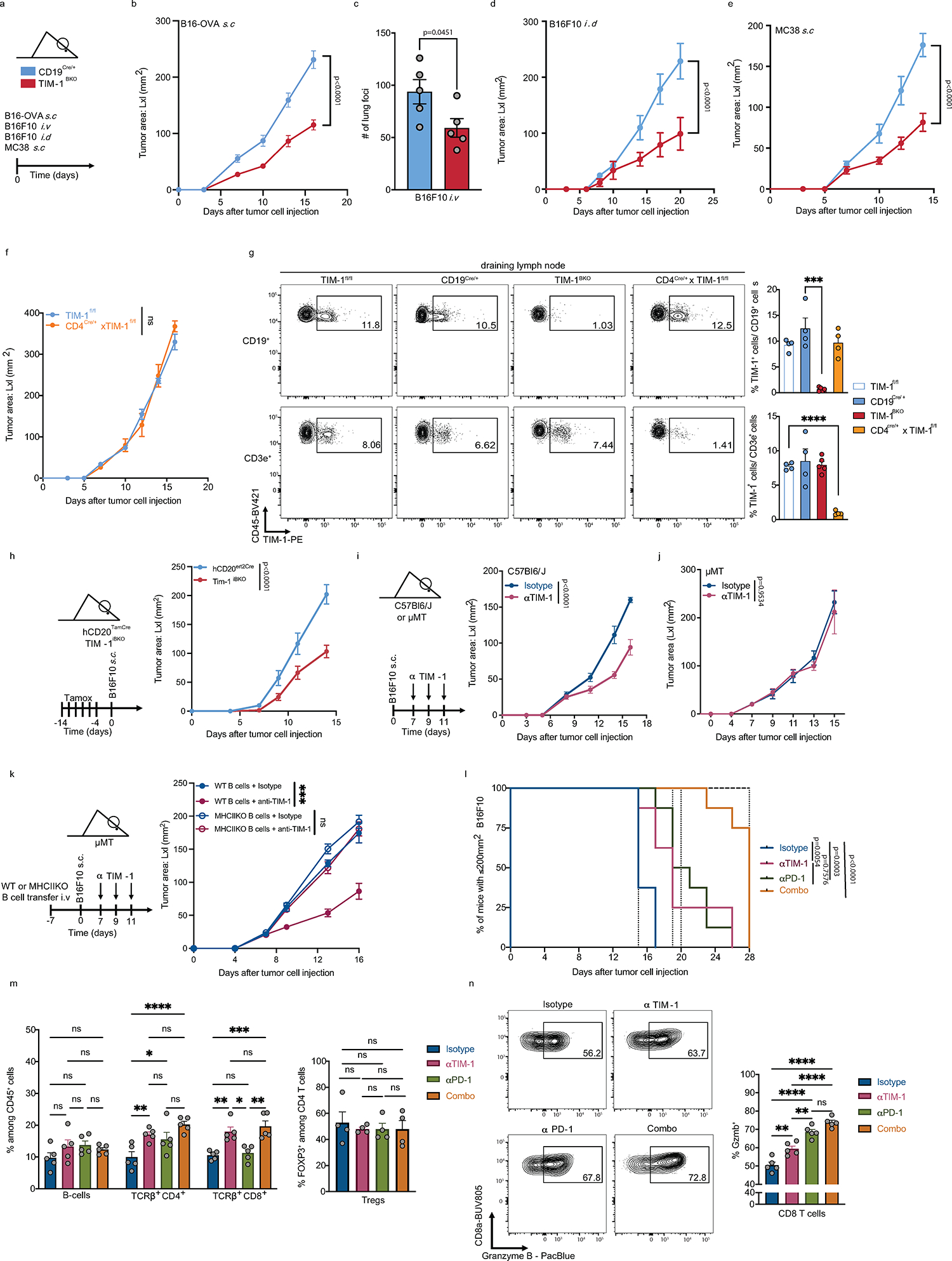
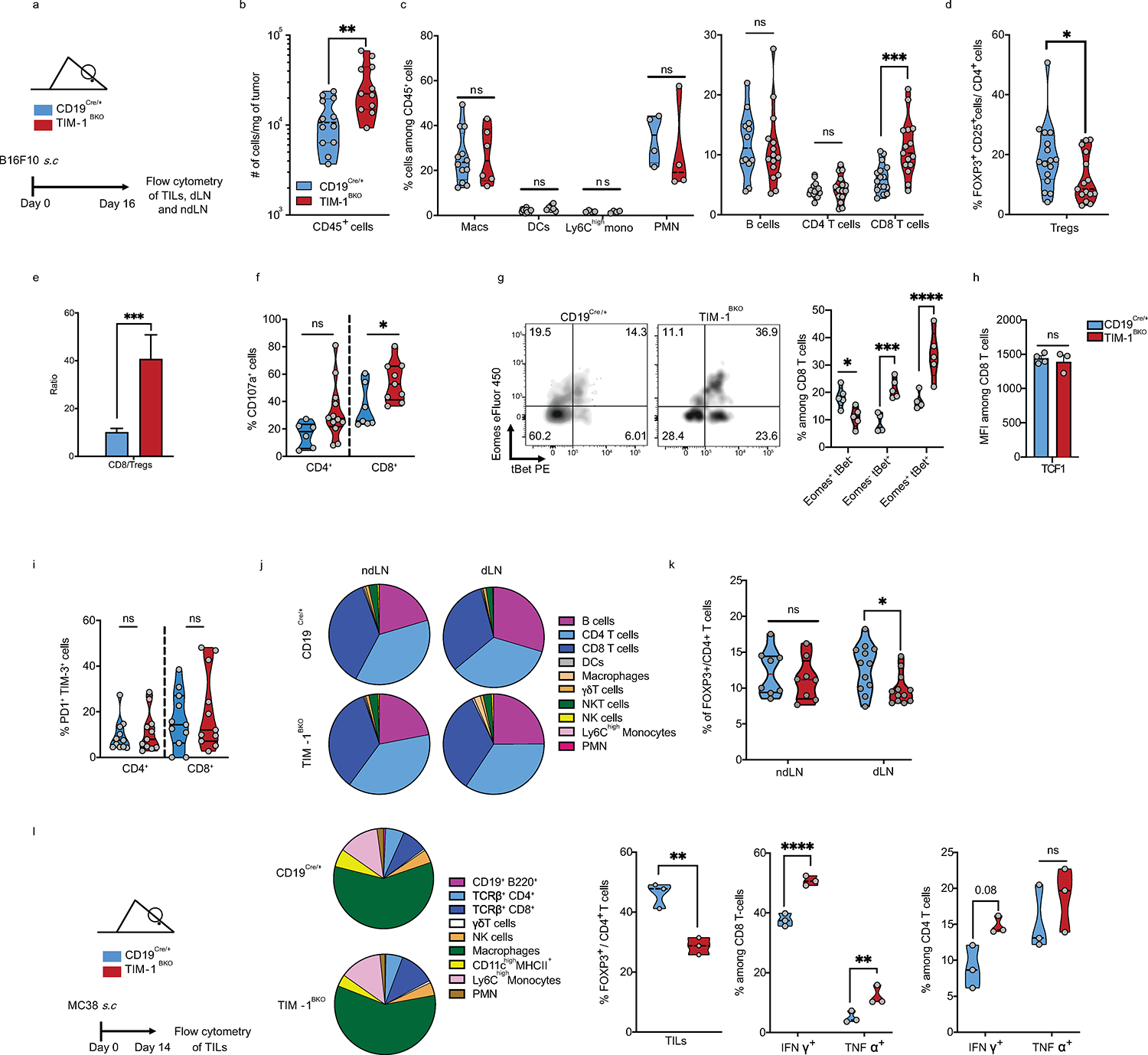
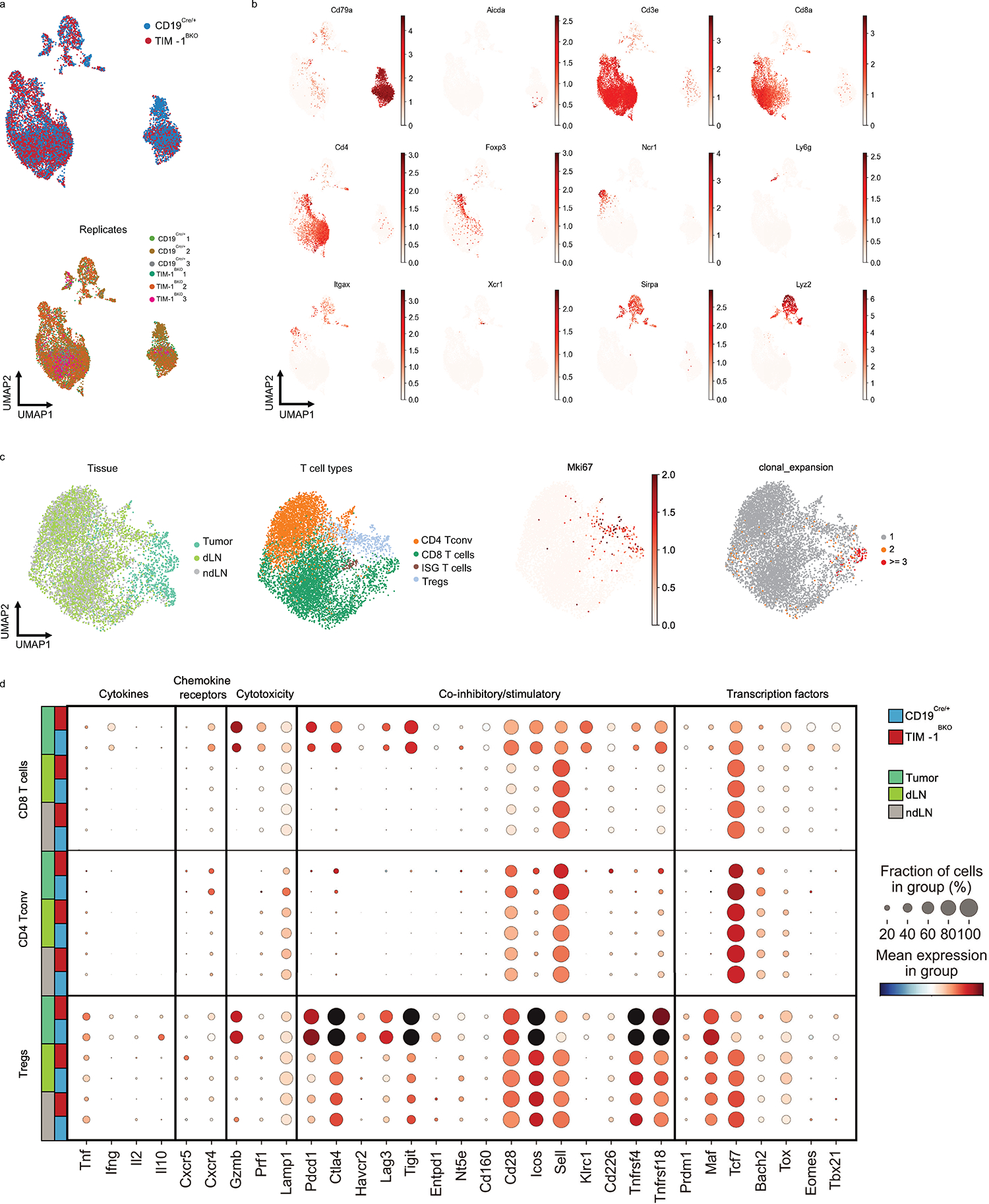
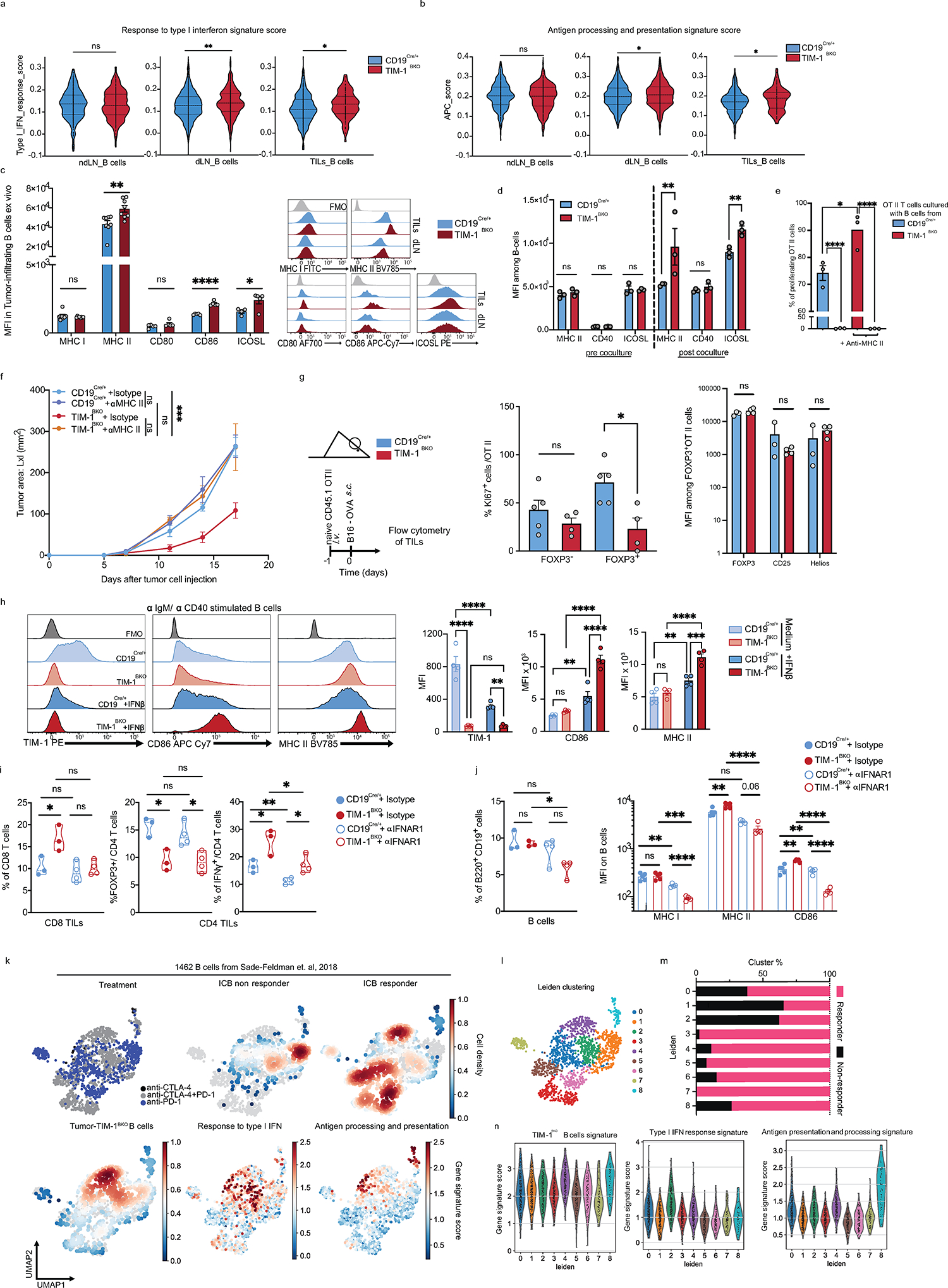
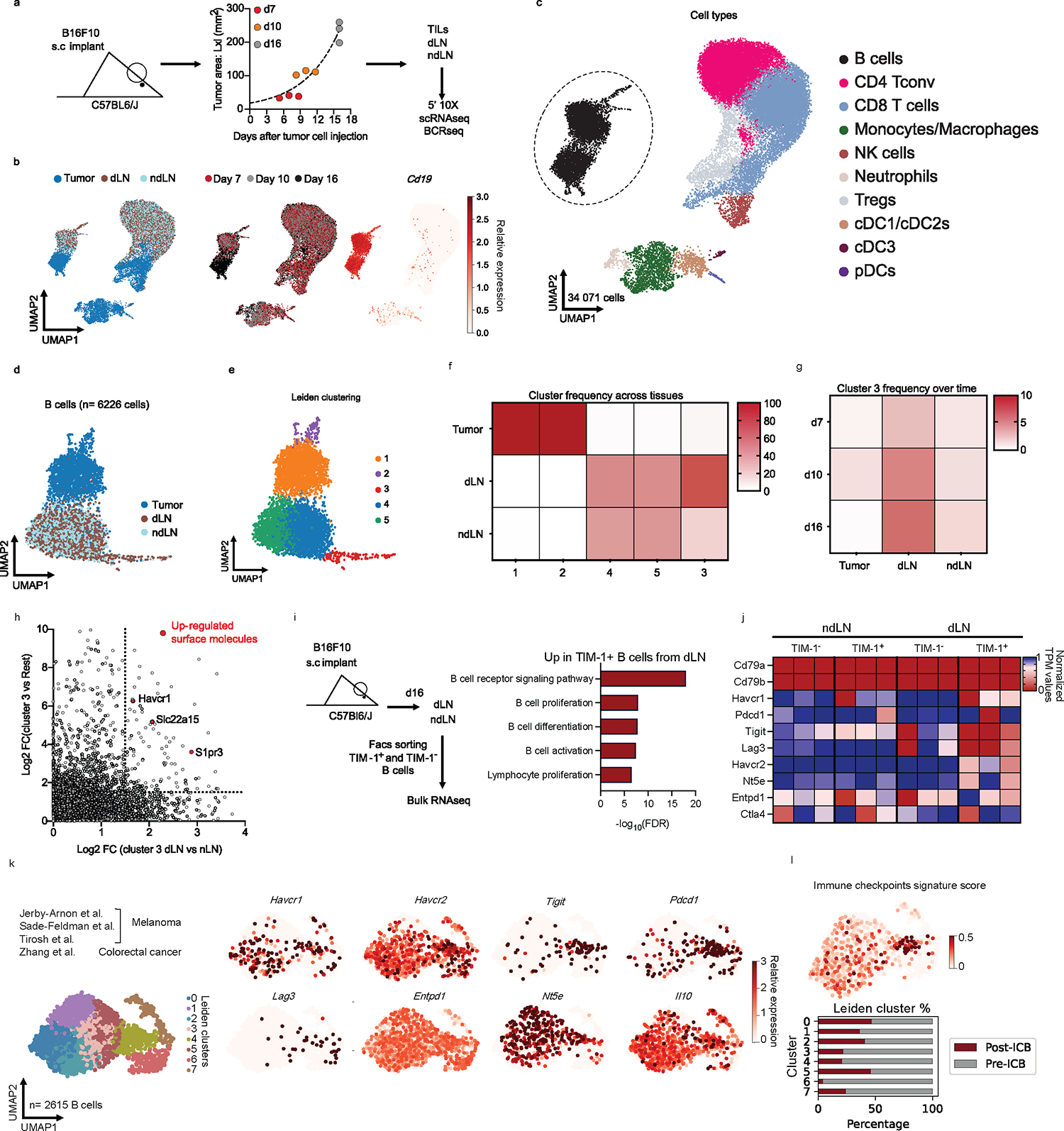
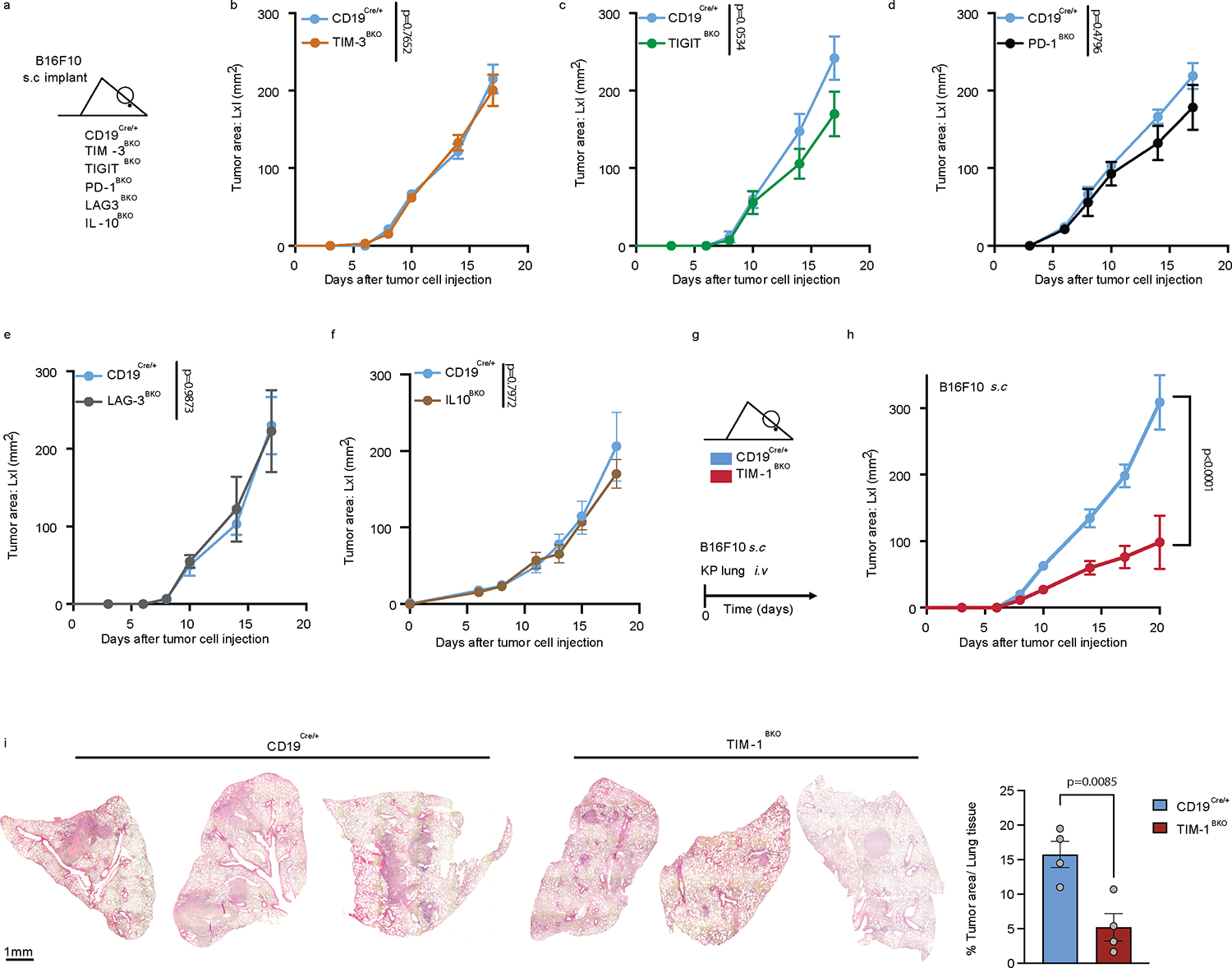
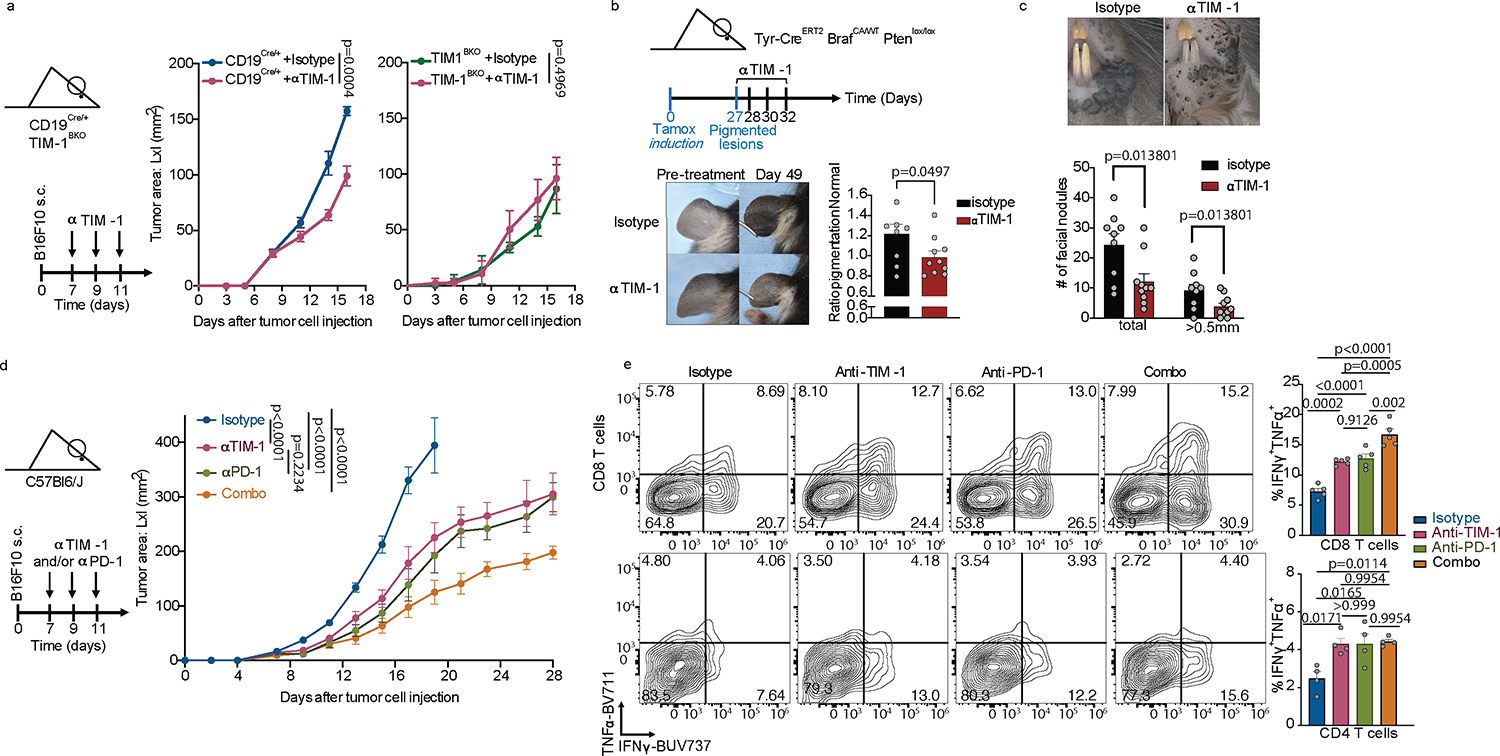
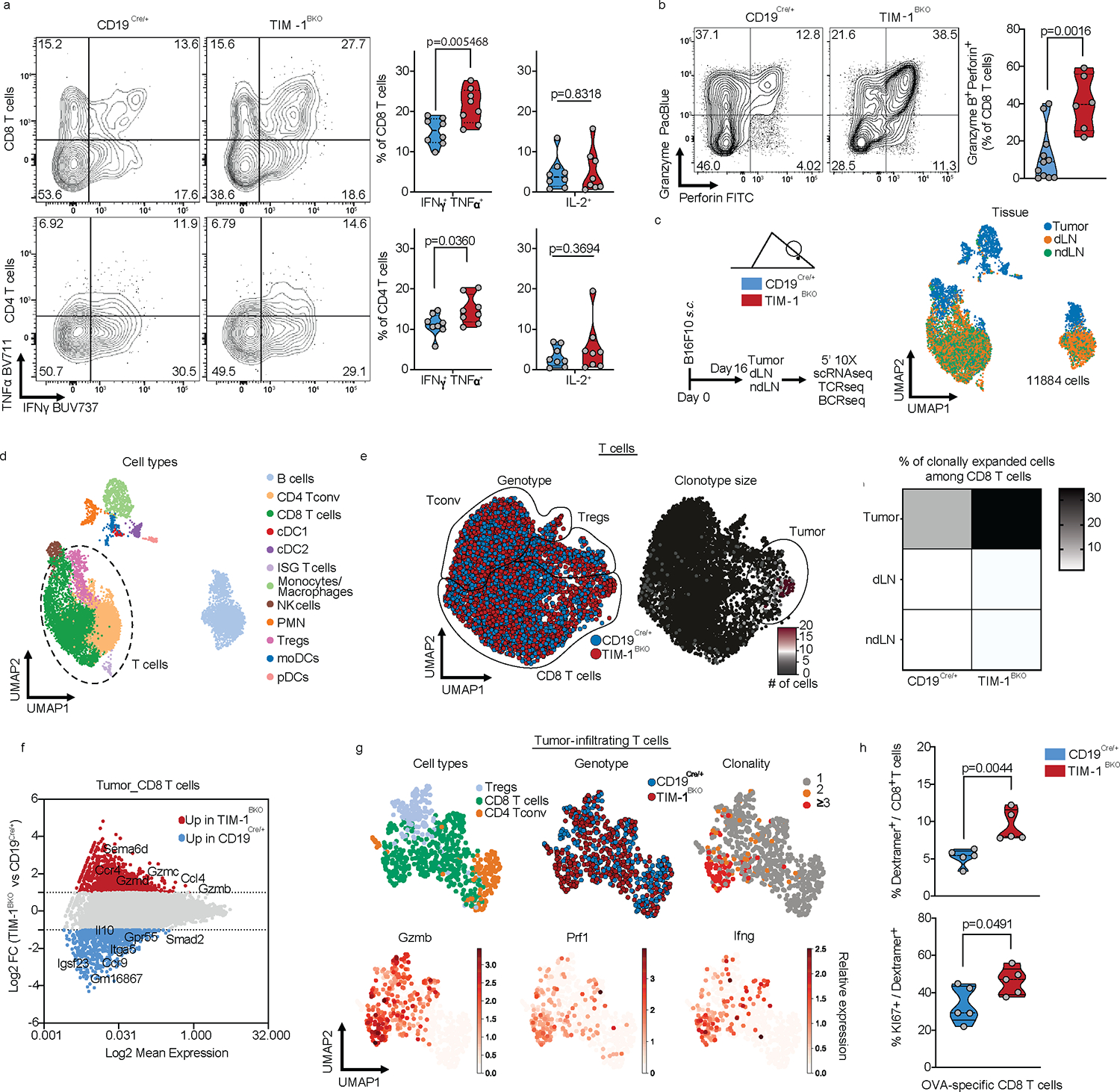
The role of B cells in anti-tumour immunity is still debated and, accordingly, immunotherapies have focused on targeting T and natural killer cells to inhibit tumour growth. Here, using high-throughput flow cytometry as well as bulk and single-cell RNA-sequencing and B-cell-receptor-sequencing analysis of B cells temporally during B16F10 melanoma growth, we identified a subset of B cells that expands specifically in the draining lymph node over time in tumour-bearing mice. The expanding B cell subset expresses the cell surface molecule T cell immunoglobulin and mucin domain 1 (TIM-1, encoded by Havcr1) and a unique transcriptional signature, including multiple co-inhibitory molecules such as PD-1, TIM-3, TIGIT and LAG-3. Although conditional deletion of these co-inhibitory molecules on B cells had little or no effect on tumour burden, selective deletion of Havcr1 in B cells both substantially inhibited tumour growth and enhanced effector T cell responses. Loss of TIM-1 enhanced the type 1 interferon response in B cells, which augmented B cell activation and increased antigen presentation and co-stimulation, resulting in increased expansion of tumour-specific effector T cells. Our results demonstrate that manipulation of TIM-1-expressing B cells enables engagement of the second arm of adaptive immunity to promote anti-tumour immunity and inhibit tumour growth.
B 细胞在抗肿瘤免疫中的作用仍存在争议,因此,免疫疗法的重点是针对 T 细胞和自然杀伤细胞,以抑制肿瘤生长。在这里,我们使用高通量流式细胞术以及 B16F10 黑色素瘤生长过程中 B 细胞的批量和单细胞 RNA 测序和 B 细胞受体测序分析,鉴定了一组在荷瘤小鼠中随时间推移在引流淋巴结中特异性扩增的 B 细胞亚群。扩增的 B 细胞亚群表达细胞表面分子 T 细胞免疫球蛋白和粘蛋白结构域 1(TIM-1,由 Havcr1 编码)和独特的转录特征,包括多个共抑制分子,如 PD-1、TIM-3、TIGIT 和 LAG-3。尽管在 B 细胞上条件性缺失这些共抑制分子对肿瘤负担几乎没有影响,但选择性缺失 B 细胞中的 Havcr1 不仅显著抑制肿瘤生长,而且增强效应 T 细胞反应。TIM-1 的缺失增强了 B 细胞中的 I 型干扰素反应,这增强了 B 细胞的激活,并增加了抗原呈递和共刺激,从而导致肿瘤特异性效应 T 细胞的扩增增加。我们的研究结果表明,操纵表达 TIM-1 的 B 细胞可以激活适应性免疫的第二臂,从而促进抗肿瘤免疫并抑制肿瘤生长。