Department of Pharmacy, First People's Hospital of Linping District, Hangzhou, Zhejiang, China.
Department of Critical Care Medicine, Chongqing General Hospital, Chongqing, China.
Front Immunol. 2023 Jun 6;14:1183769. doi: 10.3389/fimmu.2023.1183769. eCollection 2023.
Sepsis is a complex condition involving multiorgan failure, resulting from the hosts' deleterious systemic immune response to infection. It is characterized by high mortality, with limited effective detection and treatment options. Dysregulated endoplasmic reticulum (ER) stress is directly involved in the pathophysiology of immune-mediated diseases.
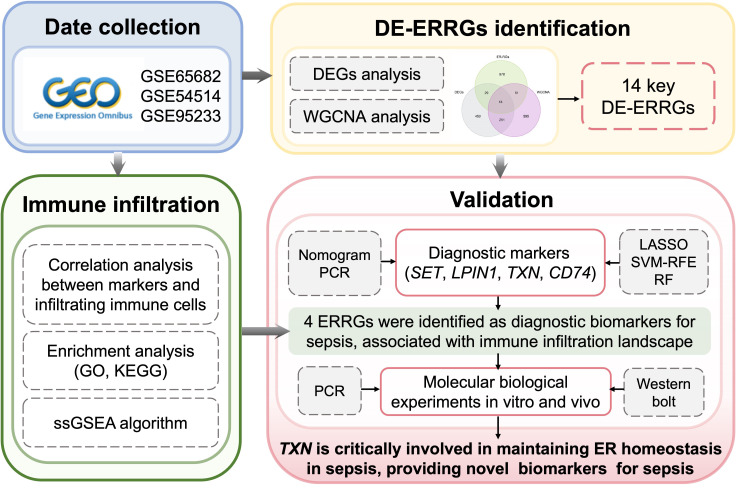
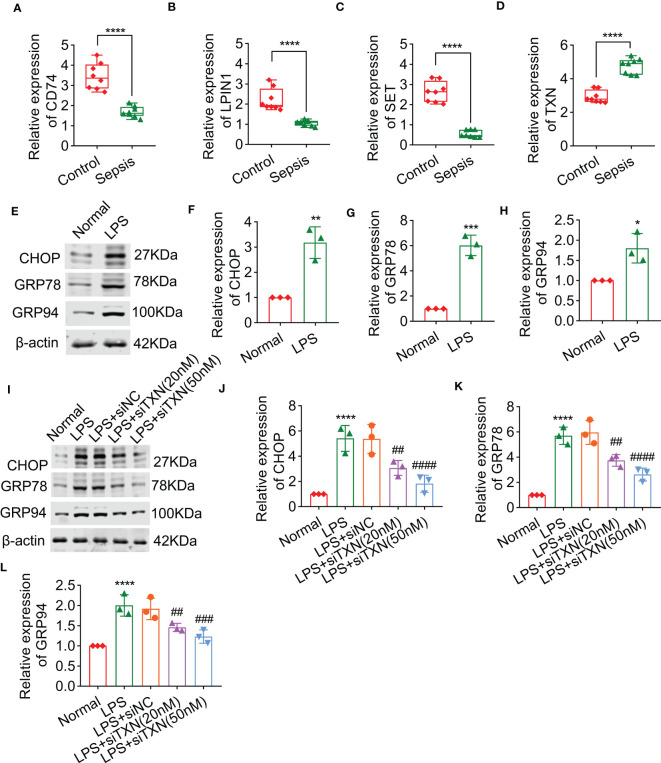
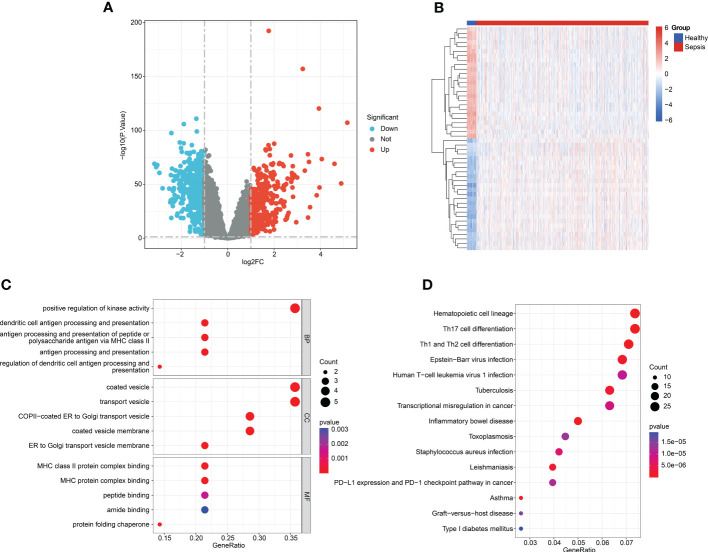
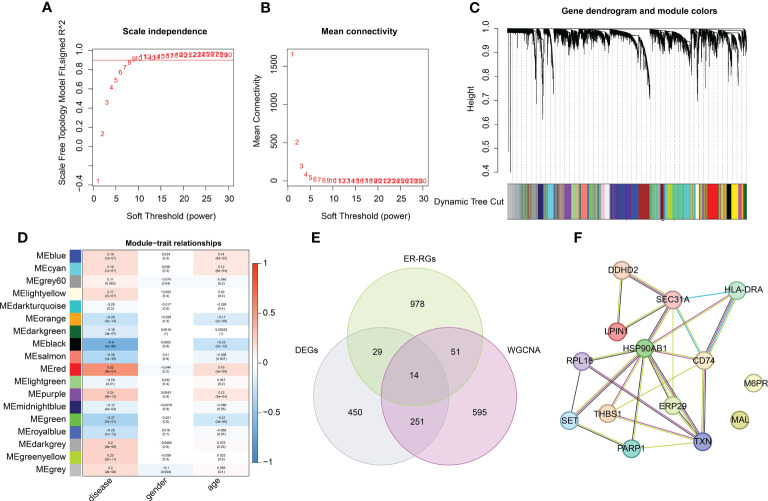
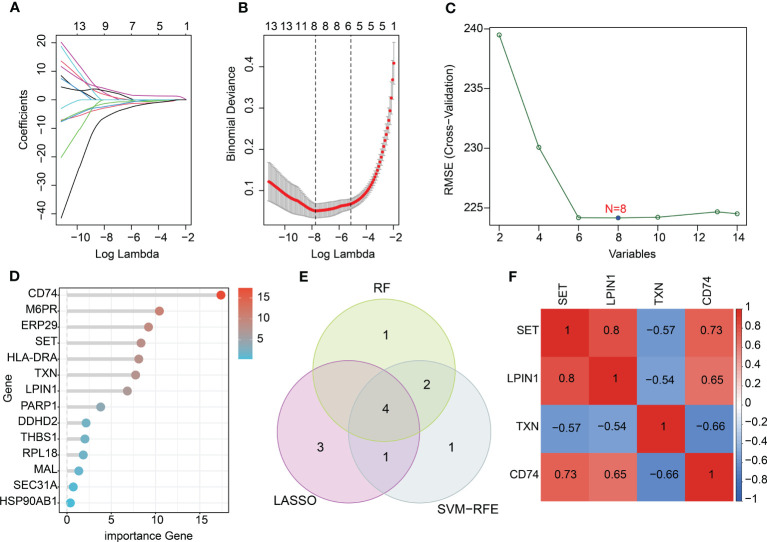
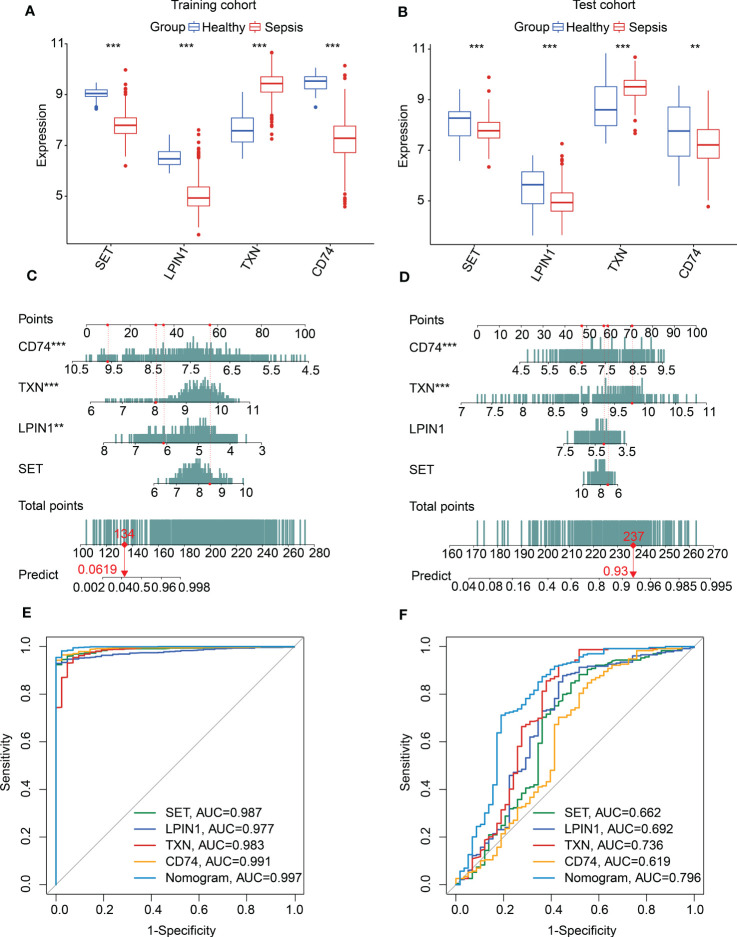
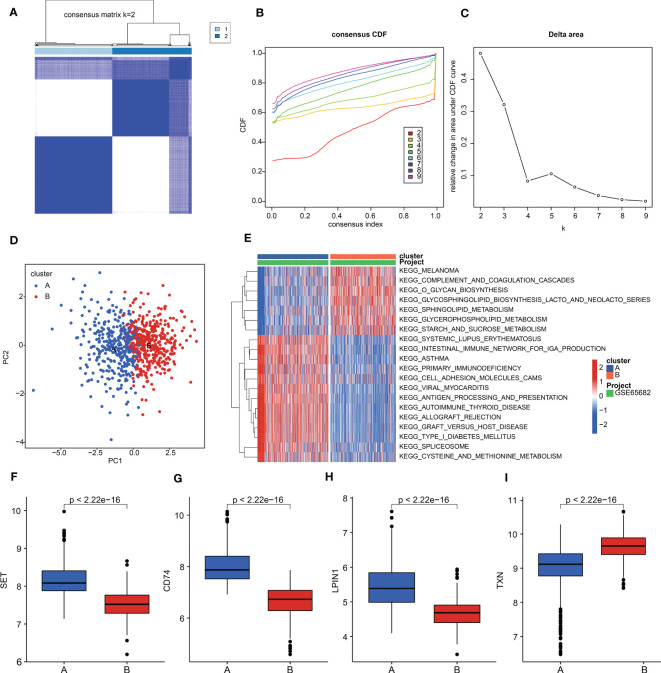
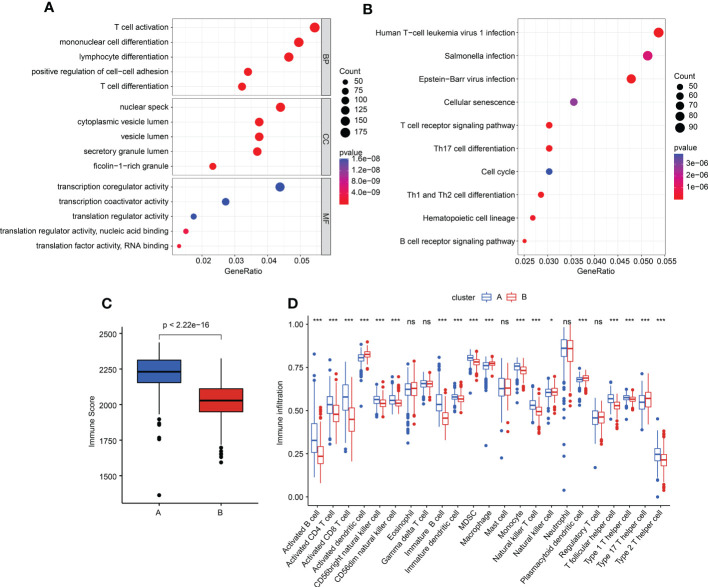
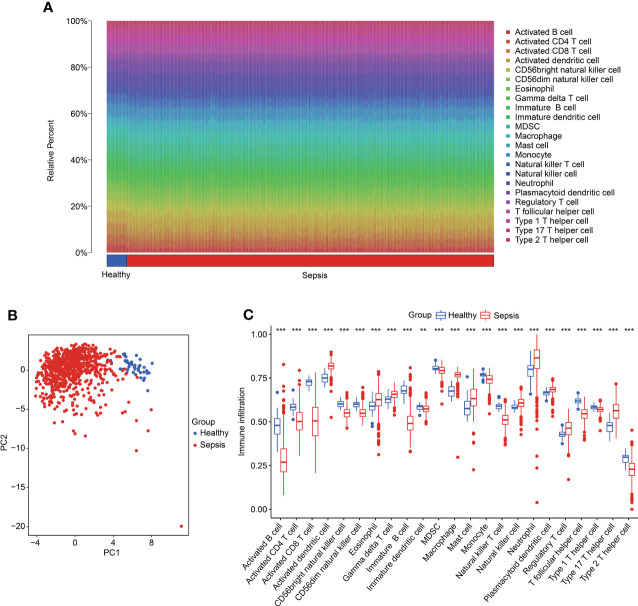
Clinical samples were obtained from Gene Expression Omnibus datasets (i.e., GSE65682, GSE54514, and GSE95233) to perform the differential analysis in this study. A weighted gene co-expression network analysis algorithm combining multiple machine learning algorithms was used to identify the diagnostic biomarkers for sepsis. Gene Ontology (GO) analysis, Kyoto Encyclopedia of Genes and Genomes (KEGG) enrichment, and the single-sample gene set enrichment analysis algorithm were used to analyze immune infiltration characteristics in sepsis. PCR analysis and western blotting were used to demonstrate the potential role of in sepsis.
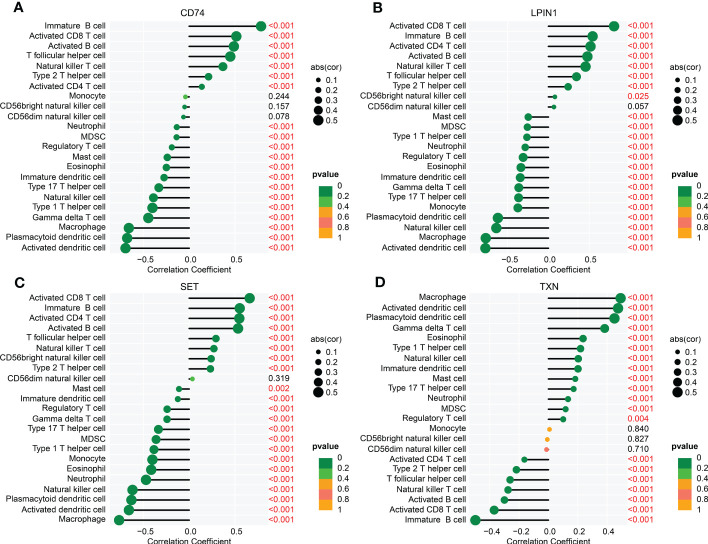
Four ERRGs, namely SET, LPIN1, TXN, and CD74, have been identified as characteristic diagnostic biomarkers for sepsis. Immune infiltration has been repeatedly proved to play a vital role both in sepsis and ER. Subsequently, the immune infiltration characteristics result indicated that the development of sepsis is mediated by immune-related function, as four diagnostic biomarkers were strongly associated with the immune infiltration landscape of sepsis. The biological experiments in vitro and vivo demonstrate TXN is emerging as crucial player in maintaining ER homeostasis in sepsis.
Our research identified novel potential biomarkers for sepsis diagnosis, which point toward a potential strategy for the diagnosis and treatment of sepsis.
败血症是一种涉及多器官衰竭的复杂病症,是由宿主对感染的有害全身免疫反应引起的。它的死亡率很高,目前有效的检测和治疗选择有限。失调的内质网 (ER) 应激直接参与了免疫介导疾病的病理生理学过程。
本研究从基因表达综合数据库(即 GSE65682、GSE54514 和 GSE95233)中获取临床样本,进行差异分析。使用结合了多种机器学习算法的加权基因共表达网络分析算法来识别败血症的诊断生物标志物。使用基因本体 (GO) 分析、京都基因与基因组百科全书 (KEGG) 富集和单样本基因集富集分析算法来分析败血症中的免疫浸润特征。PCR 分析和 Western 印迹用于验证在败血症中潜在的作用。
已经确定了四个 ERRG,即 SET、LPIN1、TXN 和 CD74,它们是败血症的特征性诊断生物标志物。免疫浸润已被反复证明在败血症和 ER 中都起着至关重要的作用。随后,免疫浸润特征结果表明,败血症的发展是由免疫相关功能介导的,因为四个诊断生物标志物与败血症的免疫浸润图谱密切相关。体外和体内的生物学实验表明 TXN 作为败血症中维持 ER 动态平衡的关键因子正在出现。
我们的研究确定了败血症诊断的新型潜在生物标志物,为败血症的诊断和治疗提供了一种潜在策略。