Program in Cellular and Molecular Medicine, Boston Children's Hospital, Department of Pediatrics, Harvard Medical School, Boston, Massachusetts, USA.
Department of Biochemistry and Genome Biology, Hirosaki University Graduate School of Medicine, Hirosaki, Aomori, Japan.
J Hepatol. 2023 Nov;79(5):1214-1225. doi: 10.1016/j.jhep.2023.05.043. Epub 2023 Jun 20.
BACKGROUND & AIMS: Glycoprotein A repetitions predominant (GARP) is a membrane protein that functions as a latent TGF-β docking molecule. While the immune regulatory properties of GARP on blood cells have been studied, the function of GARP on tissue stromal cells remains unclear. Here, we investigate the role of GARP expressed on hepatic stellate cells (HSCs) in the development of liver fibrosis.
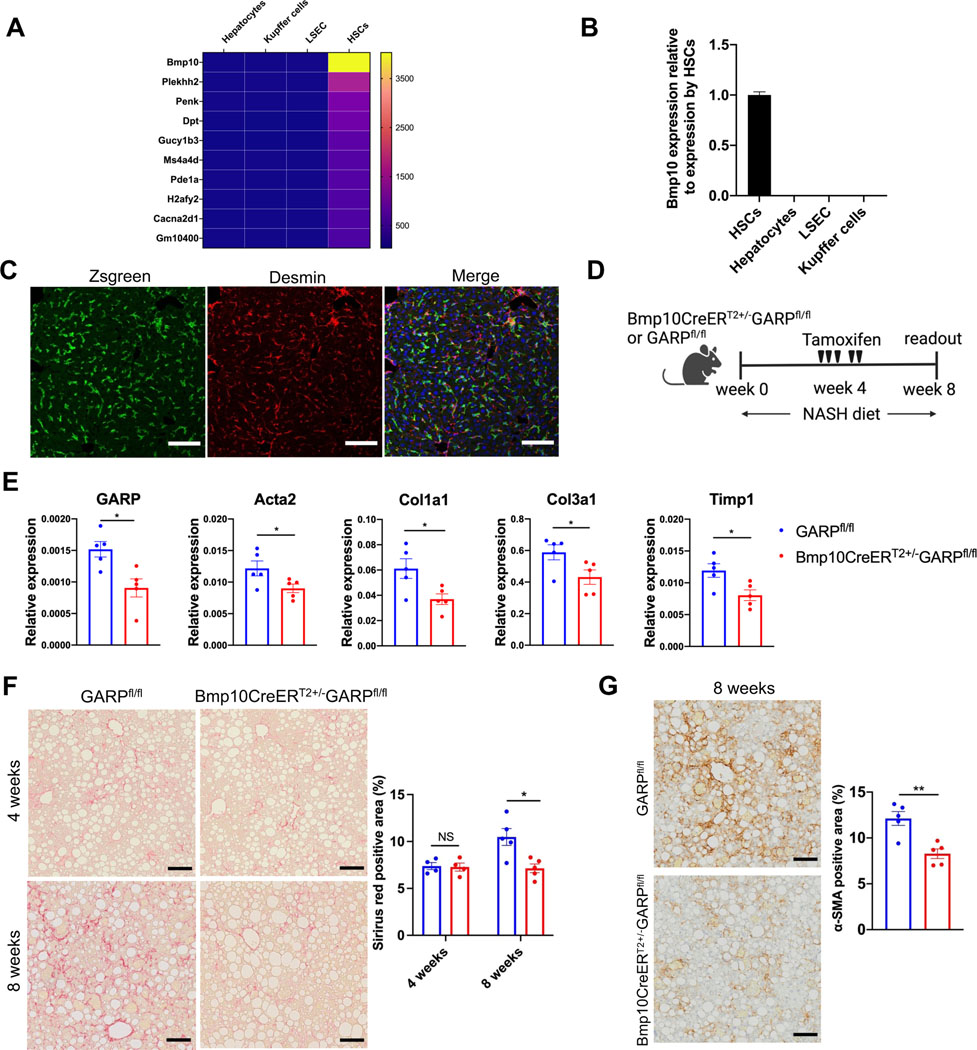
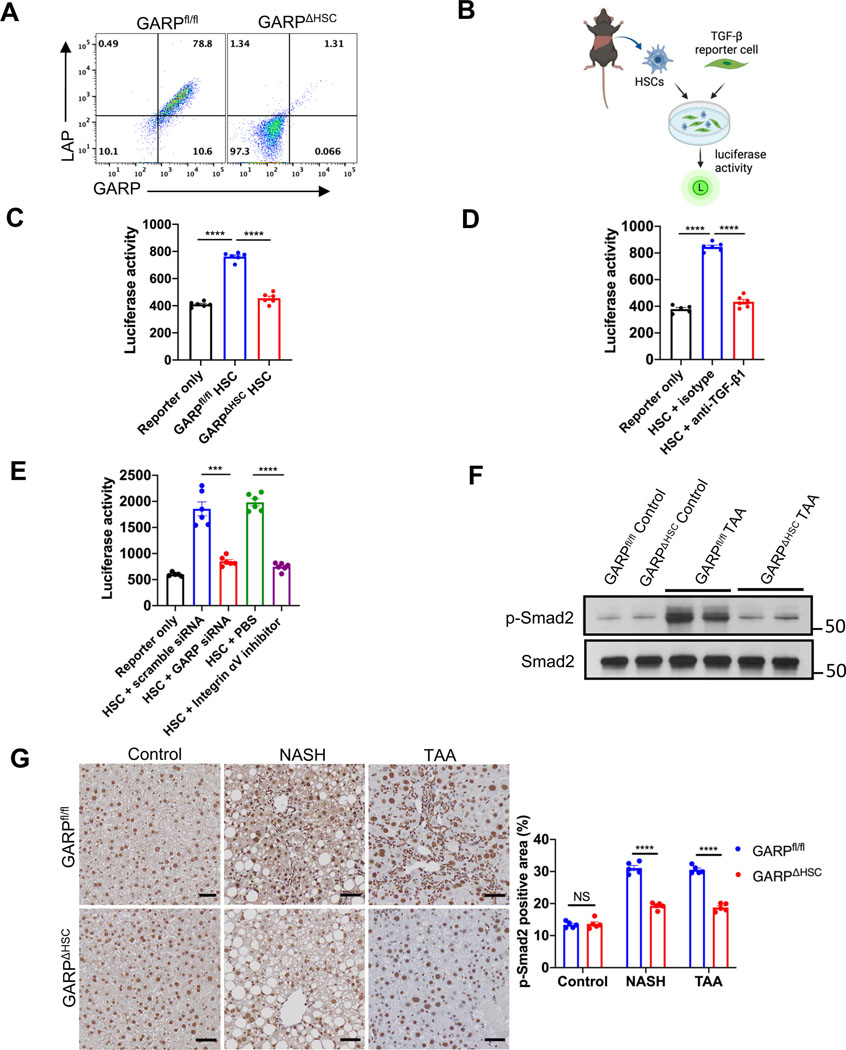
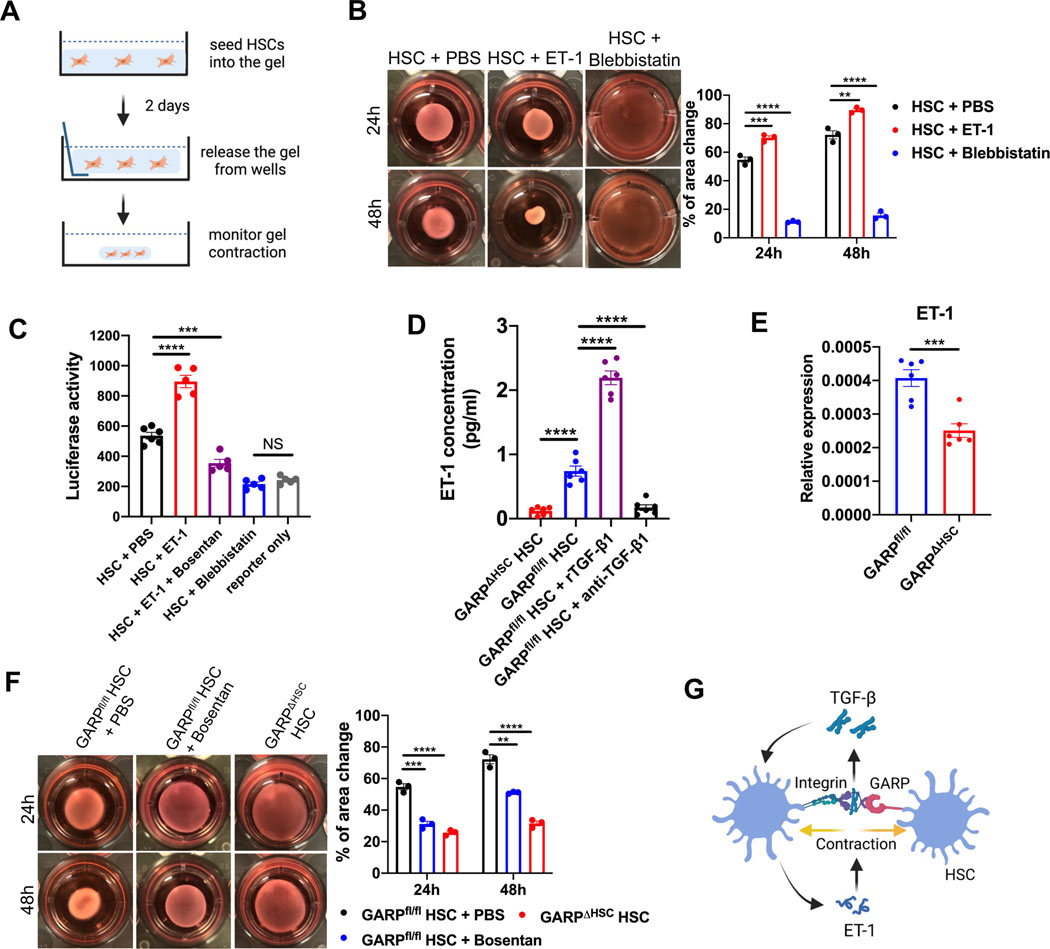
The function of GARP on HSCs was explored in toxin-induced and metabolic liver fibrosis models, using conditional GARP-deficient mice or a newly generated inducible system for HSC-specific gene ablation. Primary mouse and human HSCs were isolated to evaluate the contribution of GARP to the activation of latent TGF-β. Moreover, cell contraction of HSCs in the context of TGF-β activation was tested in a GARP-dependent fashion.
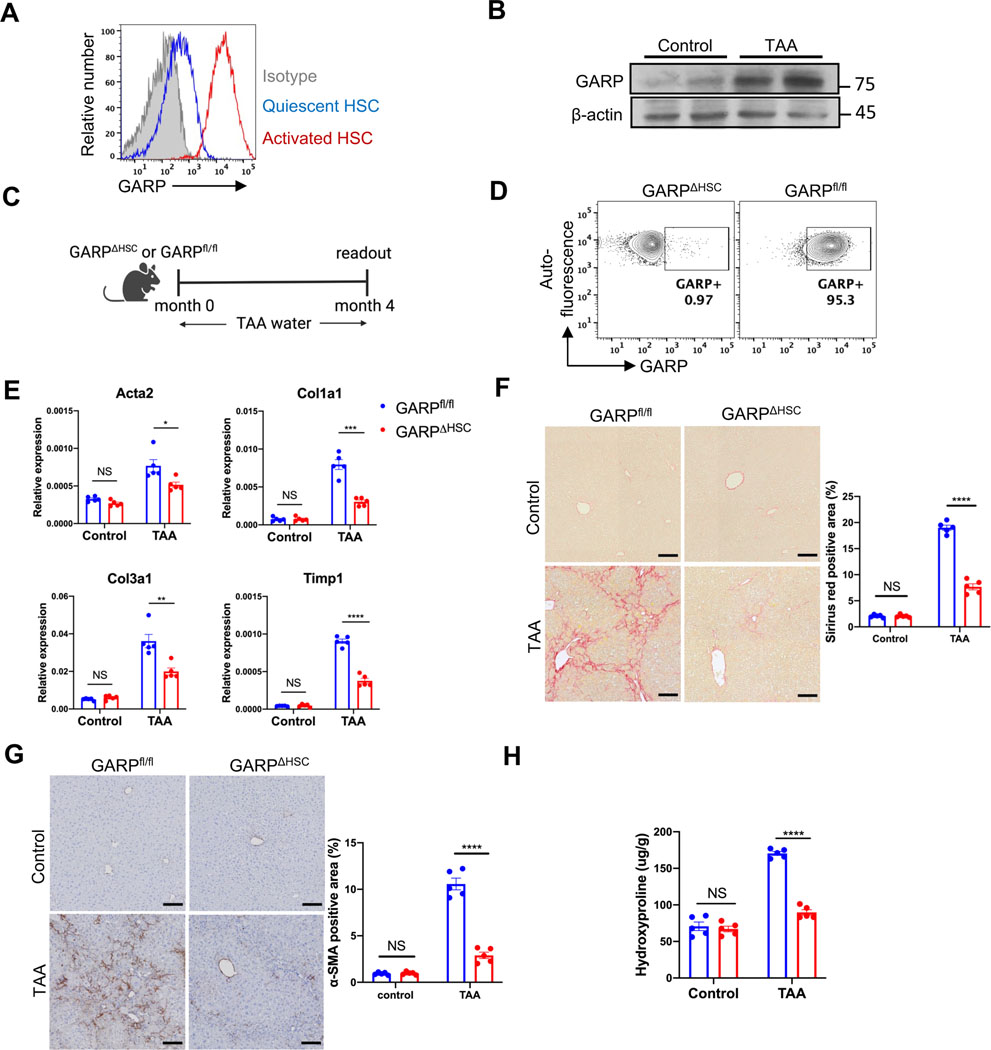
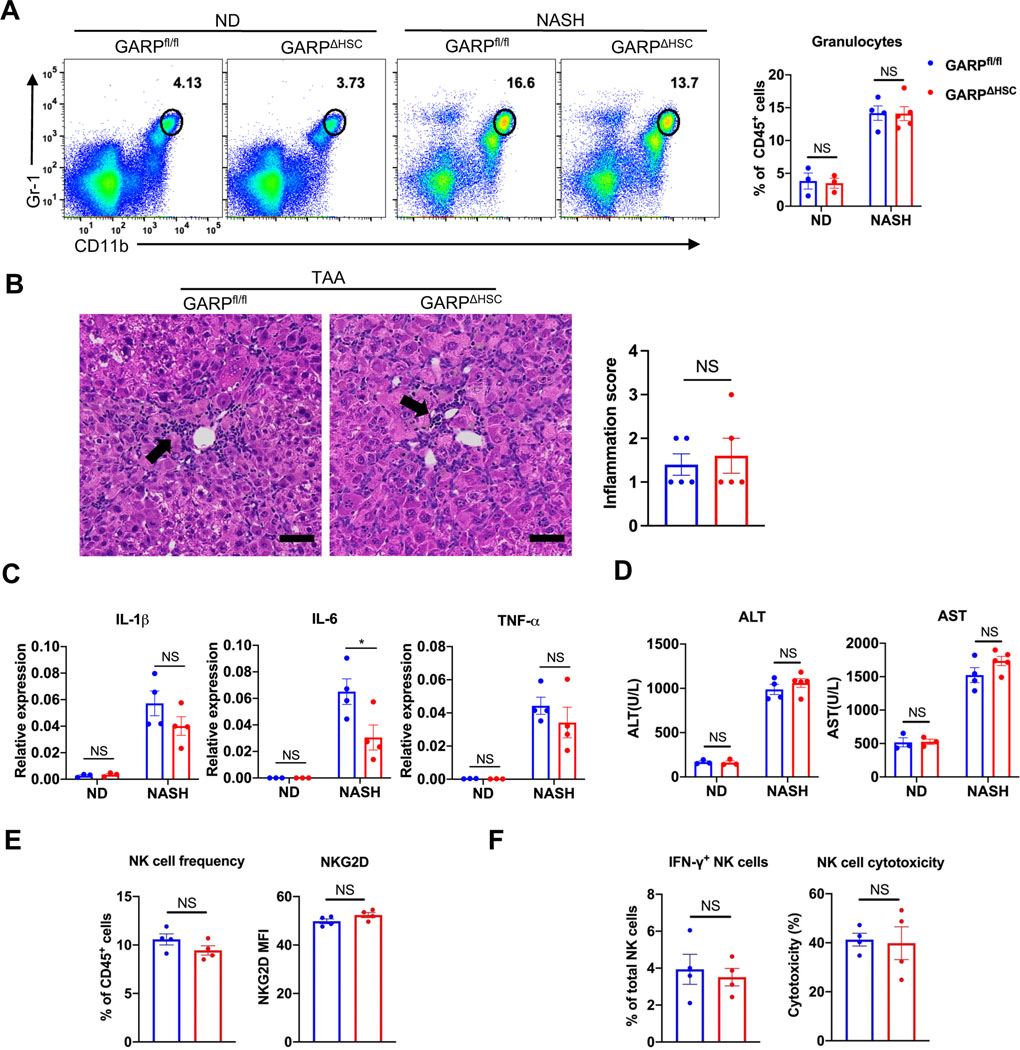
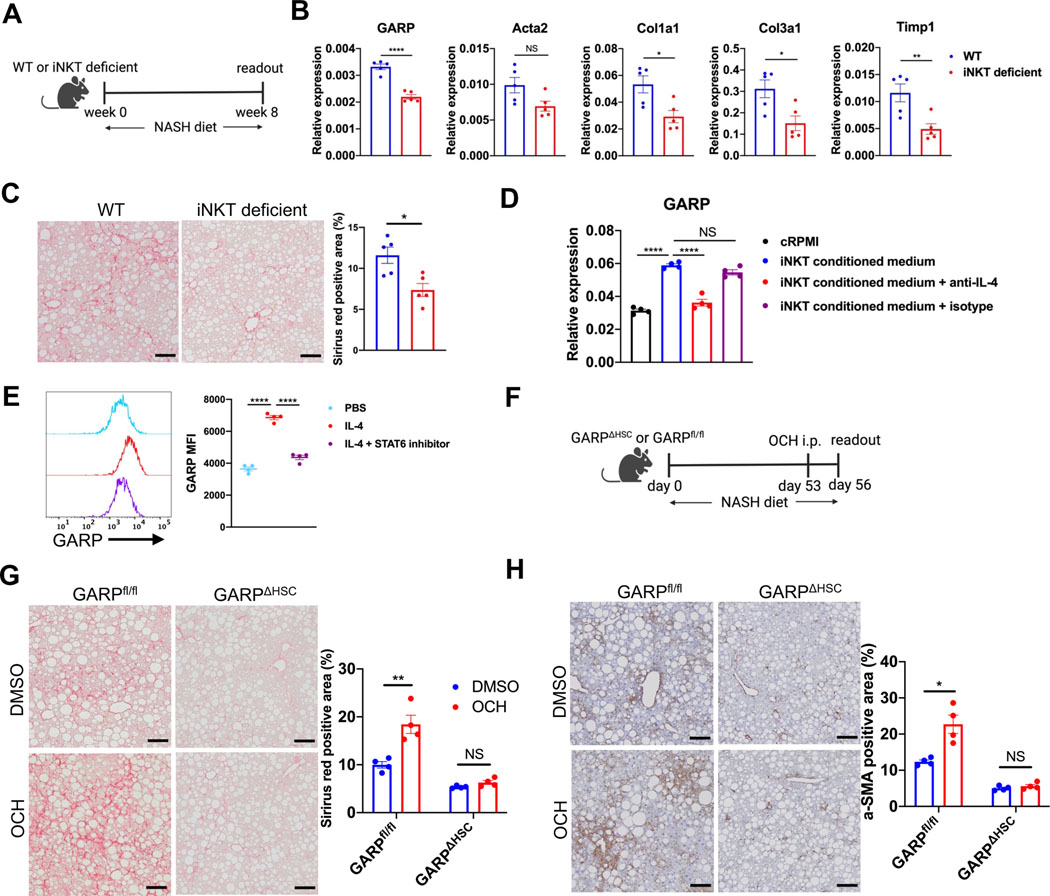
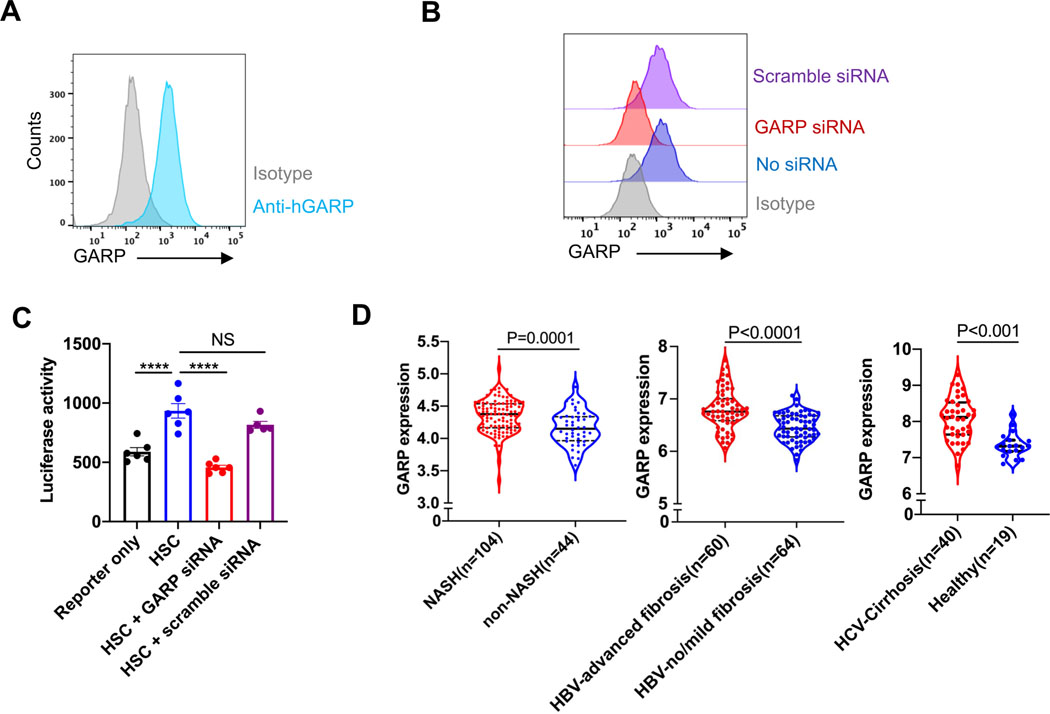
Mice lacking GARP in HSCs were protected from developing liver fibrosis. Therapeutically deleting GARP on HSCs alleviated the fibrotic process in established disease. Furthermore, natural killer T cells exacerbated hepatic fibrosis by inducing GARP expression on HSCs through IL-4 production. Mechanistically, GARP facilitated fibrogenesis by activating TGF-β and enhancing endothelin-1-mediated HSC contraction. Functional GARP was expressed on human HSCs and significantly upregulated in the livers of patients with fibrosis. Lastly, deletion of GARP on HSCs did not augment inflammation or liver damage.
GARP expressed on HSCs drives the development of liver fibrosis via cell contraction-mediated activation of latent TGF-β. Considering that systemic blockade of TGF-β has major side effects, we highlight a therapeutic niche provided by GARP and surface-mediated TGF-β activation. Thus, our findings suggest an important role of GARP on HSCs as a promising target for the treatment of liver fibrosis.
Liver fibrosis represents a substantial and increasing public health burden globally, for which specific treatments are not available. Glycoprotein A repetitions predominant (GARP) is a membrane protein that functions as a latent TGF-β docking molecule. Here, we show that GARP expressed on hepatic stellate cells drives the development of liver fibrosis. Our findings suggest GARP as a novel target for the treatment of fibrotic disease.
糖蛋白 A 重复为主(GARP)是一种膜蛋白,作为潜伏 TGF-β 的对接分子发挥作用。虽然已经研究了 GARP 对血细胞的免疫调节特性,但 GARP 对组织基质细胞的功能仍不清楚。在这里,我们研究了肝星状细胞(HSCs)上表达的 GARP 在肝纤维化发展中的作用。
在毒素诱导和代谢性肝纤维化模型中,使用条件性 GARP 缺陷小鼠或新建立的 HSC 特异性基因敲除诱导系统,探讨 GARP 对 HSCs 的作用。分离原代小鼠和人 HSCs,以评估 GARP 对潜伏 TGF-β激活的贡献。此外,以 GARP 依赖性方式测试 TGF-β 激活时 HSCs 的细胞收缩。
缺乏 HSCs 中 GARP 的小鼠可免受肝纤维化的发展。在已建立的疾病中,对 HSCs 进行 GARP 治疗性敲除可缓解纤维化过程。此外,自然杀伤 T 细胞通过产生白细胞介素 4 诱导 HSCs 中 GARP 的表达,加剧了肝纤维化。从机制上讲,GARP 通过激活 TGF-β和增强内皮素-1 介导的 HSC 收缩促进纤维化。功能性 GARP 在人 HSCs 上表达,并在纤维化患者的肝脏中显著上调。最后,HSCs 中 GARP 的缺失并未加重炎症或肝损伤。
HSCs 上表达的 GARP 通过细胞收缩介导的潜伏 TGF-β激活来驱动肝纤维化的发展。鉴于全身阻断 TGF-β 具有主要的副作用,我们突出了 GARP 和表面介导的 TGF-β激活提供的治疗空间。因此,我们的发现表明 HSCs 上的 GARP 作为治疗肝纤维化的有前途的靶标具有重要作用。
肝纤维化是全球一个重大且日益增加的公共卫生负担,但目前尚无特定的治疗方法。糖蛋白 A 重复为主(GARP)是一种膜蛋白,作为潜伏 TGF-β 的对接分子发挥作用。在这里,我们表明肝星状细胞上表达的 GARP 驱动肝纤维化的发展。我们的发现表明 GARP 是治疗纤维性疾病的新靶标。