Jia GaoZhen, Wu WenBo, Chen Lei, Yu Yang, Tang QiLin, Liu HaiTao, Jiang Qi, Han BangMin
Department of Urology, Shanghai General Hospital (Shanghai Peoples Hospital 1), Shanghai JiaoTong University School of Medicine, Shanghai, 200080, China.
Discov Oncol. 2023 Jun 23;14(1):107. doi: 10.1007/s12672-023-00715-1.
Prostate cancer (PC) is the most common cancer in older men in Europe and the United States and has the second highest death rate among male cancers. The transcription of heat shock proteins by Heat shock factor 1 (HSF1) is known to regulate cell growth and stress. Nevertheless, the impact of HSF1 on ferroptosis in PC through heat shock protein 10 (HSPE1) remains unexplored.
This study employed a range of analytical techniques, including proteomics sequencing, LC-MS/MS, CHIP-qPCR, Western blotting, immunohisto -chemistry, JC-1, CKK-8, MDA, and ROS assays. Bioinformatics analysis was performed using the UALCAN,GEPIA, PCaDB and Metascape platforms.
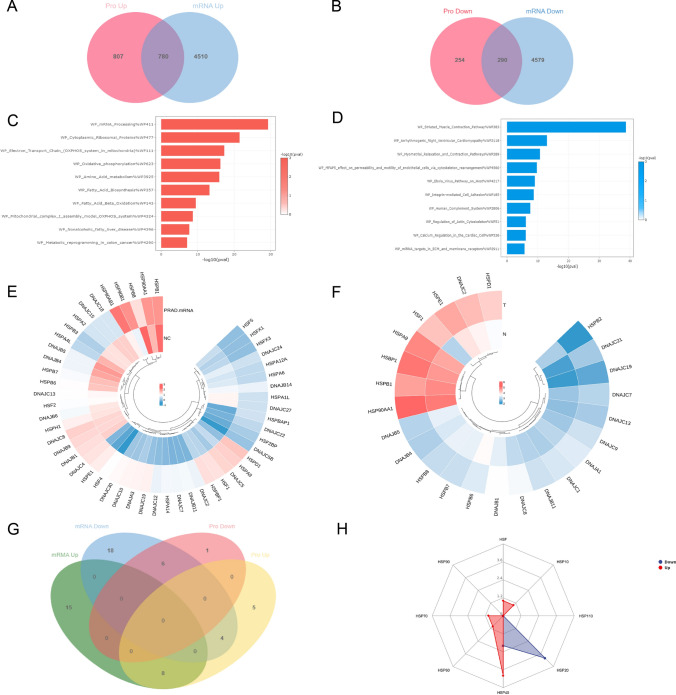
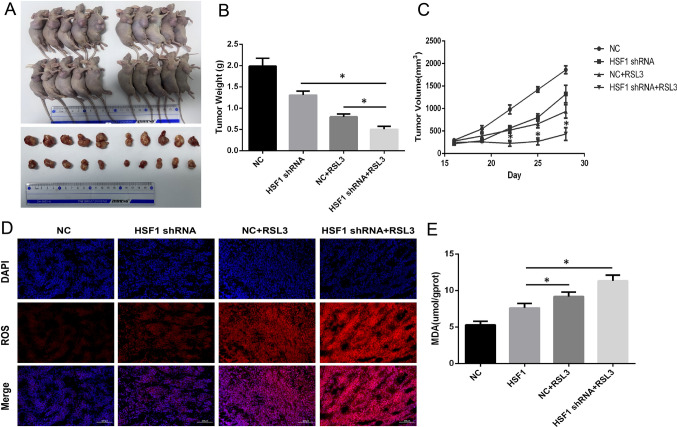
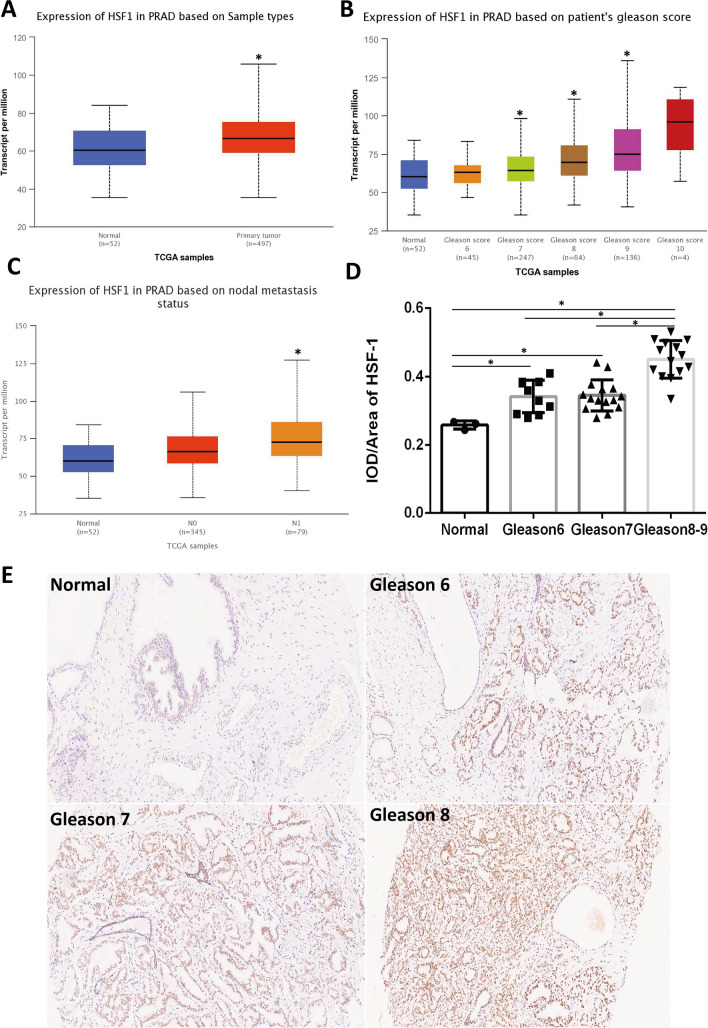
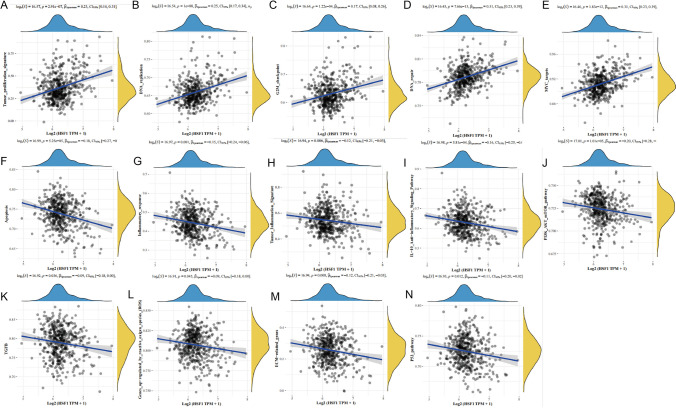
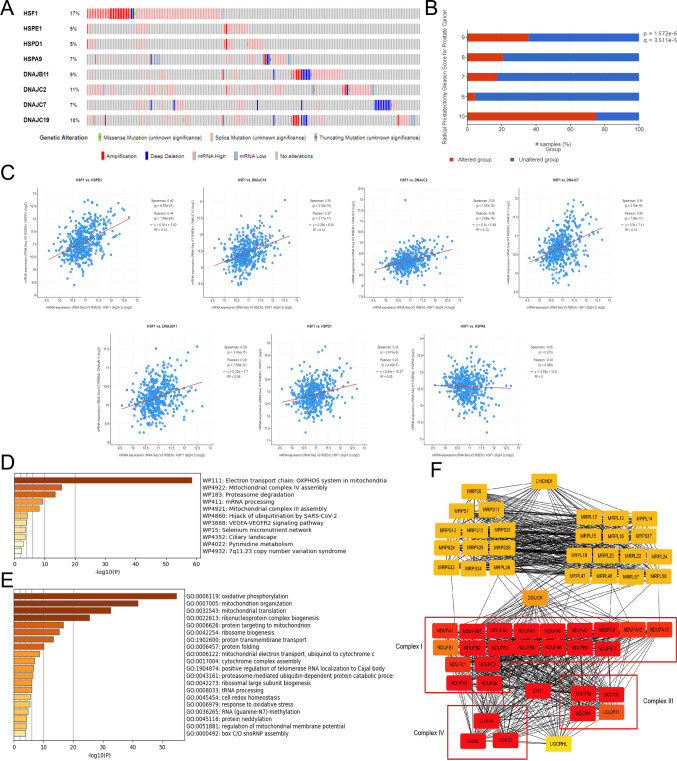
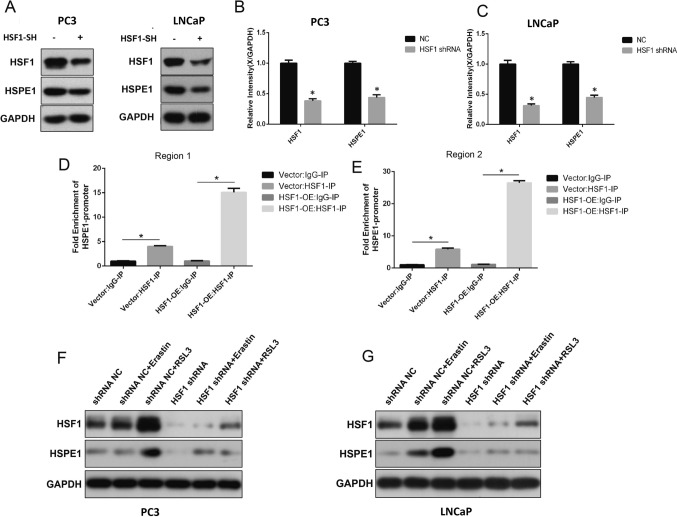
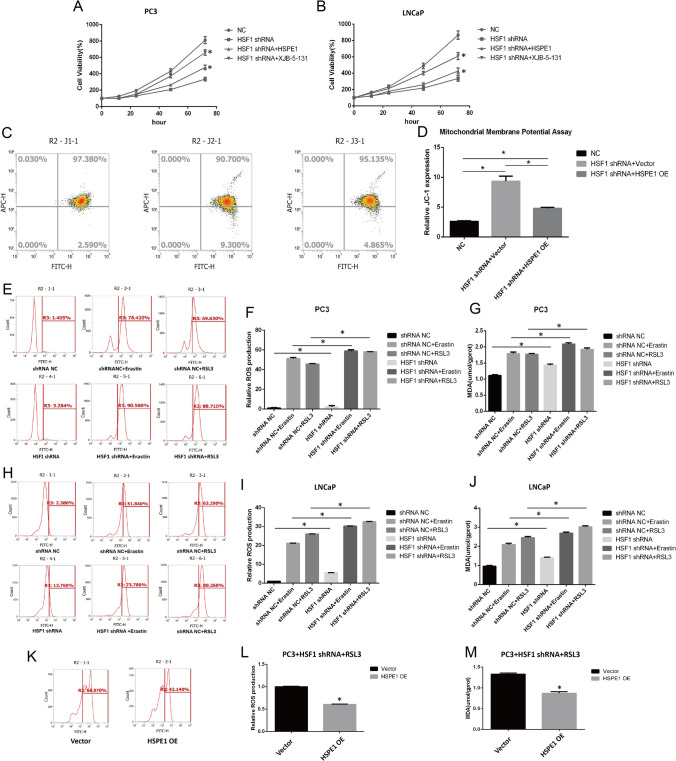
Compared with levels observed in tumor-adjacent tissue, the levels of proteins associated with fatty acids, amino acids and the oxidative phosphorylation metabolic pathway were significantly upregulated in high-risk PC tissue (Gleason score ≥ 8). HSF1 mRNA and protein levels in high-risk PC tissues were significantly higher than those observed in medium-risk PC (Gleason score = 7) and low-risk PC (Gleason score ≤ 6) tissues. ssGSEA showed that HSF1 was involved in the proliferation and anti-apoptotic processes of PC. Further bioinformatics analysis showed that HSF1 potentially affects the mitochondrial oxidative phosphorylation (OXPHOS) system by targeting HSPE1. In addition, HSF1 alleviates ROS and MDA levels to enhance the resistance of prostate cancer cells to ferroptosis by regulating HSPE1 in vitro, and HSF1 knockout promotes the susceptibility of PC to RSL3 treatment by increasing ferroptosis in vivo.
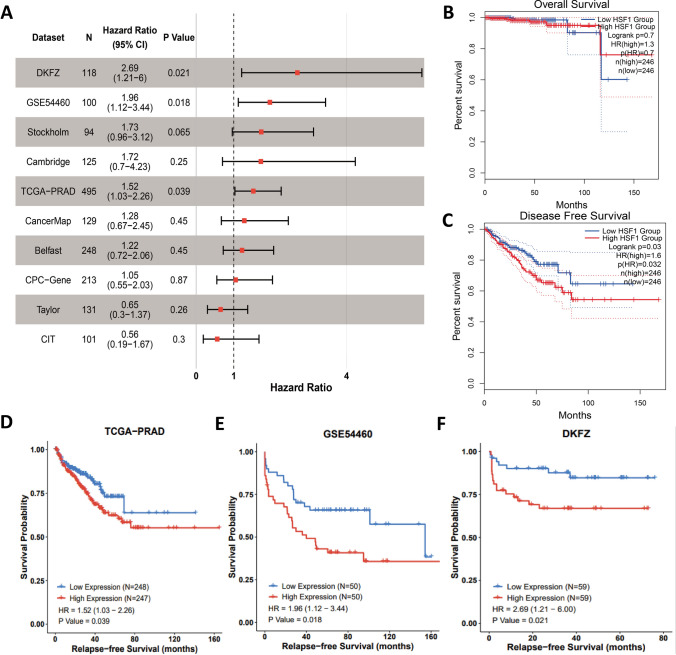
Collectively, our findings suggest that HSF1 exerts a significant influence on PC. HSF1 may represent a promising biomarker for identifying high-risk PC, and the elimination of HSF1 could potentially enhance the therapeutic effectiveness of RSL3.
前列腺癌(PC)是欧美老年男性中最常见的癌症,在男性癌症中死亡率排名第二。已知热休克因子1(HSF1)对热休克蛋白的转录可调节细胞生长和应激。然而,HSF1通过热休克蛋白10(HSPE1)对PC中铁死亡的影响仍未得到探索。
本研究采用了一系列分析技术,包括蛋白质组学测序、液相色谱-串联质谱、染色质免疫沉淀-定量聚合酶链反应、蛋白质免疫印迹、免疫组化、JC-1、细胞计数试剂盒-8、丙二醛和活性氧检测。使用UALCAN、GEPIA、PCaDB和Metascape平台进行生物信息学分析。
与肿瘤邻近组织相比,高危PC组织(Gleason评分≥8)中与脂肪酸、氨基酸和氧化磷酸化代谢途径相关的蛋白质水平显著上调。高危PC组织中HSF1的mRNA和蛋白质水平显著高于中危PC(Gleason评分为7)和低危PC(Gleason评分≤6)组织。单样本基因集富集分析表明HSF1参与了PC的增殖和抗凋亡过程。进一步的生物信息学分析表明,HSF1可能通过靶向HSPE1影响线粒体氧化磷酸化(OXPHOS)系统。此外,在体外,HSF1通过调节HSPE1降低活性氧和丙二醛水平,增强前列腺癌细胞对铁死亡的抗性,而在体内,HSF1基因敲除通过增加铁死亡促进PC对RSL3治疗的敏感性。
总体而言,我们的研究结果表明HSF1对PC有显著影响。HSF1可能是识别高危PC的一个有前景的生物标志物,消除HSF1可能会提高RSL3的治疗效果。