National Systematics Laboratory, Office of Science and Technology, NOAA Fisheries, Washington, D.C., 20560, USA.
Department of Vertebrate Zoology, National Museum of Natural History, Smithsonian Institution, Washington, D.C., 20560, USA.
Sci Data. 2023 Jun 24;10(1):411. doi: 10.1038/s41597-023-02306-9.
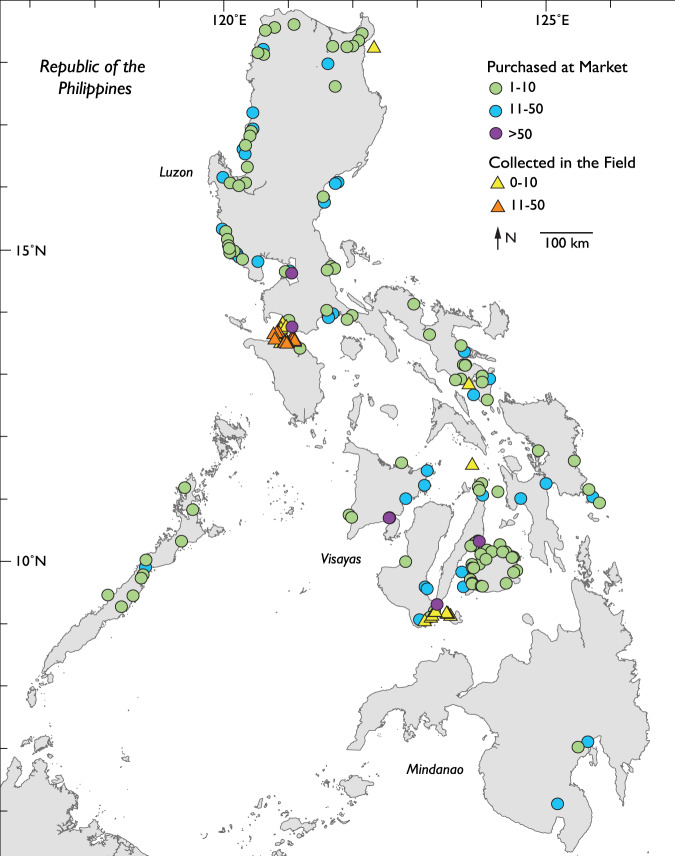
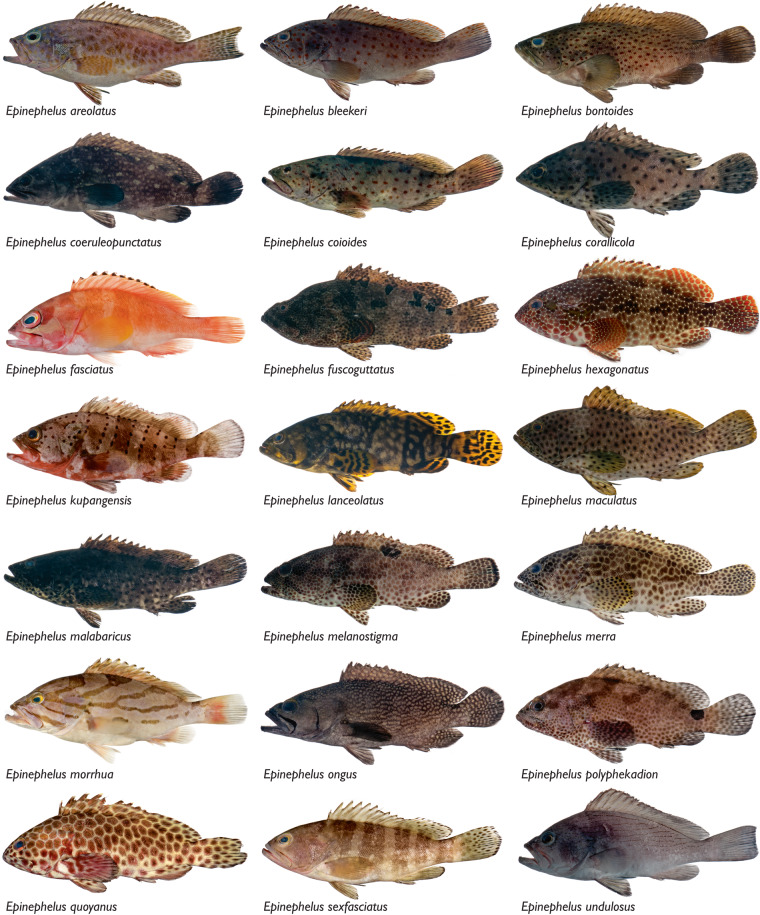
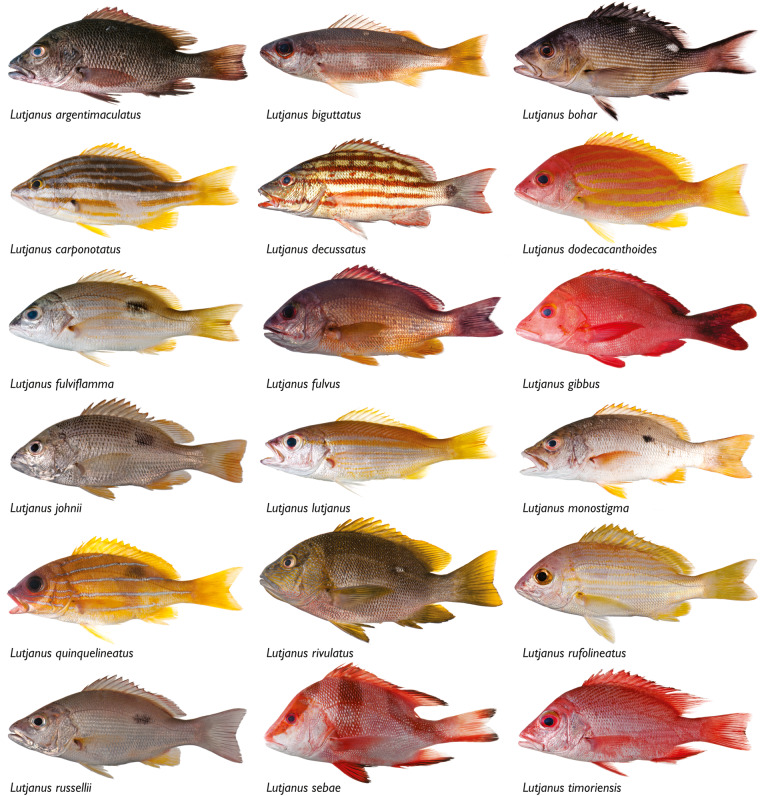
Accurate identification of fishes is essential for understanding their biology and to ensure food safety for consumers. DNA barcoding is an important tool because it can verify identifications of both whole and processed fishes that have had key morphological characters removed (e.g., filets, fish meal); however, DNA reference libraries are incomplete, and public repositories for sequence data contain incorrectly identified sequences. During a nine-year sampling program in the Philippines, a global biodiversity hotspot for marine fishes, we developed a verified reference library of cytochrome c oxidase subunit I (COI) sequences for 2,525 specimens representing 984 species. Specimens were primarily purchased from markets, with additional diversity collected using rotenone or fishing gear. Species identifications were verified based on taxonomic, phenotypic, and genotypic data, and sequences are associated with voucher specimens, live-color photographs, and genetic samples catalogued at Smithsonian Institution, National Museum of Natural History. The Biodiversity of Philippine Marine Fishes dataset is released herein to increase knowledge of species diversity and distributions and to facilitate accurate identification of market fishes.
准确识别鱼类对于了解其生物学特性以及确保消费者的食品安全至关重要。DNA 条码技术是一种重要的工具,因为它可以验证已去除关键形态特征(例如鱼片、鱼粉)的完整鱼类和加工鱼类的身份;然而,DNA 参考文库并不完整,并且序列数据的公共存储库中包含错误识别的序列。在菲律宾进行的为期九年的海洋鱼类全球生物多样性热点地区采样计划中,我们为代表 984 个物种的 2525 个标本开发了一个经过验证的细胞色素 c 氧化酶亚基 I(COI)序列参考文库。标本主要从市场购买,使用鱼藤酮或渔具收集更多的多样性。根据分类学、表型和基因型数据验证物种鉴定,并将序列与凭证标本、活色照片和保存在史密森学会、国家自然历史博物馆的遗传样本相关联。本文发布了菲律宾海洋鱼类多样性数据集,以增加对物种多样性和分布的了解,并促进市场鱼类的准确识别。