Non-Communicable Diseases Research Center, Endocrinology and Metabolism Population Sciences Institute, Tehran University of Medical Sciences, Tehran, Iran.
Department of Internal Medicine, Yale School of Medicine, New Haven, CT, USA.
Sci Rep. 2023 Jun 24;13(1):10272. doi: 10.1038/s41598-023-37299-3.
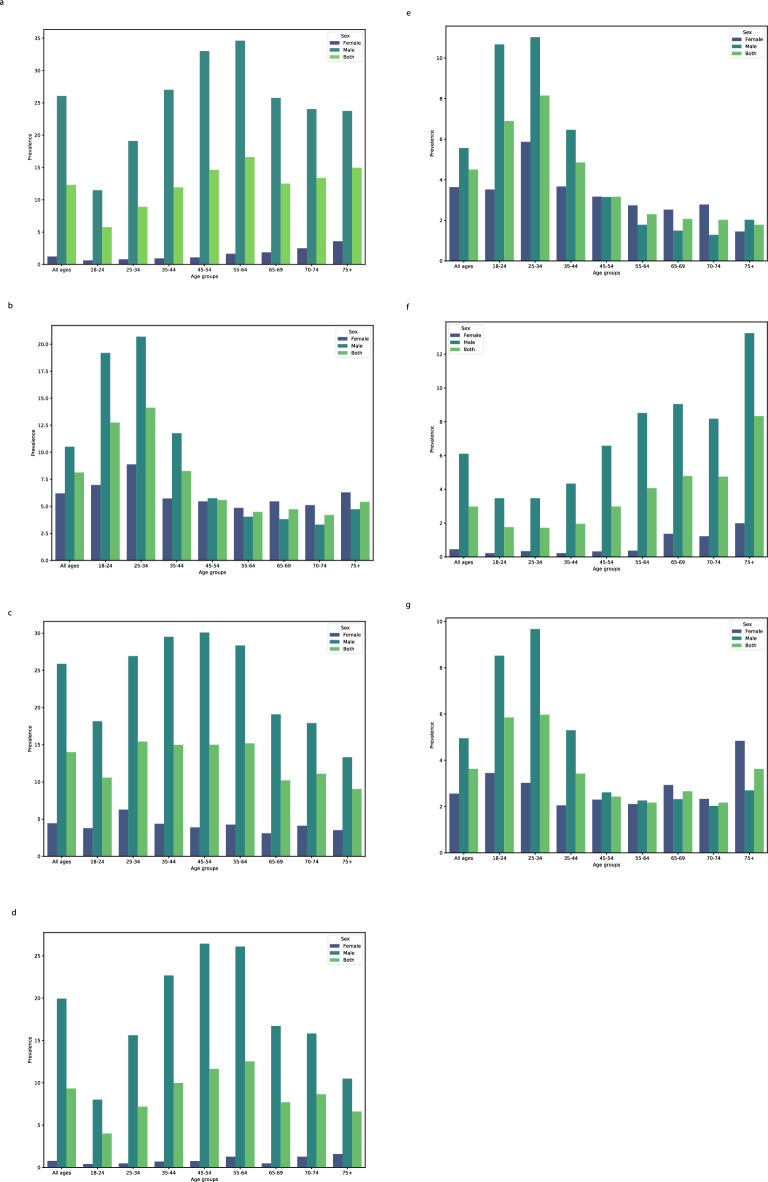
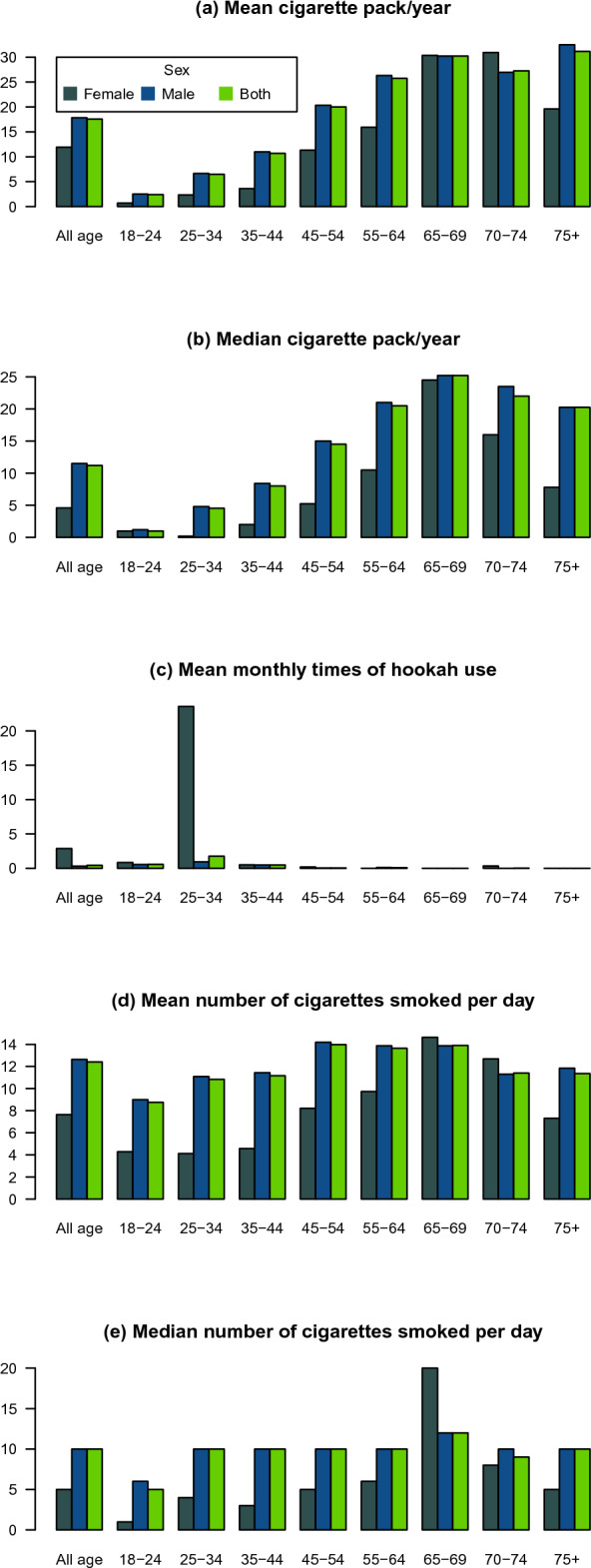
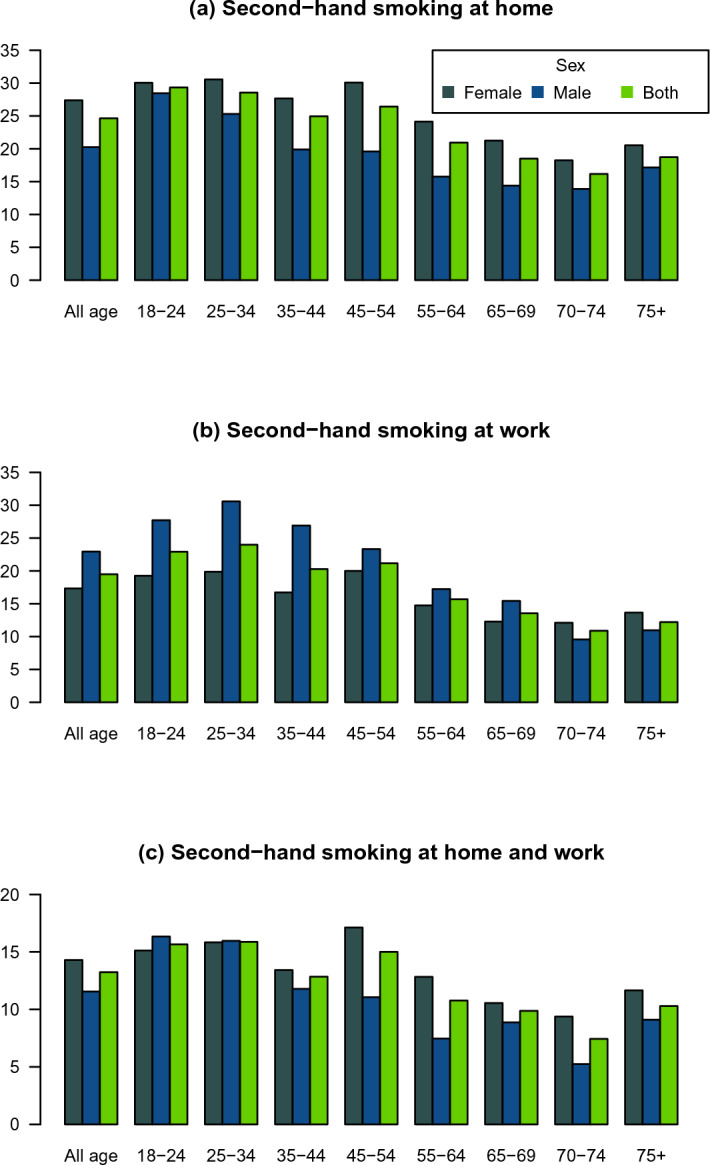
Smoking is recognised as a critical public health priority due to its enormous health and economic consequences. Constant monitoring of the effectiveness of tobacco control programs calls for timely population-based data. This study reports the national and sub-national patterns in tobacco consumption among Iranian adults based on the results from the STEPwise approach to chronic disease risk factor surveillance (STEPS) survey 2021. This study was performed through an analysis of the results of the STEPS survey 2021 which had been conducted as a nationally representative cross-sectional study. Participants included Iranian adults aged ≥ 18 years in all provinces of Iran, who were selected via multistage cluster sampling method. Data were analyzed via survey analysis while considering population weights. The total number of participants was 27,874, including 15,395 (55.23%) women and 12,479 (44.77%) men. The all-ages prevalence of current tobacco smoking was 14.01% overall, 4.44% among women, and 25.88% among men. The all-ages prevalence of current cigarette smoking was 9.33% overall, 0.77% among women, and 19.95% among men. The all-ages prevalence of current hookah smoking was 4.5% overall, 3.64% among women, and 5.56% among men. The mean (SD) number of cigarettes smoked per day was 12.41 (10.27) overall, 7.65 (8.09) among women, and 12.64 (10.31) among men. The mean (SD) monthly times of hookah use was 0.42 (7.87) overall, 2.86 (23.46) among women, and 0.3 (6.2) among men. The national all-ages prevalence of second-hand smoking at home was 24.64% overall, 27.38% among women, and 20.26% among men. The national all-ages prevalence of second-hand smoking at work was 19.49% overall, 17.33% among women, and 22.94% among men. The tobacco consumption in Iran remains alarmingly high, indicating the current tobacco control policy implementation level is ineffective and insufficient. This calls for adopting, implementing, and enforcing comprehensive packages of evidence-based tobacco control policies.
由于吸烟对健康和经济造成了巨大影响,因此它被视为一项关键的公共卫生重点。为了不断监测烟草控制计划的有效性,需要及时获得基于人群的数据。本研究根据 2021 年 STEP 式慢性病危险因素监测(STEPS)调查的结果,报告了伊朗成年人的全国和次国家烟草消费模式。这项研究是通过对 2021 年 STEPS 调查结果进行分析得出的,该调查是一项全国代表性的横断面研究。研究对象包括伊朗所有省份年龄≥18 岁的成年人,他们通过多阶段聚类抽样方法选择。数据通过考虑人口权重的调查分析进行分析。参与者总数为 27874 人,其中包括 15395 名(55.23%)女性和 12479 名(44.77%)男性。总体而言,所有年龄段的当前吸烟率为 14.01%,女性为 4.44%,男性为 25.88%。总体而言,所有年龄段的当前香烟吸烟率为 9.33%,女性为 0.77%,男性为 19.95%。总体而言,所有年龄段的当前水烟吸烟率为 4.5%,女性为 3.64%,男性为 5.56%。每天平均(SD)吸烟量为 12.41(10.27),女性为 7.65(8.09),男性为 12.64(10.31)。每月平均(SD)水烟使用次数为 0.42(7.87),女性为 2.86(23.46),男性为 0.3(6.2)。全国所有年龄段的家庭二手烟暴露率为 24.64%,女性为 27.38%,男性为 20.26%。全国所有年龄段的工作场所二手烟暴露率为 19.49%,女性为 17.33%,男性为 22.94%。伊朗的烟草消费仍然令人震惊地高,这表明当前的烟草控制政策实施水平无效且不足。这需要采取、实施和执行全面的基于证据的烟草控制政策。