Opara Manca, Kozinc Žiga
Faculty of Health Sciences, University of Primorska, Polje 42, SI-6310 Izola, Slovenia.
Andrej Marušič Institute, University of Primorska, Muzejski trg 2, SI-6000 Koper, Slovenia.
J Funct Morphol Kinesiol. 2023 Jun 4;8(2):74. doi: 10.3390/jfmk8020074.
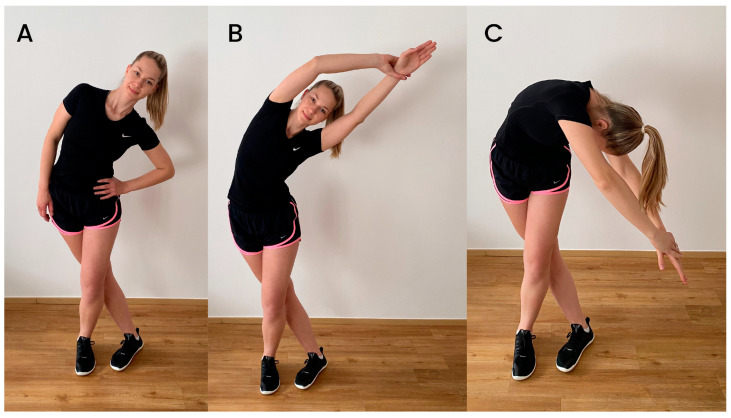
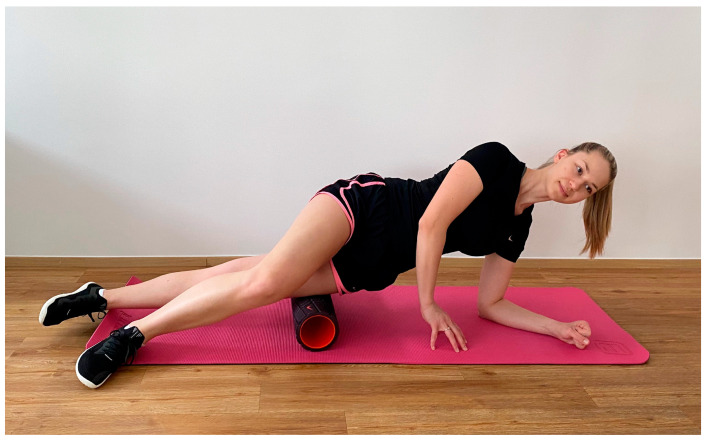
Iliotibial band syndrome (ITBS) is one of the most common overuse syndromes causing knee pain; it is especially prevalent in runners and also common in cyclists, rowers, and field athletes, with occasional cases occurring in non-athletes too. ITBS symptoms can negatively affect not only knee function, but also mental and physical aspects of health-related quality of life. Although various conservative treatment options have been investigated and discussed, there is still no consensus on a standard of care for ITBS. Moreover, the literature on the etiology and risk factors of ITBS, which could help in selecting appropriate treatment methods, is conflicting and inconclusive. The role of individual treatment modalities such as stretching and releasing techniques has not been extensively studied and remains unclear. In this article, we will critically review the available evidence for the benefits of ITB stretching and "release" methods in the treatment of ITBS. In addition to the direct evidence (clinical studies examining the effects of ITB stretching and other methods that purportedly stretch or "release" the ITB), we present several additional lines of reasoning that discuss the rationale for ITB stretching/releasing in terms of the etiology of ITBS, the mechanical properties and behavior of the ITB, and the risk factors for ITBS development. We conclude that the current literature provides some evidence for the inclusion of stretching or other "release" methods in the early rehabilitation of ITBS. Long-term interventions typically include ITB stretching; however, it remains unclear to what extent stretching within a multimodal treatment actually contributes to resolving the symptoms. At the same time, there is no direct evidence to suggest that stretching and "release" methods have any negative effects.
髂胫束综合征(ITBS)是导致膝关节疼痛的最常见的过度使用综合征之一;它在跑步者中尤为普遍,在骑自行车的人、划船运动员和田径运动员中也很常见,非运动员中偶尔也会出现病例。ITBS症状不仅会对膝关节功能产生负面影响,还会对与健康相关的生活质量的心理和身体方面产生负面影响。尽管已经对各种保守治疗方法进行了研究和讨论,但对于ITBS的护理标准仍未达成共识。此外,关于ITBS病因和危险因素的文献相互矛盾且尚无定论,而这些文献有助于选择合适的治疗方法。诸如拉伸和松解技术等个体治疗方式的作用尚未得到广泛研究,仍不明确。在本文中,我们将批判性地回顾关于髂胫束拉伸和“松解”方法在治疗ITBS中的益处的现有证据。除了直接证据(研究髂胫束拉伸及其他据称可拉伸或“松解”髂胫束的方法效果的临床研究)之外,我们还提出了几条额外的推理思路,从ITBS的病因、髂胫束的力学特性和行为以及ITBS发生的危险因素等方面讨论髂胫束拉伸/松解的原理。我们得出结论,当前文献为在ITBS的早期康复中纳入拉伸或其他“松解”方法提供了一些证据。长期干预通常包括髂胫束拉伸;然而,在多模式治疗中拉伸在多大程度上实际有助于缓解症状仍不明确。同时,没有直接证据表明拉伸和“松解”方法有任何负面影响。