Surgery Branch, National Cancer Institute, 10 Center Drive, Bldg 10 CRC 3W-5952, Bethesda, MD, 20814, USA.
Department of Surgery, Morristown Medical Center, Morristown, NJ, USA.
Cancer Immunol Immunother. 2023 Oct;72(10):3149-3162. doi: 10.1007/s00262-023-03476-6. Epub 2023 Jun 27.
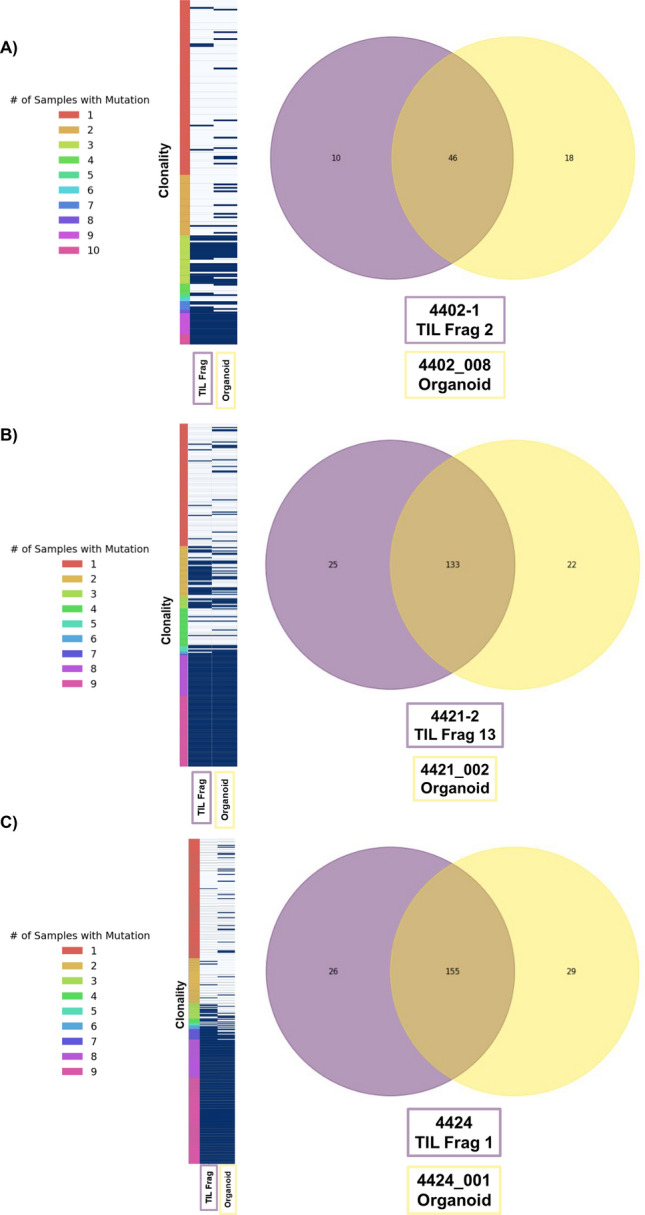
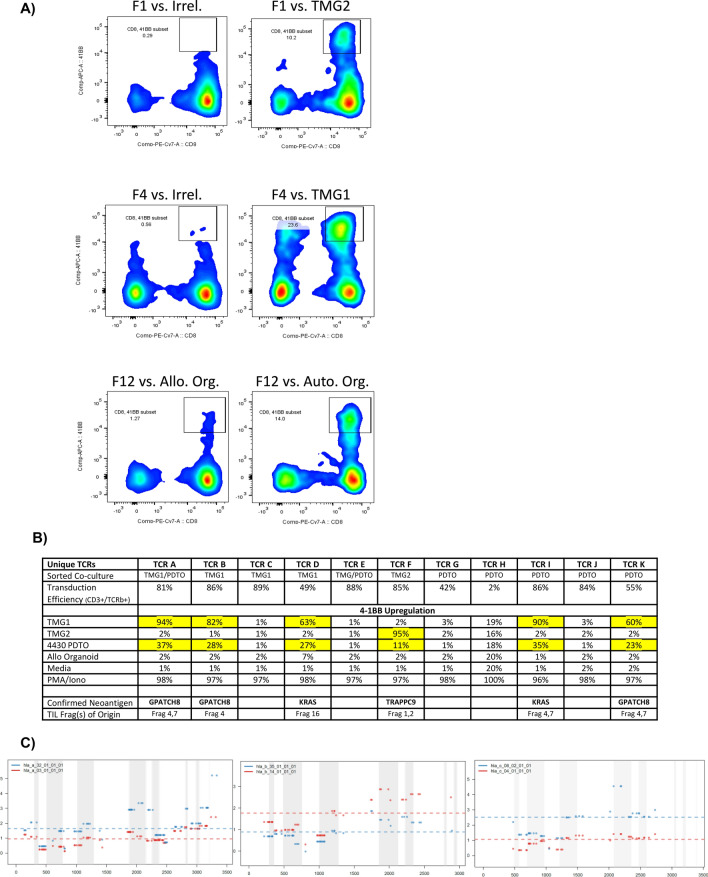
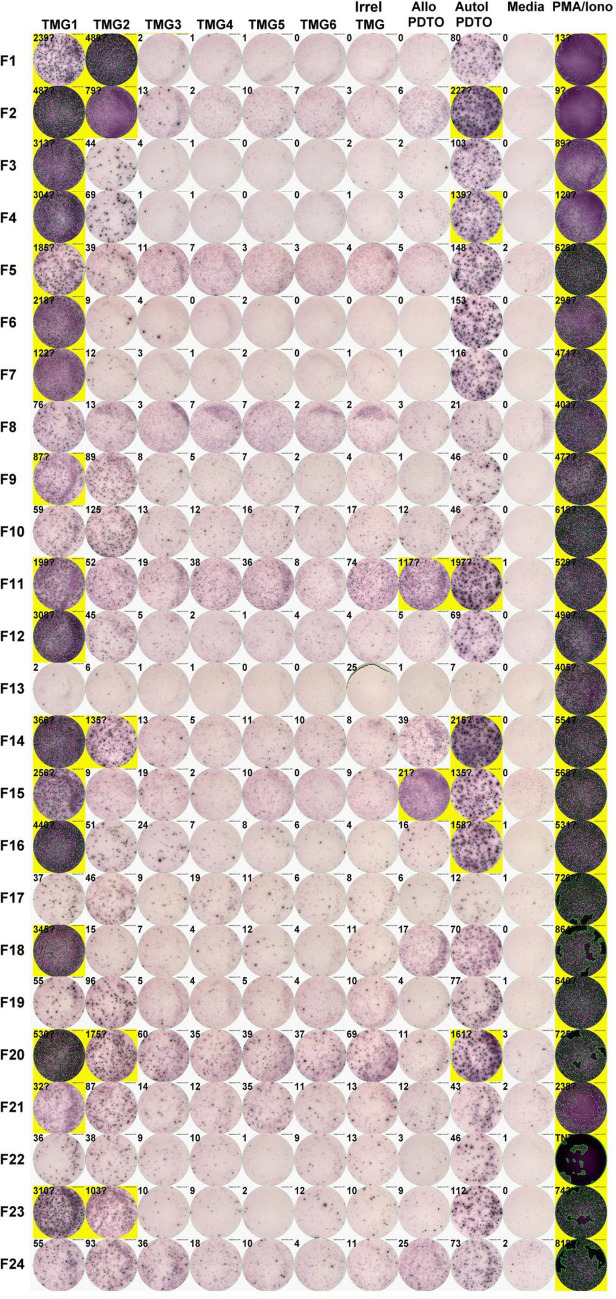
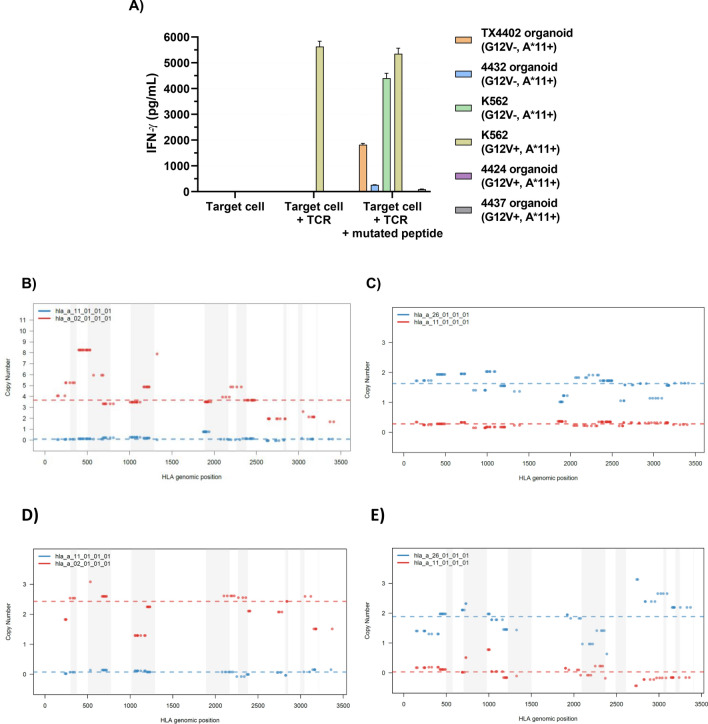
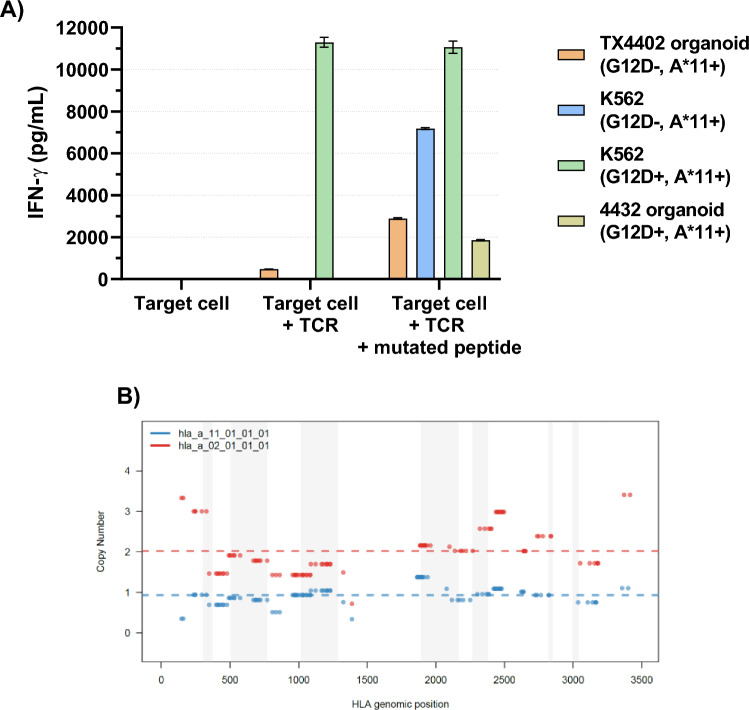
Adoptive cell transfer of tumor-infiltrating lymphocytes (TIL) can mediate durable complete responses in some patients with common epithelial cancers but does so infrequently. A better understanding of T-cell responses to neoantigens and tumor-related immune evasion mechanisms requires having the autologous tumor as a reagent. We investigated the ability of patient-derived tumor organoids (PDTO) to fulfill this need and evaluated their utility as a tool for selecting T-cells for adoptive cell therapy. PDTO established from metastases from patients with colorectal, breast, pancreatic, bile duct, esophageal, lung, and kidney cancers underwent whole exomic sequencing (WES), to define mutations. Organoids were then evaluated for recognition by autologous TIL or T-cells transduced with cloned T-cell receptors recognizing defined neoantigens. PDTO were also used to identify and clone TCRs from TIL targeting private neoantigens and define those tumor-specific targets. PDTO were successfully established in 38/47 attempts. 75% were available within 2 months, a timeframe compatible with screening TIL for clinical administration. These lines exhibited good genetic fidelity with their parental tumors, especially for mutations with higher clonality. Immunologic recognition assays demonstrated instances of HLA allelic loss not found by pan-HLA immunohistochemistry and in some cases WES of fresh tumor. PDTO could also be used to show differences between TCRs recognizing the same antigen and to find and clone TCRs recognizing private neoantigens. PDTO can detect tumor-specific defects blocking T-cell recognition and may have a role as a selection tool for TCRs and TIL used in adoptive cell therapy.
肿瘤浸润淋巴细胞(TIL)的过继细胞转移可以介导一些常见上皮癌患者的持久完全缓解,但这种情况很少发生。更好地了解 T 细胞对新抗原的反应和肿瘤相关免疫逃逸机制,需要将自体肿瘤作为试剂。我们研究了患者来源的肿瘤类器官(PDTO)是否能够满足这一需求,并评估了它们作为选择用于过继细胞治疗的 T 细胞的工具的效用。从结直肠癌、乳腺癌、胰腺癌、胆管癌、食管癌、肺癌和肾癌患者的转移灶中建立的 PDTO 进行了全外显子组测序(WES),以定义突变。然后评估类器官是否被自体 TIL 或转导了识别特定新抗原的克隆 T 细胞受体的 T 细胞识别。PDTO 还用于鉴定和克隆靶向私有新抗原的 TIL 中的 TCR,并定义那些肿瘤特异性靶标。在 47 次尝试中的 38 次成功建立了 PDTO。75%的 PDTO 在 2 个月内可用,这一时间框架与临床管理中 TIL 的筛选兼容。这些细胞系与其亲本肿瘤具有良好的遗传保真度,尤其是对于具有更高克隆性的突变。免疫识别测定显示了 HLA 等位基因丢失的实例,这些丢失的实例无法通过泛 HLA 免疫组织化学检测到,在某些情况下,WES 也无法检测到新鲜肿瘤。PDTO 还可用于显示识别同一抗原的 TCR 之间的差异,并找到和克隆识别私有新抗原的 TCR。PDTO 可以检测阻止 T 细胞识别的肿瘤特异性缺陷,并且可能在作为用于过继细胞治疗的 TCR 和 TIL 的选择工具方面发挥作用。