Al Farsi Rajaa Saleh, Al Alawi Abdullah M, Al Huraizi Aisha Ramadhan, Al-Saadi Taif, Al-Hamadani Noof, Al Zeedy Khalfan, Al-Maqbali Juhaina Salim
Oman Medical Specialty Board, Internal Medicine Residency Training Program, Muscat 130, Oman.
Department of Medicine, Sultan Qaboos University Hospital, Muscat 123, Oman.
J Clin Med. 2023 Jun 7;12(12):3897. doi: 10.3390/jcm12123897.
Delirium is a common neuropsychiatric syndrome in hospitalized elderly patients and is associated with poor clinical outcomes. We aimed to determine the prevalence, recognition, risk factors, and course of delirium among hospitalized elderly (65 years of age or older) patients at Sultan Qaboos University Hospital (SQUH).
A prospective cohort study included 327 elderly patients (65 years of age or older) admitted to the medical wards at SQUH. Patients were screened for delirium using the 3-Minute Diagnostic Confusion Assessment Method (3D-CAM). Additionally, medical records were reviewed to identify possible associated factors.
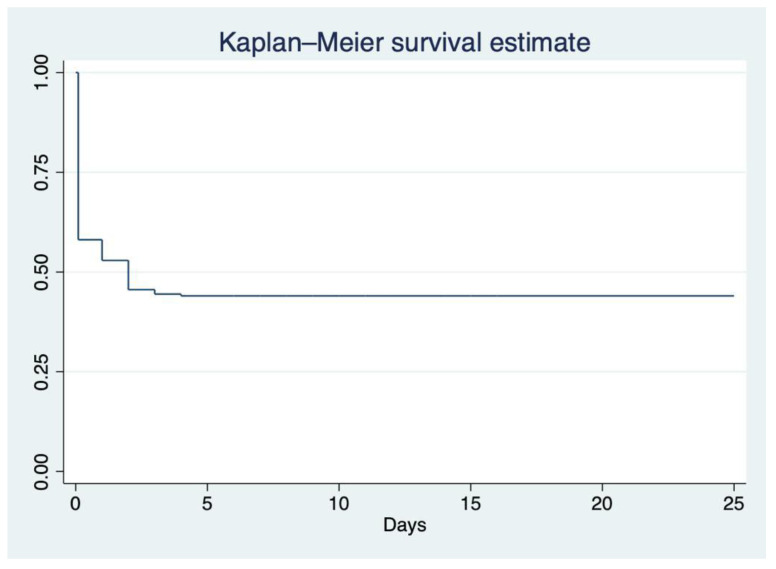
The prevalence of delirium was 55.4% (95% CI 49.9-60.7), and 35.4% of patients with delirium were not recognized by the treating team. Hypoactive delirium is the most common type of delirium. The logistic regression analyzes demonstrated that pre-existing cognitive impairment (OR = 4.0); poor functional status (OR = 1.9); the use of medications that are known to precipitate delirium (OR = 2.3); polypharmacy (OR = 5.7); urinary catheterization (OR = 2.2); dehydration (OR = 3.1); and electrolytes derangements (OR = 2.0) were independent risk factors for delirium. Furthermore, 56.9% of patients with delirium continued to have delirium upon discharge from the hospital.
Delirium is common among elderly patients hospitalized in general medical wards. Implementing effective preventive strategies for delirium during the hospital stay, including early recognition using standard sensitive and specific screening tools (i.e., 3D-CAM) and developing geriatric wards, is crucial.
谵妄是住院老年患者常见的神经精神综合征,与不良临床结局相关。我们旨在确定苏丹卡布斯大学医院(SQUH)住院老年(65岁及以上)患者中谵妄的患病率、识别情况、危险因素及病程。
一项前瞻性队列研究纳入了327名入住SQUH内科病房的老年患者(65岁及以上)。使用3分钟诊断性意识模糊评估法(3D-CAM)对患者进行谵妄筛查。此外,查阅病历以确定可能的相关因素。
谵妄患病率为55.4%(95%可信区间49.9 - 60.7),35.4%的谵妄患者未被治疗团队识别。活动减退型谵妄是最常见的谵妄类型。逻辑回归分析表明,既往存在认知障碍(比值比[OR]=4.0);功能状态差(OR = 1.9);使用已知可诱发谵妄的药物(OR = 2.3);多重用药(OR = 5.7);导尿(OR = 2.2);脱水(OR = 3.1);以及电解质紊乱(OR = 2.0)是谵妄的独立危险因素。此外,56.9%的谵妄患者出院时仍存在谵妄。
谵妄在综合内科病房住院的老年患者中很常见。在住院期间实施有效的谵妄预防策略至关重要,包括使用标准的敏感且特异的筛查工具(即3D-CAM)进行早期识别以及设立老年病房。