Kamal Mohamed, Bhatti Mominah, Stewart Warren Christopher, Johns Moira, Collins David, Shehabi Yahya, Thambiraj Solomon Rajesh, Arora Sumesh
Department of Intensive Care Medicine, Prince of Wales Hospital, Randwick, New South Wales, Australia.
Indian J Crit Care Med. 2023 Jun;27(6):386-391. doi: 10.5005/jp-journals-10071-24473.
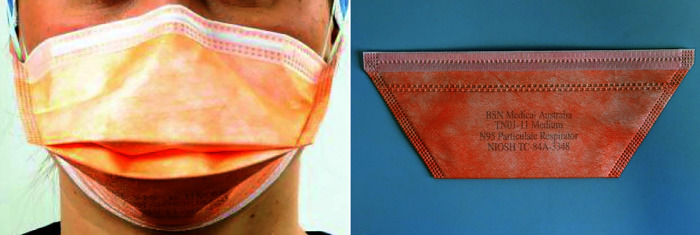
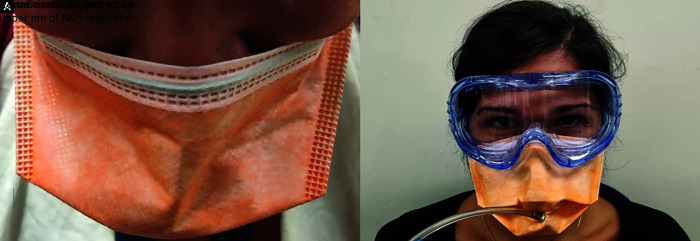
N95 respirators, together with eye protection, form vital elements of personal protective equipment (PPE) for healthcare workers (HCW) caring for patients with respiratory infections, such as COVID-19. Duckbill N95 respirators are widely used but have a high failure rate when Fit Tested. The commonest site for inward leaks is the region between the nose and maxilla. Safety goggles with an elastic headband may press the upper rim of the respirator against the face, thereby reducing inward leaks. We hypothesized that the use of safety goggles with an elastic headband will improve the overall fit-factor of a duckbill N95 respirator and increase the proportion of users who pass a quantitative Fit Test.
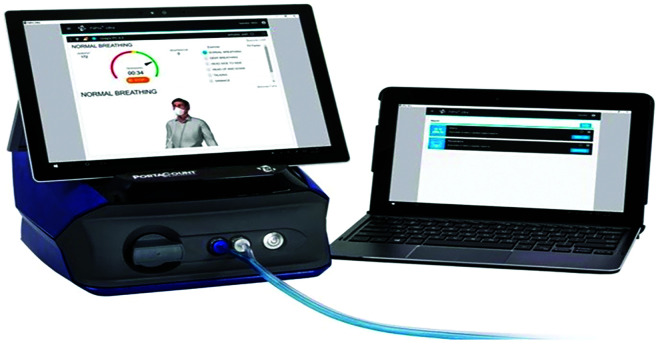
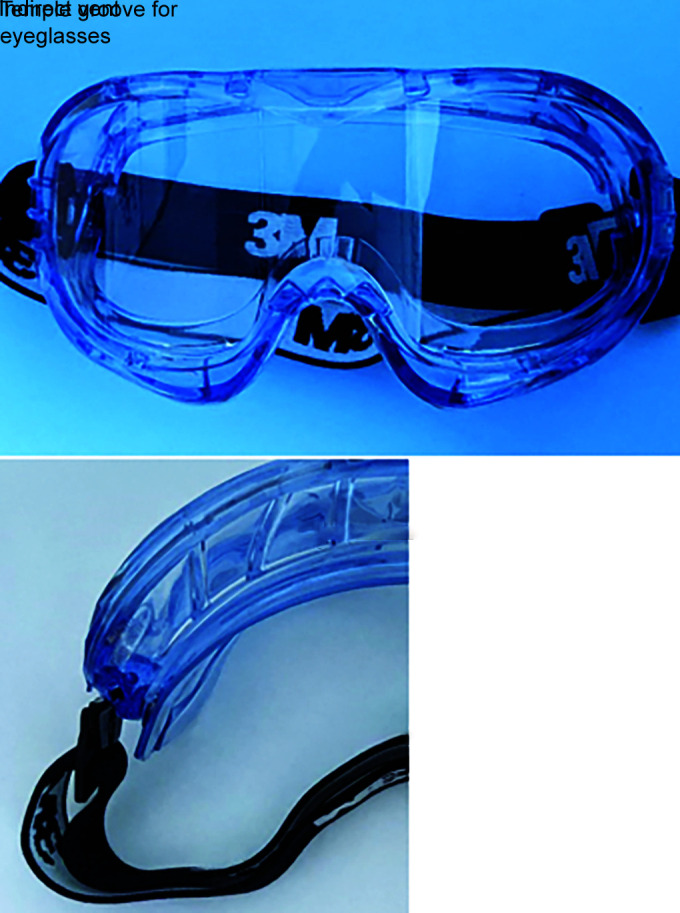
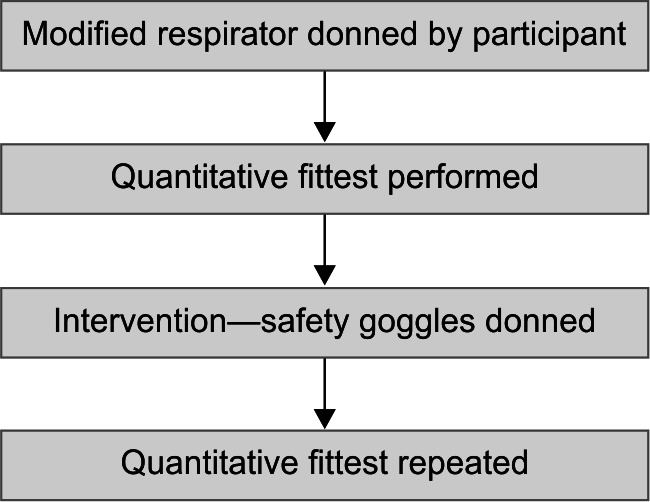
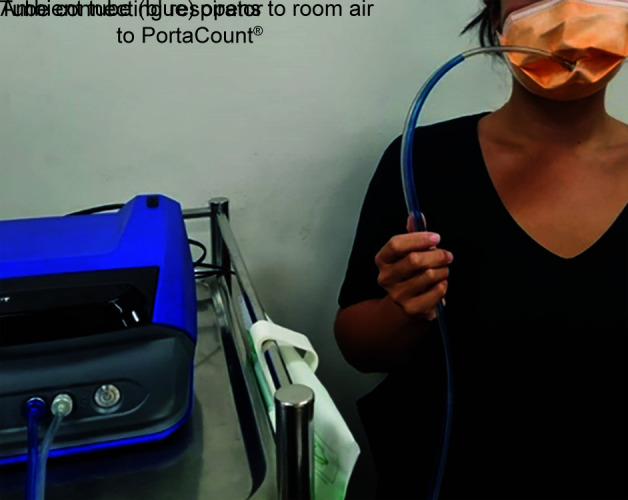
About 60 volunteer HCWs, who had previously failed quantitative Fit Testing with a duckbill N95 respirator, participated in this before-and-after intervention study. A PortaCount® 8048 was used for quantitative Fit Testing. The test was first performed with a duckbill N95 respirator only. It was then repeated after participants donned a pair of safety goggles (3M Fahrenheit, ID 70071531621).
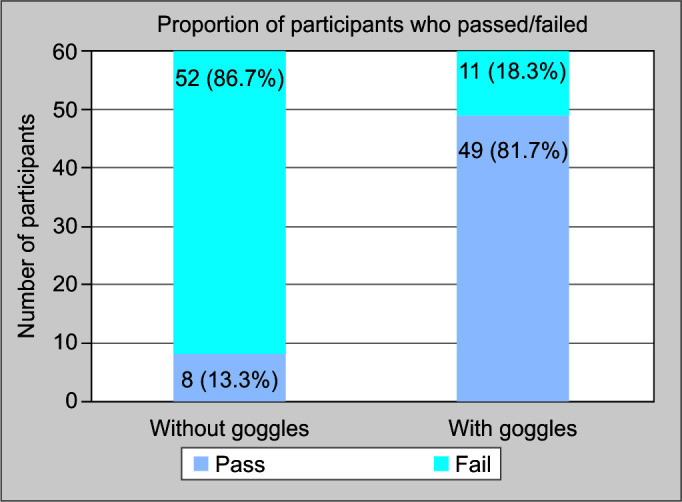
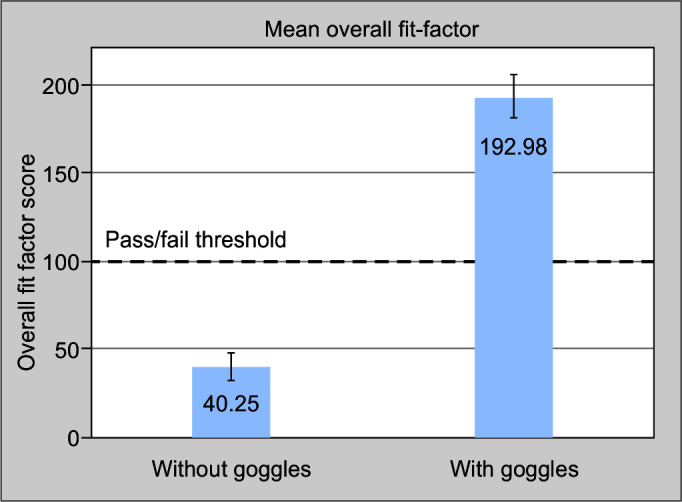
Before the intervention, i.e., with the respirator only, 8 (13.3%) participants passed their Fit Test. This increased to 49 (81.7%) after the application of safety goggles (OR 42, 95% CI 7.14-1697.9, < 0.0001). The adjusted mean overall fit factor, using Tobit regression analysis, increased from 40.3 to 193.0 ( = 12.32, < 0.001).
The use of safety goggles with an elastic headband significantly increases the proportion of users who pass a quantitative Fit Test and improves the fit-factor of a duckbill N95 respirator.
Kamal M, Bhatti M, Stewart WC, Johns M, Collins D, Shehabi Y, . Safety Goggles with Elastic Headband to Improve N95 Fit Following Failed Quantitative Fit Test. Indian J Crit Care Med 2023;27(6):386-391.
N95口罩与眼部防护一起,构成了医护人员护理呼吸道感染患者(如2019冠状病毒病患者)时个人防护装备(PPE)的重要组成部分。鸭嘴式N95口罩被广泛使用,但在进行适合性测试时失败率很高。向内泄漏最常见的部位是鼻子和上颌之间的区域。带有弹性头带的安全护目镜可能会将口罩的上边缘压在脸上,从而减少向内泄漏。我们假设,使用带有弹性头带的安全护目镜将提高鸭嘴式N95口罩的整体适合因数,并增加通过定量适合性测试的使用者比例。
约60名此前使用鸭嘴式N95口罩定量适合性测试失败的医护人员志愿者参与了这项前后干预研究。使用PortaCount® 8048进行定量适合性测试。测试首先仅使用鸭嘴式N95口罩进行。然后在参与者戴上一副安全护目镜(3M Fahrenheit,产品编号70071531621)后重复进行。
干预前,即仅使用口罩时,8名(13.3%)参与者通过了适合性测试。使用安全护目镜后,这一比例增至49名(81.7%)(比值比42,95%置信区间7.14 - 1697.9,P < 0.0001)。使用 Tobit 回归分析,调整后的平均整体适合因数从40.3增至193.0(t = 12.32,P < 0.001)。
使用带有弹性头带的安全护目镜可显著增加通过定量适合性测试的使用者比例,并提高鸭嘴式N95口罩的适合因数。
Kamal M, Bhatti M, Stewart WC, Johns M, Collins D, Shehabi Y, 。使用带有弹性头带的安全护目镜改善定量适合性测试失败后的N95口罩适合性。《印度重症监护医学杂志》2023年;27(6):386 - 391。