Rivers E N, Hamilton D W
Am J Pathol. 1986 Aug;124(2):263-80.
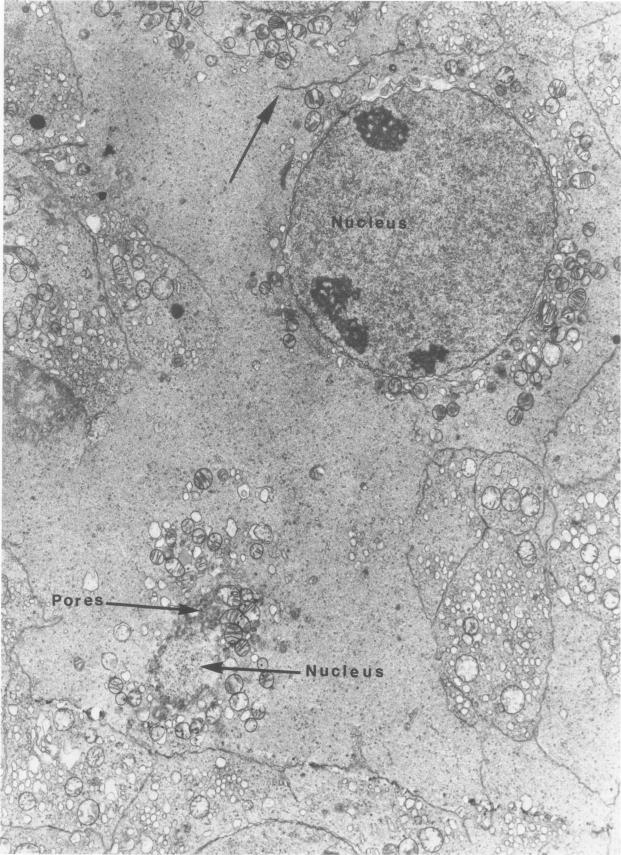
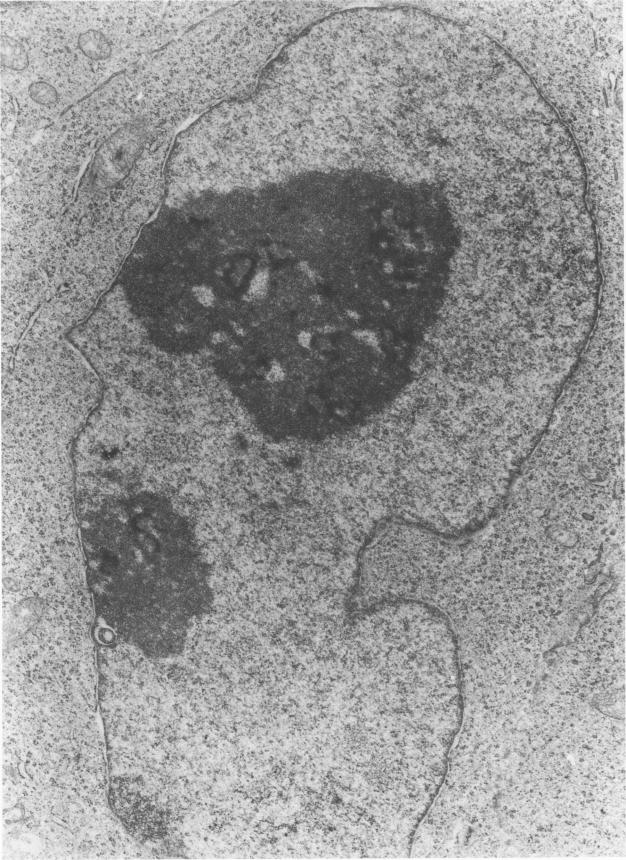
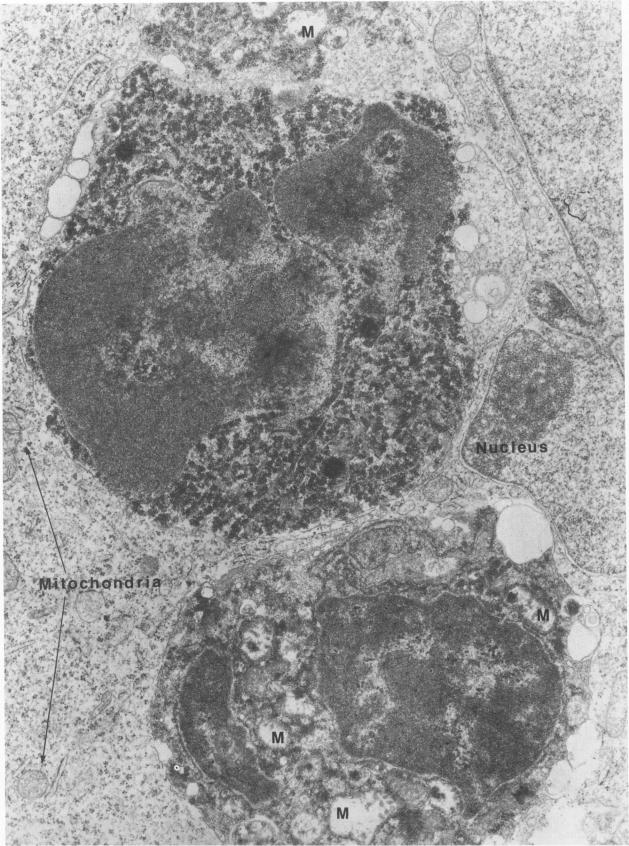
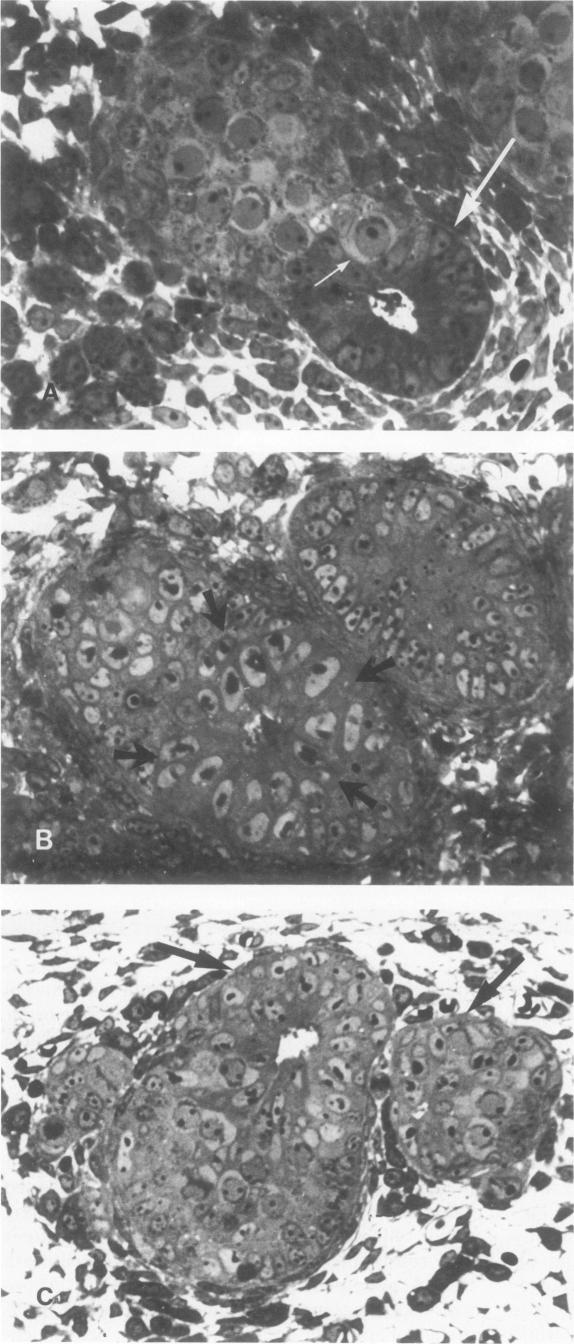
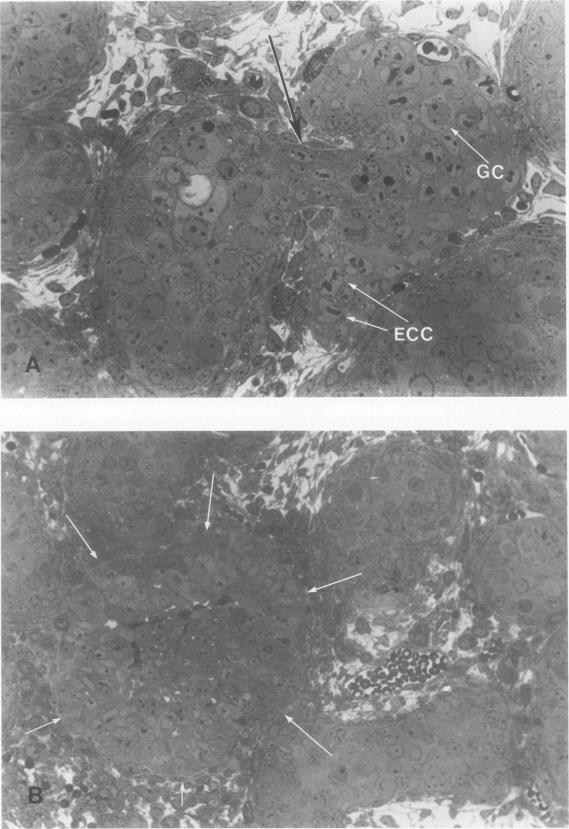
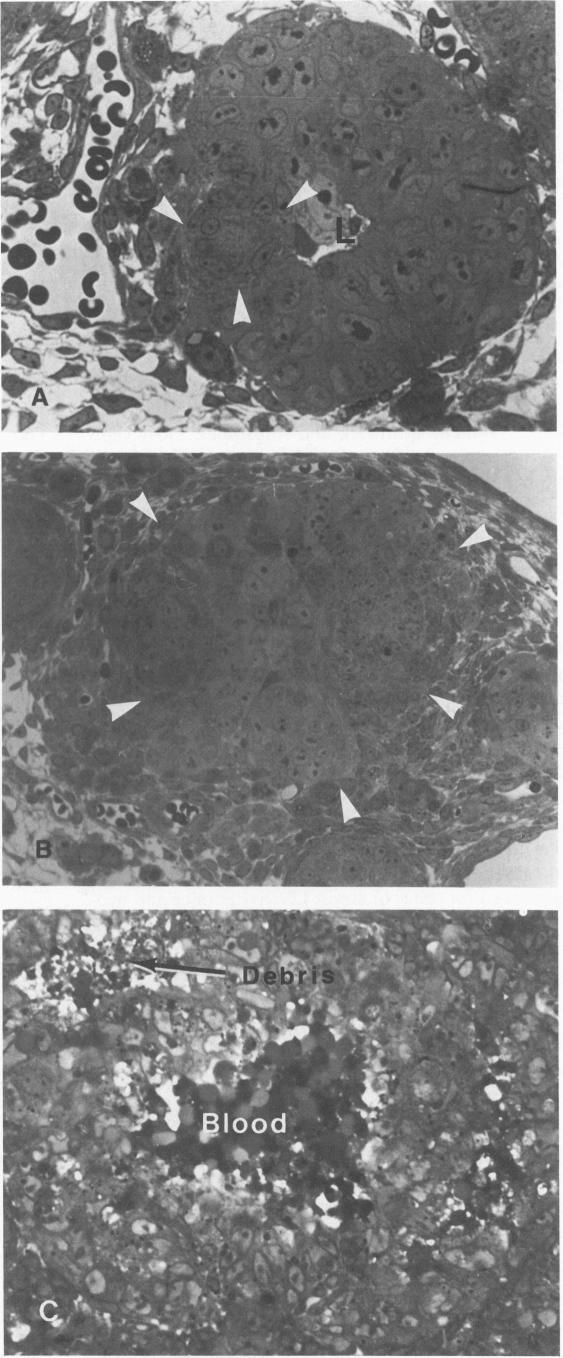
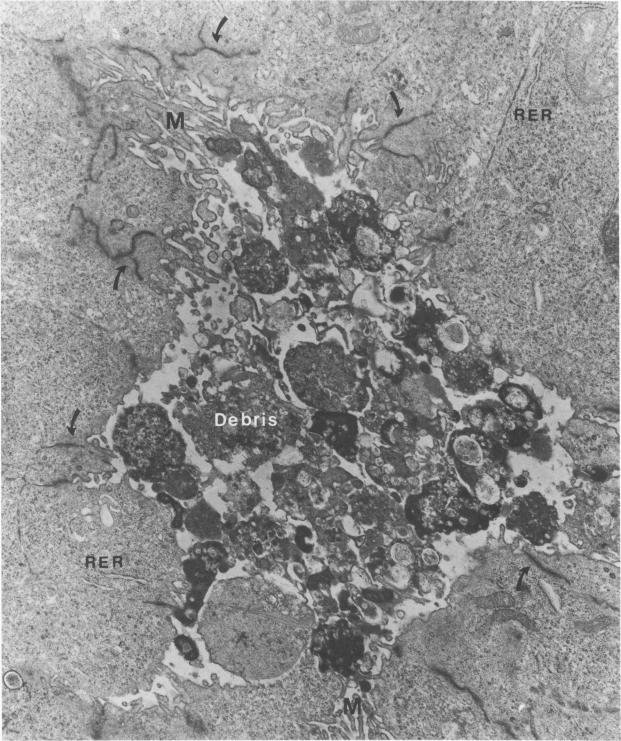
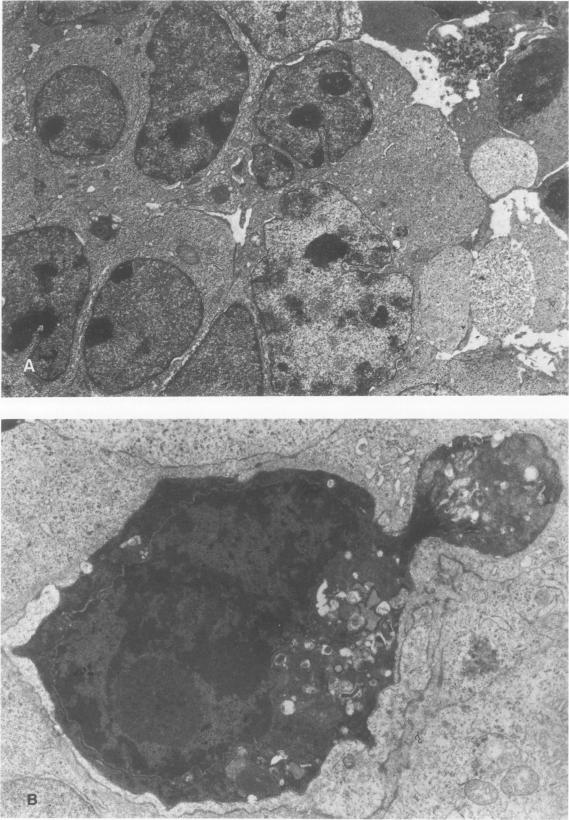
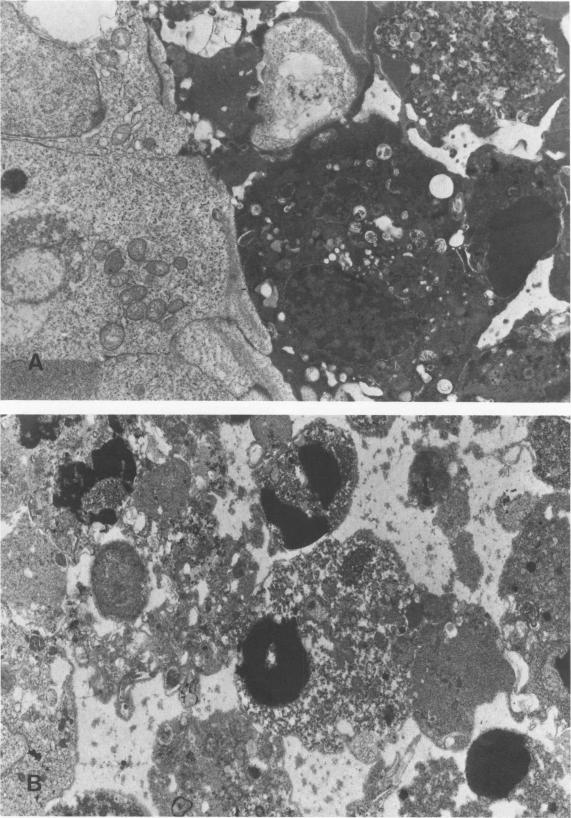
Spontaneous teratocarcinogenesis in the mouse testis begins during the early stages of gonad differentiation. Using inbred strain 129/Sv-ter mice which are highly susceptible to these tumors, the authors have examined the morphologic features of the testis during the gestational period defined from Day 13 through birth. Normal inbred mice (129/J) and random bred mice (Swiss Webster, SW) were used as control groups. Serially sectioned gonads were evaluated at the light- and electron-microscopic levels for histologic changes. In agreement with studies by other workers, embryonal carcinoma cells (ECCs) were observed in tumor-susceptible mice. Cellular arrangements varied from vesicular to nodular. Cell death within advanced tumors was labeled "apoptosis" (shrinkage necrosis). Also encountered were syncytial arrangements of gonocytes (atypical gonocytes), which were present in all animal groups. The significance of atypical gonocytes in relation to degeneration and preneoplasia is addressed.
小鼠睾丸中的自发性畸胎癌发生始于性腺分化的早期阶段。作者使用对这些肿瘤高度敏感的近交系129/Sv-ter小鼠,研究了从第13天到出生这一妊娠期睾丸的形态学特征。正常近交小鼠(129/J)和随机繁殖小鼠(瑞士韦伯斯特,SW)用作对照组。对连续切片的性腺进行光镜和电镜评估以观察组织学变化。与其他研究者的研究一致,在肿瘤易感小鼠中观察到了胚胎癌细胞(ECC)。细胞排列从泡状到结节状不等。晚期肿瘤内的细胞死亡被标记为“凋亡”(收缩性坏死)。还发现了生殖母细胞的合体排列(非典型生殖母细胞),在所有动物组中均有出现。本文探讨了非典型生殖母细胞与变性和肿瘤形成前状态的关系。