Department of Oncology, Zhongda Hospital, Medical School of Southeast University, Nanjing, 210009, Jiangsu Province, China.
Medical college, Henan University of Traditional Chinese Medicine, 450001, Henan Province, China.
BMC Cancer. 2023 Jul 5;23(1):628. doi: 10.1186/s12885-023-11107-7.
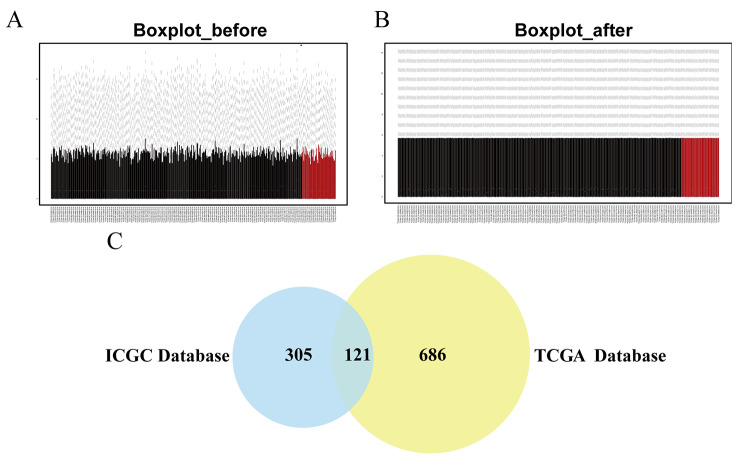
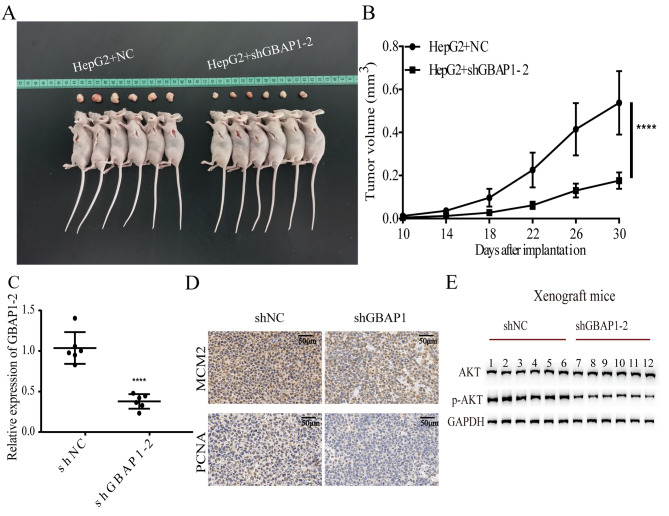
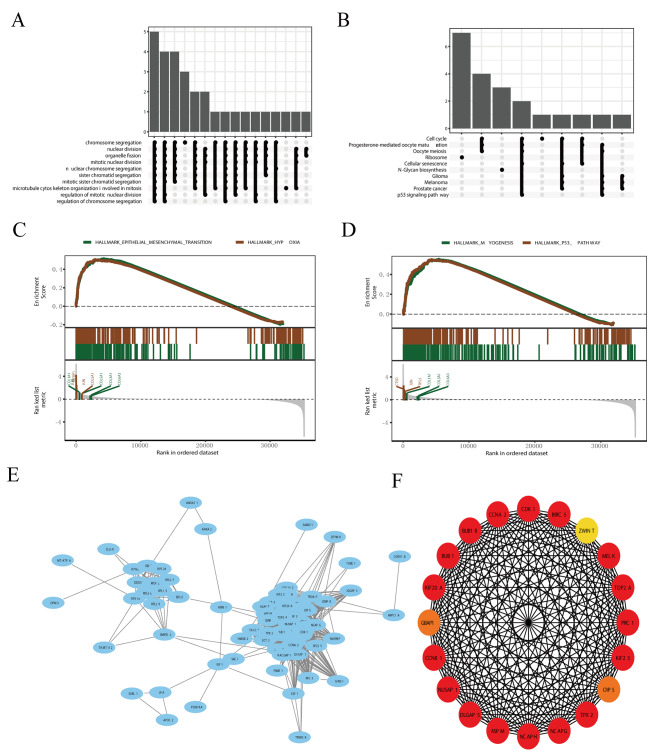
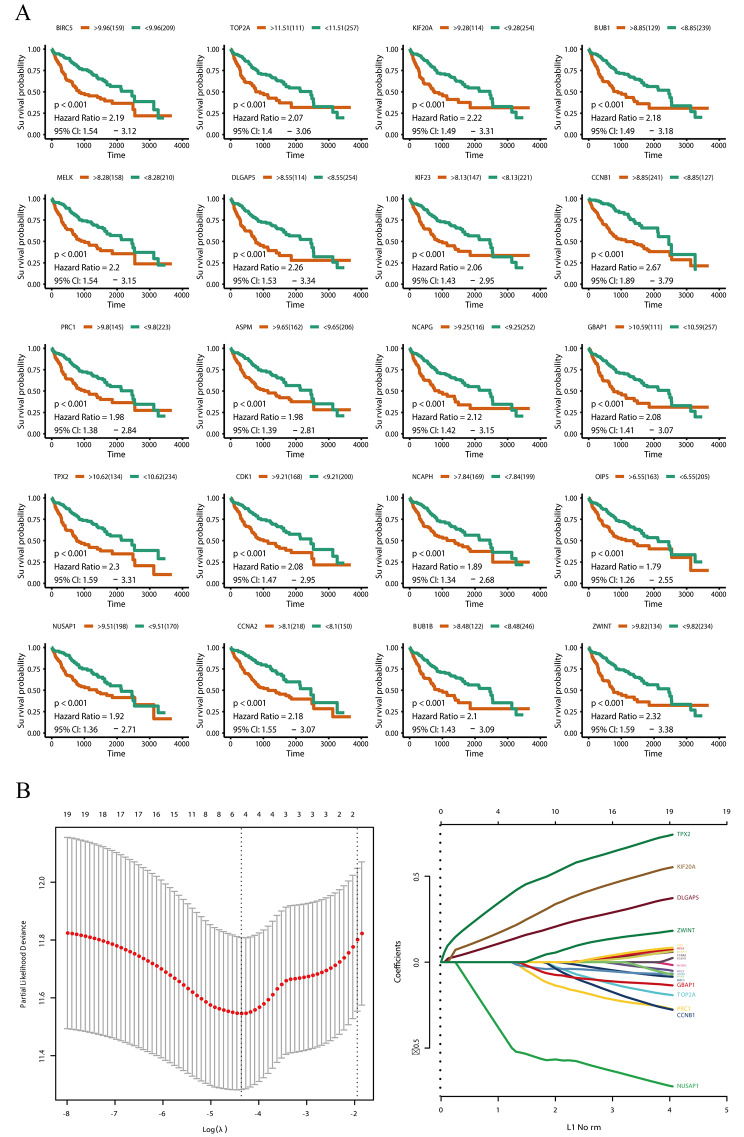
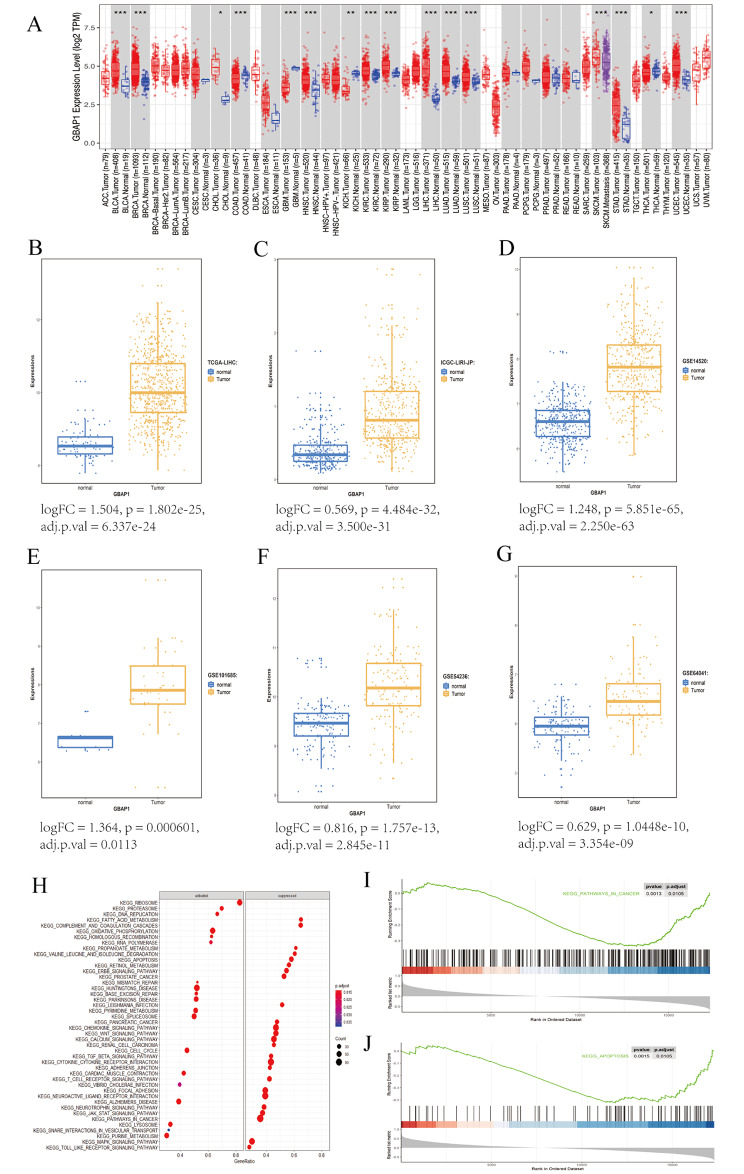
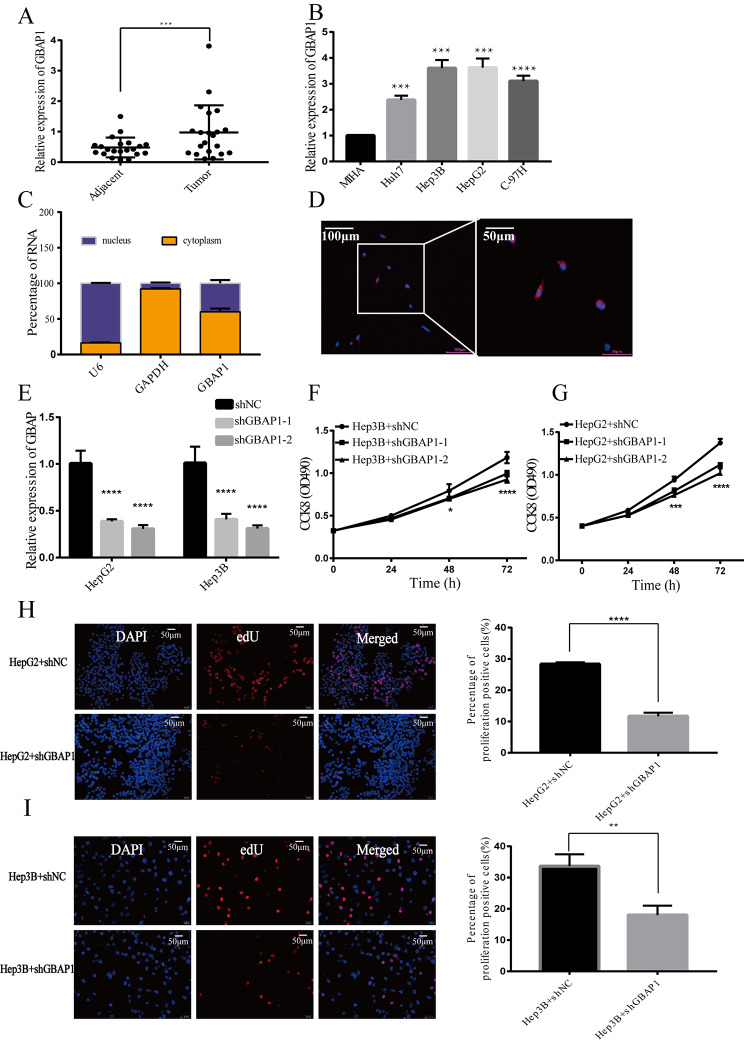
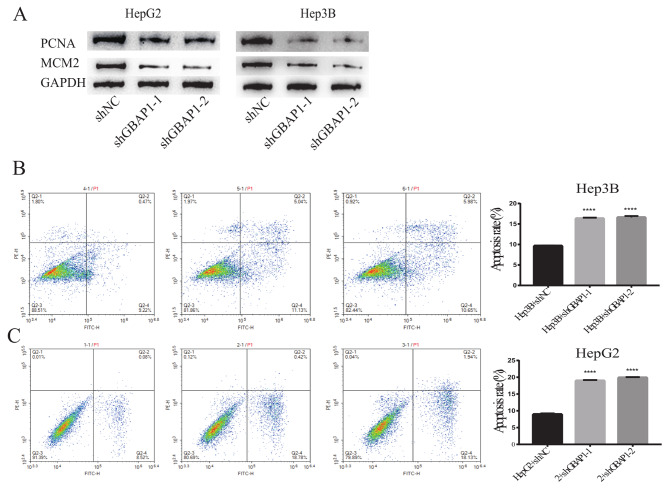
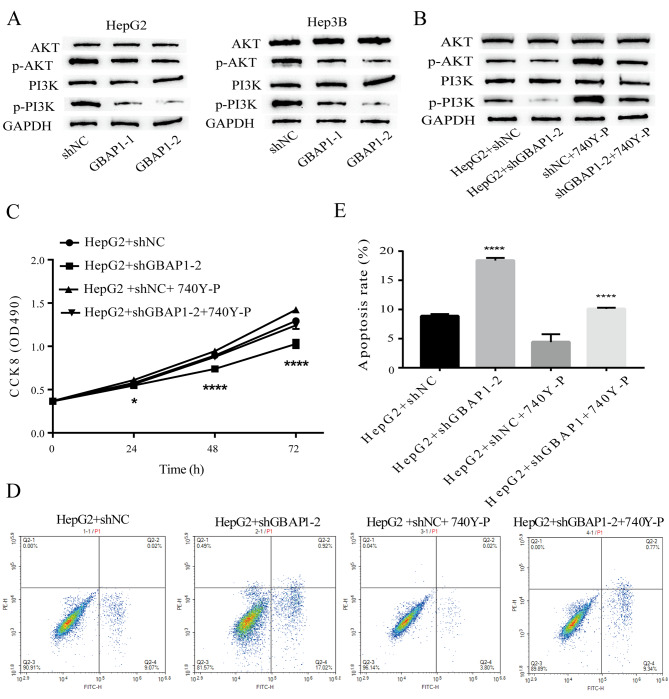
Hepatocellular carcinoma (HCC) is common worldwide, and novel therapeutic targets and biomarkers are needed to improve outcomes. In this study, bioinformatics analyses combined with in vitro and in vivo assays were used to identify the potential therapeutic targets. Differentially expressed genes (DEG) in HCC were identified by the intersection between The Cancer Genome Atlas and International Cancer Genome Consortium data. The DEGs were evaluated by a gene set enrichment analysis as well as Gene Ontology and Kyoto Encyclopedia of Genes and Genomes analyses. A protein interaction network, univariate Cox regression, and Lasso regression were used to screen out hub genes correlated with survival. Increased expression of the long noncoding RNA GBAP1 in HCC was confirmed in additional datasets and its biological function was evaluated in HCC cell lines and nude mice. Among 121 DEGs, GBAP1 and PRC1 were identified as hub genes with significant prognostic value. Overexpression of GBAP1 in HCC was confirmed in 21 paired clinical tissues and liver cancer or normal cell lines. The inhibition of GBAP1 expression reduced HCC cell proliferation and promoted apoptosis by inactivating the PI3K/AKT pathway in vitro and in vivo. Therefore, GBAP1 has a pro-oncogenic function in HCC and is a candidate prognostic biomarker and therapeutic target.
肝细胞癌(HCC)在全球范围内很常见,需要新的治疗靶点和生物标志物来改善治疗效果。在这项研究中,通过生物信息学分析结合体外和体内实验来鉴定潜在的治疗靶点。通过 The Cancer Genome Atlas 和 International Cancer Genome Consortium 数据的交集来识别 HCC 中的差异表达基因(DEG)。通过基因集富集分析以及基因本体论和京都基因与基因组百科全书分析对 DEGs 进行评估。使用蛋白质相互作用网络、单变量 Cox 回归和 Lasso 回归筛选出与生存相关的关键基因。在其他数据集进一步验证 HCC 中长链非编码 RNA GBAP1 的高表达,并且在 HCC 细胞系和裸鼠中评估其生物学功能。在 121 个 DEG 中,GBAP1 和 PRC1 被鉴定为具有显著预后价值的关键基因。在 21 对临床组织和肝癌或正常细胞系中证实了 HCC 中 GBAP1 的过表达。GBAP1 表达的抑制通过体外和体内抑制 PI3K/AKT 通路,减少 HCC 细胞增殖并促进细胞凋亡。因此,GBAP1 在 HCC 中具有致癌作用,是候选的预后生物标志物和治疗靶点。