Espinoza Pérez Jessica, Fernández Coronado Rosalía Ofelia, Olórtegui Yzú Adriel, Fernández Coronado Julia Amalia, Palomino Vilchez Yolanda Rocío, Heredia Ñahui Marco Antonio, Soca Meza Renzo Eduardo, Silva Valenzuela Hanna
Unidad Funcional Rehabilitación Cardíaca, Instituto Nacional Cardiovascular INCOR. EsSalud, Lima, Perú Unidad Funcional Rehabilitación Cardíaca Instituto Nacional Cardiovascular INCOR. EsSalud Lima Perú.
Dirección de Docencia e Investigación, Instituto Nacional Cardiovascular INCOR, EsSalud, Lima, Perú Dirección de Docencia e Investigación Instituto Nacional Cardiovascular INCOR, EsSalud Lima Perú.
Arch Peru Cardiol Cir Cardiovasc. 2023 Mar 31;4(1):13-20. doi: 10.47487/apcyccv.v4i1.281. eCollection 2023 Jan-Mar.
Cardiac Rehabilitation (CR) programs based on telehealth are an alternative in the context of a pandemic and represent an opportunity to continue in the intervention of cardiovascular diseases (CVD). The present study aims to evaluate the effect of a Cardiac Tele-Rehabilitation (CTR) program on quality of life, anxiety/depression index, exercise safety and Level Of disease awareness in patients discharged from a national referral institute in times of pandemic.
A pre-experimental study in cardiac patients who entered the cardiac rehabilitation program at INCOR from August to December 2020. The study included low-risk patients who were administered a questionnaire (on cardiovascular disease, exercise safety, anxiety/depression, and quality of life) at the beginning and end of the program, which was applied through a virtual platform. Descriptive and comparative before-after analysis was used through hypothesis testing.
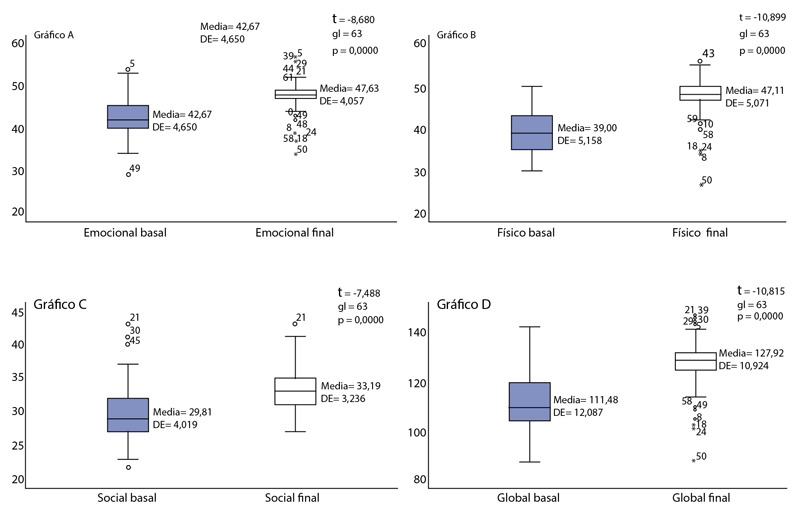
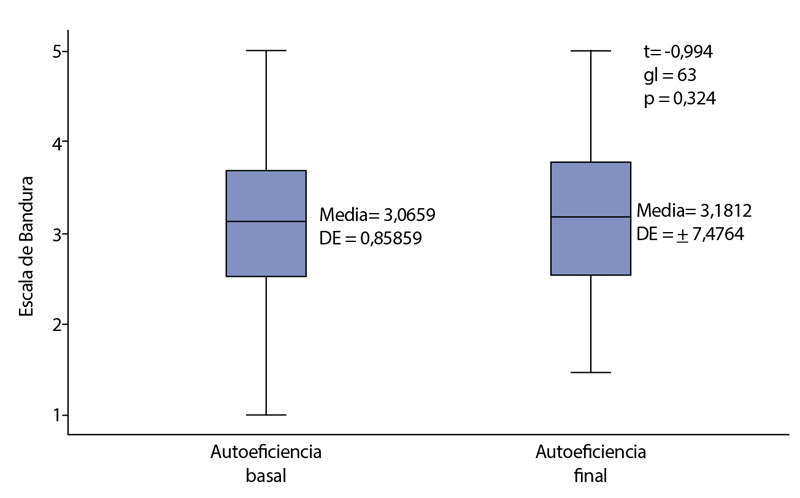
Sixty-four patients were included (71.9% male). The mean age was 63.6 ±11.1 years. Regarding exercise safety, an increase in the mean score was found after the application of the program (3.06 ± 0.8 to 3.18 ± 0.7, p=0.324). Concerning anxiety, the mean score was reduced from 8.61 to 4.75, while for depression, the reduction was from 7.27 to 2.92. Regarding the quality-of-life score, the global component improved from 111.48 to 127.92.
The CTR program implemented through a virtual platform during the COVID-19 pandemic enhanced quality of life and decreased stress and depression in cardiac patients discharged from a national cardiovascular referral center.
基于远程医疗的心脏康复(CR)项目是疫情背景下的一种替代方案,也是继续干预心血管疾病(CVD)的一个契机。本研究旨在评估心脏远程康复(CTR)项目对一家国家转诊机构在疫情期间出院的患者的生活质量、焦虑/抑郁指数、运动安全性和疾病认知水平的影响。
对2020年8月至12月在INCOR进入心脏康复项目的心脏病患者进行一项预实验研究。该研究纳入了低风险患者,在项目开始和结束时通过虚拟平台对其进行问卷调查(关于心血管疾病、运动安全性、焦虑/抑郁和生活质量)。通过假设检验进行描述性和前后对比分析。
纳入64例患者(71.9%为男性)。平均年龄为63.6±11.1岁。在运动安全性方面,项目实施后平均得分有所提高(3.06±0.8至3.18±0.7,p = 0.324)。在焦虑方面,平均得分从8.61降至4.75,抑郁方面,从7.27降至2.92。在生活质量得分方面,总体得分从111.48提高到127.92。
在2019冠状病毒病大流行期间通过虚拟平台实施的CTR项目提高了从国家心血管转诊中心出院的心脏病患者的生活质量,并减轻了压力和抑郁。