Division of Gastroenterology, Union Hospital, Tongji Medical College, Huazhong University of Science and Technology, Wuhan, China.
Gut Microbes. 2023 Jan-Dec;15(1):2233149. doi: 10.1080/19490976.2023.2233149.
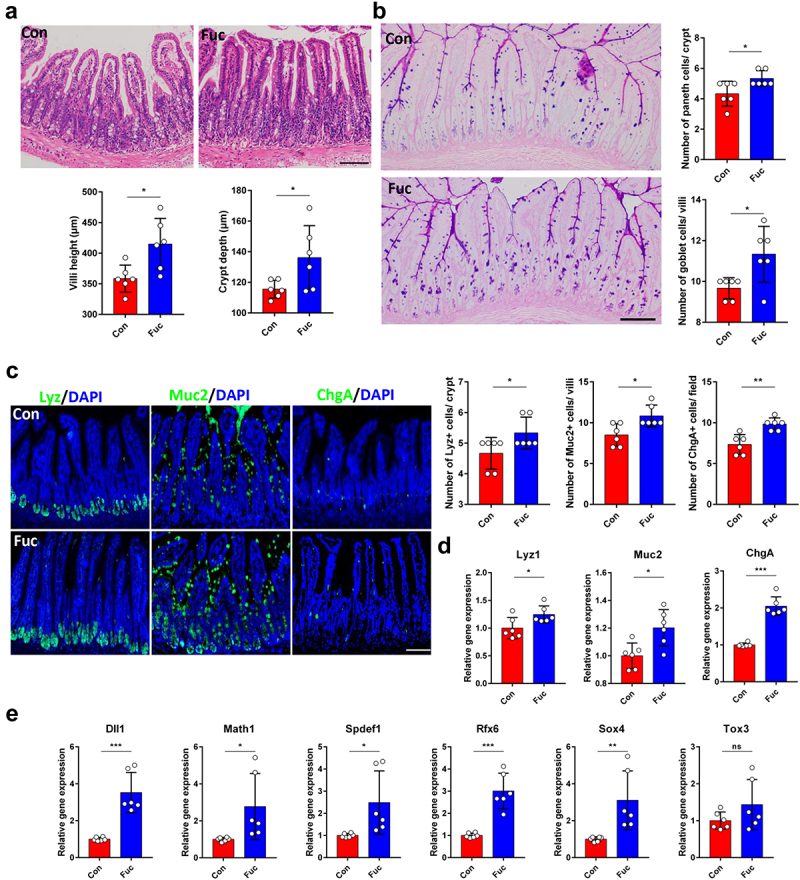
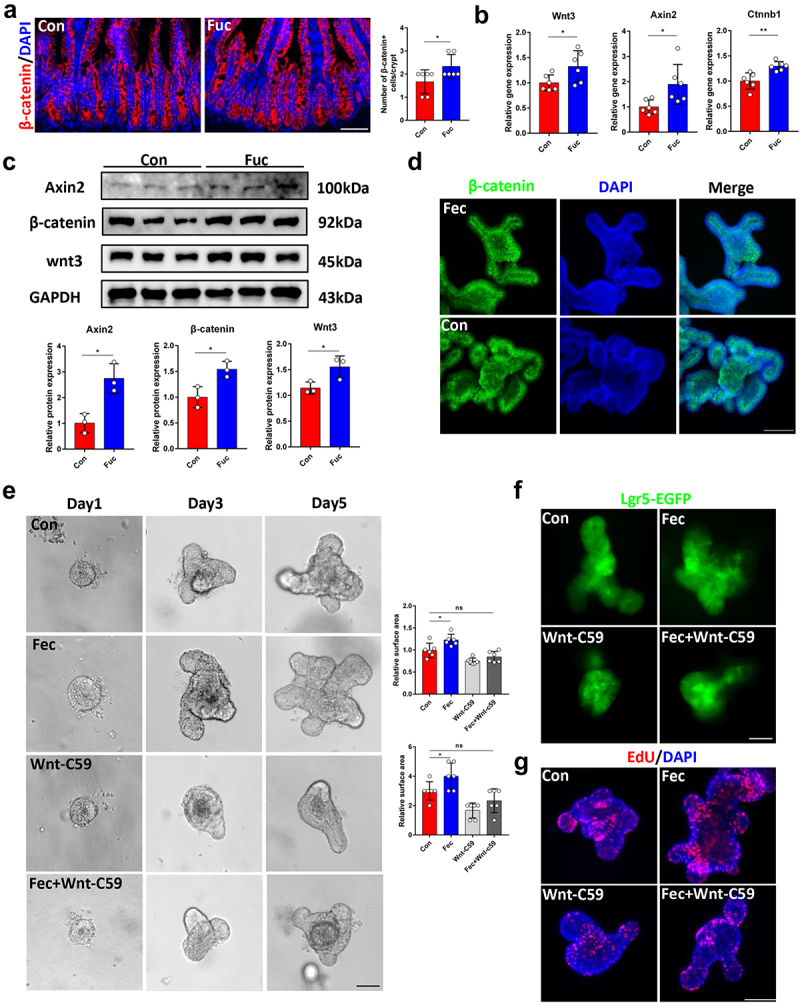
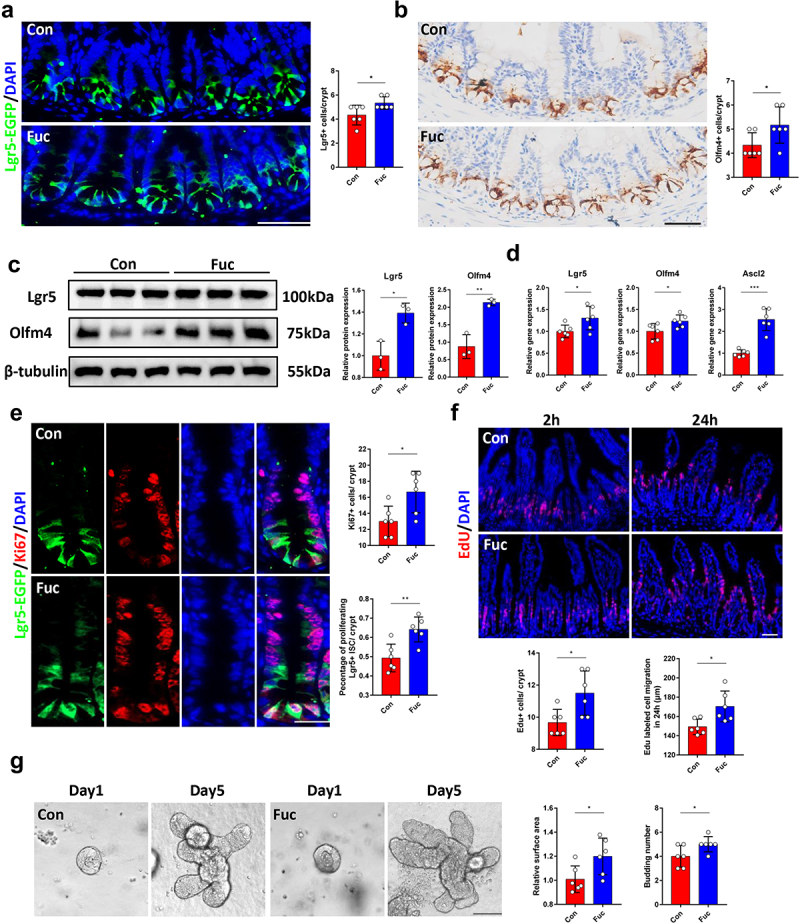
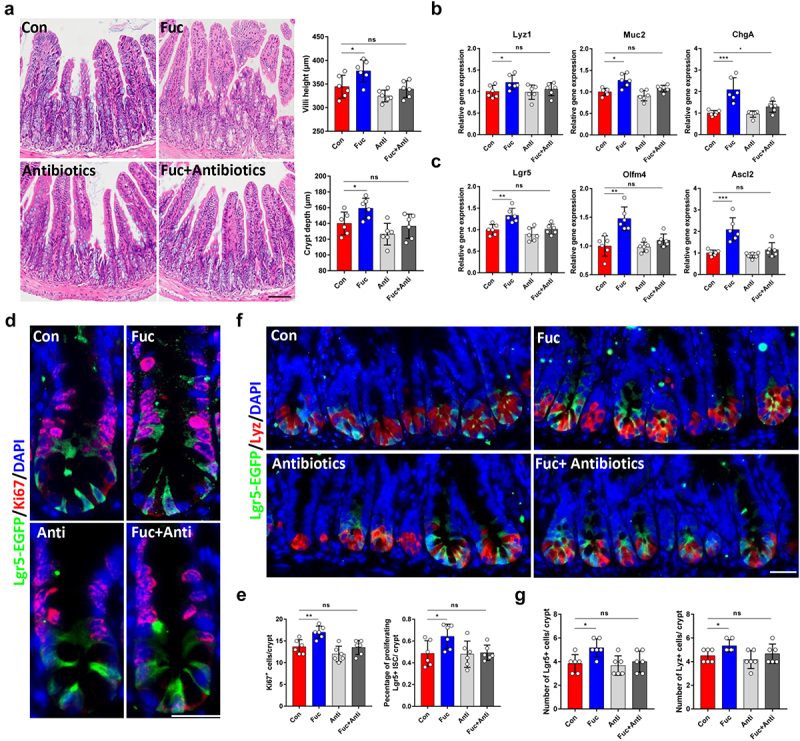
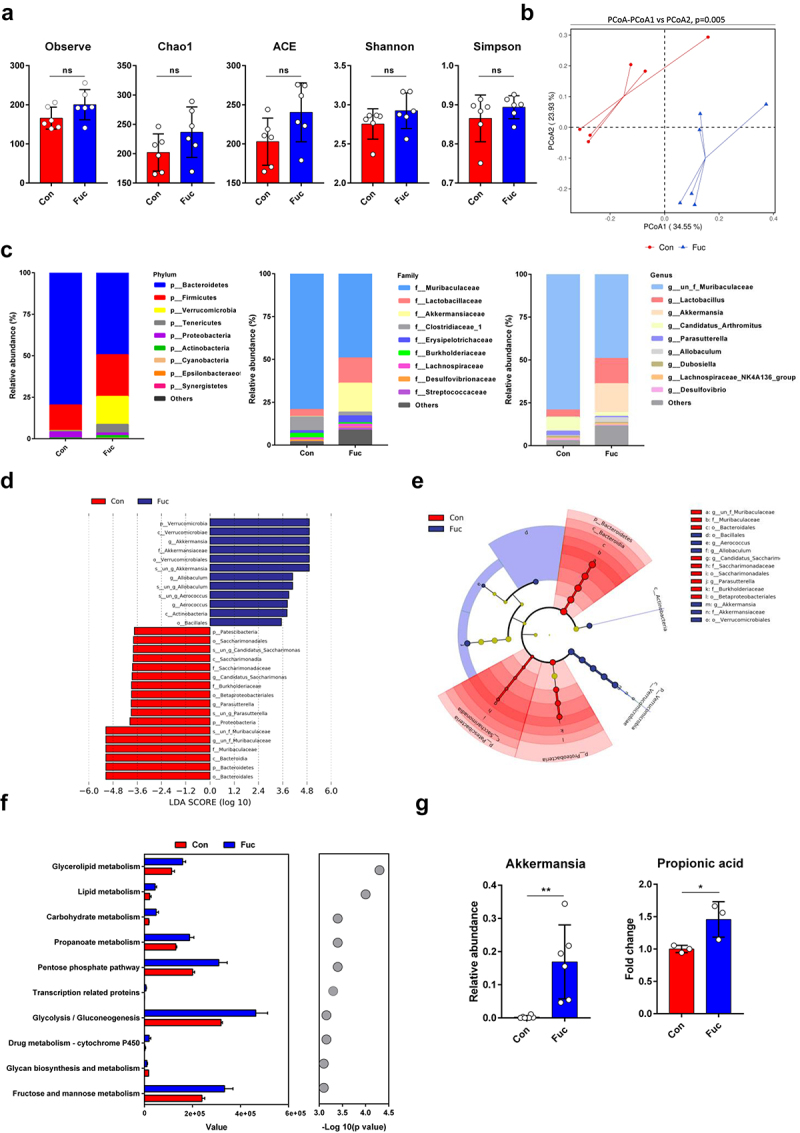
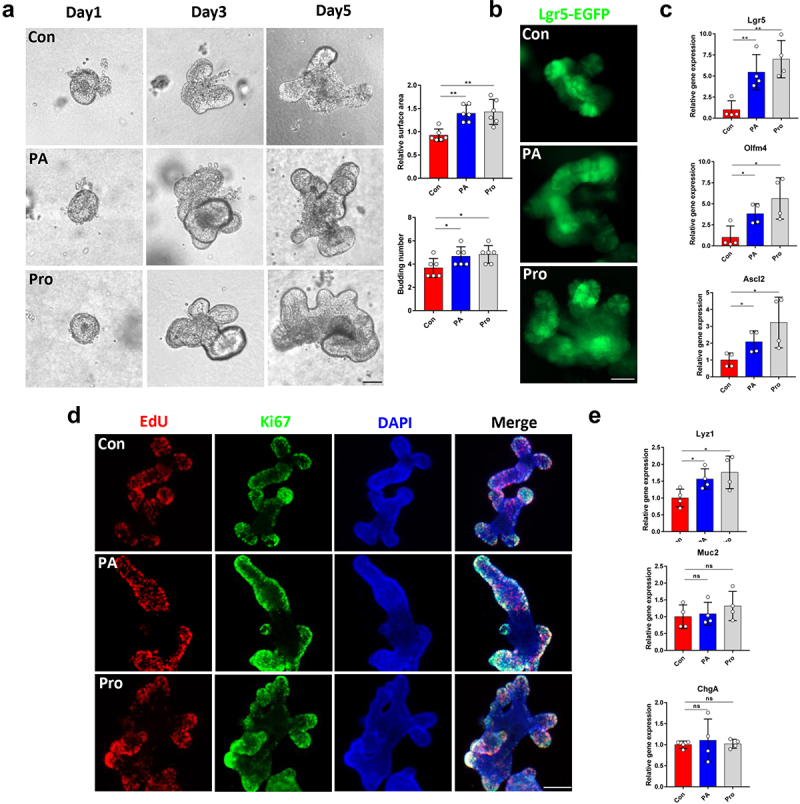
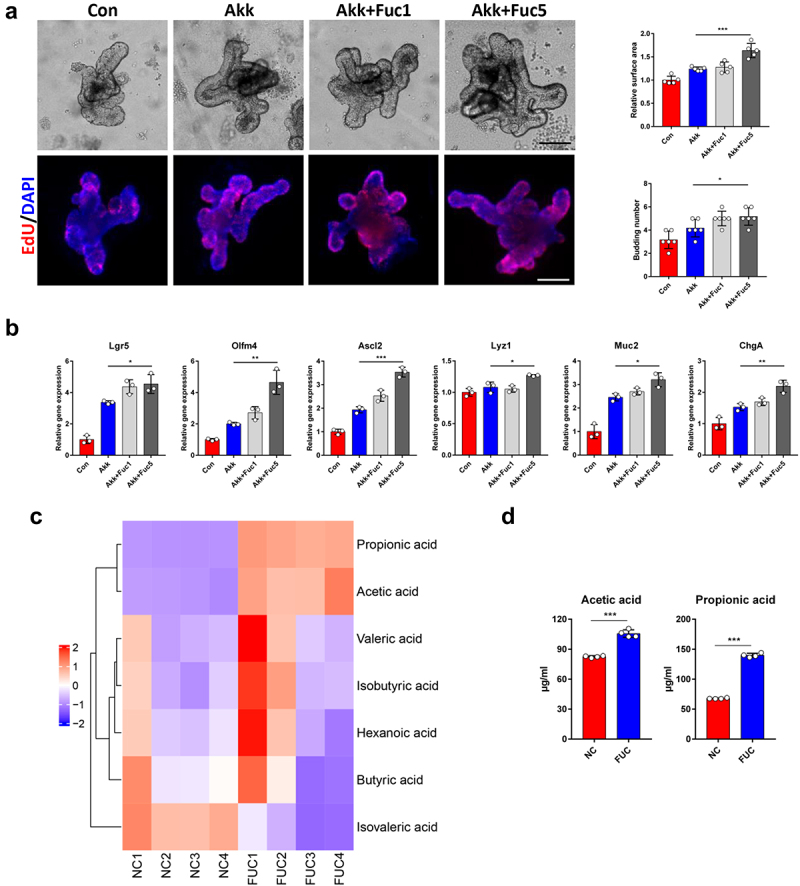
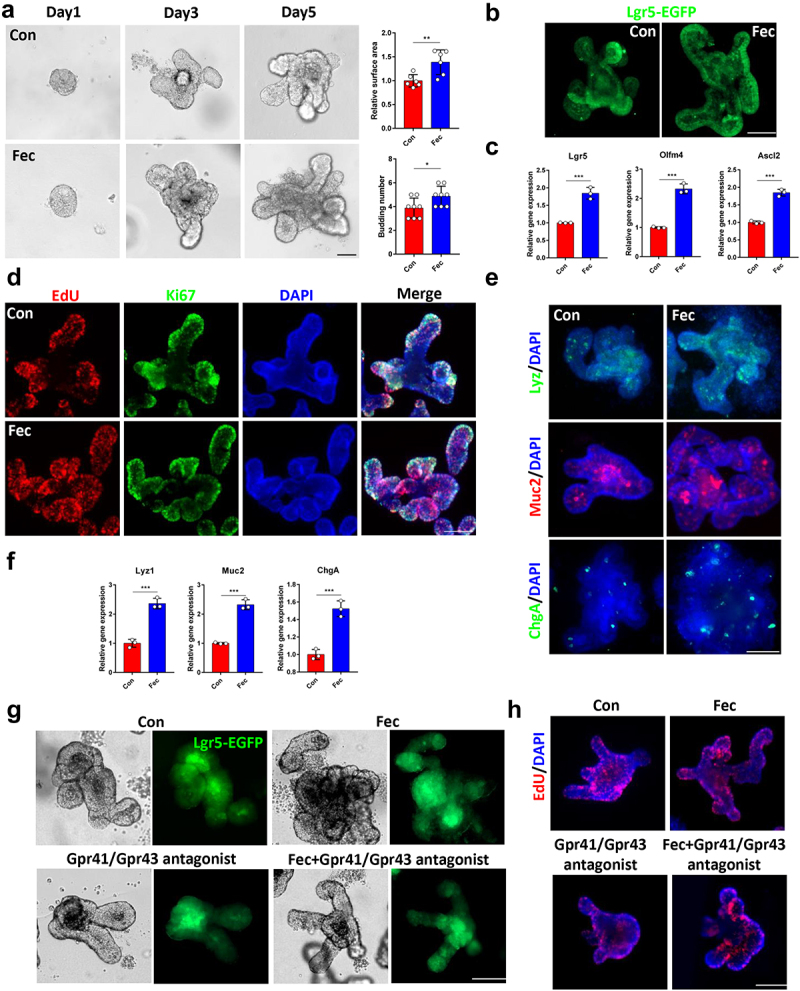
Intestinal stem cells (ISCs) are critical for the development and rapid turnover of intestinal epithelium. The regulatory effects of gut microbiota and their metabolites on ISCs stemness remain elusive. Fucose has been demonstrated to mediate host-microbe interactions in the intestine. However, the association between fucose, gut bacteria, and ISCs stemness remains unclear. To investigate the effects of fucose on ISCs-mediated intestinal epithelial cells (IECs) development, we administered fucose to 4-week-old mice for 4 weeks. ISCs stemness, IECs proliferation, and differentiation were examined. Variations in gut microbes and metabolism were detected using 16S rDNA sequencing and metabolomic analysis. Fucose was added to the bacterial culture medium to further study its effects on metabolism. Crypts were isolated from the mouse ileum for organoids culture in vitro to evaluate the effects of metabolites and the underlying mechanism. The results showed that fucose accelerated ISCs proliferation and secretory lineage differentiation in mice, whereas antibiotics eliminated these effects. The composition and functions of gut bacteria were altered by fucose treatment, while significant increases in and propanoate metabolism were noted. Propionic acid and propionate have been shown to promote organoid development. Fucose fermentation increases the production of propionic acid in and enhances its ability to increase the stemness of ISCs. Moreover, ileal contents from fucose-treated mice promoted organoid development in a Gpr41/Gpr43-dependent manner. Fucose administration activates the Wnt signaling pathway in ISCs, and Wnt inhibitors suppress the effects of fucose. We conclude that fucose accelerates ISC-mediated intestinal epithelial development by promoting -related propanoate metabolism. These findings provide new insights into the promotion of gut homeostasis and the application potential of fucose as a prebiotic.
肠干细胞(ISCs)对于肠道上皮的发育和快速更新至关重要。肠道微生物群及其代谢物对 ISCs 干性的调节作用仍不清楚。岩藻糖已被证明可介导肠道中的宿主-微生物相互作用。然而,岩藻糖、肠道细菌和 ISCs 干性之间的关联尚不清楚。为了研究岩藻糖对 ISC 介导的肠上皮细胞(IECs)发育的影响,我们给 4 周龄的小鼠喂食岩藻糖 4 周。检查 ISC 干性、IECs 增殖和分化。通过 16S rDNA 测序和代谢组学分析检测肠道微生物和代谢物的变化。将岩藻糖添加到细菌培养基中,以进一步研究其对代谢的影响。从小鼠回肠分离隐窝进行体外类器官培养,以评估代谢物的作用及其潜在机制。结果表明,岩藻糖在小鼠中加速了 ISCs 的增殖和分泌谱系分化,而抗生素则消除了这些作用。岩藻糖处理改变了肠道细菌的组成和功能,同时显著增加了和丙酸盐代谢。丙酸和丙酸盐已被证明可促进类器官发育。岩藻糖发酵增加了丙酸盐的产生,并增强了其增加 ISCs 干性的能力。此外,来自岩藻糖处理小鼠的回肠内容物以 Gpr41/Gpr43 依赖的方式促进类器官发育。岩藻糖给药激活 ISCs 中的 Wnt 信号通路,而 Wnt 抑制剂抑制岩藻糖的作用。我们得出结论,岩藻糖通过促进与丙酸相关的丙酸盐代谢来加速 ISC 介导的肠道上皮发育。这些发现为促进肠道内稳态提供了新的见解,并为岩藻糖作为益生元的应用潜力提供了新的见解。