Richert Emma, Nienhaus Andrea, Ekroll Jahren Silje, Gazdhar Amiq, Grab Maximilian, Hörer Jürgen, Carrel Thierry, Obrist Dominik, Heinisch Paul Philipp
Department of Congenital and Paediatric Heart Surgery, German Heart Centre Munich, Technische Universität München, Munich, Germany.
Division of Congenital and Pediatric Heart Surgery, University Hospital of Munich, Ludwig-Maximilians-Universität, Munich, Germany.
Front Cardiovasc Med. 2023 Jun 22;10:1164285. doi: 10.3389/fcvm.2023.1164285. eCollection 2023.
Currently used patch materials in congenital cardiac surgery do not grow, renew, or remodel. Patch calcification occurs more rapidly in pediatric patients eventually leading to reoperations. Bacterial cellulose (BC) as a biogenic polymer offers high tensile strength, biocompatibility, and hemocompatibility. Thus, we further investigated the biomechanical properties of BC for use as patch material.
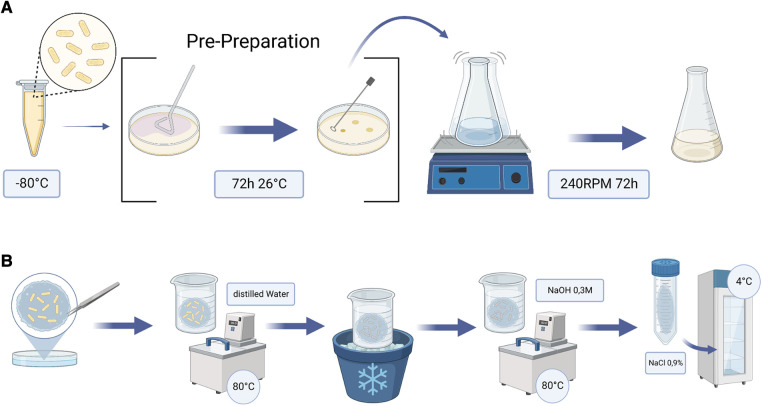
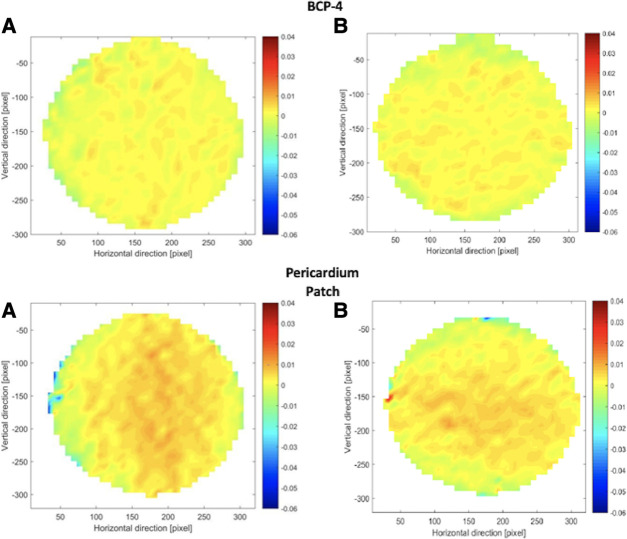
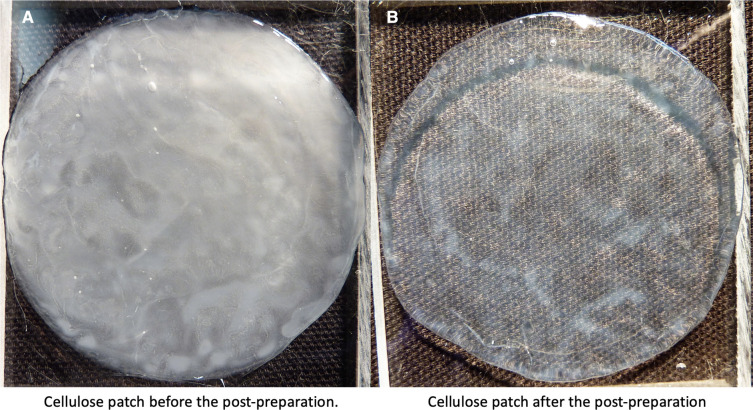
The BC-producing bacteria were cultured in different environments to investigate optimal culturing conditions. For mechanical characterization, an established method of inflation for biaxial testing was used. The applied static pressure and deflection height of the BC patch were measured. Furthermore, a displacement and strain distribution analysis was performed and compared to a standard xenograft pericardial patch.
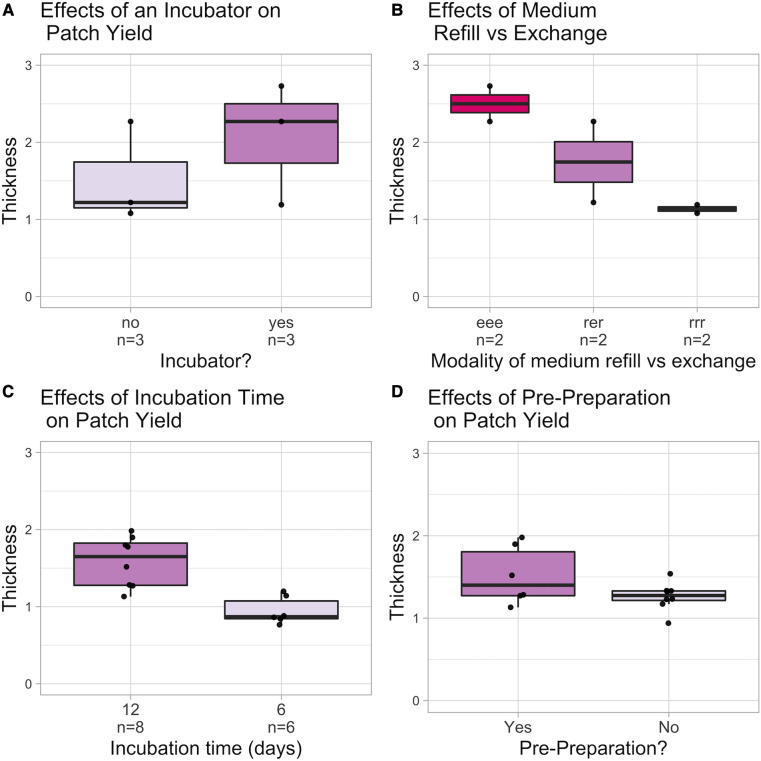
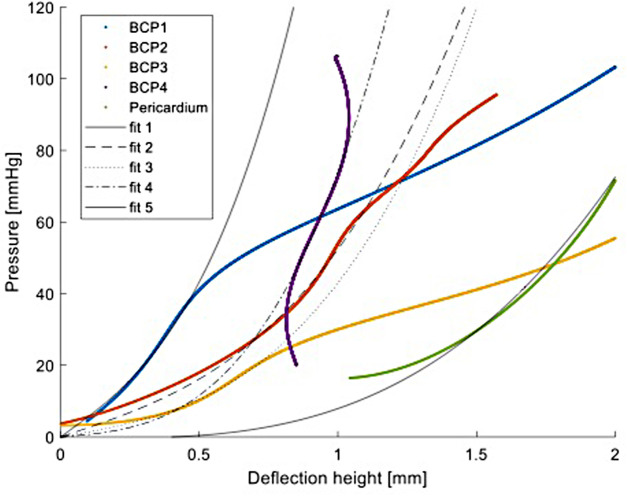
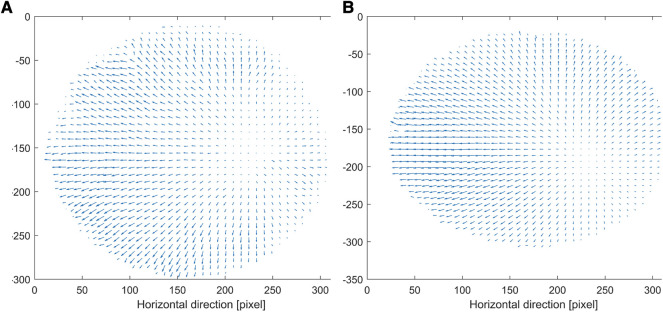
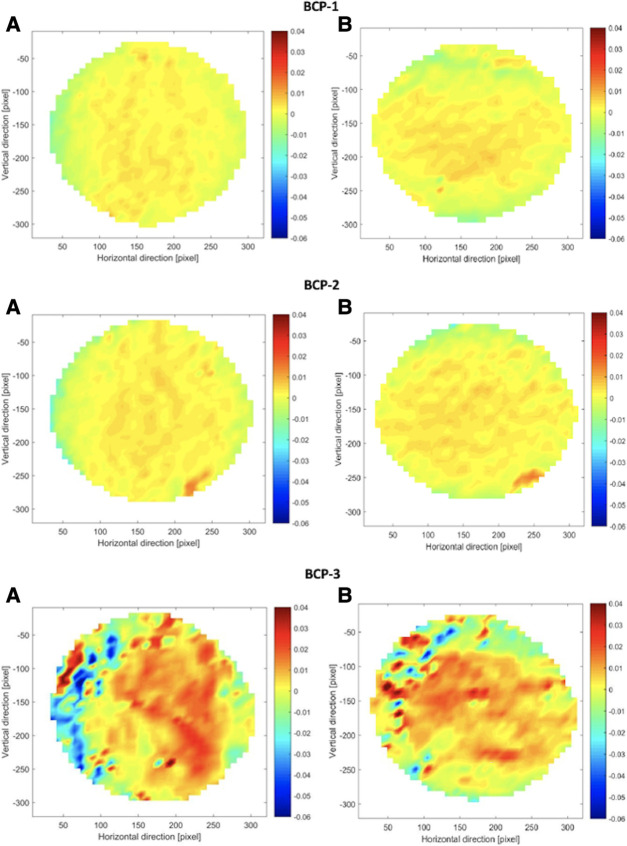
The examination of the culturing conditions revealed that the BC became homogenous and stable when cultivated at 29°C, 60% oxygen concentration, and culturing medium exchange every third day for a total culturing period of 12 days. The estimated elastic modulus of the BC patches ranged from 200 to 530 MPa compared to 230 MPa for the pericardial patch. The strain distributions, calculated from preloaded (2 mmHg) to 80 mmHg inflation, show BC patch strains ranging between 0.6% and 4%, which was comparable to the pericardial patch. However, the pressure at rupture and peak deflection height varied greatly, ranging from 67 to around 200 mmHg and 0.96 to 5.28 mm, respectively. The same patch thickness does not automatically result in the same material properties indicating that the manufacturing conditions have a significant impact on durability.
BC patches can achieve comparable results to pericardial patches in terms of strain behavior as well as in the maximum applied pressure that can be withstood without rupture. Bacterial cellulose patches could be a promising material worth further research.
目前先天性心脏手术中使用的补片材料不会生长、更新或重塑。补片钙化在儿科患者中发生得更快,最终导致再次手术。细菌纤维素(BC)作为一种生物聚合物,具有高拉伸强度、生物相容性和血液相容性。因此,我们进一步研究了BC用作补片材料的生物力学性能。
在不同环境中培养产生BC的细菌,以研究最佳培养条件。对于力学表征,使用一种既定的双轴测试充气方法。测量了BC补片的施加静压和挠曲高度。此外,进行了位移和应变分布分析,并与标准异种移植心包补片进行了比较。
培养条件检查显示,当在29°C、60%氧气浓度下培养,每三天更换一次培养基,总培养期为12天时,BC变得均匀且稳定。BC补片的估计弹性模量范围为200至530 MPa,而心包补片为230 MPa。从预加载(2 mmHg)到80 mmHg充气计算的应变分布显示,BC补片应变范围在0.6%至4%之间,与心包补片相当。然而,破裂压力和峰值挠曲高度差异很大,分别为67至约200 mmHg和0.96至5.28 mm。相同的补片厚度并不会自动导致相同的材料性能,这表明制造条件对耐久性有重大影响。
就应变行为以及在不破裂的情况下可承受的最大施加压力而言,BC补片可取得与心包补片相当的结果。细菌纤维素补片可能是一种值得进一步研究的有前途的材料。