Chang Xinxin, Wang Yudan, Zheng Bing, Chen Yi, Xie Jianhua, Song Yiming, Ding Xiaomeng, Hu Xiaoyi, Hu Xiaobo, Yu Qiang
State Key Laboratory of Food Science and Technology, China-Canada Joint Laboratory of Food Science and Technology (Nanchang), Key Laboratory of Bioactive Polysaccharides of Jiangxi Province, Nanchang University, 235 Nanjing East Road, Nanchang 330047, China.
Foods. 2022 Oct 14;11(20):3203. doi: 10.3390/foods11203203.
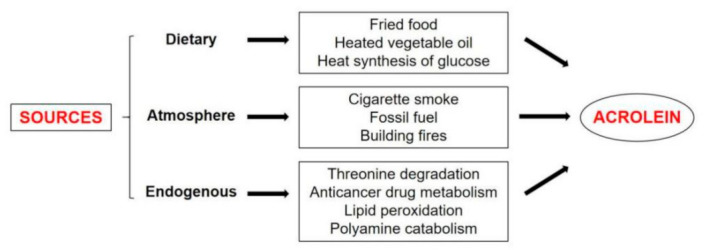
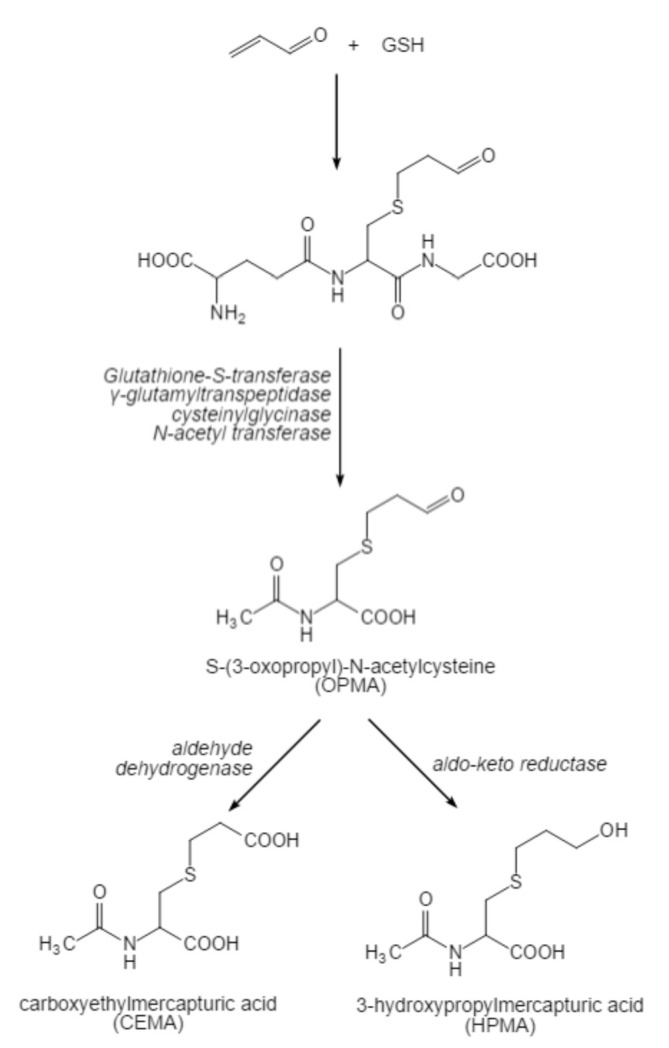
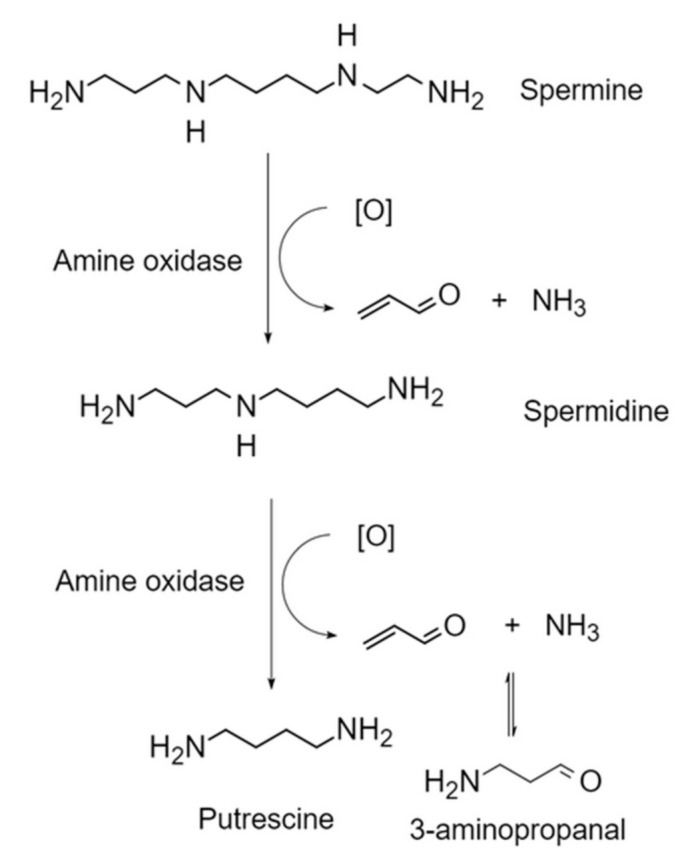
Neurodegenerative diseases are characterized by a massive loss of specific neurons, which can be fatal. Acrolein, an omnipresent environmental pollutant, is classified as a priority control contaminant by the EPA. Evidence suggests that acrolein is a highly active unsaturated aldehyde related to many nervous system diseases. Therefore, numerous studies have been conducted to identify the function of acrolein in neurodegenerative diseases, such as ischemic stroke, AD, PD, and MS, and its exact regulatory mechanism. Acrolein is involved in neurodegenerative diseases mainly by elevating oxidative stress, polyamine metabolism, neuronal damage, and plasma ACR-PC levels, and decreasing urinary 3-HPMA and plasma GSH levels. At present, the protective mechanism of acrolein mainly focused on the use of antioxidant compounds. This review aimed to clarify the role of acrolein in the pathogenesis of four neurodegenerative diseases (ischemic stroke, AD, PD and MS), as well as protection strategies, and to propose future trends in the inhibition of acrolein toxicity through optimization of food thermal processing and exploration of natural products.
神经退行性疾病的特征是特定神经元大量丧失,这可能是致命的。丙烯醛是一种普遍存在的环境污染物,被美国环境保护局列为优先控制污染物。有证据表明,丙烯醛是一种与许多神经系统疾病相关的高活性不饱和醛。因此,已经进行了大量研究来确定丙烯醛在神经退行性疾病(如缺血性中风、阿尔茨海默病、帕金森病和多发性硬化症)中的作用及其确切的调节机制。丙烯醛主要通过升高氧化应激、多胺代谢、神经元损伤和血浆ACR-PC水平,以及降低尿3-HPMA和血浆GSH水平来参与神经退行性疾病。目前,丙烯醛的保护机制主要集中在使用抗氧化化合物上。这篇综述旨在阐明丙烯醛在四种神经退行性疾病(缺血性中风、阿尔茨海默病、帕金森病和多发性硬化症)发病机制中的作用以及保护策略,并通过优化食品热加工和探索天然产物来提出抑制丙烯醛毒性的未来趋势。