Department of Oncobiology and Epigenetics, Faculty of Biology and Environmental Protection, University of Lodz, ul. Pomorska 141/143, 90-236 Lodz, Poland.
Department of Cytobiochemistry, Faculty of Biology and Environmental Protection, University of Lodz, ul. Pomorska 141/143, 90-236 Lodz, Poland.
Int J Mol Sci. 2023 Mar 31;24(7):6579. doi: 10.3390/ijms24076579.
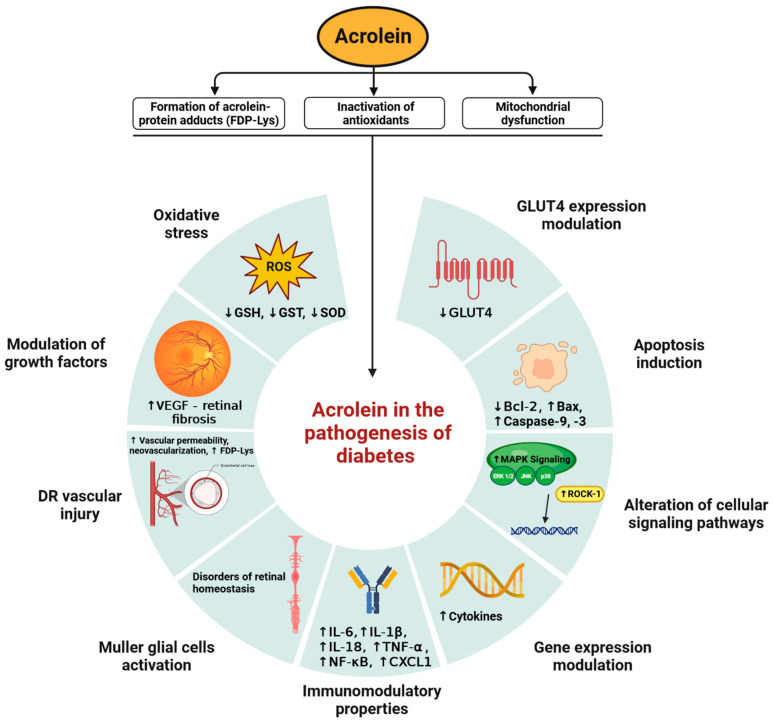
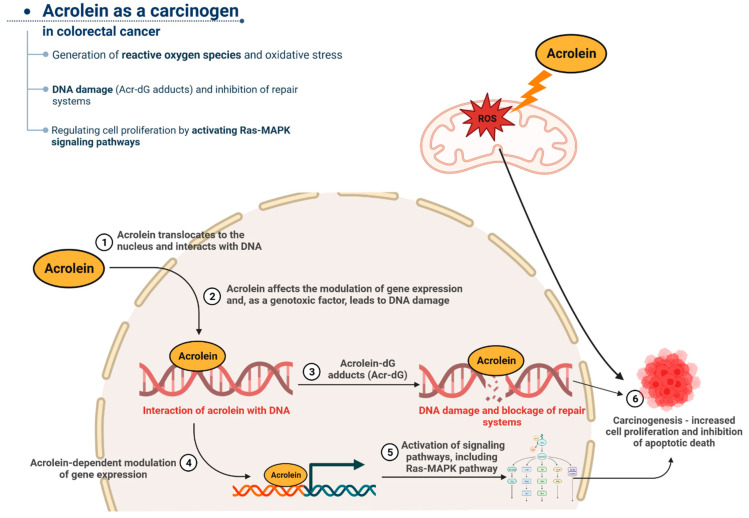
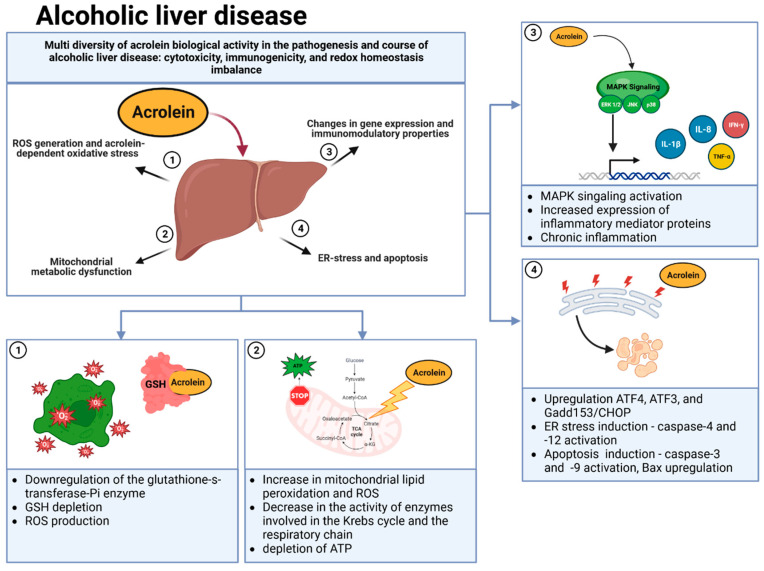
Acrolein, a highly reactive α,β-unsaturated aldehyde, is a compound involved in the pathogenesis of many diseases, including neurodegenerative diseases, cardiovascular and respiratory diseases, diabetes mellitus, and the development of cancers of various origins. In addition to environmental pollution (e.g., from car exhaust fumes) and tobacco smoke, a serious source of acrolein is our daily diet and improper thermal processing of animal and vegetable fats, carbohydrates, and amino acids. Dietary intake is one of the main routes of human exposure to acrolein, which is a major public health concern. This review focuses on the molecular mechanisms of acrolein activity in the context of its involvement in the pathogenesis of diseases related to the digestive system, including diabetes, alcoholic liver disease, and intestinal cancer.
丙烯醛是一种高度反应性的α,β-不饱和醛,是许多疾病发病机制中的一种化合物,包括神经退行性疾病、心血管和呼吸系统疾病、糖尿病以及各种来源的癌症。除了环境污染(例如,来自汽车尾气)和烟草烟雾外,丙烯醛的一个严重来源是我们的日常饮食和动物脂肪、碳水化合物和氨基酸的不当热加工。饮食摄入是人类接触丙烯醛的主要途径之一,这是一个主要的公共卫生关注点。本文综述了丙烯醛在涉及消化系统疾病发病机制中的作用的分子机制,包括糖尿病、酒精性肝病和肠道癌。