Department of Radiology, Ruijin Hospital, Shanghai Jiao Tong University School of Medicine, No.197, Ruijin 2nd Road, 200025, Shanghai, P. R. China.
Department of Orthopaedics, Shanghai Key Laboratory for Prevention and Treatment of Bone and Joint Diseases, Shanghai Institute of Traumatology and Orthopaedics, Ruijin Hospital, Shanghai Jiao Tong University School of Medicine, 197 Ruijin 2nd Road, 200025, Shanghai, P. R. China.
Nat Commun. 2023 Jul 11;14(1):4106. doi: 10.1038/s41467-023-39759-w.
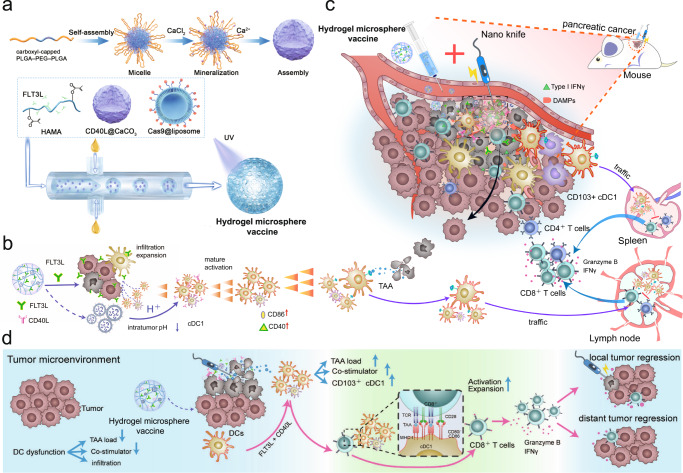
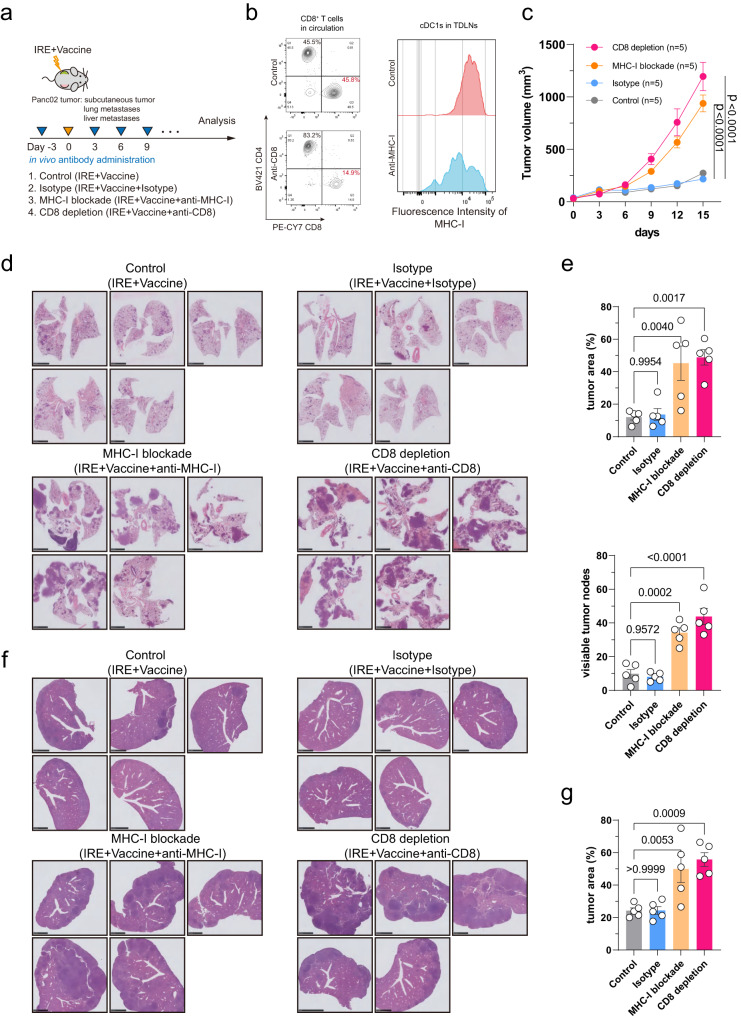
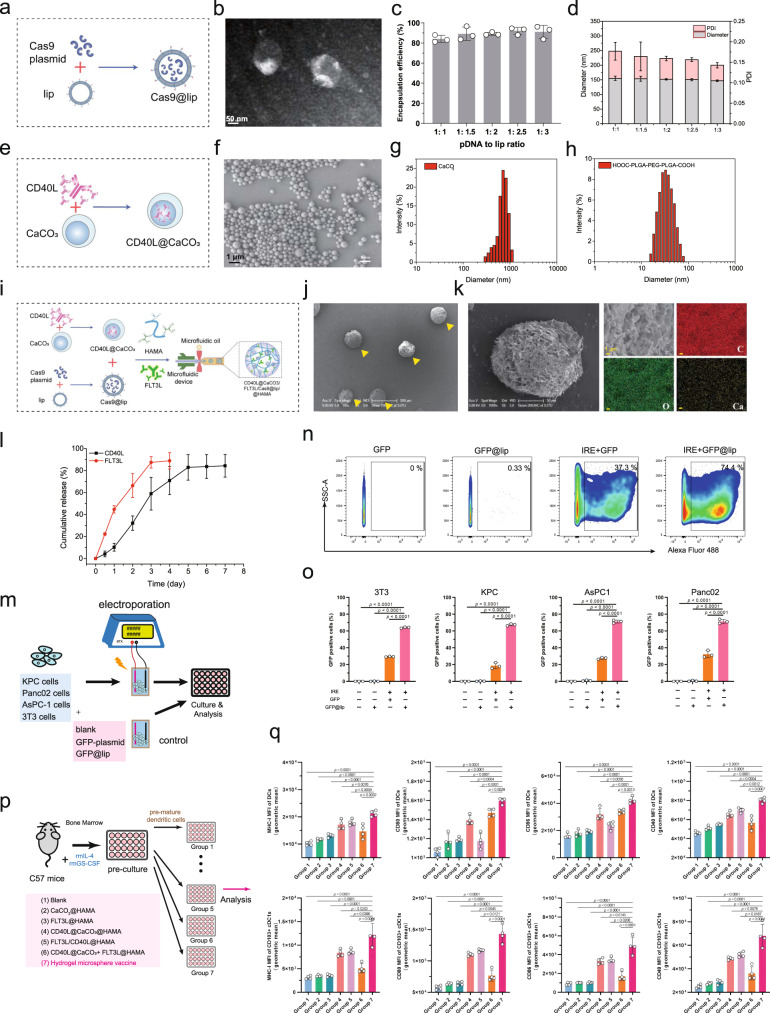
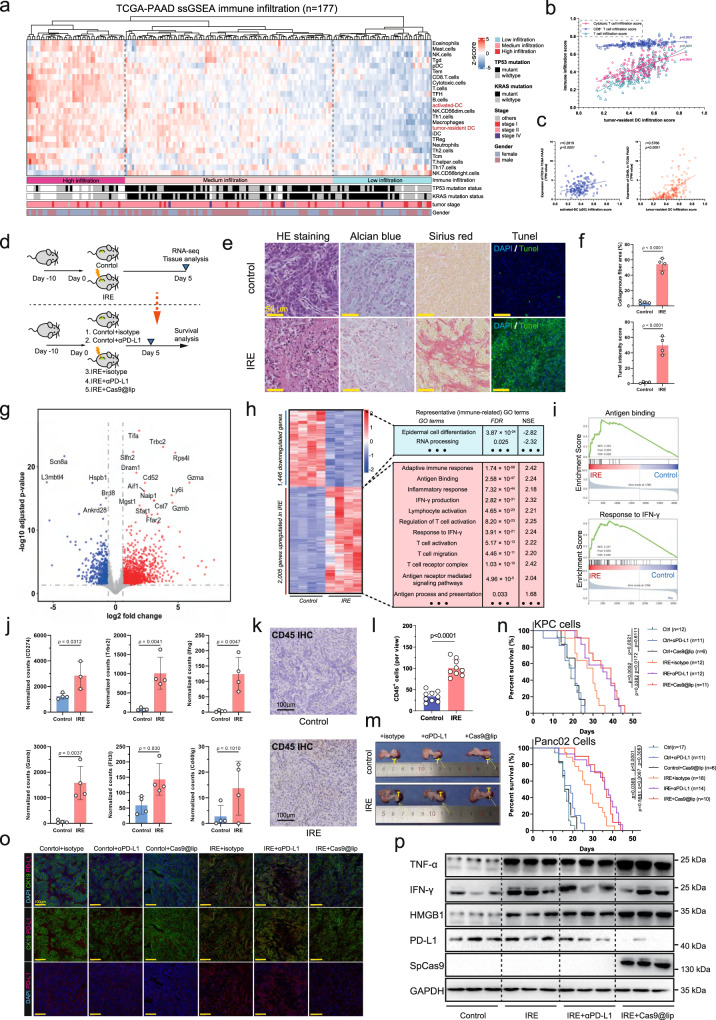
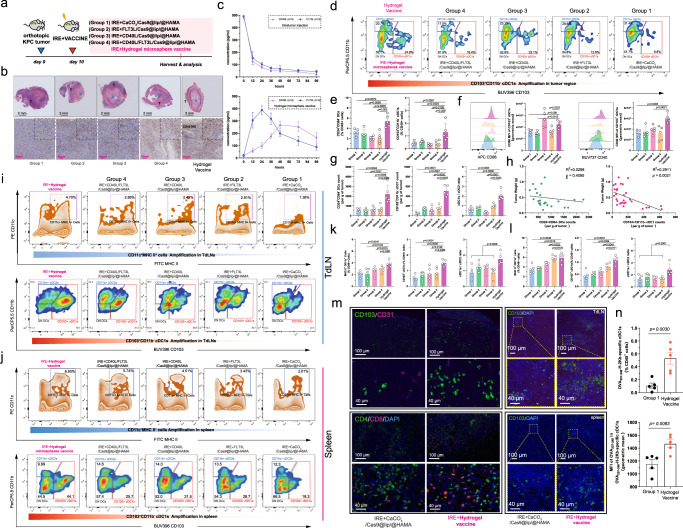
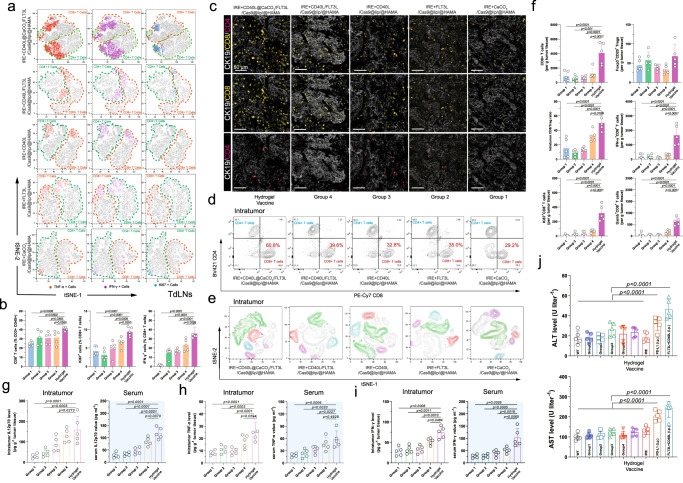
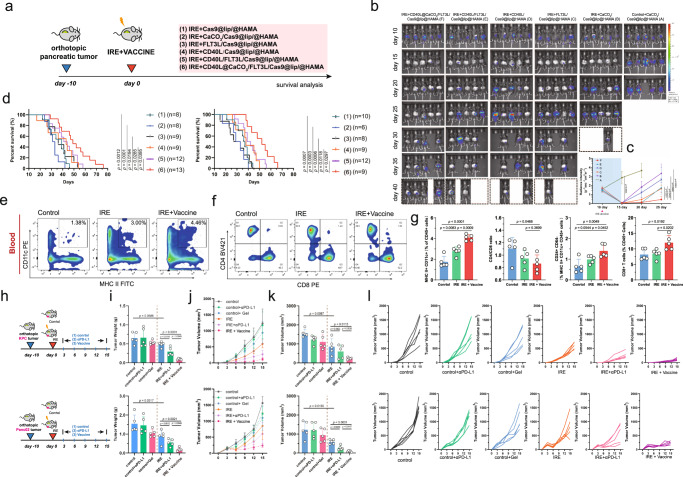
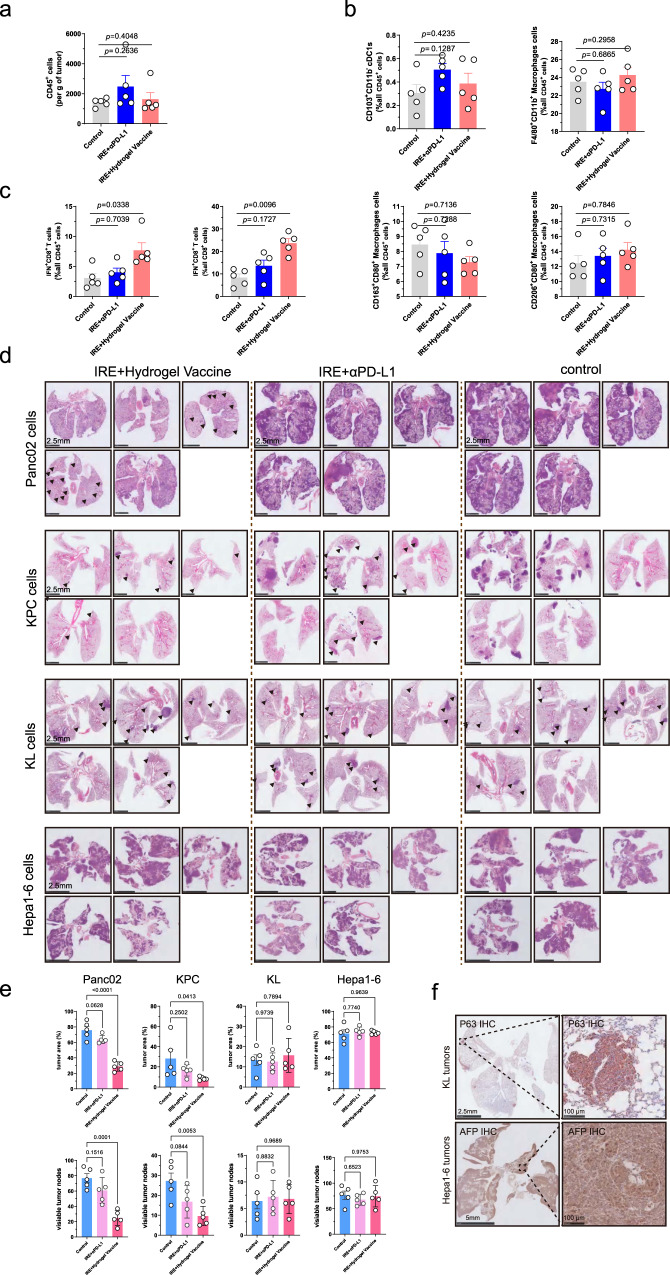
The response rate of pancreatic cancer to chemotherapy or immunotherapy pancreatic cancer is low. Although minimally invasive irreversible electroporation (IRE) ablation is a promising option for irresectable pancreatic cancers, the immunosuppressive tumour microenvironment that characterizes this tumour type enables tumour recurrence. Thus, strengthening endogenous adaptive antitumour immunity is critical for improving the outcome of ablation therapy and post-ablation immune therapy. Here we present a hydrogel microsphere vaccine that amplifies post-ablation anti-cancer immune response via releasing its cargo of FLT3L and CD40L at the relatively lower pH of the tumour bed. The vaccine facilitates migration of the tumour-resident type 1 conventional dendritic cells (cDC1) to the tumour-draining lymph nodes (TdLN), thus initiating the cDC1-mediated antigen cross-presentation cascade, resulting in enhanced endogenous CD8 T cell response. We show in an orthotopic pancreatic cancer model in male mice that the hydrogel microsphere vaccine transforms the immunologically cold tumour microenvironment into hot in a safe and efficient manner, thus significantly increasing survival and inhibiting the growth of distant metastases.
胰腺癌对化疗或免疫疗法的反应率较低。虽然微创不可逆电穿孔(IRE)消融术是治疗不可切除胰腺癌的一种很有前途的选择,但这种肿瘤类型的免疫抑制肿瘤微环境使得肿瘤复发成为可能。因此,增强内源性适应性抗肿瘤免疫对于改善消融治疗和消融后免疫治疗的效果至关重要。在这里,我们提出了一种水凝胶微球疫苗,通过在肿瘤床相对较低的 pH 值下释放其 FLT3L 和 CD40L 货物,放大消融后的抗癌免疫反应。该疫苗促进肿瘤驻留的 1 型传统树突状细胞(cDC1)迁移到肿瘤引流淋巴结(TdLN),从而启动 cDC1 介导的抗原交叉呈递级联反应,导致内源性 CD8 T 细胞反应增强。我们在雄性小鼠的原位胰腺癌模型中表明,水凝胶微球疫苗以安全有效的方式将免疫冷肿瘤微环境转化为热肿瘤微环境,从而显著提高了生存率并抑制了远处转移的生长。