Valibeygi Adib, Davoodi Ali, Dehghan Azizallah, Vahid Farhad, Hébert James R, Farjam Mojtaba, Homayounfar Reza
Student Research Committee, Fasa University of Medical Sciences, Fasa, Iran.
Noncommunicable Diseases Research Center, Fasa University of Medical Sciences, Fasa, Iran.
BMC Nutr. 2023 Jul 11;9(1):84. doi: 10.1186/s40795-023-00738-5.
Non-alcoholic fatty liver disease (NAFLD) is a prevalent liver disease predisposing patients to life-threatening conditions, including cirrhosis. There is evidence that the incidence of NAFLD is related to the individuals' dietary patterns; however, it is still remaining unknown whether the inflammatory potential of various foods/dietary patterns can directly predict a higher incidence of NAFLD.
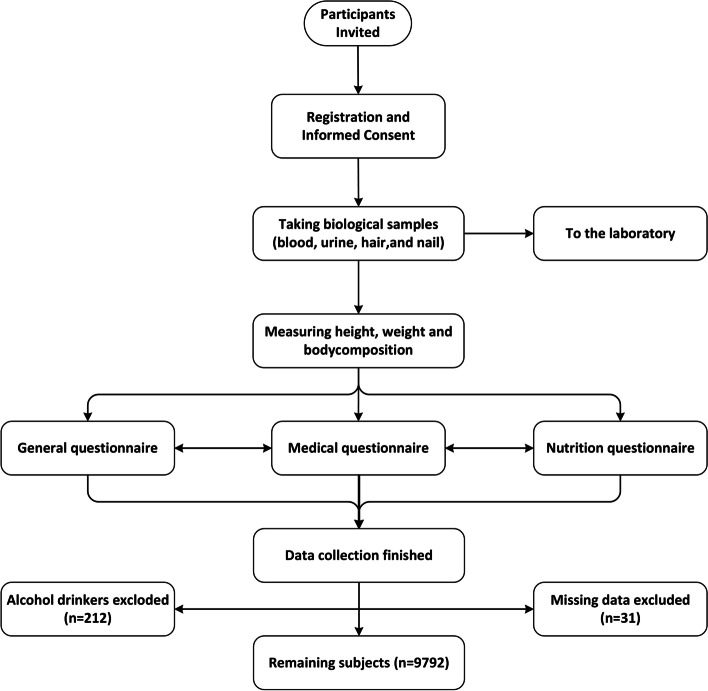
In this cross-sectional cohort study, we investigated the relationship between the inflammatory potential of various food items and the incidence/odds of NAFLD. We used data from Fasa PERSIAN Cohort Study comprising 10,035 individuals. To measure the inflammatory potential of diet, we used the dietary inflammatory index (DII®). Fatty liver index (FLI) was also calculated for each individual to identify the presence of NAFLD (cut-off = 60).
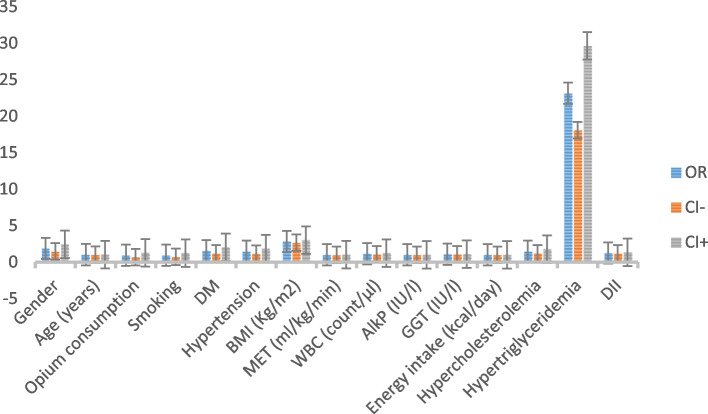
Our findings showed that higher DII is significantly associated with increased incidence/odds of NAFLD (OR = 1.254, 95% CI: 1.178-1.334). Additionally, we found out that higher age, female gender, diabetes mellitus, hypertriglyceridemia, hypercholesterolemia, and hypertension are other predictors of developing NAFLD.
It can be concluded that consuming foods with a higher inflammatory potential is associated with a greater risk of developing NAFLD. Additionally, metabolic diseases, including dyslipidemia, diabetes mellitus, and hypertension, can also predict the incidence of NAFLD.
非酒精性脂肪性肝病(NAFLD)是一种常见的肝脏疾病,使患者易患包括肝硬化在内的危及生命的疾病。有证据表明,NAFLD的发病率与个体的饮食模式有关;然而,各种食物/饮食模式的炎症潜能是否能直接预测NAFLD的更高发病率仍不清楚。
在这项横断面队列研究中,我们调查了各种食物的炎症潜能与NAFLD发病率/患病几率之间的关系。我们使用了来自Fasa PERSIAN队列研究的10,035名个体的数据。为了衡量饮食的炎症潜能,我们使用了饮食炎症指数(DII®)。还为每个个体计算了脂肪肝指数(FLI),以确定是否存在NAFLD(临界值=60)。
我们的研究结果表明,较高的DII与NAFLD发病率/患病几率的增加显著相关(OR=1.254,95%CI:1.178-1.334)。此外,我们发现年龄较大、女性、糖尿病、高甘油三酯血症、高胆固醇血症和高血压是发生NAFLD的其他预测因素。
可以得出结论,食用具有较高炎症潜能的食物与发生NAFLD的风险较高有关。此外,代谢性疾病,包括血脂异常、糖尿病和高血压,也可以预测NAFLD的发病率。