Gao Cheng, Chang Liang, Xu Tianxin, Li Xiaojun, Chen Zhong
Department of General Surgery, Affiliated Hospital of Nantong University, Medical School of Nantong University, Nantong, China.
Department of General Surgery, Affiliated Hospital of Nantong University, Nantong, China.
J Gastrointest Oncol. 2023 Jun 30;14(3):1412-1433. doi: 10.21037/jgo-23-277.
Lenvatinib is an orally administered drug that works as a multi-targeted tyrosine kinase inhibitor. It has been approved as a first-line drug after sorafenib in hepatocellular carcinoma (HCC). However, little is currently known about its treatment, targets, and possible resistance in HCC.
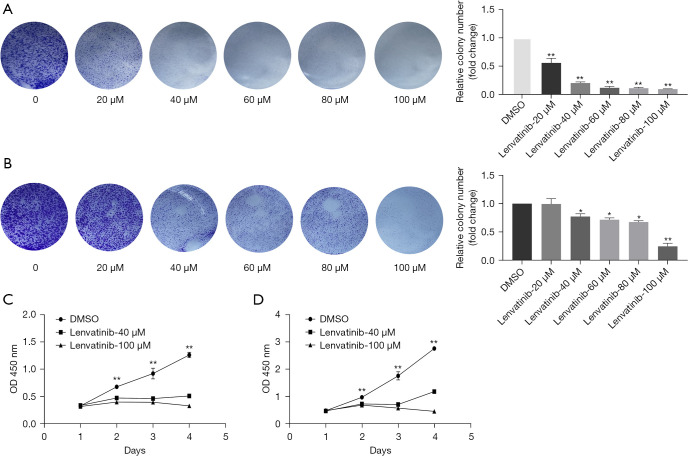
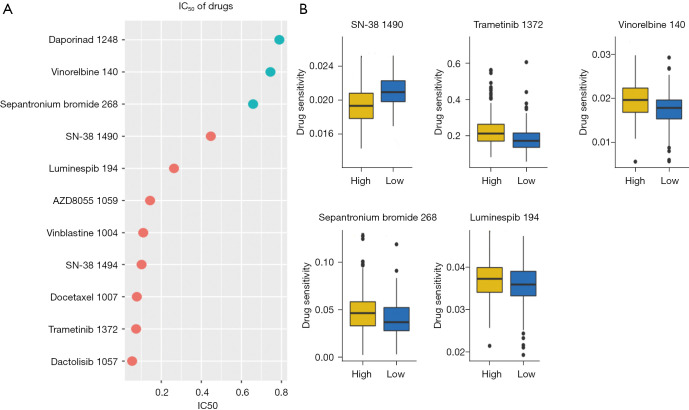
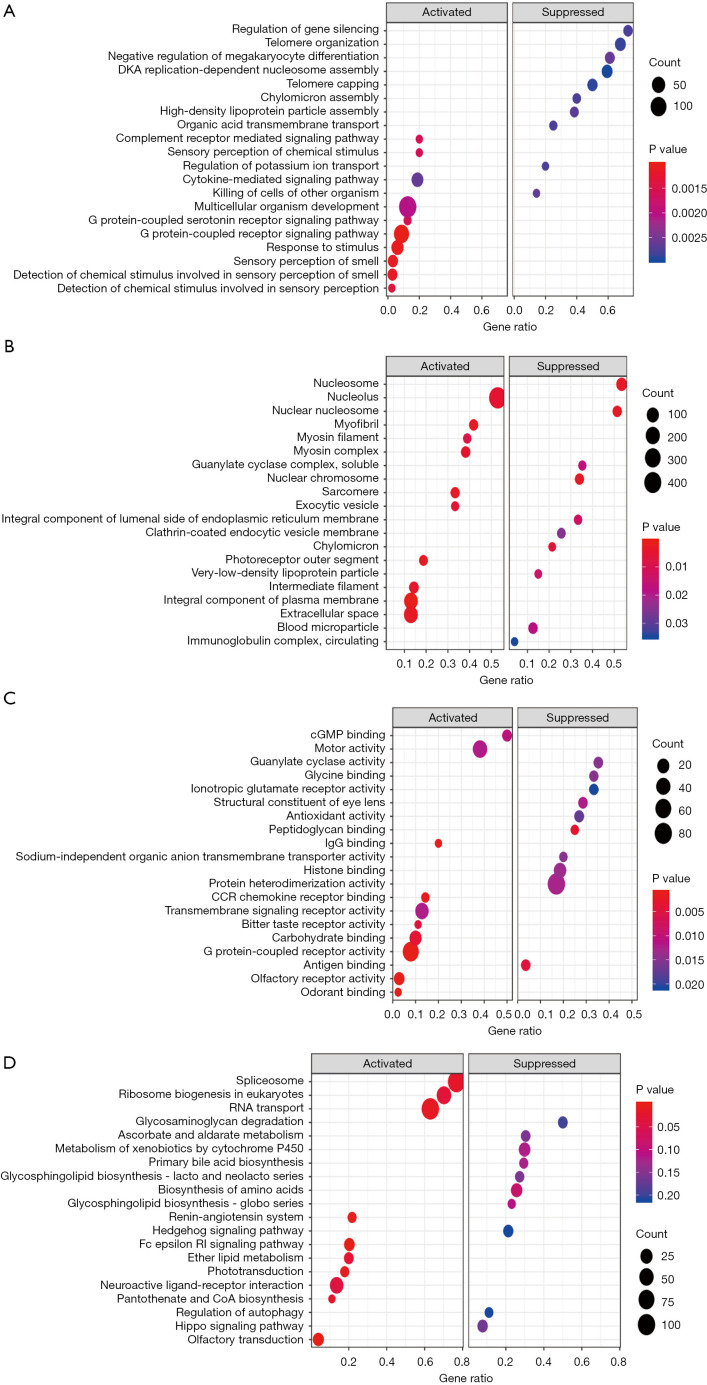
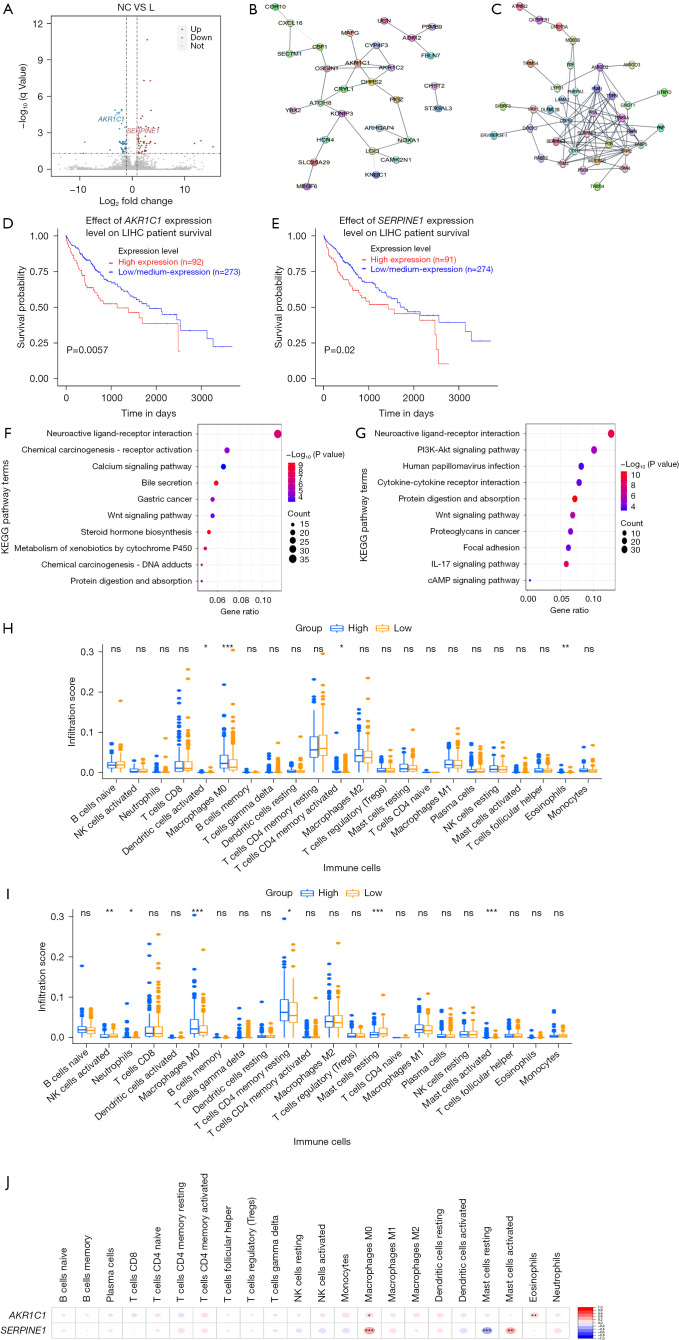
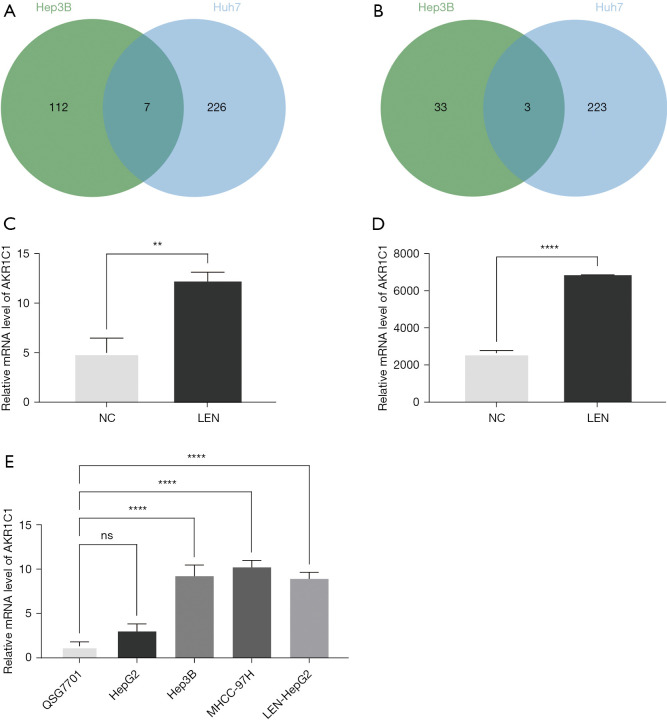
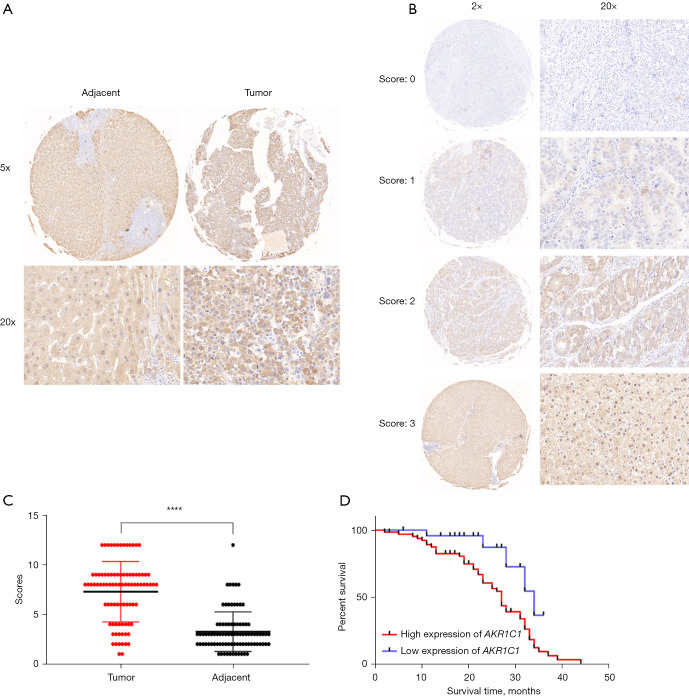
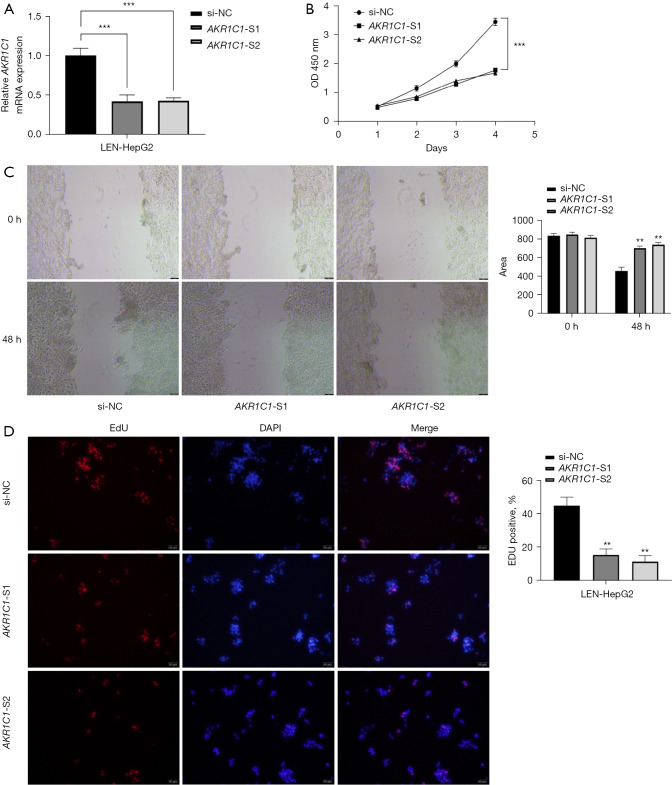
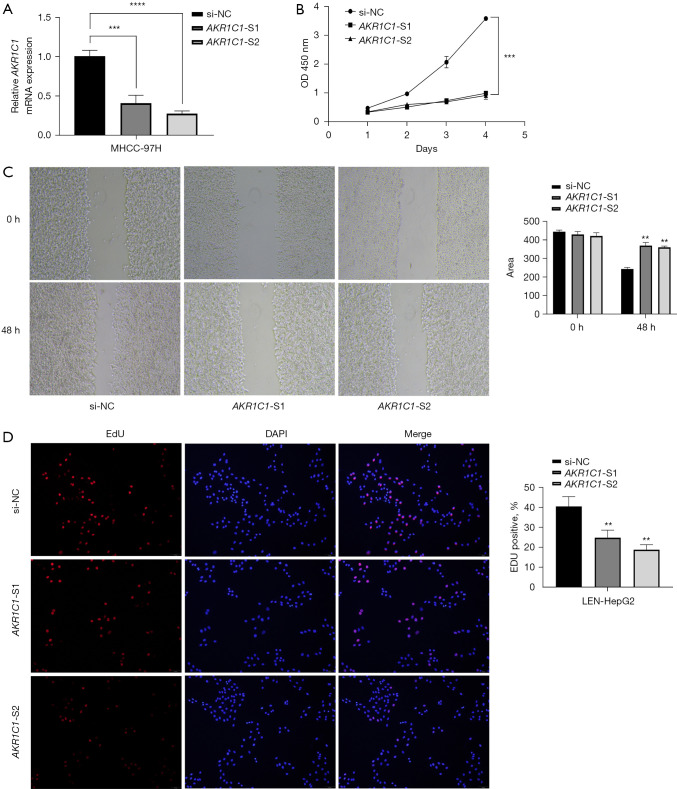
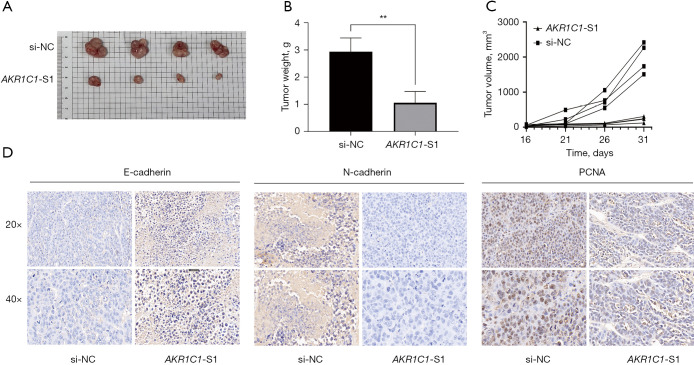
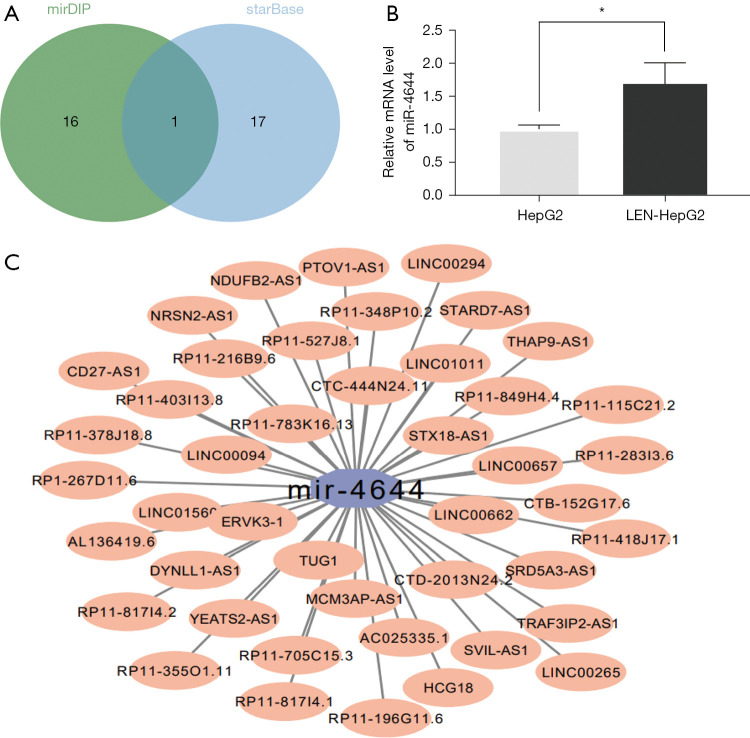
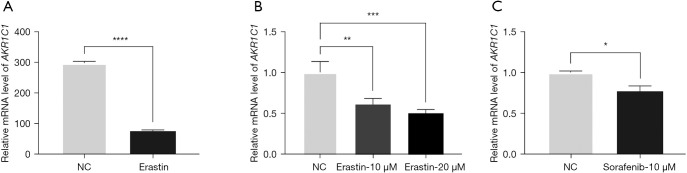
The proliferation of HCC cells was evaluated using colony formation, 5-ethynyl-2'-deoxyuridine (EDU), wound healing, cell counting kit-8 (CCK-8), and xenograft tumor assays. RNA sequencing (RNA-seq) was utilized to comprehensively examine variations in highly metastatic human liver cancer cells (MHCC-97H) cells (treated with various doses of lenvatinib) at the transcriptomic level. Protein interactions and functions were predicted using Cytoscape-generated networks and Kyoto Encyclopedia of Genes and Genomes (KEGG) enrichment, while the proportions of 22 immune cell types were examined with CIBERSORT. Aldo-keto reductase family 1 member C1 () expression was verified by quantitative real time polymerase chain reaction (qRT-PCR) or immunohistochemistry in HCC cells and liver tissues. Micro ribonucleic acid (miRNAs) were predicted using online tools and potential drugs were screened using the Genomics of Drug Sensitivity in Cancer (GDSC) database.
Lenvatinib inhibited the proliferation of HCC cells. The obtained results suggested that an elevated level of expression was observed in lenvatinib-resistant (LR) cell lines and HCC tissues, whereas low expression inhibited the proliferation of HCC cells. Circulating microRNA 4644 () was predicted to serve as a promising biomarker for the early diagnosis of lenvatinib resistance. Online data analysis of LR cells showed significant differences in the immune microenvironment and drug sensitivity compared with their parental counterparts.
Taken together, may serve as a candidate therapeutic target for LR liver cancer patients.
仑伐替尼是一种口服药物,作为多靶点酪氨酸激酶抑制剂发挥作用。它已被批准作为肝细胞癌(HCC)中索拉非尼后的一线药物。然而,目前关于其在HCC中的治疗、靶点和可能的耐药性知之甚少。
使用集落形成、5-乙炔基-2'-脱氧尿苷(EDU)、伤口愈合、细胞计数试剂盒-8(CCK-8)和异种移植肿瘤试验评估HCC细胞的增殖。利用RNA测序(RNA-seq)在转录组水平全面检查高转移性人肝癌细胞(MHCC-97H)细胞(用不同剂量仑伐替尼处理)的变化。使用Cytoscape生成的网络和京都基因与基因组百科全书(KEGG)富集预测蛋白质相互作用和功能,同时用CIBERSORT检查22种免疫细胞类型的比例。通过定量实时聚合酶链反应(qRT-PCR)或免疫组化在HCC细胞和肝组织中验证醛糖酮还原酶家族1成员C1()的表达。使用在线工具预测微小核糖核酸(miRNAs),并使用癌症药物敏感性基因组学(GDSC)数据库筛选潜在药物。
仑伐替尼抑制HCC细胞增殖。所得结果表明,在仑伐替尼耐药(LR)细胞系和HCC组织中观察到表达水平升高,而低表达抑制HCC细胞增殖。循环微小RNA 4644()被预测为仑伐替尼耐药早期诊断的有前景的生物标志物。LR细胞的在线数据分析显示,与亲本细胞相比,免疫微环境和药物敏感性存在显著差异。
综上所述,可能是LR肝癌患者的候选治疗靶点。