Ruff Samantha M, Shannon Alexander H, Pawlik Timothy M
Department of Surgery, Division of Surgical Oncology, The Ohio State University Wexner Medical Center and James Comprehensive Cancer Center, Columbus, OH 43210, USA.
Cancers (Basel). 2023 Jul 6;15(13):3513. doi: 10.3390/cancers15133513.
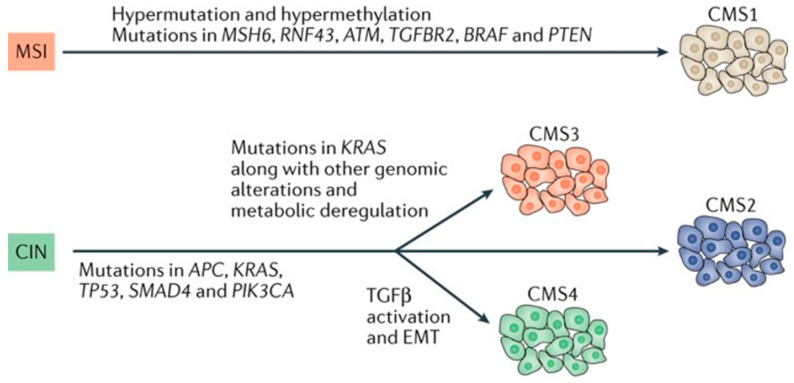
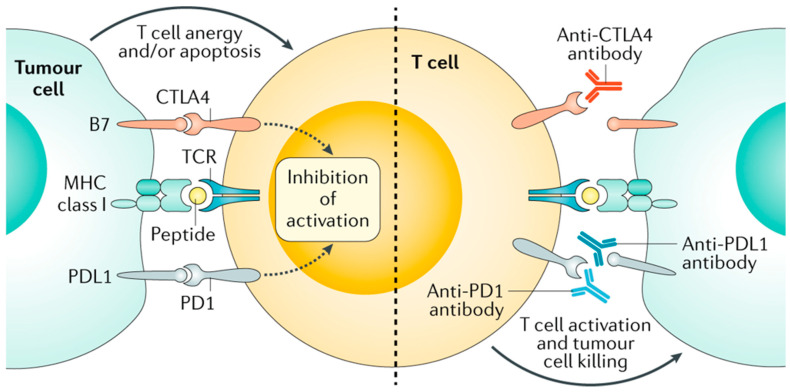
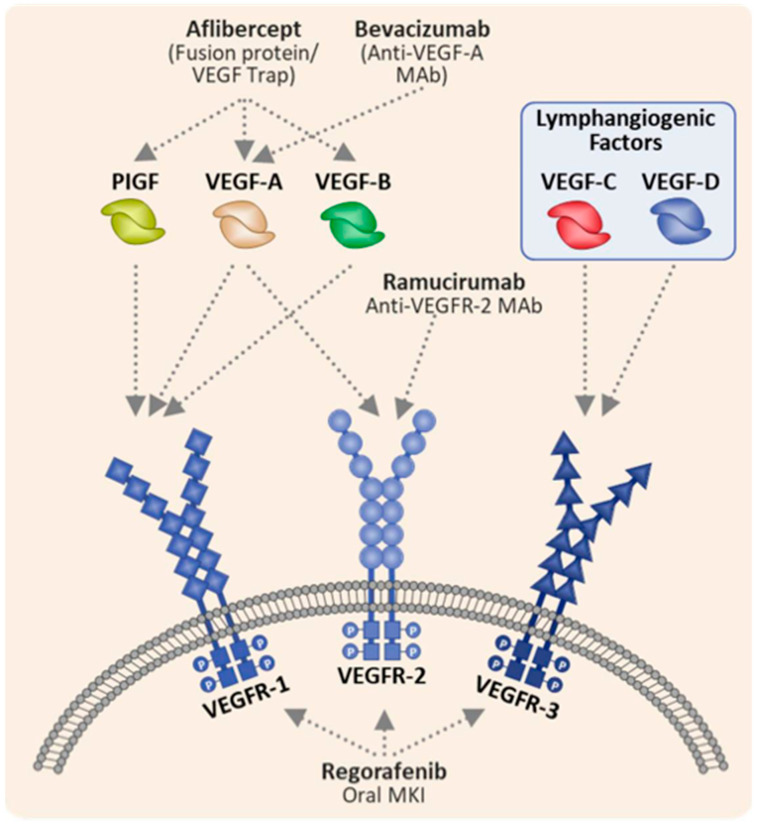
Colorectal cancer (CRC) is the second most common cause of cancer-related mortality in the United States. Among newly diagnosed patients with CRC, 20% will present with metastatic disease and another 25% will develop metastases. The surgical resection of the primary tumor and metastatic disease sites confers the best chance at long-term survival. Unfortunately, many patients will recur after resection or present with unresectable disease. As such, metastatic CRC is commonly treated with a combination of surgery, systemic therapy, and/or liver-directed therapies. Despite best efforts, 5-year survival for unresectable metastatic CRC is only about 20%. CRC is a heterogeneous disease and the underlying genetic differences inform behavior, treatment strategy, and prognosis. Given the limitations of cytotoxic chemotherapy and the growing role of molecular profiling, research has focused on identifying and developing targeted therapies. We herein review how genetic profiling informs prognosis, crucial cell-signaling pathways that play a role in CRC carcinogenesis, and currently approved targeted therapies for metastatic CRC.
结直肠癌(CRC)是美国癌症相关死亡的第二大常见原因。在新诊断的CRC患者中,20%会出现转移性疾病,另有25%会发生转移。手术切除原发性肿瘤和转移性疾病部位是获得长期生存的最佳机会。不幸的是,许多患者在切除后会复发或出现不可切除的疾病。因此,转移性CRC通常采用手术、全身治疗和/或肝脏定向治疗相结合的方法进行治疗。尽管尽了最大努力,不可切除的转移性CRC的5年生存率仅约为20%。CRC是一种异质性疾病,潜在的基因差异决定了其行为、治疗策略和预后。鉴于细胞毒性化疗的局限性以及分子谱分析的作用日益增加,研究集中在识别和开发靶向治疗上。我们在此回顾基因谱分析如何为预后提供信息、在CRC致癌过程中起作用的关键细胞信号通路以及目前批准用于转移性CRC的靶向治疗。