Oncology Institute, Sheba Medical Center, Tel Hashomer, Israel.
Faculty of Medicine, Tel Aviv University, Tel Aviv, Israel.
Cancer Discov. 2023 Aug 4;13(8):1826-1843. doi: 10.1158/2159-8290.CD-22-0412.
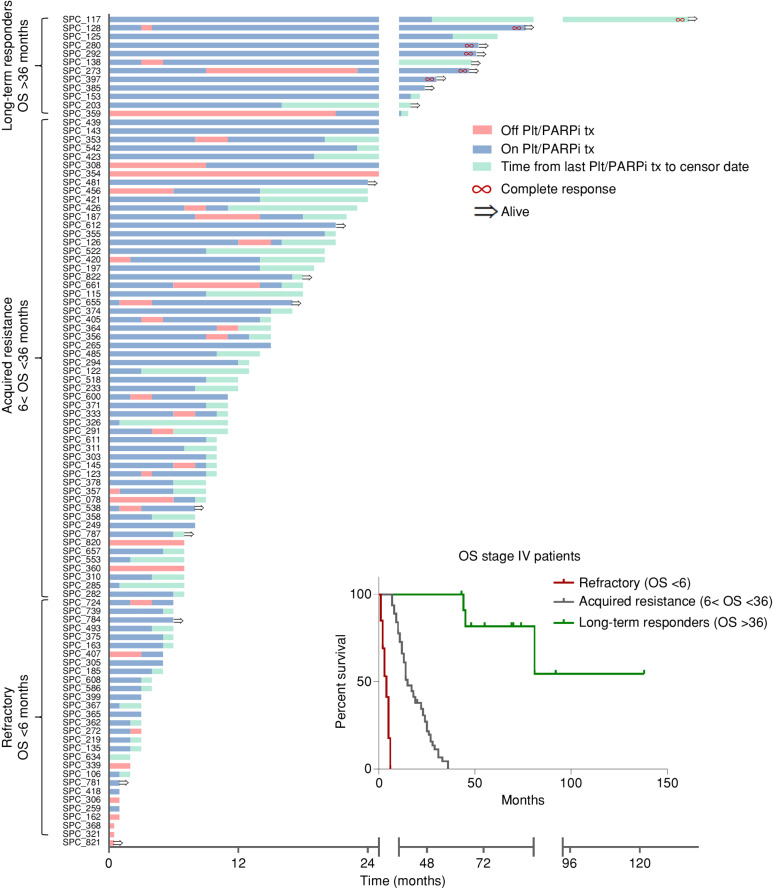
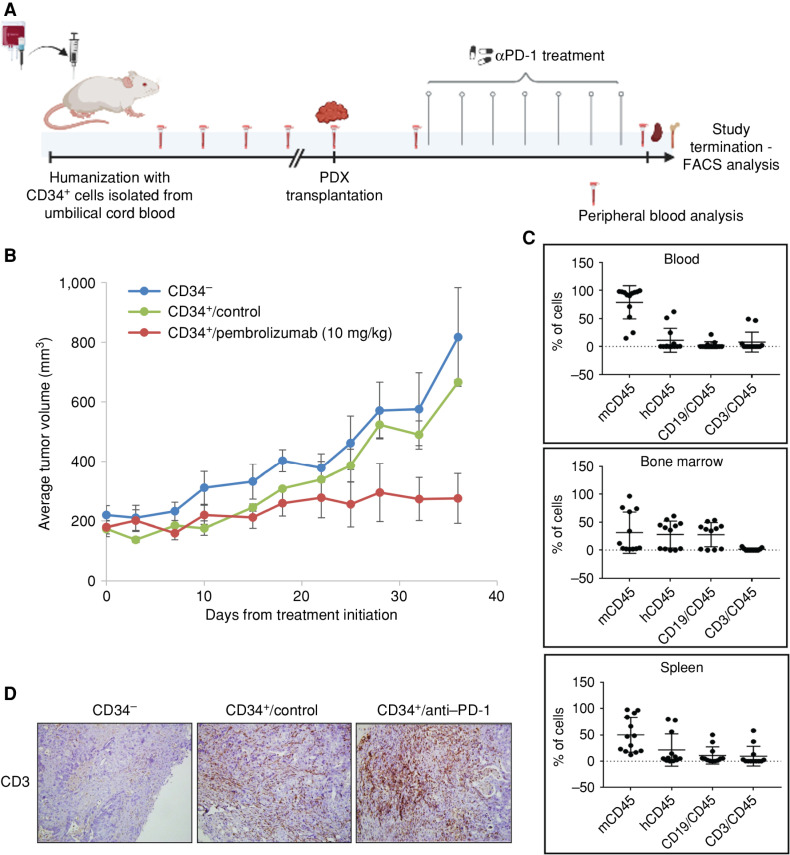
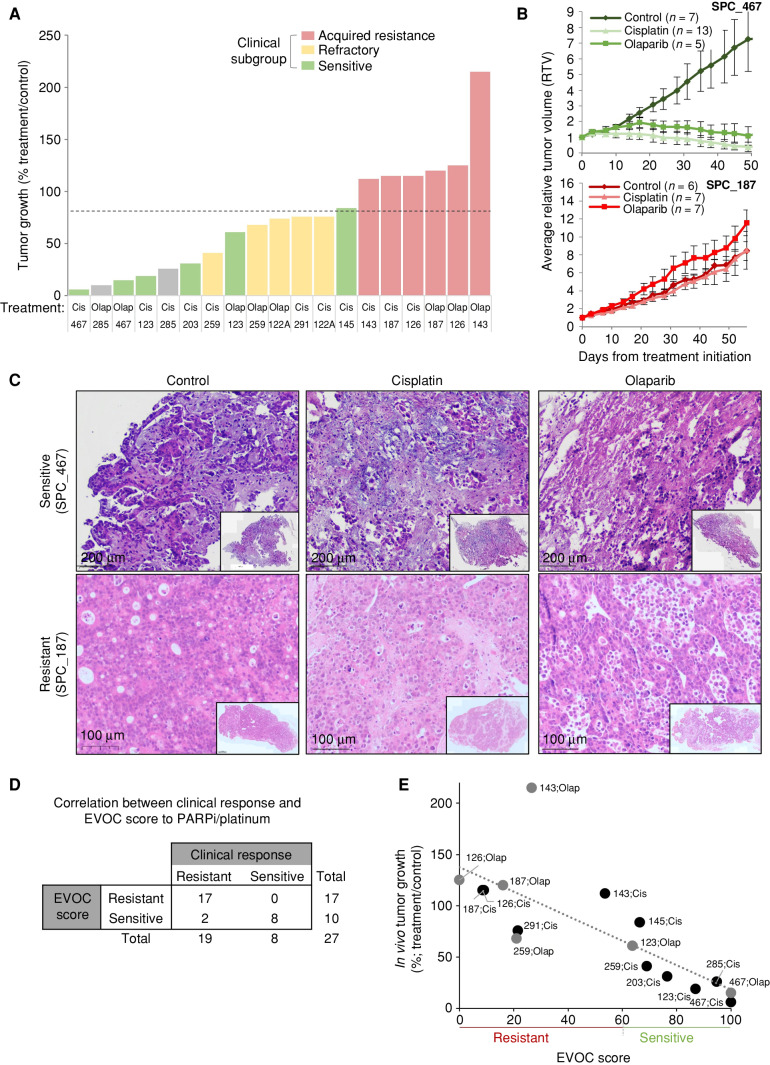
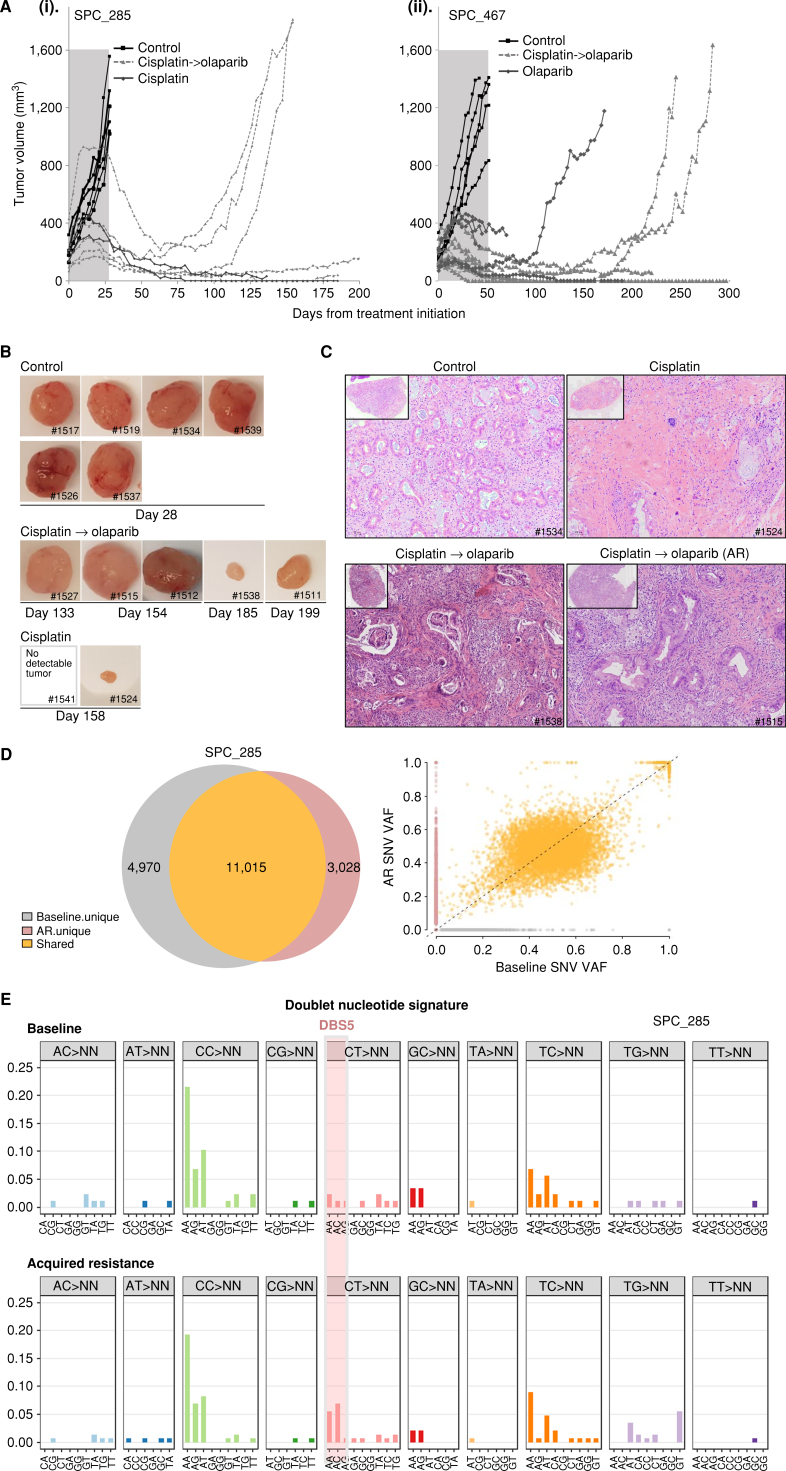
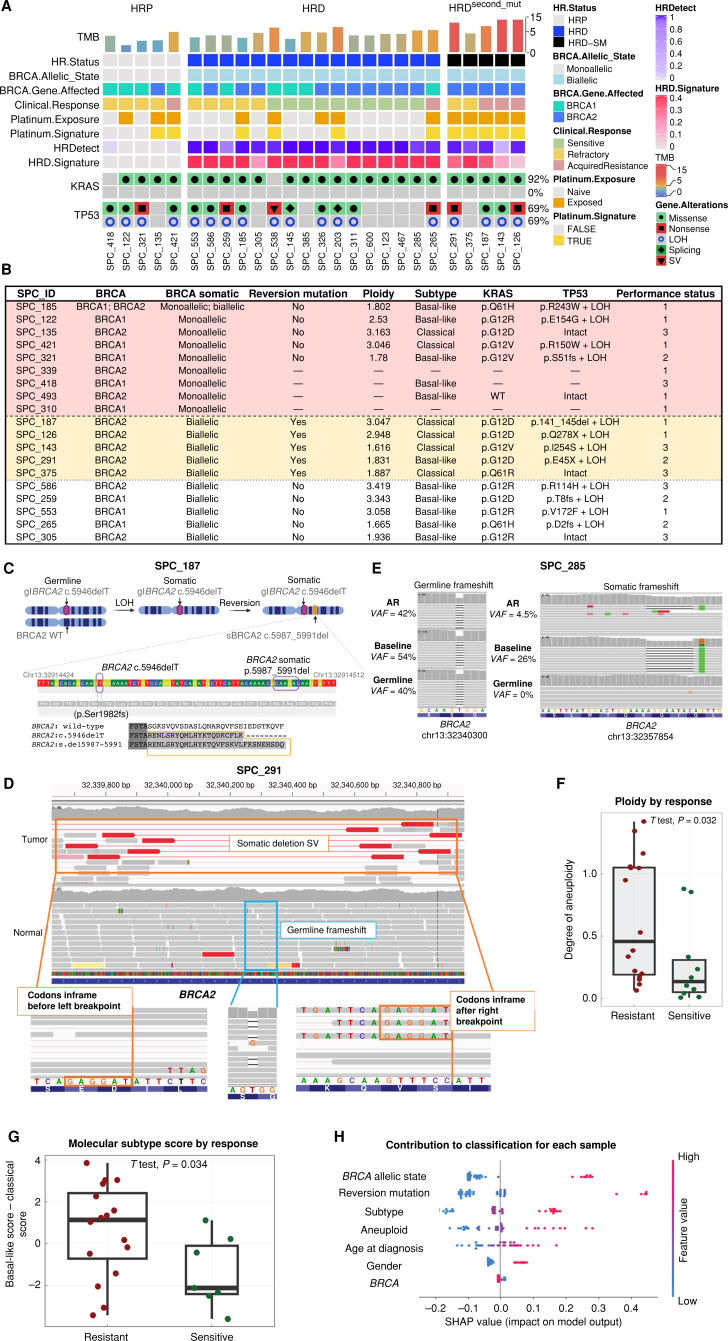
Germline BRCA-associated pancreatic ductal adenocarcinoma (glBRCA PDAC) tumors are susceptible to platinum and PARP inhibition. The clinical outcomes of 125 patients with glBRCA PDAC were stratified based on the spectrum of response to platinum/PARP inhibition: (i) refractory [overall survival (OS) <6 months], (ii) durable response followed by acquired resistance (OS <36 months), and (iii) long-term responders (OS >36 months). Patient-derived xenografts (PDX) were generated from 25 patients with glBRCA PDAC at different clinical time points. Response to platinum/PARP inhibition in vivo and ex vivo culture (EVOC) correlated with clinical response. We deciphered the mechanisms of resistance in glBRCA PDAC and identified homologous recombination (HR) proficiency and secondary mutations restoring partial functionality as the most dominant resistant mechanism. Yet, a subset of HR-deficient (HRD) patients demonstrated clinical resistance. Their tumors displayed basal-like molecular subtype and were more aneuploid. Tumor mutational burden was high in HRD PDAC and significantly higher in tumors with secondary mutations. Anti-PD-1 attenuated tumor growth in a novel humanized glBRCA PDAC PDX model. This work demonstrates the utility of preclinical models, including EVOC, to predict the response of glBRCA PDAC to treatment, which has the potential to inform time-sensitive medical decisions.
glBRCA PDAC has a favorable response to platinum/PARP inhibition. However, most patients develop resistance. Additional treatment options for this unique subpopulation are needed. We generated model systems in PDXs and an ex vivo system (EVOC) that faithfully recapitulate these specific clinical scenarios as a platform to investigate the mechanisms of resistance for further drug development. This article is highlighted in the In This Issue feature, p. 1749.
胚系 BRCA 相关的胰腺导管腺癌(glBRCA PDAC)肿瘤对铂类和 PARP 抑制剂敏感。根据对铂类/PARP 抑制的反应谱,对 125 例 glBRCA PDAC 患者的临床结果进行分层:(i)耐药[总生存期(OS)<6 个月],(ii)持久缓解后获得性耐药(OS<36 个月),和(iii)长期缓解者(OS>36 个月)。从 25 例不同临床时间点的 glBRCA PDAC 患者中生成了患者来源的异种移植物(PDX)。体内和体外培养(EVOC)对铂类/PARP 抑制的反应与临床反应相关。我们破译了 glBRCA PDAC 的耐药机制,并确定同源重组(HR)功能正常和恢复部分功能的二次突变是最主要的耐药机制。然而,一部分 HR 缺陷(HRD)患者表现出临床耐药。他们的肿瘤显示出基底样分子亚型,并且更非整倍体。HRD PDAC 的肿瘤突变负担较高,且具有二次突变的肿瘤负担更高。抗 PD-1 在一种新型人源 glBRCA PDAC PDX 模型中减弱了肿瘤生长。这项工作证明了包括 EVOC 在内的临床前模型在预测 glBRCA PDAC 对治疗的反应方面的实用性,这有可能为及时做出医疗决策提供信息。
glBRCA PDAC 对铂类/PARP 抑制有良好的反应。然而,大多数患者会产生耐药性。需要为这一独特的亚群提供额外的治疗选择。我们在 PDX 和体外系统(EVOC)中生成了模型系统,这些系统忠实地再现了这些特定的临床情况,作为一个平台来研究耐药的机制,以进一步开发药物。本文在本期特色文章中重点介绍,第 1749 页。