Varghese Anna M, Perry Maria A, Chou Joanne F, Nandakumar Subhiksha, Muldoon Daniel, Erakky Amanda, Zucker Amanda, Fong Christopher, Mehine Miika, Nguyen Bastien, Basturk Olca, Balogun Fiyinfolu, Kelsen David P, Brannon A Rose, Mandelker Diana, Vakiani Efsevia, Park Wungki, Yu Kenneth H, Stadler Zsofia K, Schattner Mark A, Jarnagin William R, Wei Alice C, Chakravarty Debyani, Capanu Marinela, Schultz Nikolaus, Berger Michael F, Iacobuzio-Donahue Christine A, Bandlamudi Chaitanya, O'Reilly Eileen M
Department of Medicine, Memorial Sloan Kettering Cancer Center, New York City, NY, USA.
David M. Rubenstein Center for Pancreatic Cancer Research, Memorial Sloan Kettering Cancer Center, New York City, NY, USA.
Nat Med. 2025 Feb;31(2):466-477. doi: 10.1038/s41591-024-03362-3. Epub 2025 Jan 3.
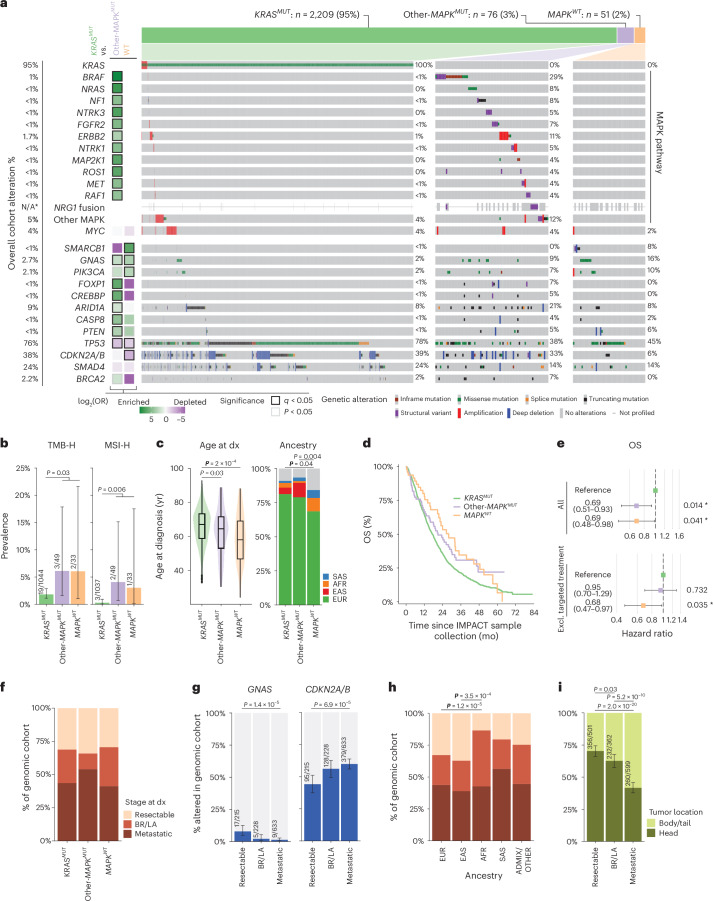
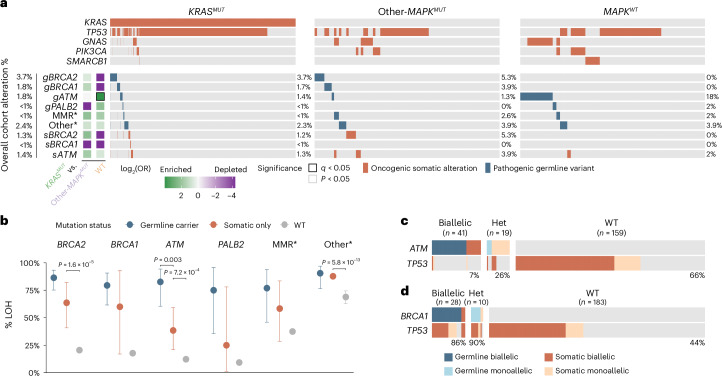
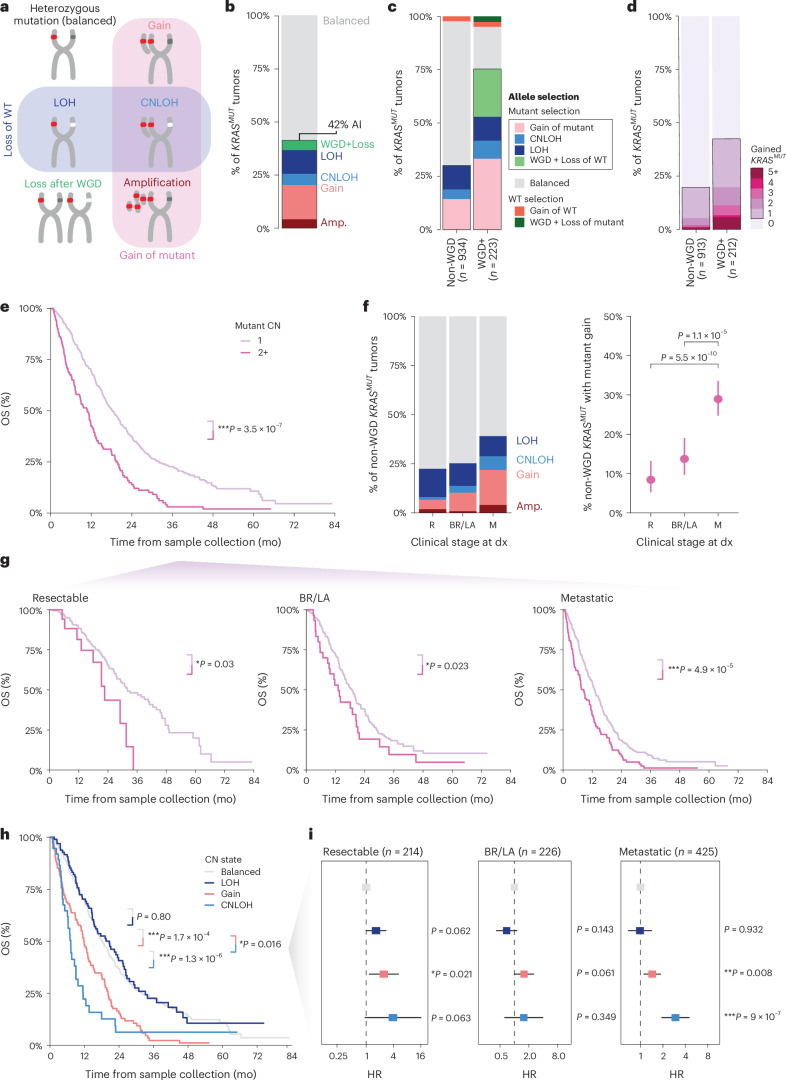
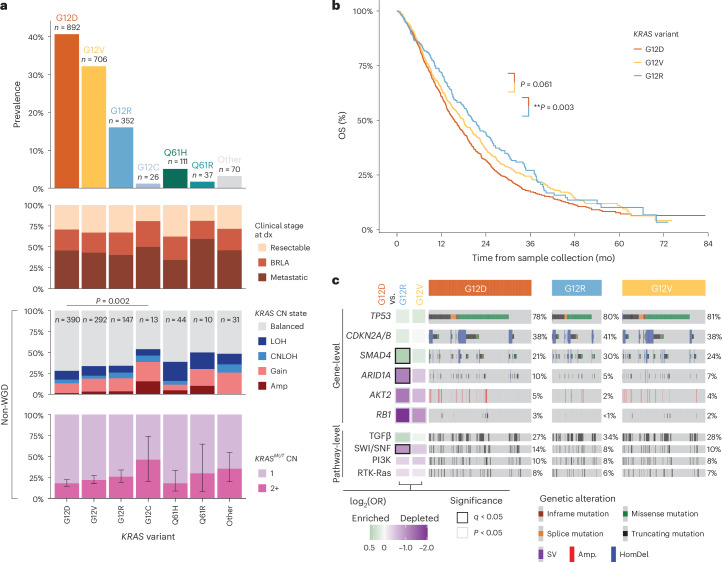
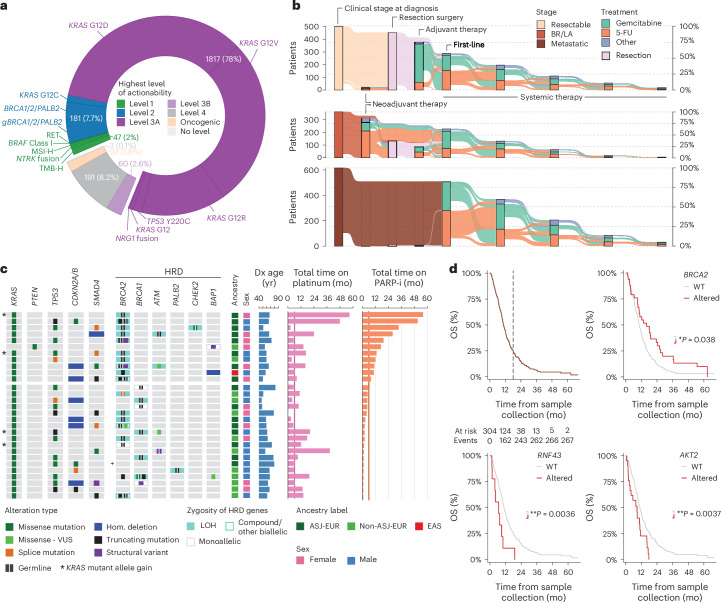
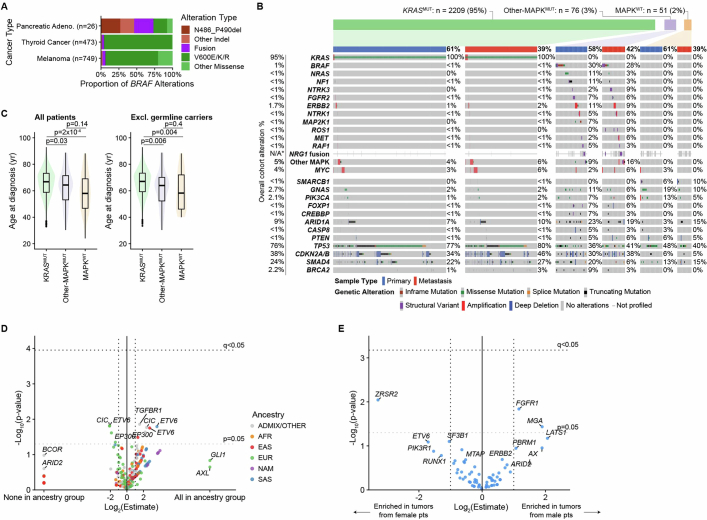
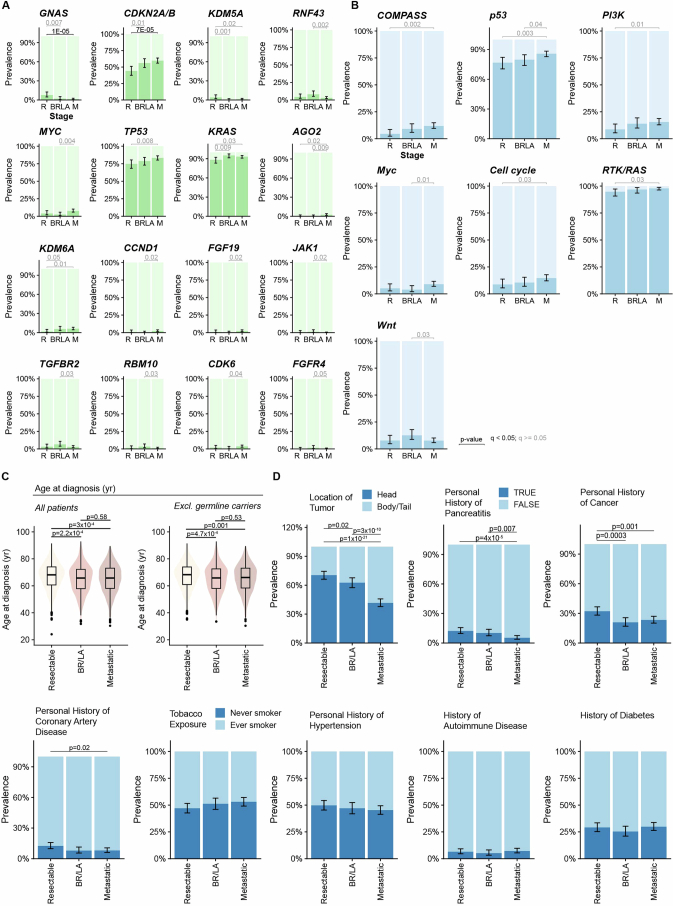
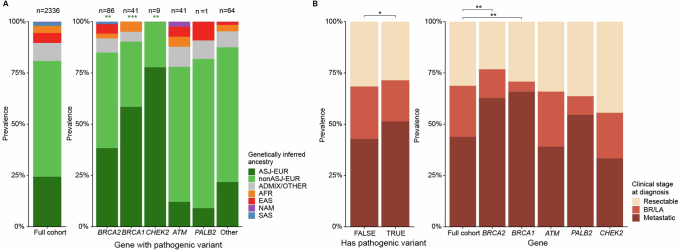
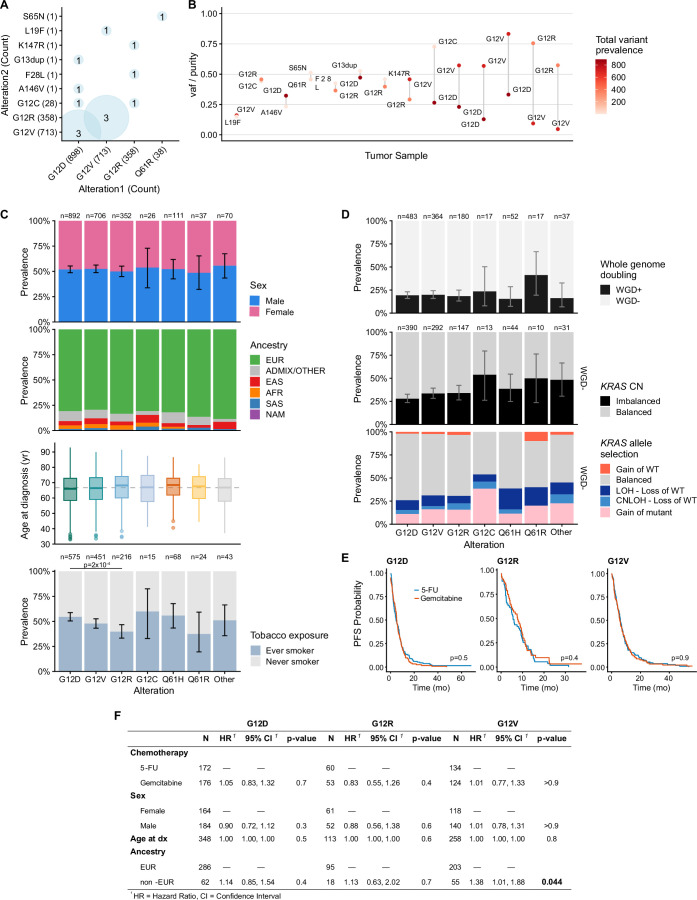
Nearly all pancreatic adenocarcinomas (PDAC) are genomically characterized by KRAS exon 2 mutations. Most patients with PDAC present with advanced disease and are treated with cytotoxic therapy. Genomic biomarkers prognostic of disease outcomes have been challenging to identify. Herein leveraging a cohort of 2,336 patients spanning all disease stages, we characterize the genomic and clinical correlates of outcomes in PDAC. We show that a genomic subtype of KRAS wild-type tumors is associated with early disease onset, distinct somatic and germline features, and significantly better overall survival. Allelic imbalances at the KRAS locus are widespread. KRAS mutant allele dosage gains, observed in one in five (20%) KRAS-mutated diploid tumors, are correlated with advanced disease and demonstrate prognostic potential across disease stages. With the rapidly expanding landscape of KRAS targeting, our findings have potential implications for clinical practice and for understanding de novo and acquired resistance to RAS therapeutics.
几乎所有胰腺腺癌(PDAC)在基因组上都具有KRAS外显子2突变的特征。大多数PDAC患者就诊时已处于疾病晚期,并接受细胞毒性治疗。确定可预测疾病预后的基因组生物标志物一直具有挑战性。在此,我们利用一个涵盖所有疾病阶段的2336例患者队列,对PDAC患者预后的基因组和临床相关性进行了特征分析。我们发现,KRAS野生型肿瘤的一种基因组亚型与疾病早期发病、独特的体细胞和种系特征以及显著更好的总生存期相关。KRAS基因座的等位基因不平衡很普遍。在五分之一(20%)的KRAS突变二倍体肿瘤中观察到的KRAS突变等位基因剂量增加,与晚期疾病相关,并在各个疾病阶段都显示出预后潜力。随着KRAS靶向治疗领域的迅速扩展,我们的发现对临床实践以及理解对RAS治疗的原发性和获得性耐药具有潜在意义。