Department of Experimental Research, State Key Laboratory of Oncology in South China, Collaborative Innovation Center for Cancer Medicine and.
Department of Biochemistry, Zhongshan School of Medicine, Sun Yat-sen University, Guangzhou, Guangdong China.
J Clin Invest. 2023 Jul 17;133(14):e164428. doi: 10.1172/JCI164428.
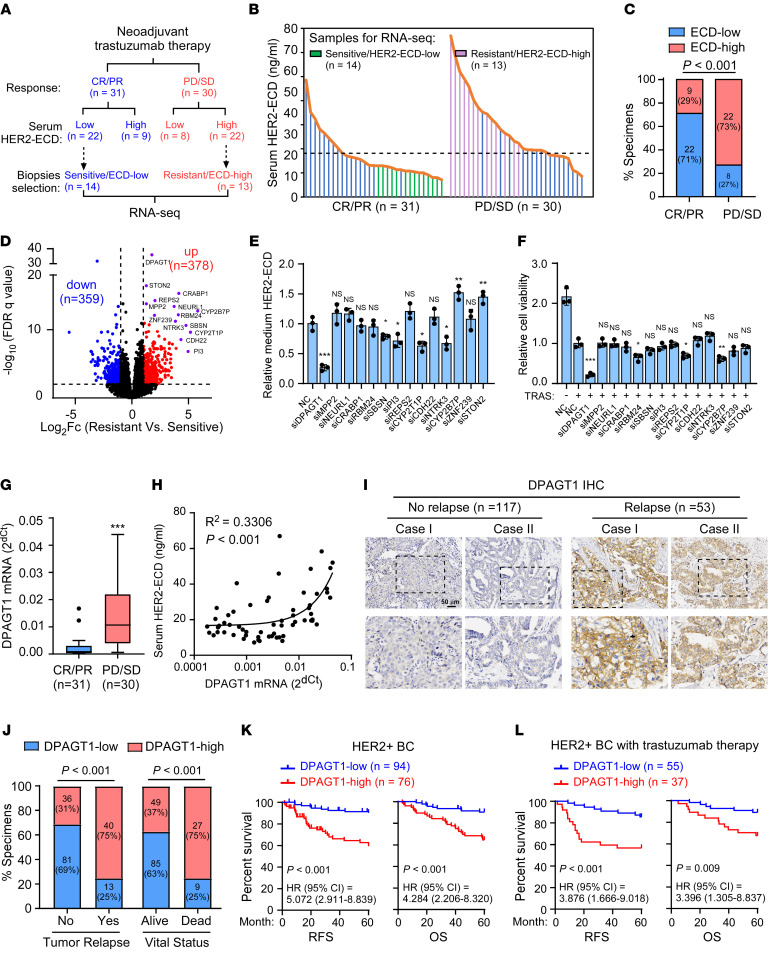
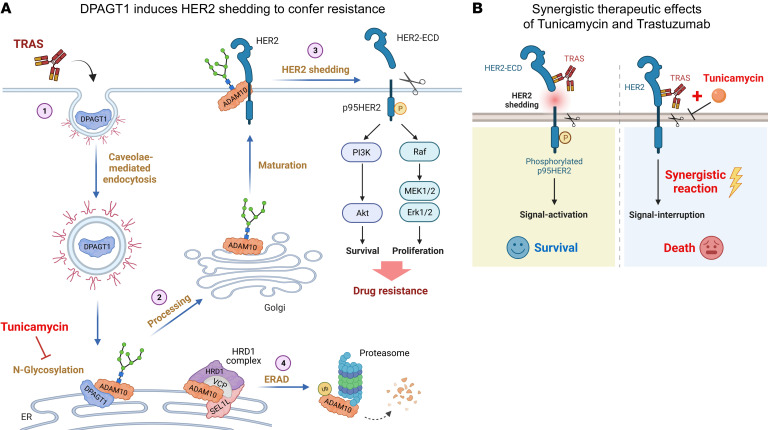
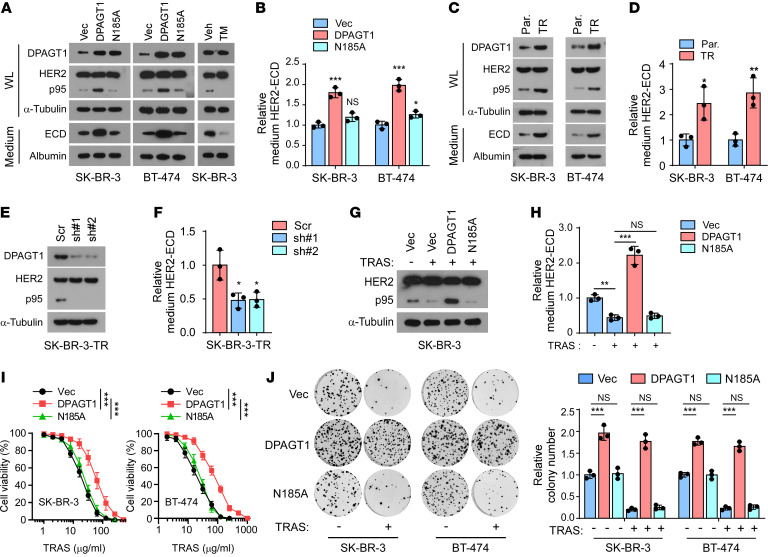
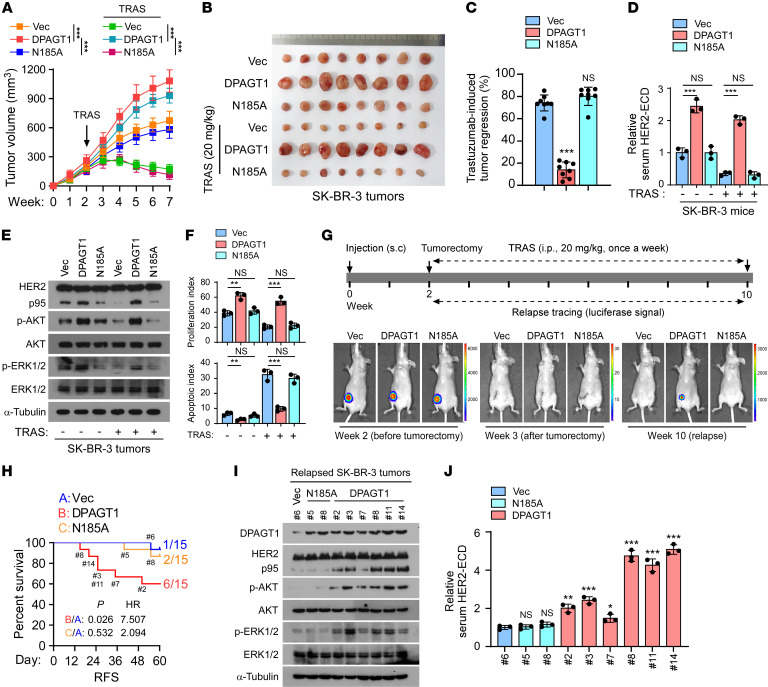
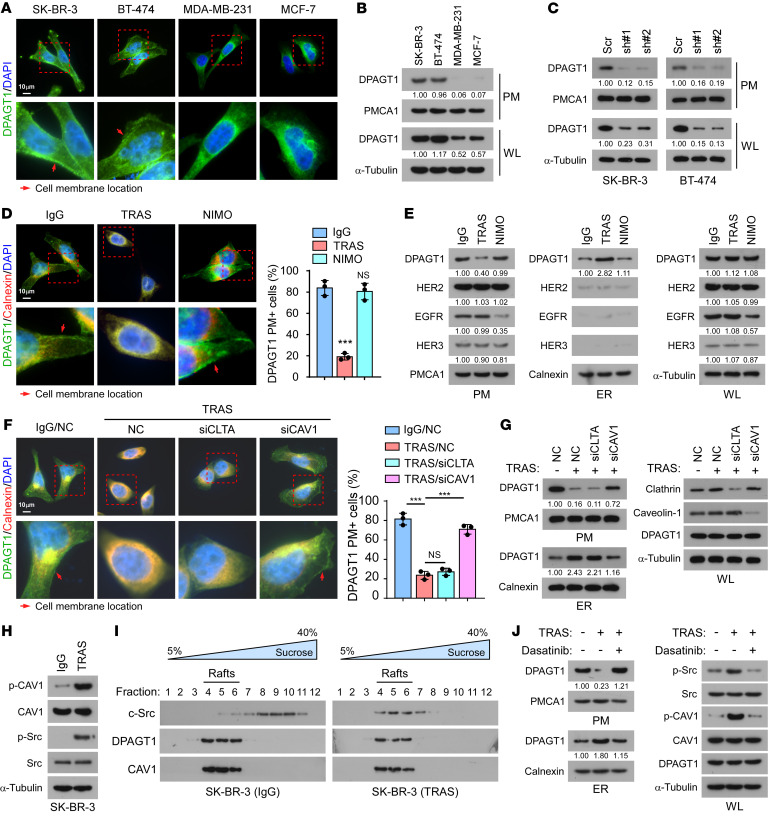
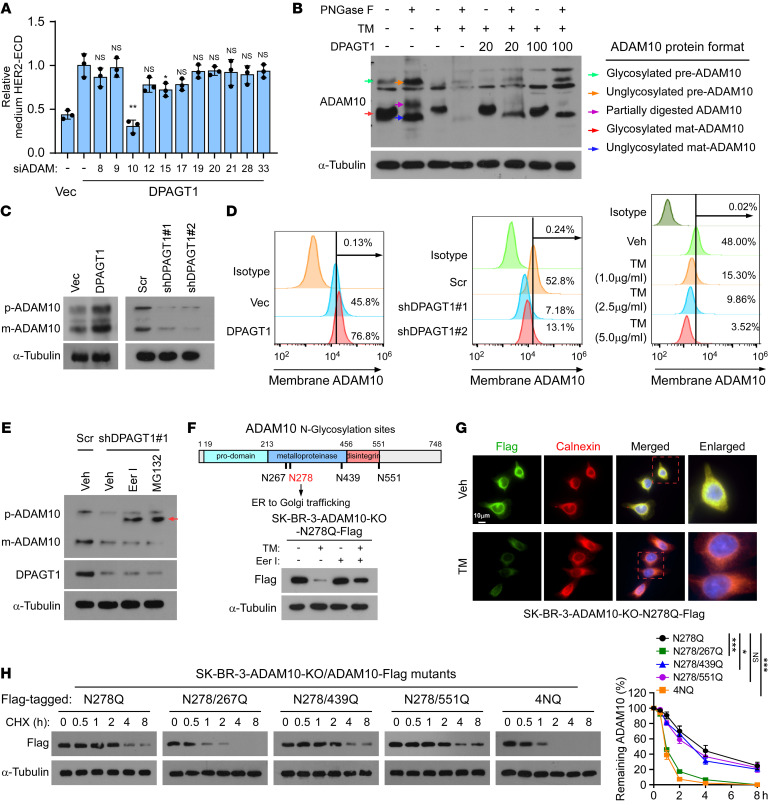
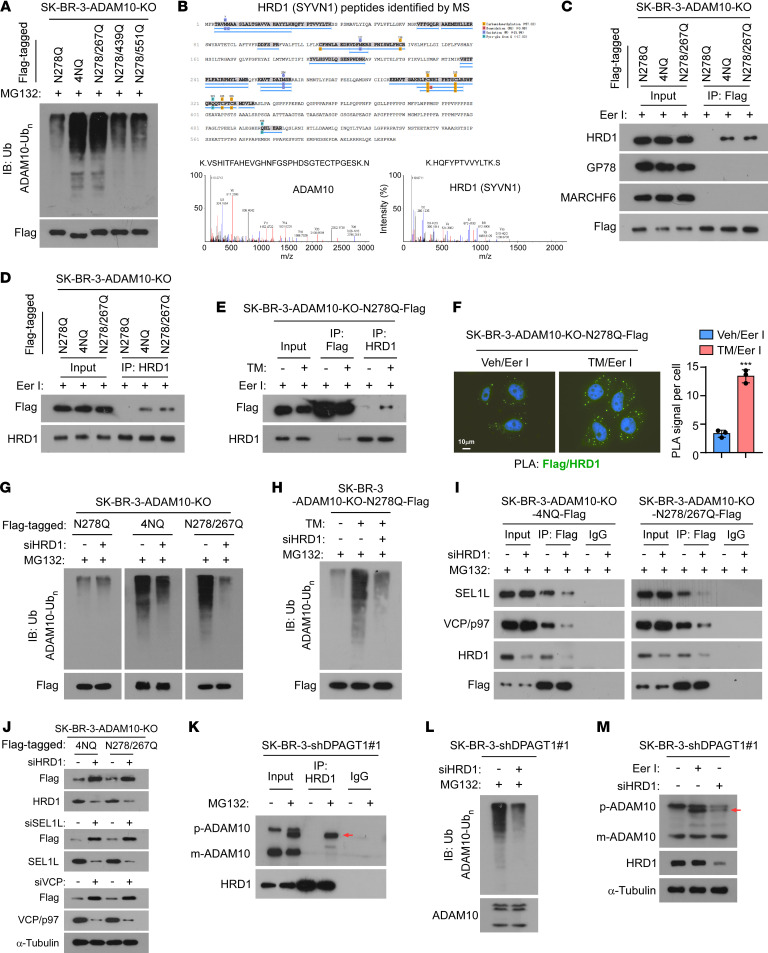
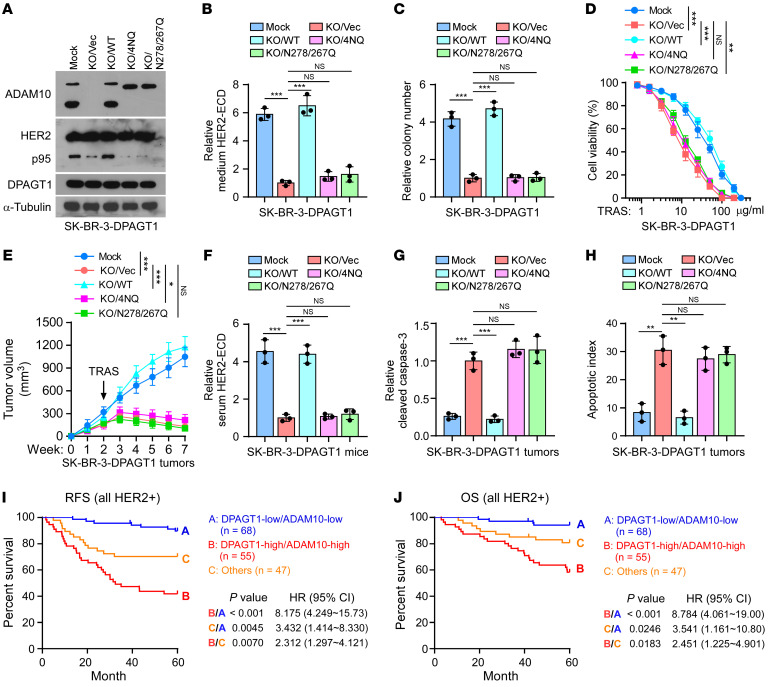
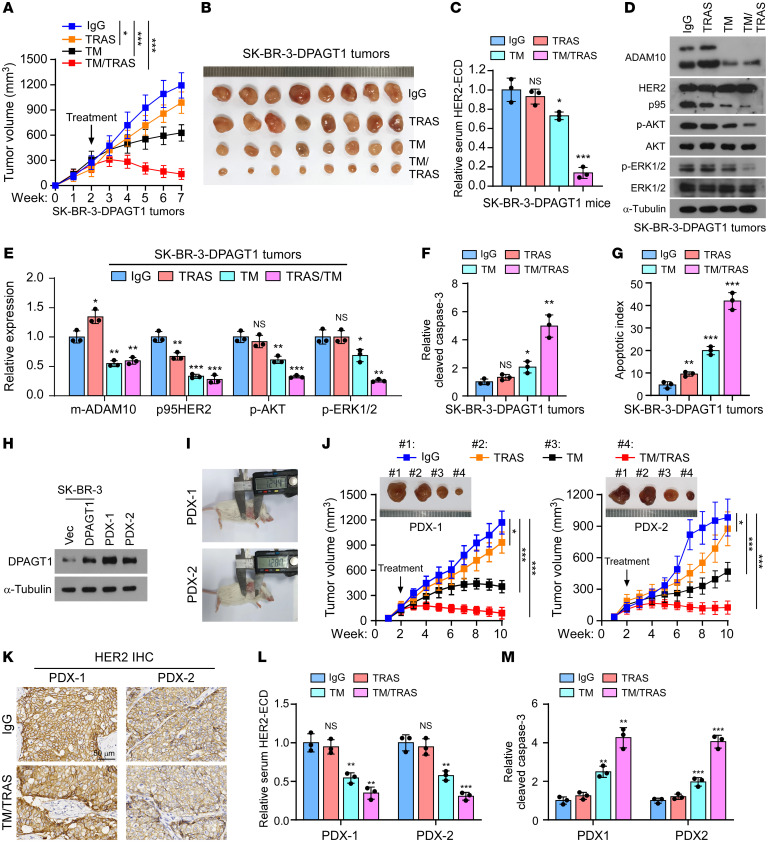
Human epidermal growth factor receptor 2-targeted (HER2-targeted) therapy is the mainstay of treatment for HER2+ breast cancer. However, the proteolytic cleavage of HER2, or HER2 shedding, induces the release of the target epitope at the ectodomain (ECD) and the generation of a constitutively active intracellular fragment (p95HER2), impeding the effectiveness of anti-HER2 therapy. Therefore, identifying key regulators in HER2 shedding might provide promising targetable vulnerabilities against resistance. In the current study, we found that upregulation of dolichyl-phosphate N-acetylglucosaminyltransferase (DPAGT1) sustained high-level HER2 shedding to confer trastuzumab resistance, which was associated with poor clinical outcomes. Upon trastuzumab treatment, the membrane-bound DPAGT1 protein was endocytosed via the caveolae pathway and retrogradely transported to the ER, where DPAGT1 induced N-glycosylation of the sheddase - ADAM metallopeptidase domain 10 (ADAM10) - to ensure its expression, maturation, and activation. N-glycosylation of ADAM10 at N267 protected itself from ER-associated protein degradation and was essential for DPAGT1-mediated HER2 shedding and trastuzumab resistance. Importantly, inhibition of DPAGT1 with tunicamycin acted synergistically with trastuzumab treatment to block HER2 signaling and reverse resistance. These findings reveal a prominent mechanism for HER2 shedding and suggest that targeting DPAGT1 might be a promising strategy against trastuzumab-resistant breast cancer.
人表皮生长因子受体 2 靶向(HER2 靶向)治疗是 HER2+乳腺癌治疗的主要手段。然而,HER2 的蛋白水解切割,或 HER2 脱落,诱导靶表位在细胞外结构域(ECD)中的释放,并产生组成型活性的细胞内片段(p95HER2),从而阻碍了抗 HER2 治疗的效果。因此,鉴定 HER2 脱落中的关键调节因子可能为耐药性提供有希望的靶向弱点。在本研究中,我们发现,多萜醇磷酸 N-乙酰氨基葡萄糖基转移酶(DPAGT1)的上调维持高水平的 HER2 脱落,从而赋予曲妥珠单抗耐药性,这与不良的临床结局相关。在曲妥珠单抗治疗后,膜结合的 DPAGT1 蛋白通过 caveolae 途径被内吞,并逆行转运到内质网,在那里 DPAGT1 诱导脱落酶 - 天冬氨酸蛋白水解酶金属肽酶结构域 10(ADAM10)的 N-糖基化,以确保其表达、成熟和激活。ADAM10 上 N267 的 N-糖基化使其免受内质网相关蛋白降解的影响,并且对于 DPAGT1 介导的 HER2 脱落和曲妥珠单抗耐药性至关重要。重要的是,用衣霉素抑制 DPAGT1 与曲妥珠单抗治疗协同作用,阻断 HER2 信号并逆转耐药性。这些发现揭示了 HER2 脱落的一个显著机制,并表明靶向 DPAGT1 可能是对抗曲妥珠单抗耐药性乳腺癌的一种有前途的策略。