Weill Institute for Neurosciences, Department of Neurology, University of California, San Francisco, CA, USA.
Department of Biological Sciences, The University of North Carolina at Charlotte, Charlotte, NC, USA.
Nature. 2023 Aug;620(7972):128-136. doi: 10.1038/s41586-023-06331-x. Epub 2023 Jul 19.
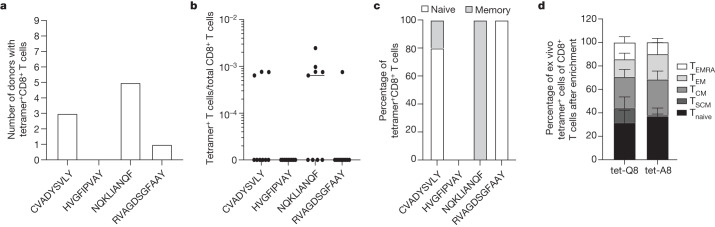
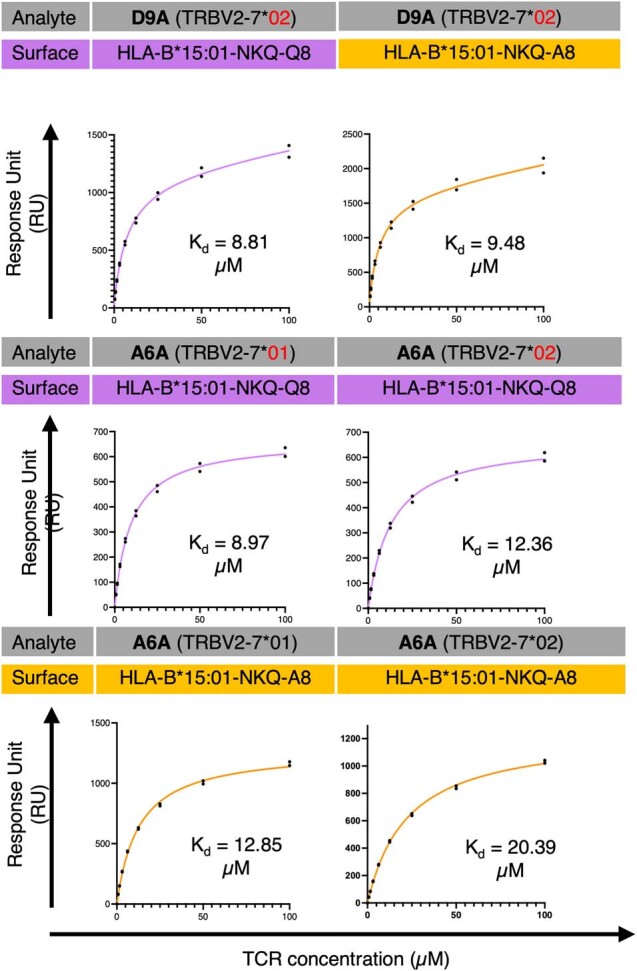
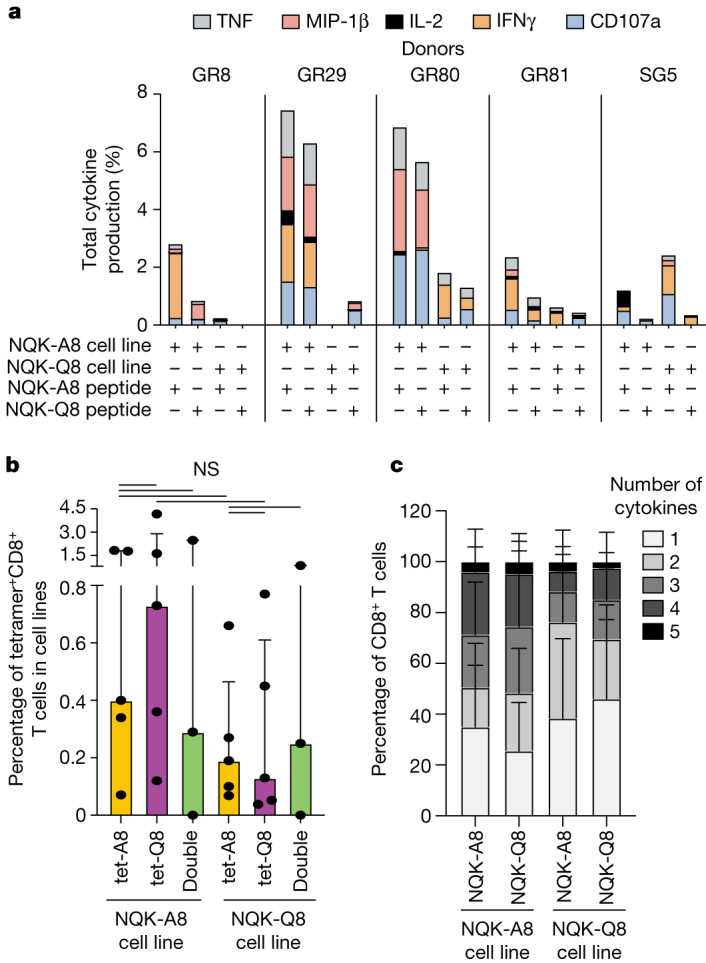
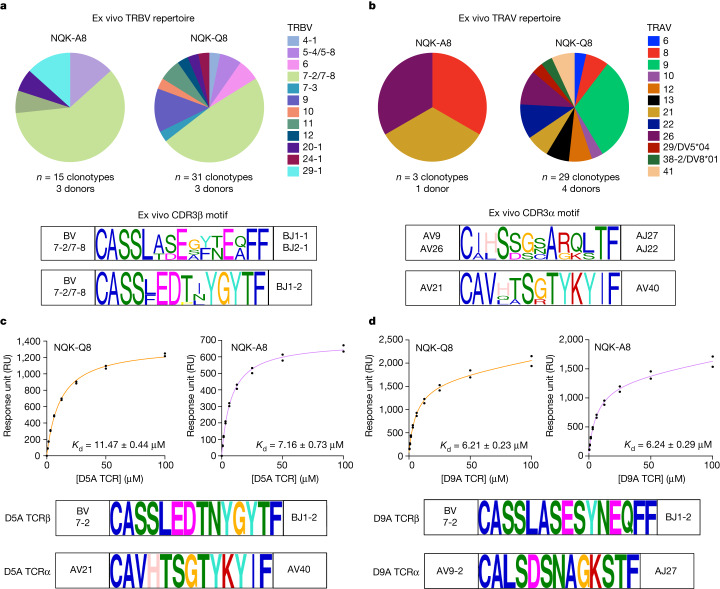
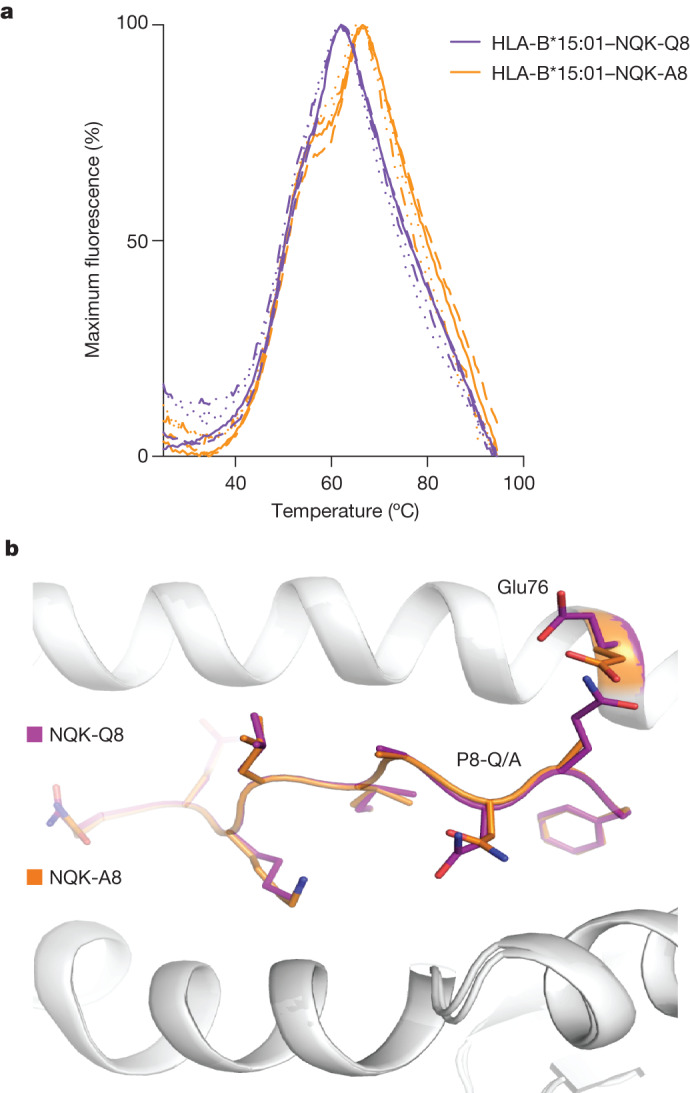
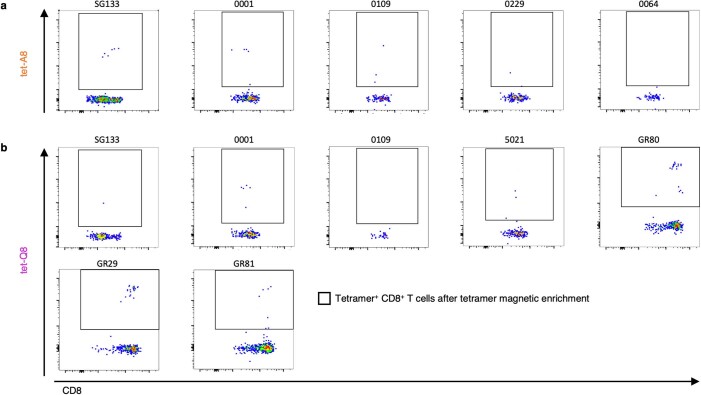
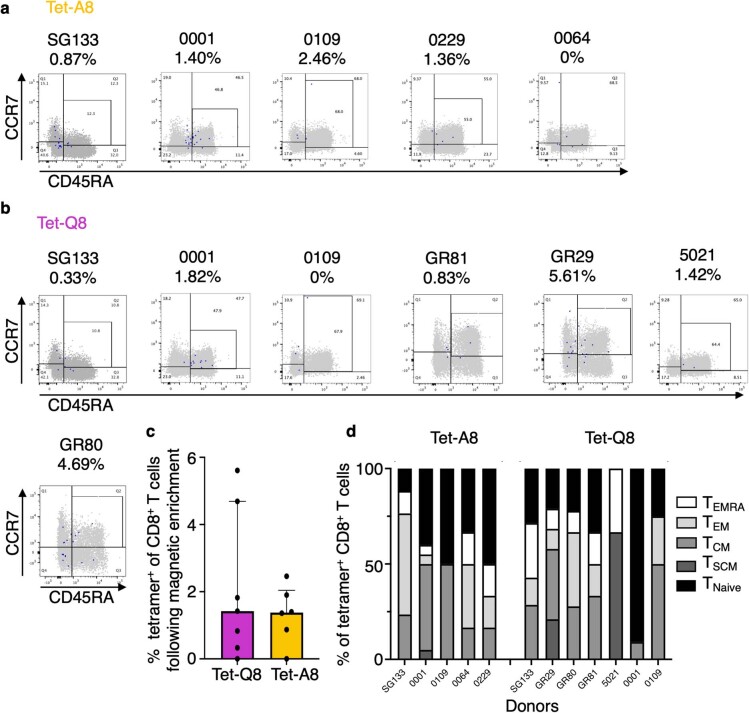
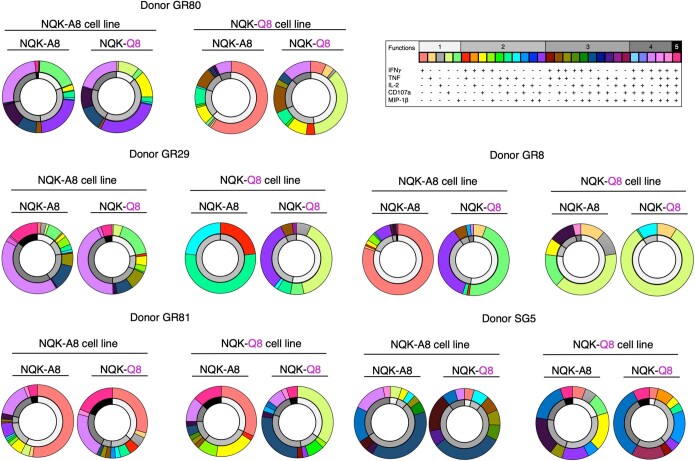
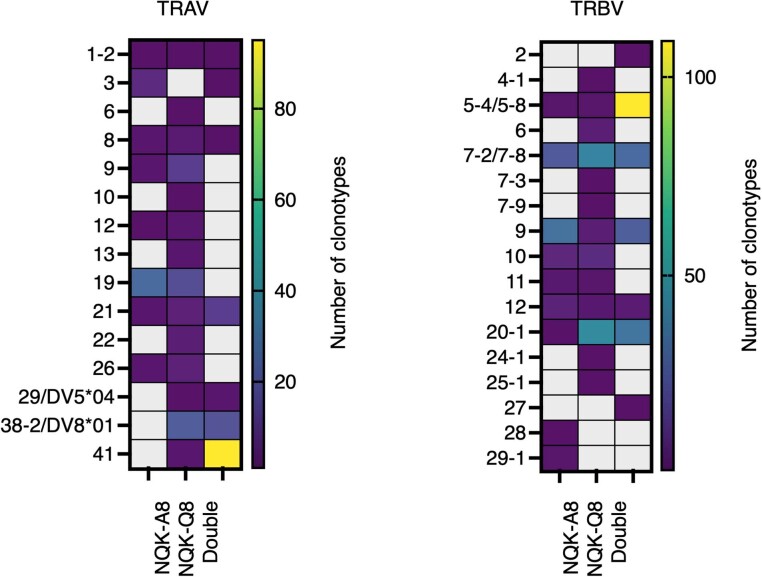
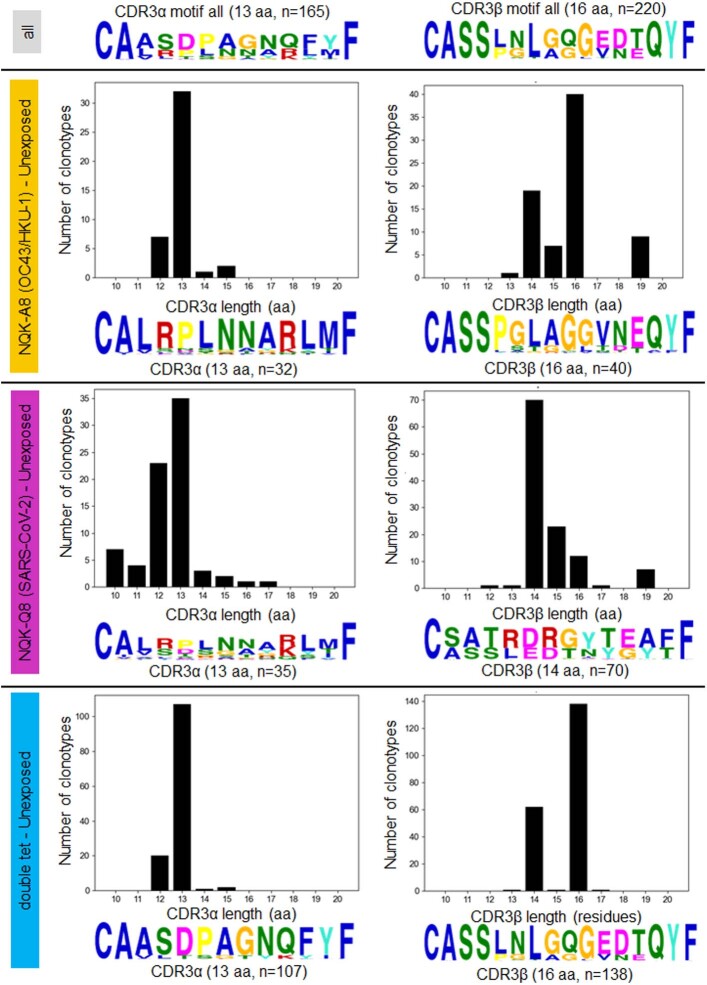
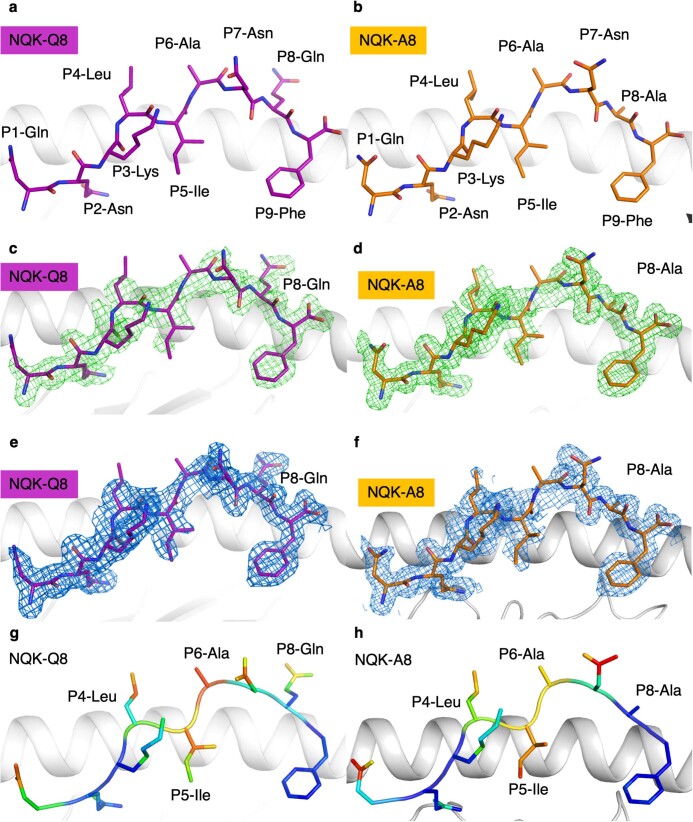
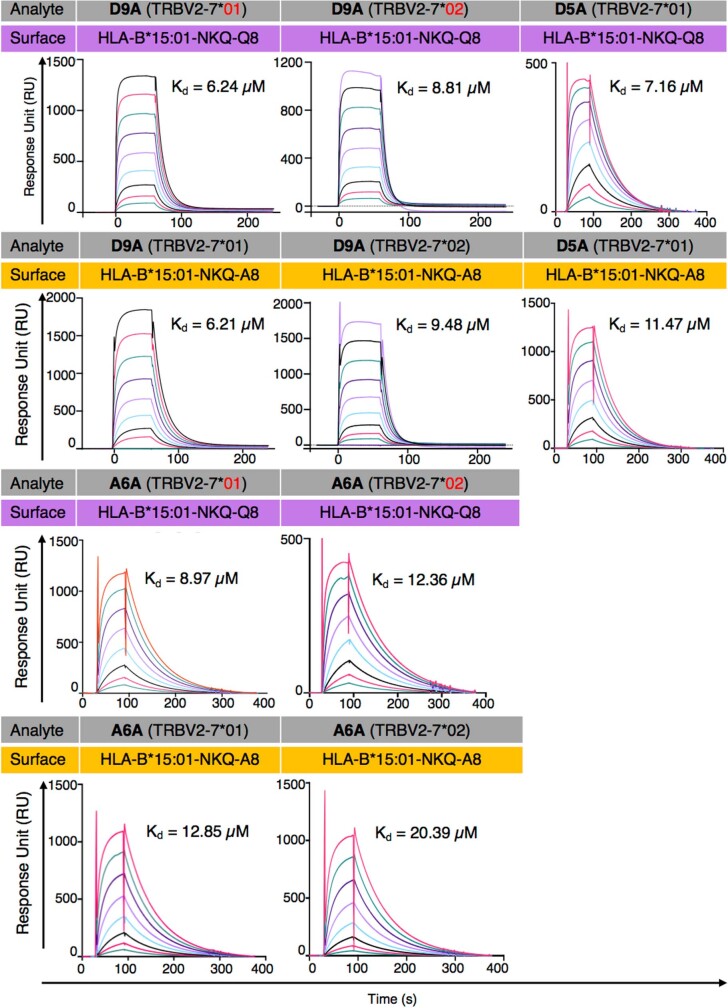
Studies have demonstrated that at least 20% of individuals infected with SARS-CoV-2 remain asymptomatic. Although most global efforts have focused on severe illness in COVID-19, examining asymptomatic infection provides a unique opportunity to consider early immunological features that promote rapid viral clearance. Here, postulating that variation in the human leukocyte antigen (HLA) loci may underly processes mediating asymptomatic infection, we enrolled 29,947 individuals, for whom high-resolution HLA genotyping data were available, in a smartphone-based study designed to track COVID-19 symptoms and outcomes. Our discovery cohort (n = 1,428) comprised unvaccinated individuals who reported a positive test result for SARS-CoV-2. We tested for association of five HLA loci with disease course and identified a strong association between HLA-B15:01 and asymptomatic infection, observed in two independent cohorts. Suggesting that this genetic association is due to pre-existing T cell immunity, we show that T cells from pre-pandemic samples from individuals carrying HLA-B15:01 were reactive to the immunodominant SARS-CoV-2 S-derived peptide NQKLIANQF. The majority of the reactive T cells displayed a memory phenotype, were highly polyfunctional and were cross-reactive to a peptide derived from seasonal coronaviruses. The crystal structure of HLA-B15:01-peptide complexes demonstrates that the peptides NQKLIANQF and NQKLIANAF (from OC43-CoV and HKU1-CoV) share a similar ability to be stabilized and presented by HLA-B15:01. Finally, we show that the structural similarity of the peptides underpins T cell cross-reactivity of high-affinity public T cell receptors, providing the molecular basis for HLA-B*15:01-mediated pre-existing immunity.
研究表明,至少有 20%的感染 SARS-CoV-2 的个体无症状。尽管大多数全球努力都集中在 COVID-19 的重症病例上,但研究无症状感染为考虑促进病毒快速清除的早期免疫特征提供了独特的机会。在这里,我们假设人类白细胞抗原(HLA)基因座的变异可能是介导无症状感染的过程的基础,我们招募了 29947 名个体,他们的高分辨率 HLA 基因分型数据可用,进行了一项基于智能手机的研究,旨在跟踪 COVID-19 的症状和结果。我们的发现队列(n=1428)由未接种疫苗且报告 SARS-CoV-2 检测结果阳性的个体组成。我们测试了五个 HLA 基因座与疾病过程的关联,并在两个独立的队列中观察到 HLA-B15:01 与无症状感染之间存在强烈关联。表明这种遗传关联是由于预先存在的 T 细胞免疫,我们表明携带 HLA-B15:01 的个体的大流行前样本中的 T 细胞对免疫显性 SARS-CoV-2 S 衍生肽 NQKLIANQF 有反应性。大多数反应性 T 细胞显示记忆表型,具有高度多能性,并且与来自季节性冠状病毒的肽交叉反应。HLA-B15:01-肽复合物的晶体结构表明,肽 NQKLIANQF 和 NQKLIANAF(来自 OC43-CoV 和 HKU1-CoV)具有相似的能力被 HLA-B15:01 稳定和呈递。最后,我们表明肽的结构相似性为高亲和力公共 T 细胞受体的 T 细胞交叉反应提供了基础,为 HLA-B*15:01 介导的预先存在的免疫提供了分子基础。