Tomasino Barbara, De Fraja Gianni, Guarracino Ilaria, Ius Tamara, D'Agostini Serena, Skrap Miran, Ida Rumiati Raffaella
Scientific Institute, IRCCS E. Medea, Unità Operativa Pasian di Prato, Udine 33037, Italy.
Nottingham School of Economics, University of Nottingham, University Park, Nottingham NG7 2RD, UK.
Brain Commun. 2023 Jul 8;5(4):fcad198. doi: 10.1093/braincomms/fcad198. eCollection 2023.
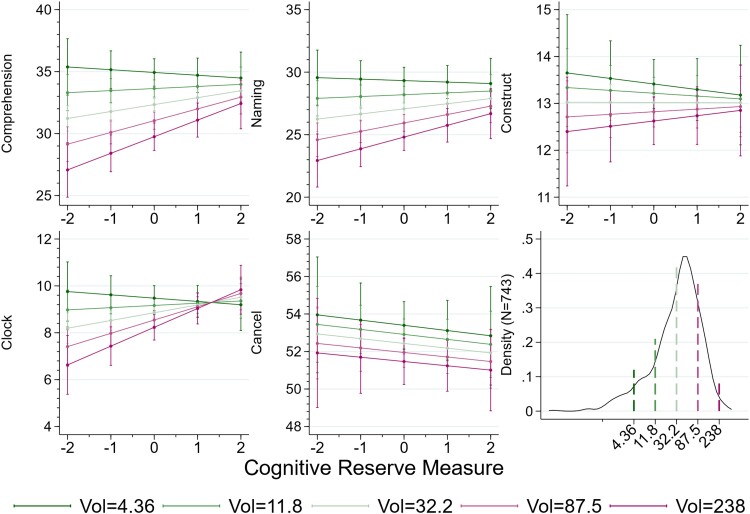
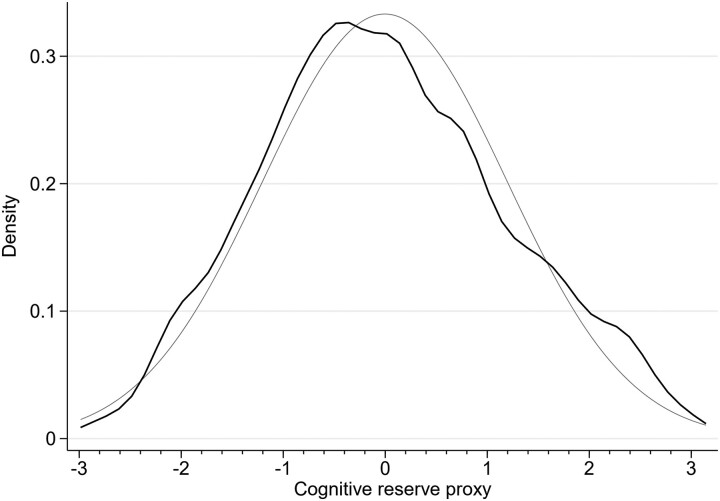
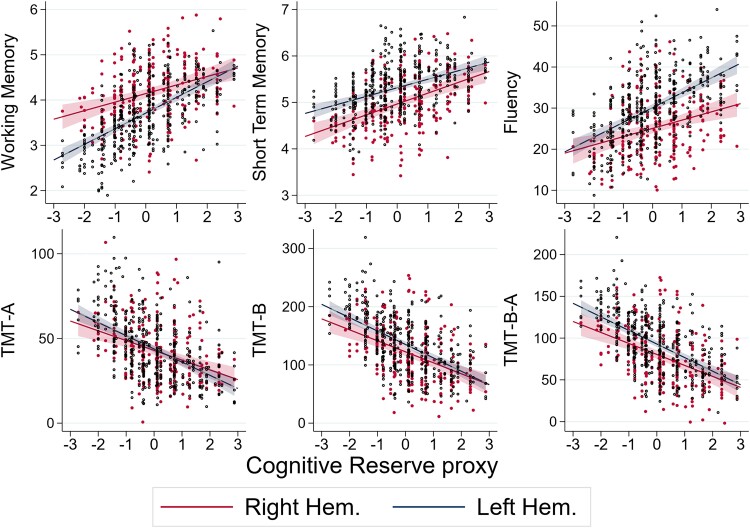
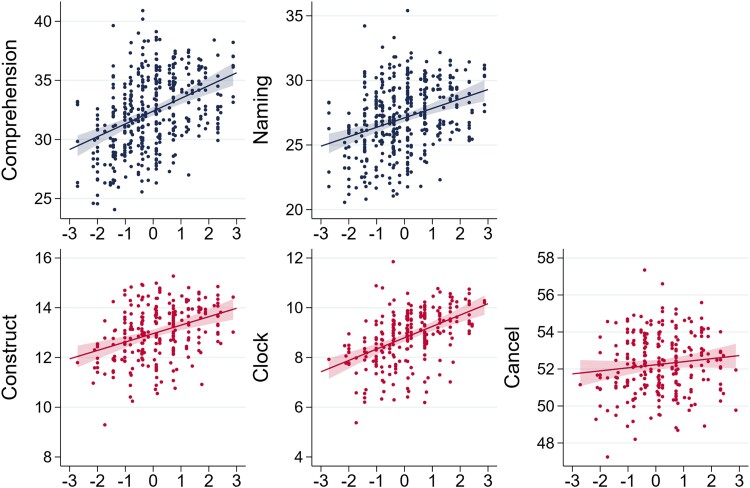
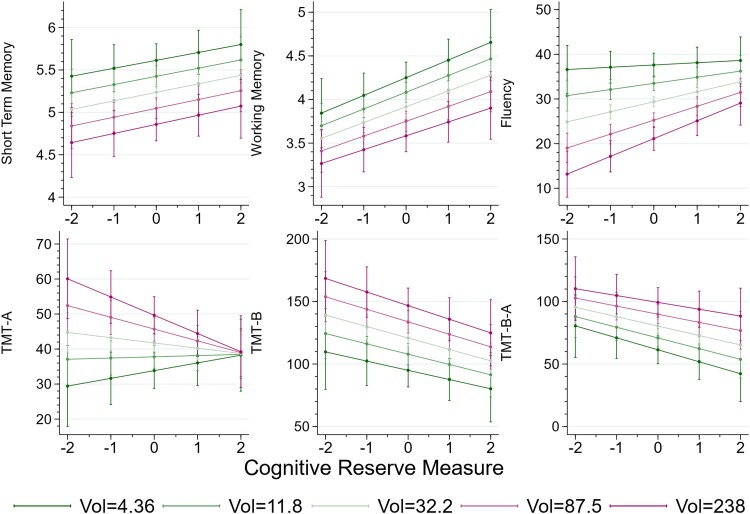
The aim of the paper is to determine the effects of the cognitive reserve on brain tumour patients' cognitive functions and, specifically, if cognitive reserve helps patients cope with the negative effects of brain tumours on their cognitive functions. We retrospectively studied a large sample of around 700 patients, diagnosed with a brain tumour. Each received an MRI brain examination and performed a battery of tests measuring their cognitive abilities before they underwent neurosurgery. To account for the complexity of cognitive reserve, we construct our cognitive reserve proxy by combining three predictors of patients' cognitive performance, namely, patients' education, occupation, and the environment where they live. Our statistical analysis controls for the type, side, site, and size of the lesion, for fluid intelligence quotient, and for age and gender, in order to tease out the effect of cognitive reserve on each of these tests. Clinical neurological variables have the expected effects on cognitive functions. We find a robust positive effect of cognitive reserve on patients' cognitive performance. Moreover, we find that cognitive reserve modulates the effects of the volume of the lesion: the additional negative impact of an increase in the tumour size on patients' performance is less severe for patients with higher cognitive reserve. We also find substantial differences in these effects depending on the cerebral hemisphere where the lesion occurred and on the cognitive function considered. For several of these functions, the positive effect of cognitive reserve is stronger for patients with lesions in the left hemisphere than for patients whose lesions are in the right hemisphere. The development of prevention strategies and personalized rehabilitation interventions will benefit from our contribution to understanding the role of cognitive reserve, in addition to that of neurological variables, as one of the factors determining the patients' individual differences in cognitive performance caused by brain tumours.
本文的目的是确定认知储备对脑肿瘤患者认知功能的影响,具体而言,即认知储备是否有助于患者应对脑肿瘤对其认知功能的负面影响。我们回顾性研究了大约700例被诊断为脑肿瘤的患者的大样本。每位患者在接受神经外科手术前均接受了脑部MRI检查,并进行了一系列测量其认知能力的测试。为了考虑认知储备的复杂性,我们通过结合患者认知表现的三个预测因素,即患者的教育程度、职业和居住环境,构建了我们的认知储备代理指标。我们的统计分析控制了病变的类型、侧别、部位和大小、流体智力商数以及年龄和性别,以便梳理出认知储备对这些测试中每一项的影响。临床神经学变量对认知功能有预期的影响。我们发现认知储备对患者的认知表现有强大的积极影响。此外,我们发现认知储备调节了病变体积的影响:对于认知储备较高的患者,肿瘤大小增加对其表现的额外负面影响较轻。我们还发现,根据病变发生的脑半球以及所考虑的认知功能,这些影响存在很大差异。对于其中几项功能,认知储备对左半球有病变的患者的积极影响比对右半球有病变的患者更强。除了神经学变量之外,了解认知储备作为决定脑肿瘤患者认知表现个体差异的因素之一的作用,将有助于预防策略和个性化康复干预措施的制定。