Yang Cunheng, Wang Fumin, Huang Xingxing, Zhang Hao, Zhang Meng, Gao Junxiao, Shi Shengbo, Wang Fuyang, Yang Fangjun, Yu Xiaobing
Affiliated Zhongshan Hospital of Dalian University, Dalian, China.
Front Bioeng Biotechnol. 2023 Jul 6;11:1166840. doi: 10.3389/fbioe.2023.1166840. eCollection 2023.
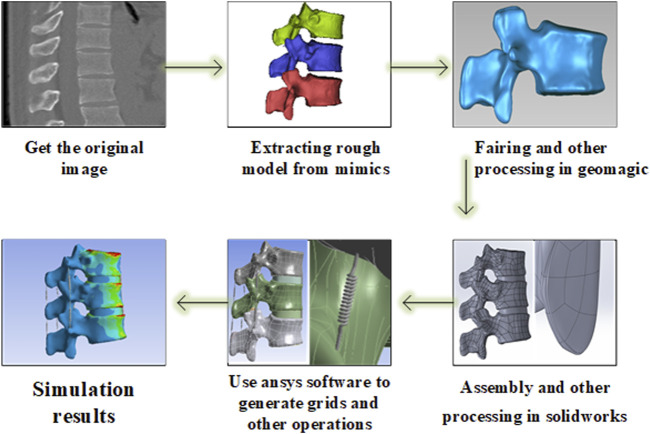
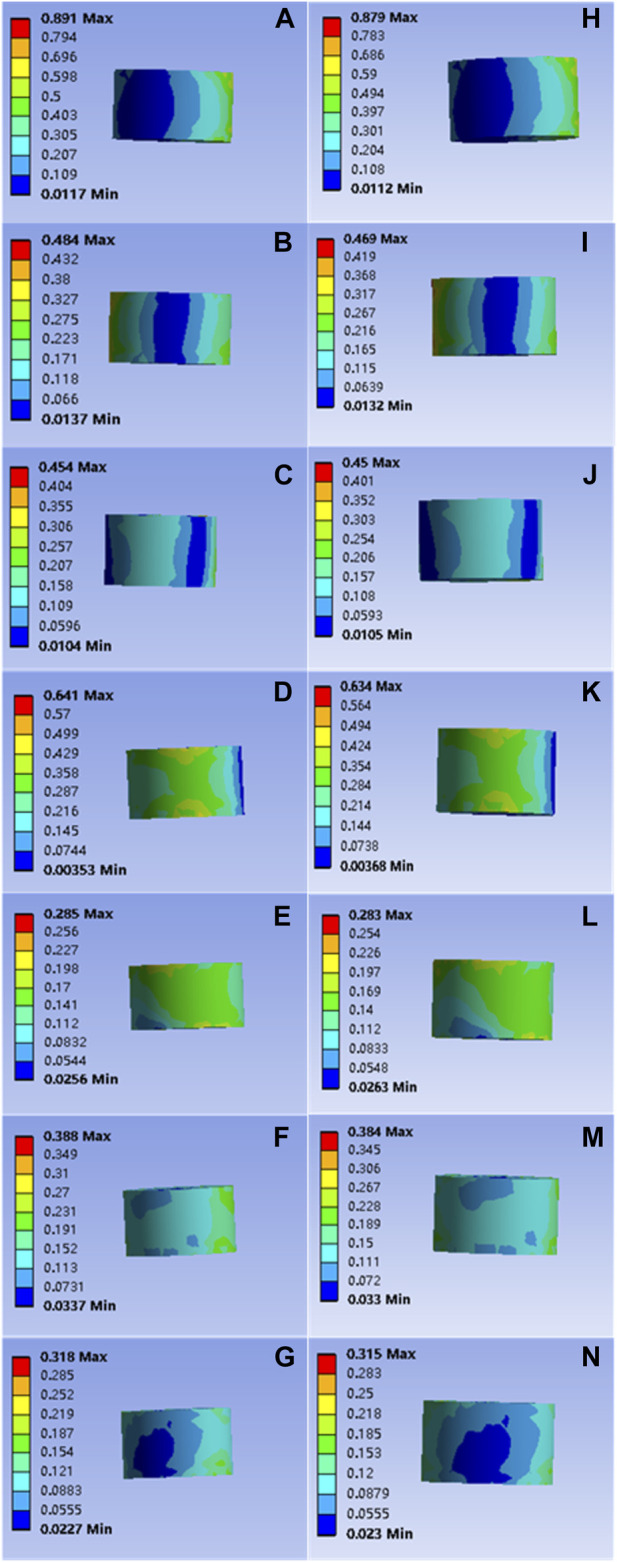
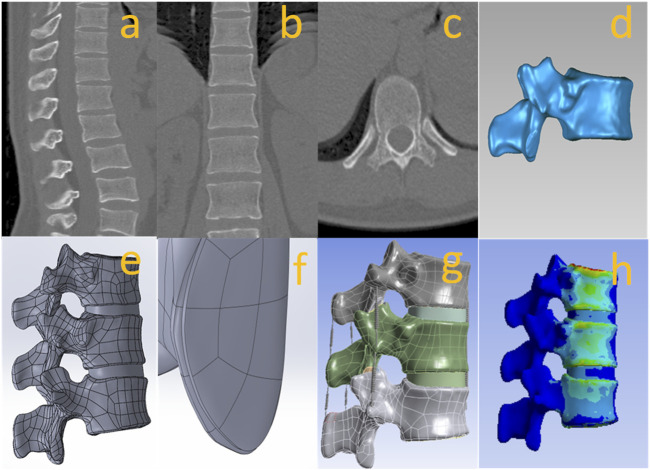
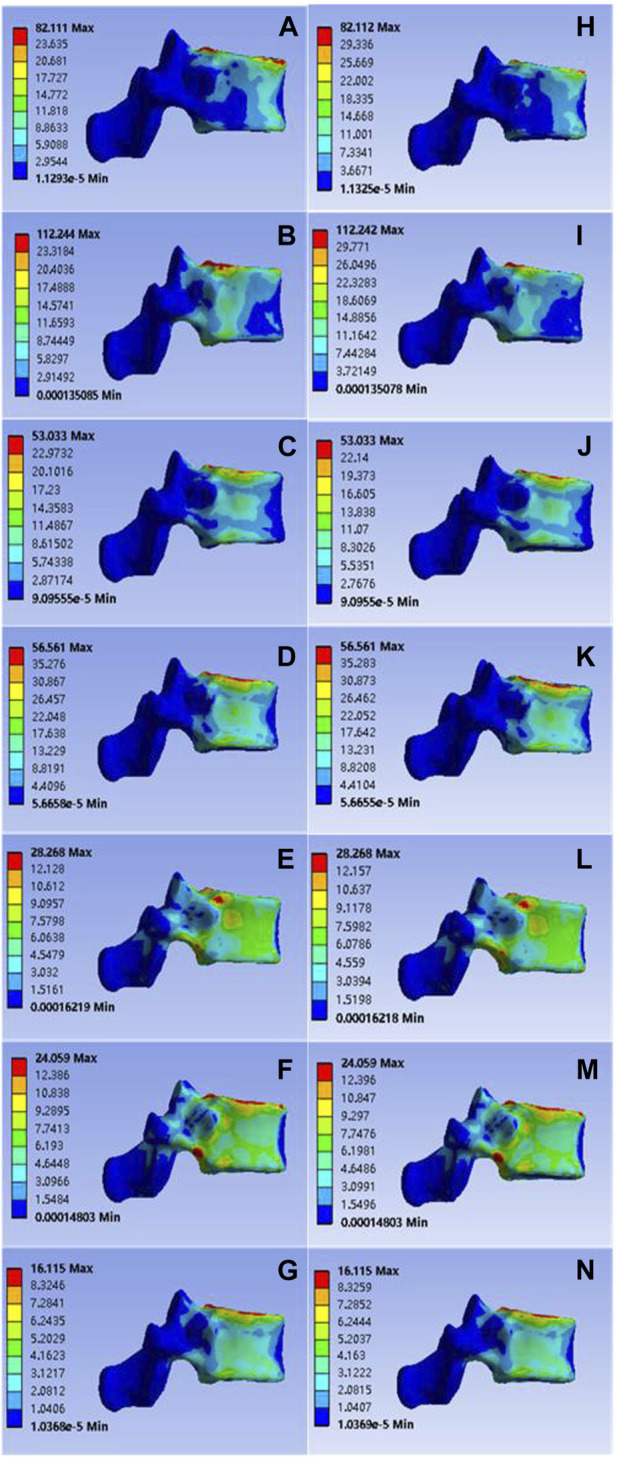
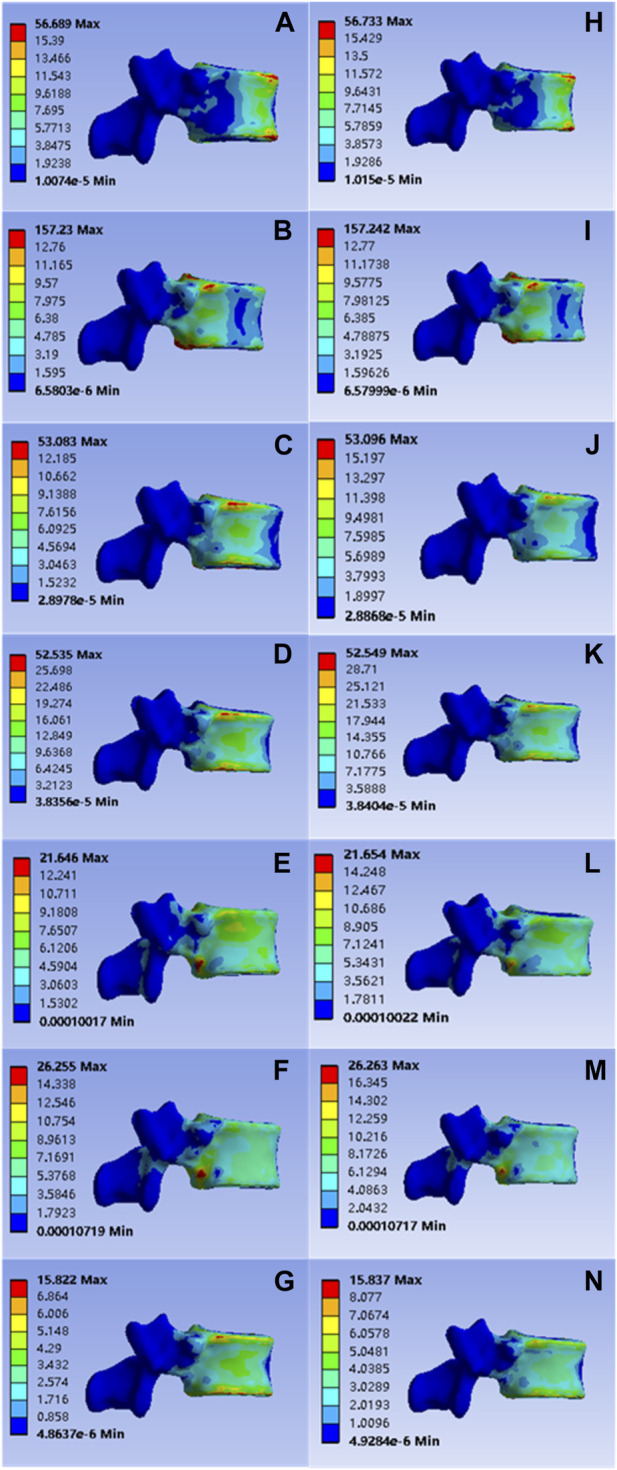
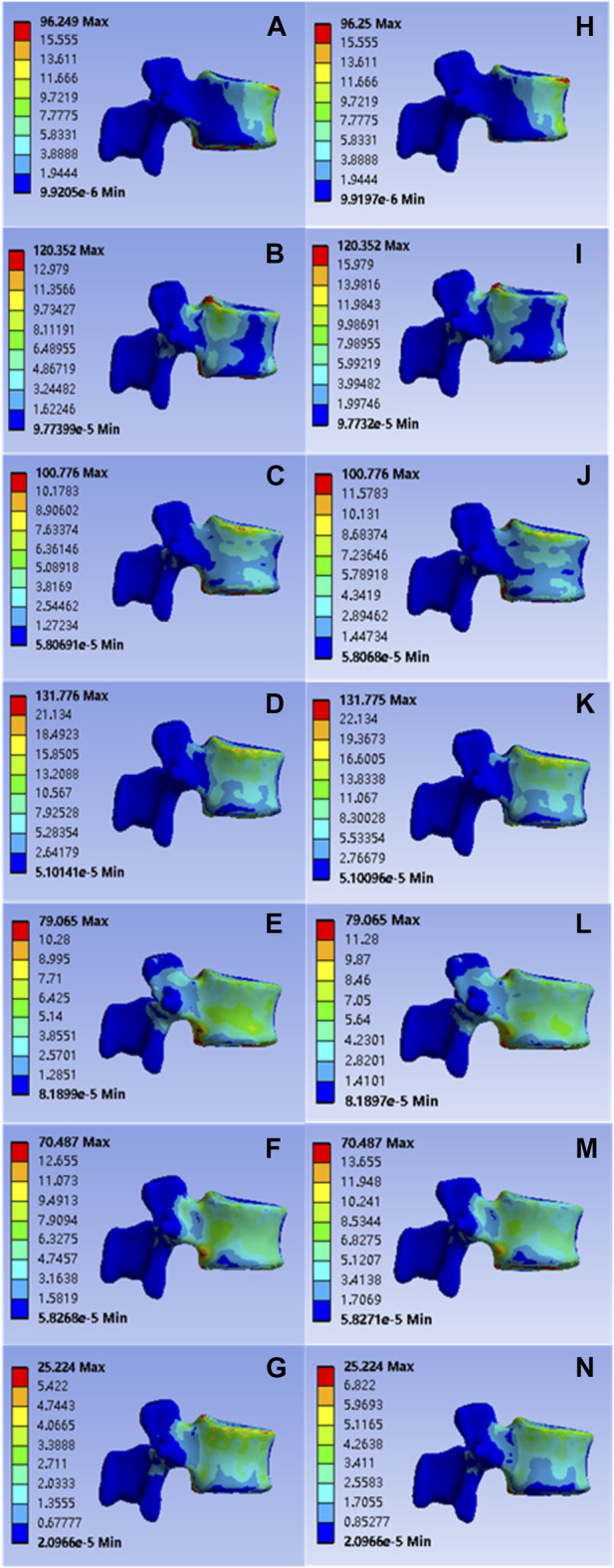
To investigate whether mineralized collagen modified polymethyl methacrylate (MC-PMMA) bone cement impacts the implanted vertebral body and adjacent segments and the feasibility of biomechanical properties compared with common bone cement in the treatment of osteoporotic vertebral compression fractures (OVCF). A healthy volunteer was selected to perform a three-dimensional reconstruction of the T11-L1 vertebral body to establish the corresponding finite element model of the spine, and the changes in the stress distribution of different types of cement were biomechanically analyzed in groups by applying quantitative loads. The stress distribution of the T11-L1 vertebral body was similar between the two bone types of cement under various stress conditions. Mineralized collagen modified bone cement had the advantages of promoting bone regeneration, good biocompatibility, good transformability, and coupling, and had support strength not inferior to common PMMA bone cement, indicating it has good development prospects and potential.
探讨矿化胶原改性聚甲基丙烯酸甲酯(MC-PMMA)骨水泥对植入椎体及相邻节段的影响,以及与普通骨水泥相比在治疗骨质疏松性椎体压缩骨折(OVCF)中生物力学性能的可行性。选取一名健康志愿者进行T11-L1椎体三维重建,建立相应的脊柱有限元模型,通过施加定量载荷对不同类型骨水泥的应力分布变化进行分组生物力学分析。在各种应力条件下,两种骨水泥类型的T11-L1椎体应力分布相似。矿化胶原改性骨水泥具有促进骨再生、生物相容性好、可转化性好和耦合性好的优点,支撑强度不低于普通PMMA骨水泥,表明其具有良好的发展前景和潜力。