Worku Zemene, Tibebu Samuel, Nure Jemal Fito, Tibebu Solomon, Moyo Welldone, Ambaye Abera Demeke, Nkambule Thabo T I
Department of Environmental Engineering, Addis Ababa Science, and Technology University, 16417, Addis Ababa, Ethiopia.
Institute for Nanotechnology and Water Sustainability (iNanoWS), University of South Africa, Science Campus Florida, Johannesburg, South Africa.
BMC Chem. 2023 Jul 24;17(1):85. doi: 10.1186/s13065-023-00993-4.
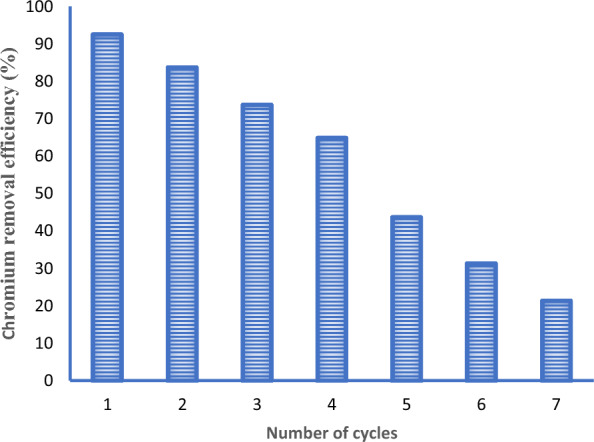
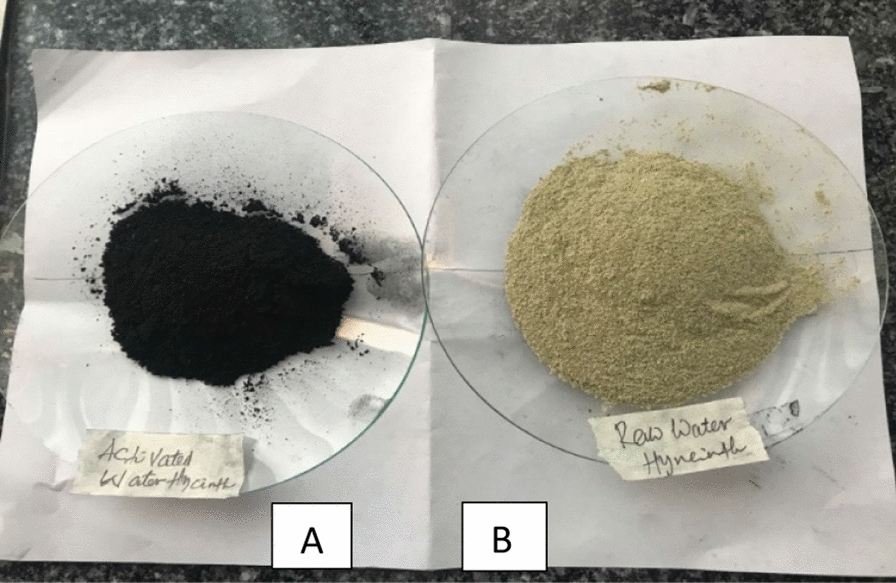
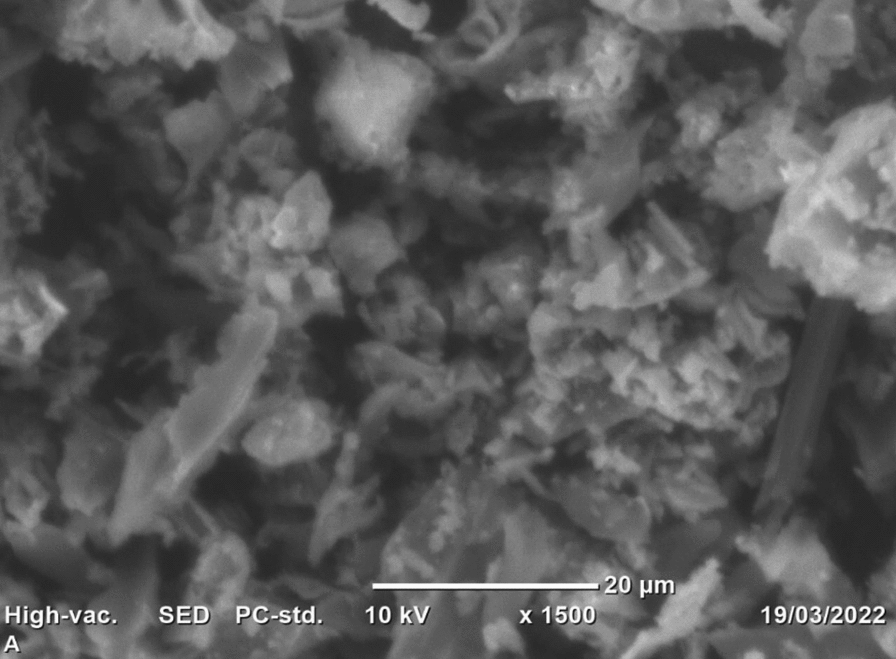
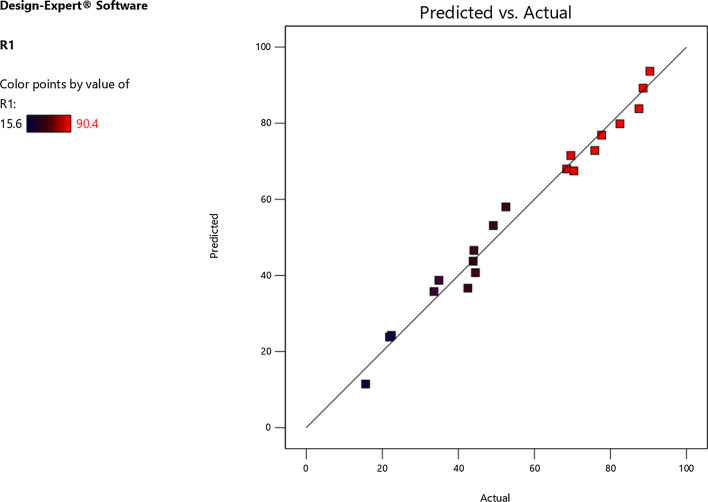
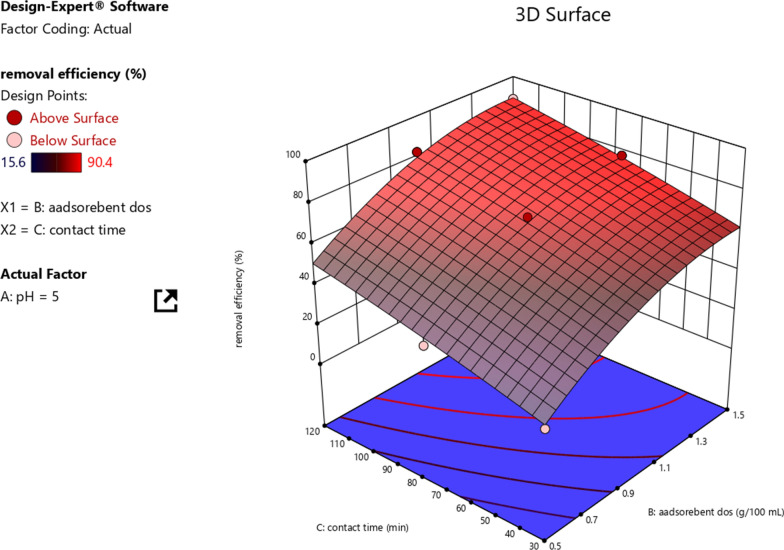
Industrial wastewater polluted with high concentrations of Cr is commonly discharged into water resources without proper treatment. This gives rise to the deterioration of water quality and imposes adverse effects on public health. Therefore, this study is aimed at removing Cr from electroplating wastewater using activated carbon produced from water hyacinth under a full factorial experimental design with three factors and three levels (pH,2,5 and 8, adsorbent dose 0.5,1and1.5 in 100 mL and contact time 30, 60 and120 min). A phosphoric acid solution of 37% was used to activate the carbon, which was then subjected to thermal decomposition for 15 min at 500 °C. The activated carbon was characterized by the presence of a high surface area (203.83 m/g) of BET, cracking of adsorbent beads of SEM morphology, amorphous nature of XRD, and many functional groups of FTIR such as hydroxyl (3283 cm), alkane (2920 cm), nitrile (2114 cm) and aromatics (1613 cm). The minimum Cr adsorption performance of 15.6% was obtained whereas maximum removal of 90.4% was recorded at the experimental condition of pH 2, adsorbent dose of 1.5 g/100 mL, and contact time of 120 min at a fixed value of initial Cr concentration of 100 mg/L. Similarly, the maximum Cr removal from real electroplating wastewater was 81.2% at this optimum point. Langmuir's model best described the experimental value at R 0.96 which implies the adsorption is chemically bonded, homogeneous, and monolayer. Pseudo-second-order model best fits with the experimental data with R value of 0.99. The adsorbent was regenerated for seven cycles and the removal efficiency decreased from 93.25% to 21.35%. Finally, this technology is promising to be scaled up to an industrial level.
含有高浓度铬的工业废水通常未经适当处理就排放到水资源中。这导致水质恶化,并对公众健康产生不利影响。因此,本研究旨在采用水葫芦制备的活性炭,在三因素三水平(pH值为2、5和8,100 mL中吸附剂剂量为0.5、1和1.5 g,接触时间为30、60和120分钟)的全因子实验设计下,从电镀废水中去除铬。使用37%的磷酸溶液活化碳,然后在500℃下进行15分钟的热分解。所制备的活性炭具有较高的BET比表面积(203.83 m²/g),扫描电子显微镜(SEM)形态显示吸附剂颗粒有破裂,X射线衍射(XRD)表明为无定形性质,傅里叶变换红外光谱(FTIR)显示存在许多官能团,如羟基(3283 cm⁻¹)、烷烃(2920 cm⁻¹)、腈基(2114 cm⁻¹)和芳烃(1613 cm⁻¹)。在初始铬浓度固定为100 mg/L的情况下,当pH值为2、吸附剂剂量为1.5 g/100 mL、接触时间为120分钟的实验条件下,铬的最低吸附性能为15.6%,而最高去除率达到90.4%。同样,在该最佳条件下,实际电镀废水中铬的最大去除率为81.2%。朗缪尔模型能最好地描述实验值,相关系数R为0.96,这意味着吸附是化学键合的、均匀的且为单分子层。准二级模型与实验数据拟合最佳,R值为0.99。吸附剂再生了七个循环,去除效率从93.25%降至21.35%。最后,这项技术有望扩大到工业规模。