Elliott Matthew A T, Schweiger Hunter E, Robbins Ash, Vera-Choqqueccota Samira, Ehrlich Drew, Hernandez Sebastian, Voitiuk Kateryna, Geng Jinghui, Sevetson Jess L, Rosen Yohei M, Teodorescu Mircea, Wagner Nico O, Haussler David, Mostajo-Radji Mohammed A
Genomics Institute, University of California Santa Cruz, Santa Cruz, CA, 95060, USA.
Live Cell Biotechnology Discovery Lab, University of California Santa Cruz, Santa Cruz, CA, 95060, USA.
bioRxiv. 2023 Jul 15:2023.07.13.546418. doi: 10.1101/2023.07.13.546418.
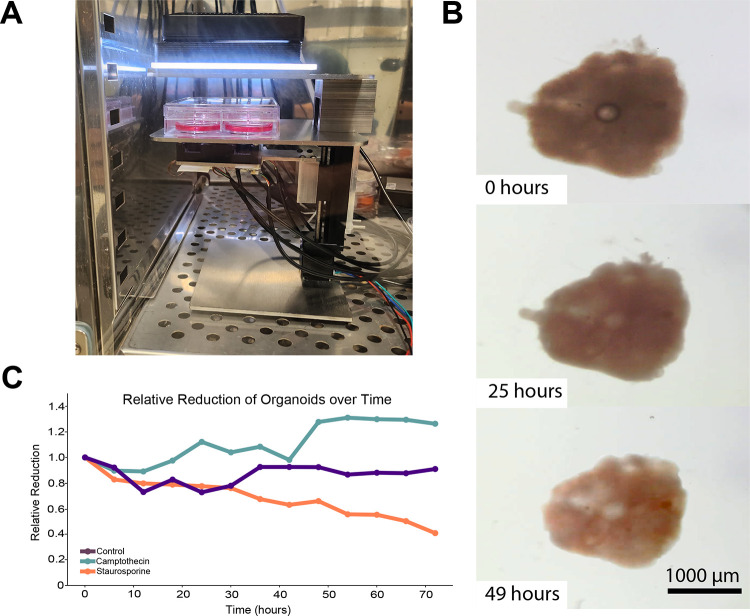
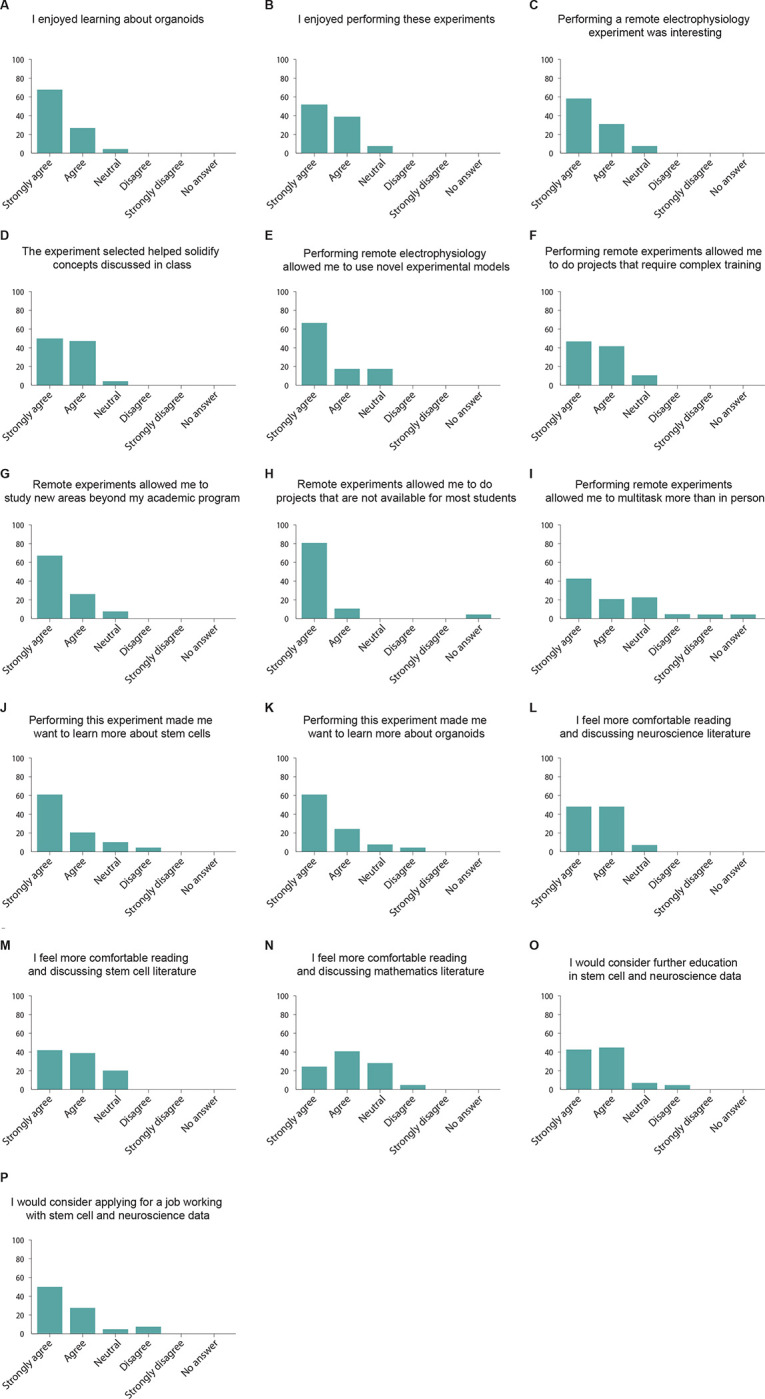
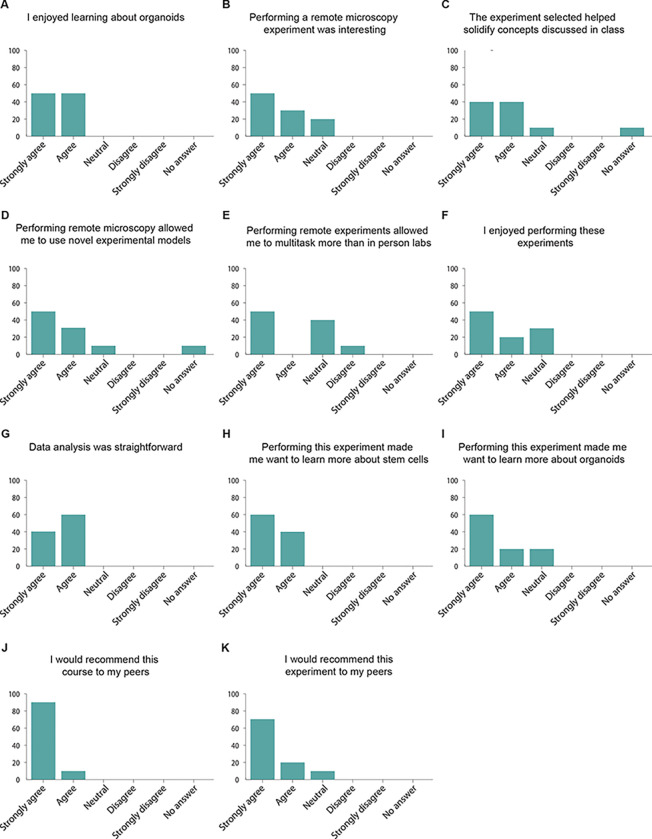
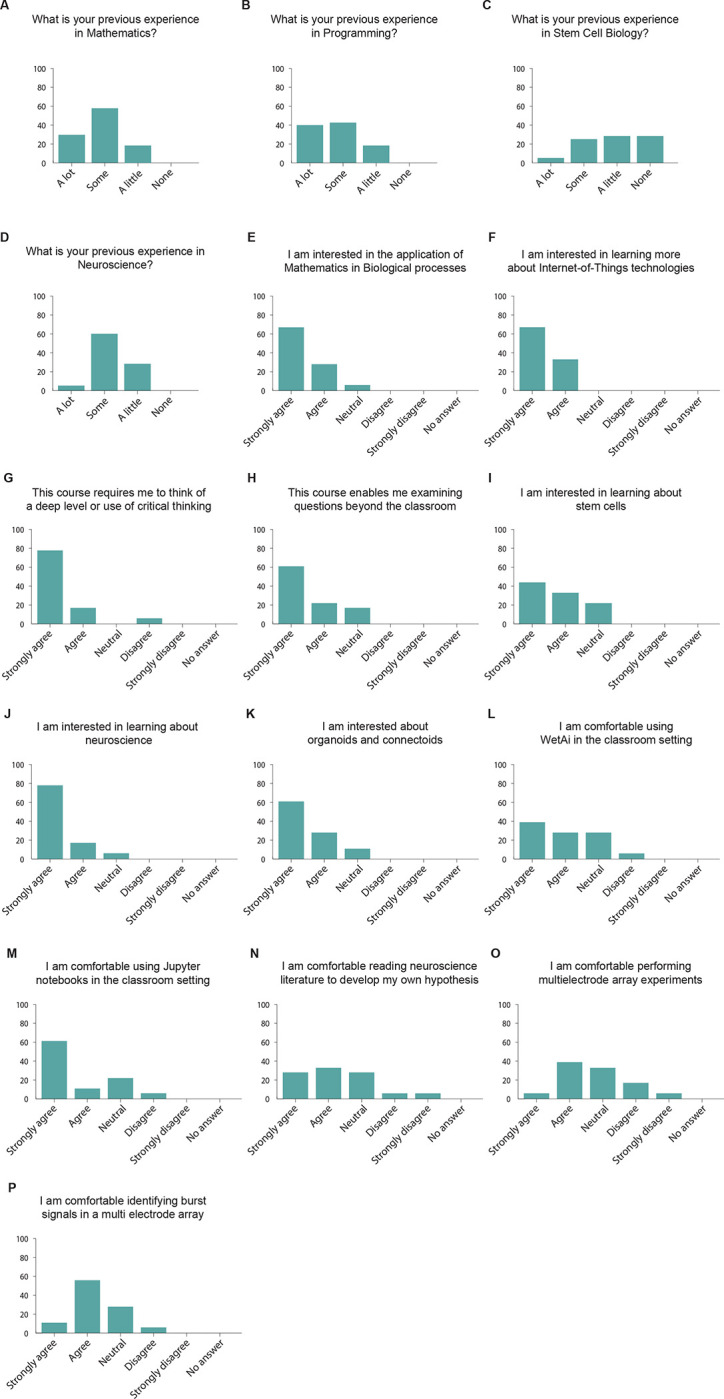
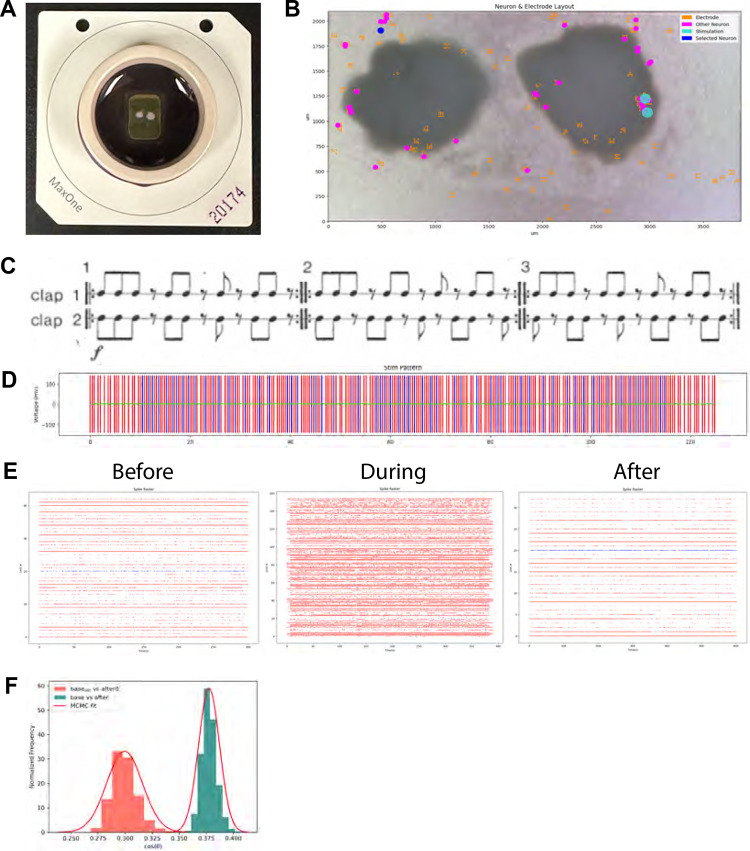
The introduction of internet-connected technologies to the classroom has the potential to revolutionize STEM education by allowing students to perform experiments in complex models that are unattainable in traditional teaching laboratories. By connecting laboratory equipment to the cloud, we introduce students to experimentation in pluripotent stem cell-derived cortical organoids in two different settings: Using microscopy to monitor organoid growth in an introductory tissue culture course, and using high density multielectrode arrays to perform neuronal stimulation and recording in an advanced neuroscience mathematics course. We demonstrate that this approach develops interest in stem cell and neuroscience in the students of both courses. All together, we propose cloud technologies as an effective and scalable approach for complex project-based university training.
将联网技术引入课堂,有可能彻底改变STEM教育,因为这能让学生在传统教学实验室无法实现的复杂模型中进行实验。通过将实验室设备连接到云端,我们让学生在两种不同环境下对多能干细胞衍生的皮质类器官进行实验:在基础组织培养课程中,使用显微镜监测类器官生长;在高级神经科学数学课程中,使用高密度多电极阵列进行神经元刺激和记录。我们证明,这种方法激发了这两门课程学生对干细胞和神经科学的兴趣。总之,我们提议将云技术作为一种有效且可扩展的方法,用于基于复杂项目的大学培训。