Singh Gulshan, Brim Hassan, Haileselassie Yeneneh, Varma Sudhir, Habtezion Aida, Rashid Mudasir, Sinha Sidhartha R, Ashktorab Hassan
Division of Gastroenterology and Hepatology, School of Medicine, Stanford University, Palo Alto, CA 94305, USA.
Department of Pathology, Howard University College of Medicine, Washington, DC 20059, USA.
Curr Issues Mol Biol. 2023 Jun 30;45(7):5558-5574. doi: 10.3390/cimb45070351.
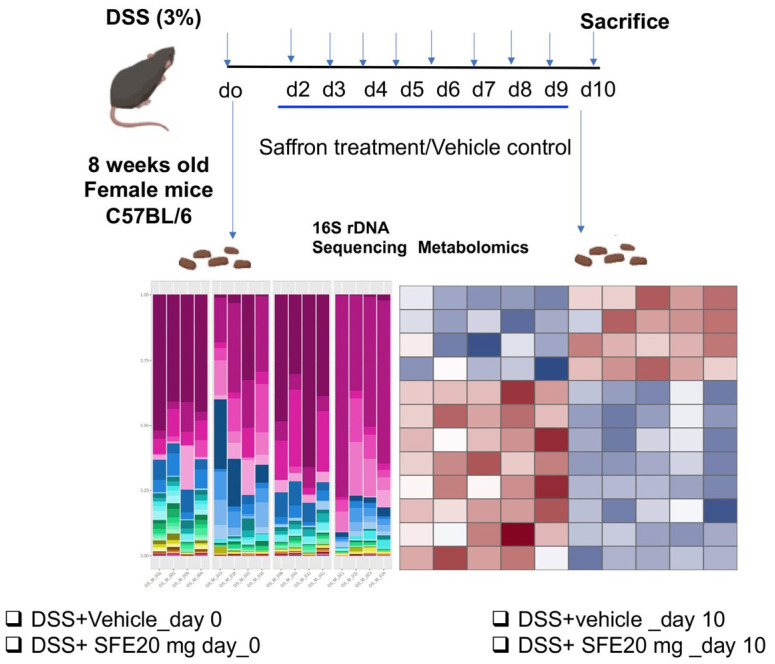
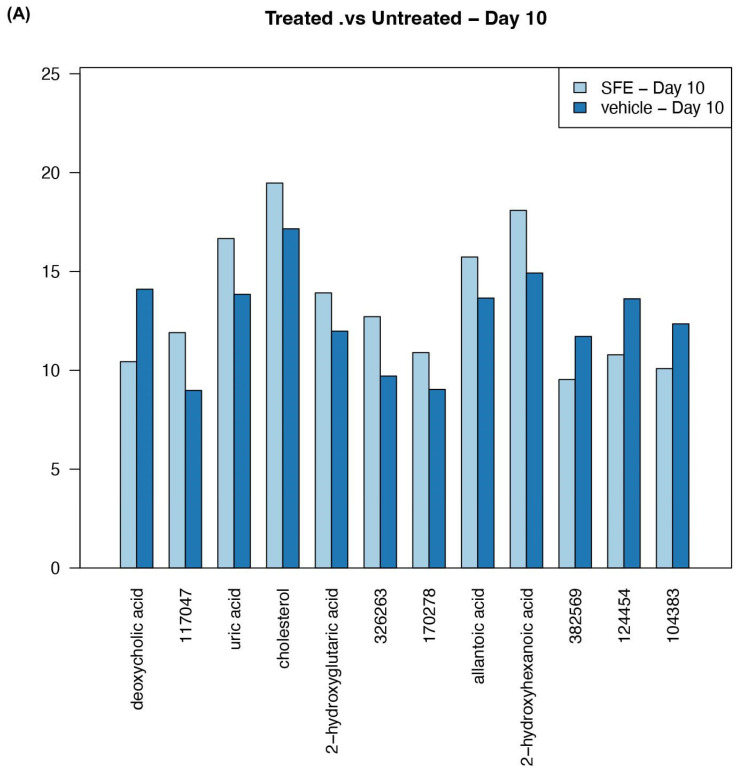
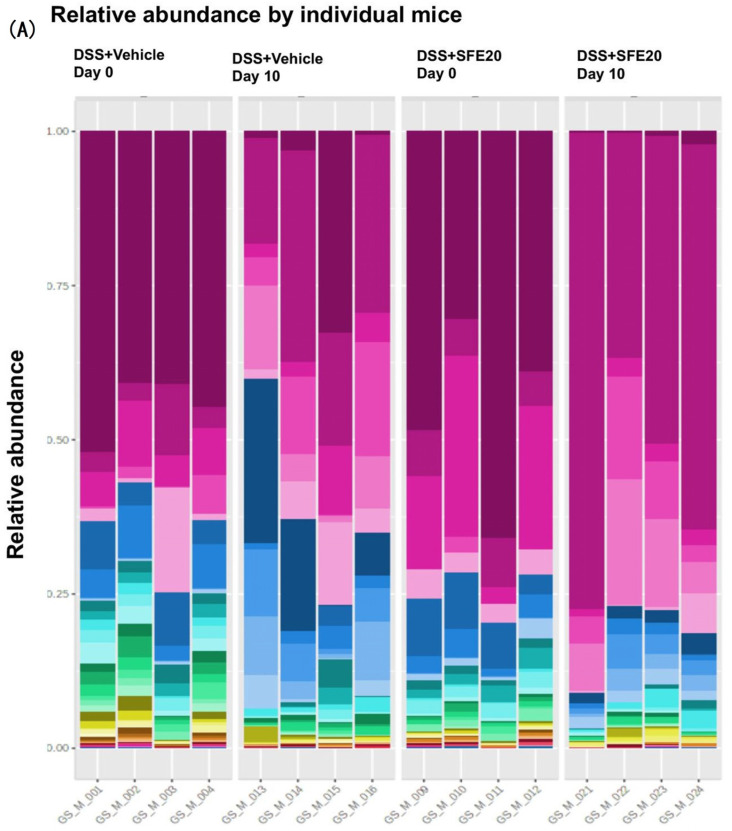
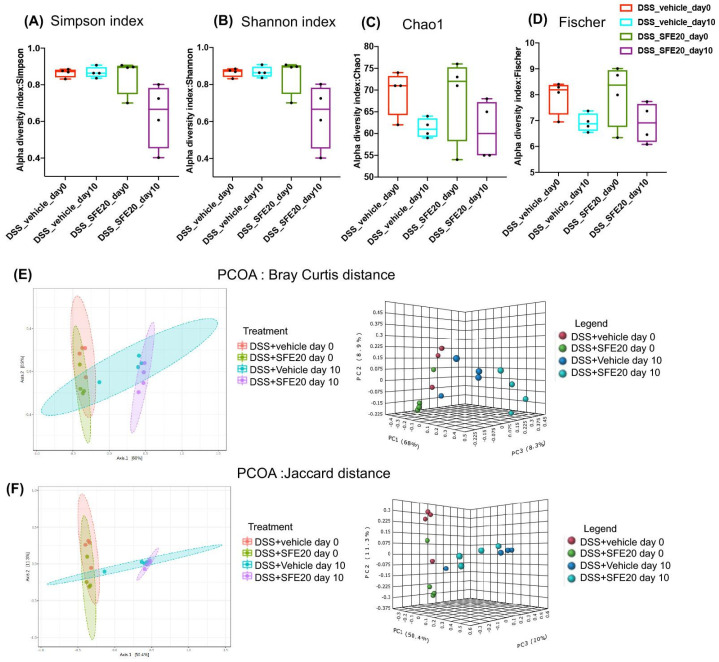
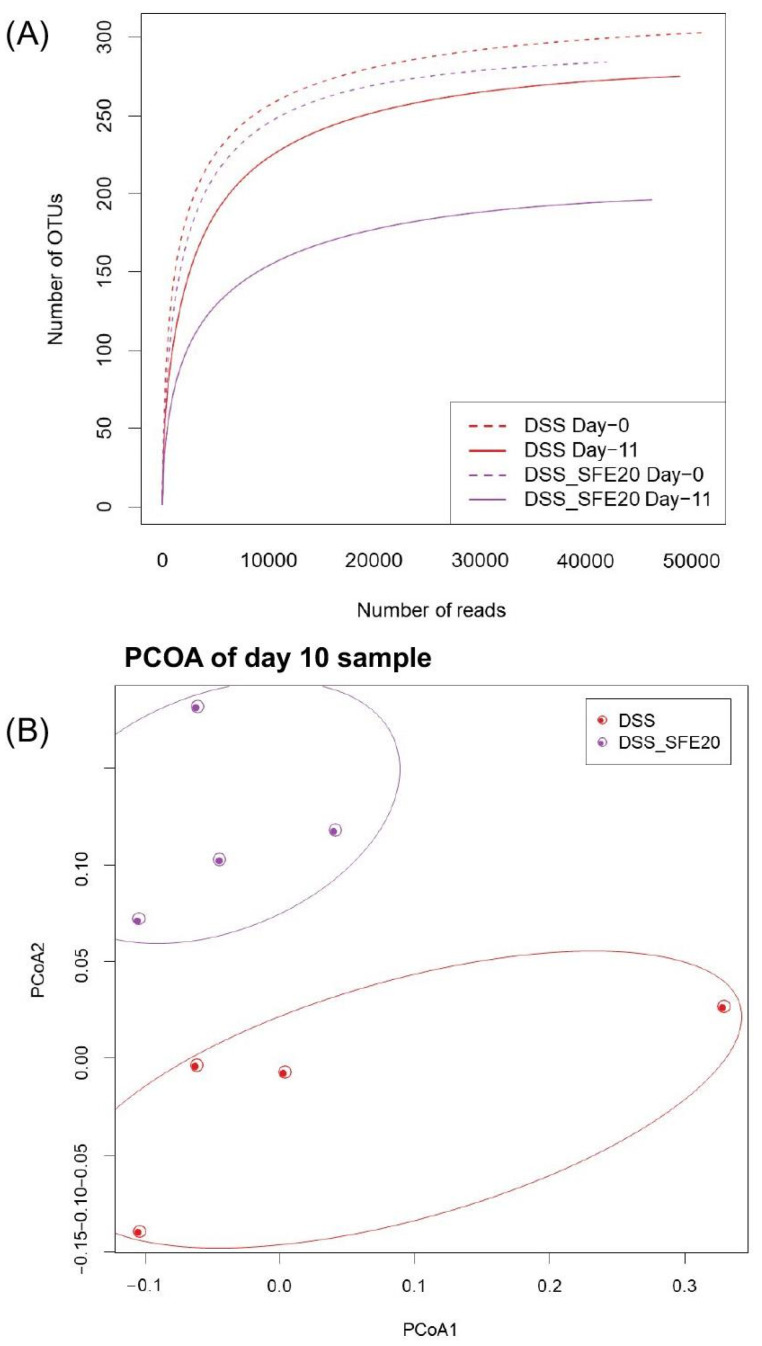
Despite the existence of effective drugs used to treat inflammatory bowel disease (IBD), many patients fail to respond or lose response over time. Further, many drugs can carry serious adverse effects, including increased risk of infections and malignancies. Saffron () has been reported to have anti-inflammatory properties. Its protective role in IBD and how the microbiome and metabolome play a role has not been explored extensively. We aimed to establish whether saffron treatment modulates the host microbiome and metabolic profile in experimental colitis. Colitis was induced in C57BL/6 mice with 3% DSS and treated with either saffron in a dose of 20 mg/kg body weight or vehicle through daily gavage. On day 10, stool pellets from mice were collected and analyzed to assess saffron's effect on fecal microbiota and metabolites through 16S rRNA sequencing and untargeted primary metabolite analysis. Saffron treatment maintained gut microbiota homeostasis by counter-selecting pro-inflammatory bacteria and maintained Firmicutes/Bacteroides ratio, which was otherwise disturbed by DSS treatment. Several metabolites (uric acid, cholesterol, 2 hydroxyglutaric acid, allantoic acid, 2 hydroxyhexanoic acid) were altered significantly with saffron treatment in DSS-treated mice, and this might play a role in mediating saffron's colitis-mitigating effects. These data demonstrate saffron's therapeutic potential, and its protective role is modulated by gut microbiota, potentially acting through changes in metabolites.
尽管存在用于治疗炎症性肠病(IBD)的有效药物,但许多患者没有反应或随着时间推移失去反应。此外,许多药物可能会带来严重的不良反应,包括感染和恶性肿瘤风险增加。据报道,藏红花具有抗炎特性。其在IBD中的保护作用以及微生物组和代谢组如何发挥作用尚未得到广泛研究。我们旨在确定藏红花治疗是否能调节实验性结肠炎中的宿主微生物组和代谢谱。用3%葡聚糖硫酸钠(DSS)诱导C57BL/6小鼠患结肠炎,并通过每日灌胃给予20mg/kg体重的藏红花或赋形剂进行治疗。在第10天,收集小鼠的粪便颗粒并进行分析,通过16S rRNA测序和非靶向初级代谢物分析来评估藏红花对粪便微生物群和代谢物的影响。藏红花治疗通过反选促炎细菌维持肠道微生物群稳态,并维持厚壁菌门/拟杆菌门的比例,而该比例在DSS治疗中会受到干扰。在DSS处理的小鼠中,藏红花治疗显著改变了几种代谢物(尿酸、胆固醇、2-羟基戊二酸、尿囊酸、2-羟基己酸),这可能在介导藏红花减轻结肠炎的作用中发挥作用。这些数据证明了藏红花的治疗潜力,其保护作用由肠道微生物群调节,可能通过代谢物的变化起作用。