Senarat Setthapong, Tuntarawongsa Sarun, Lertsuphotvanit Nutdanai, Rojviriya Catleya, Phaechamud Thawatchai, Chantadee Takron
Programme of Pharmaceutical Engineering, Faculty of Pharmacy, Silpakorn University, Nakhon Pathom 73000, Thailand.
Pharmaceutical Intellectual Center "Prachote Plengwittaya", Faculty of Pharmacy, Silpakorn University, Nakhon Pathom 73000, Thailand.
Gels. 2023 Jul 18;9(7):583. doi: 10.3390/gels9070583.
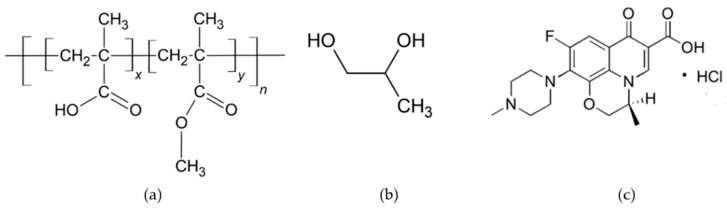
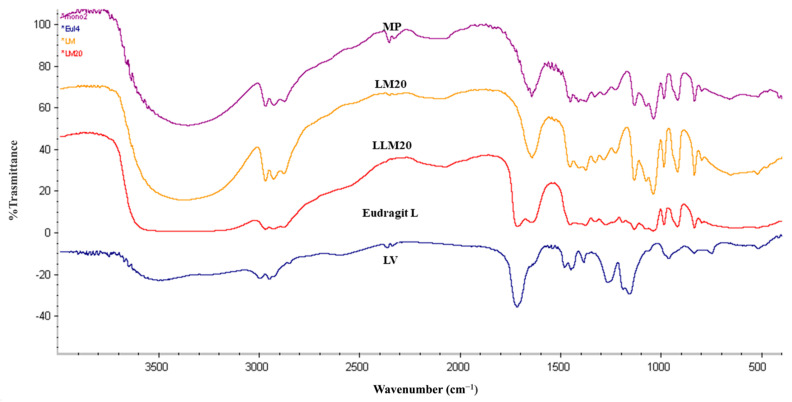
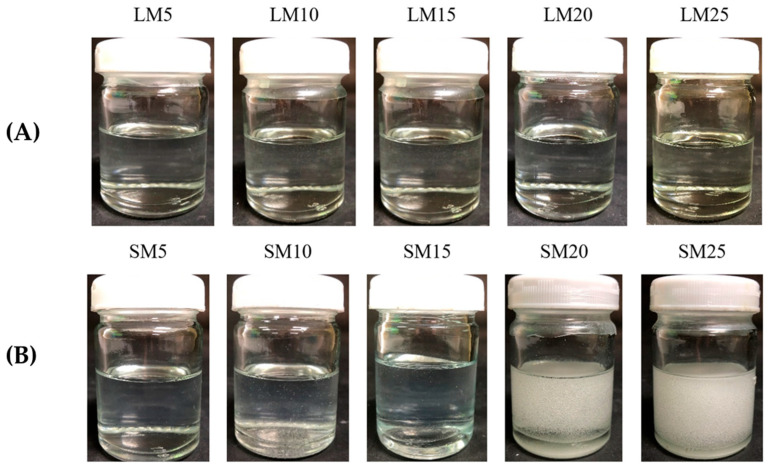
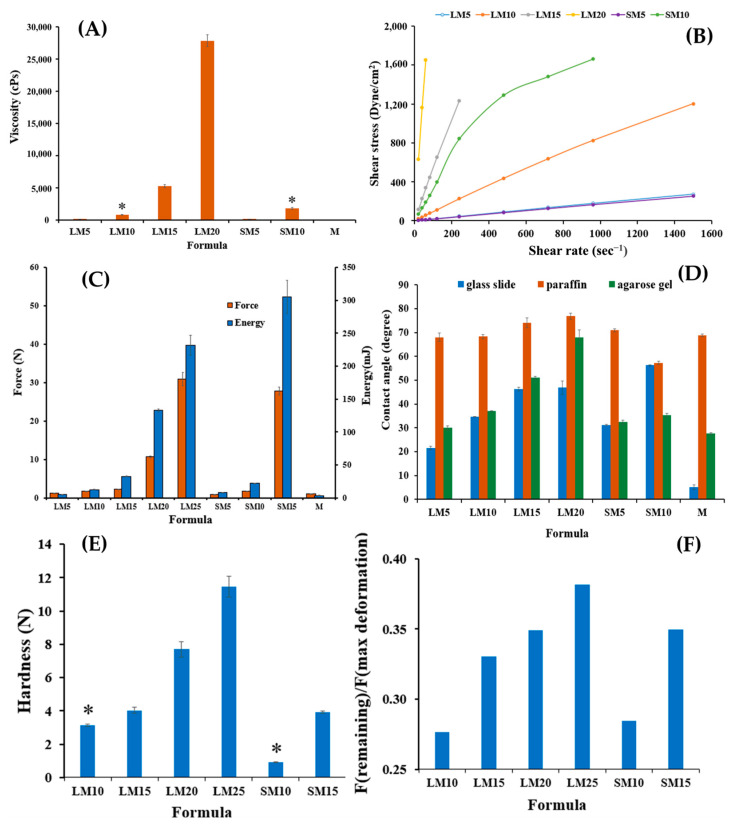
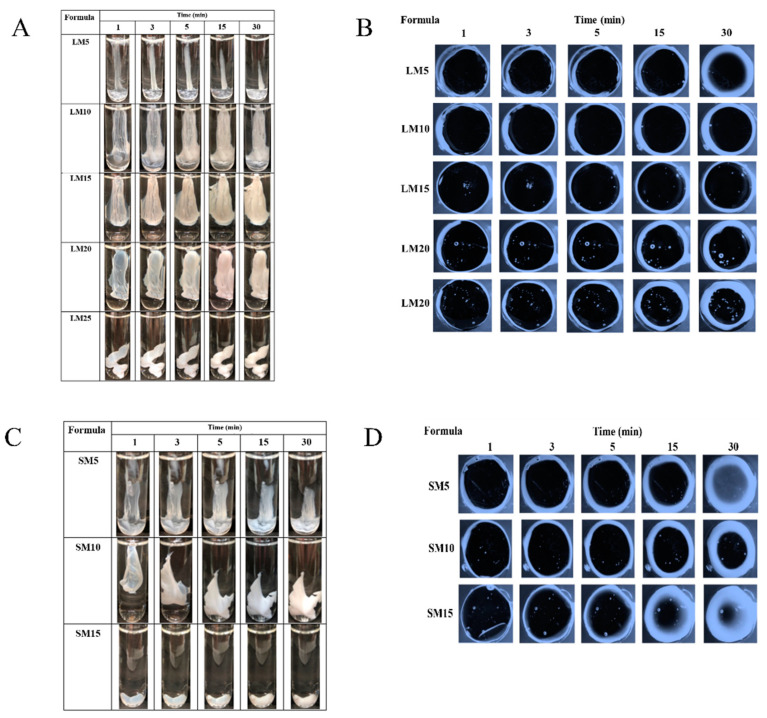
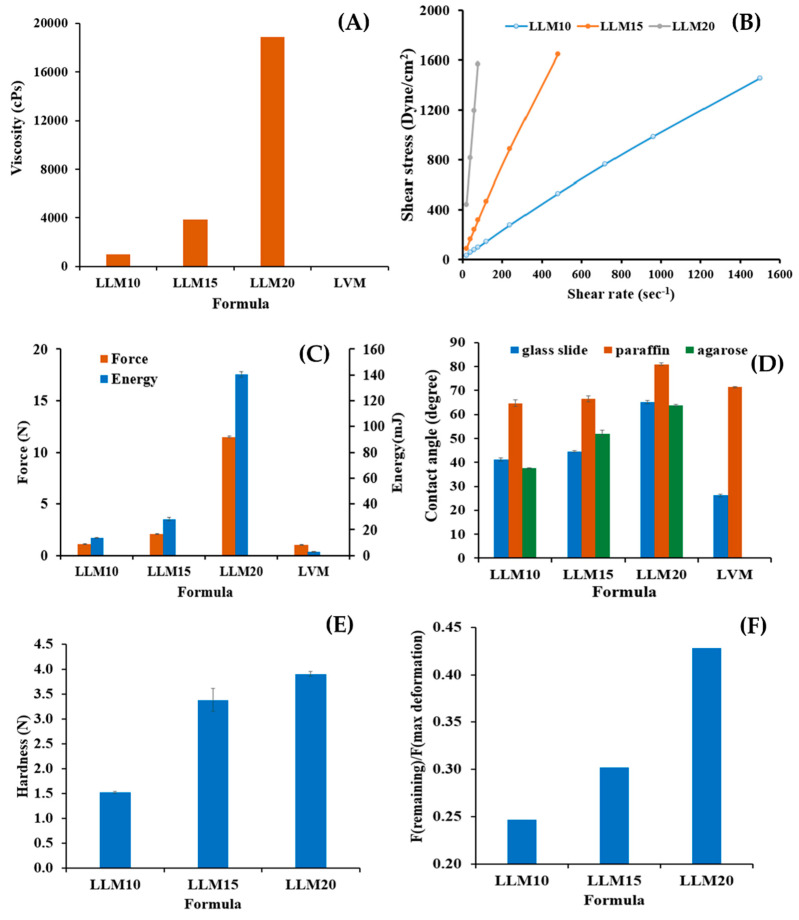
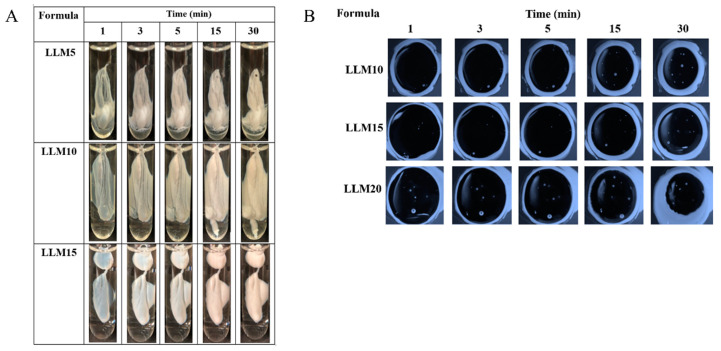
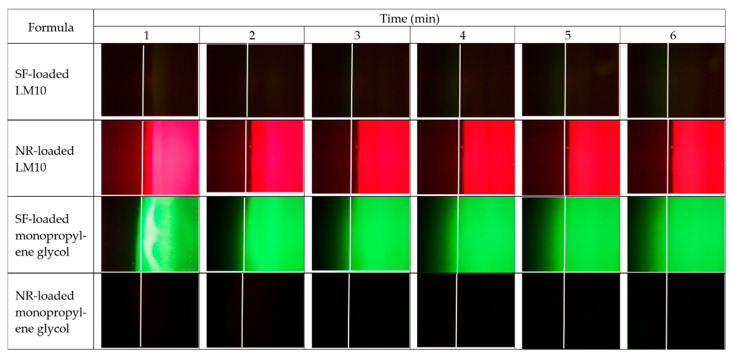
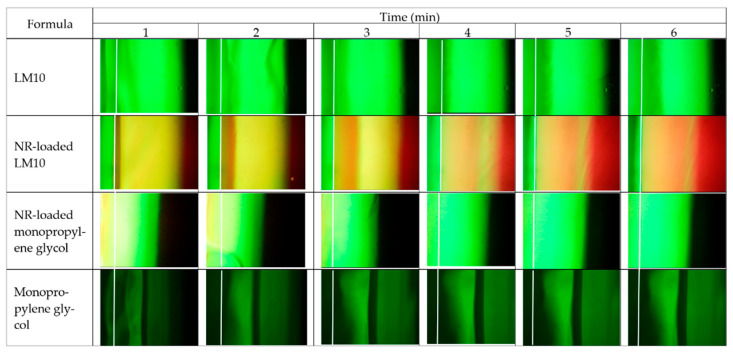
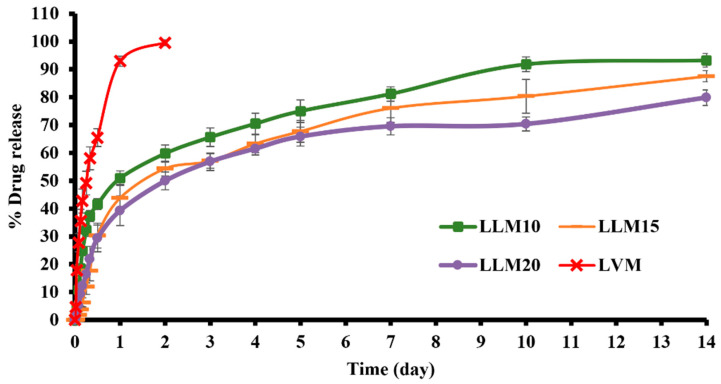
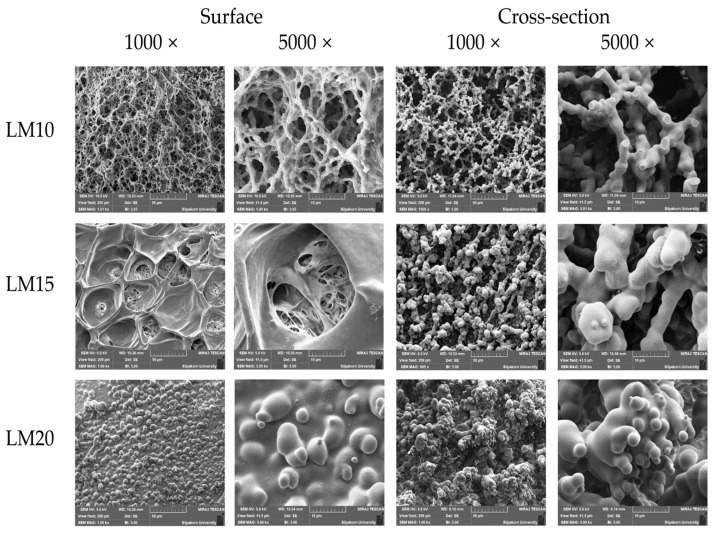
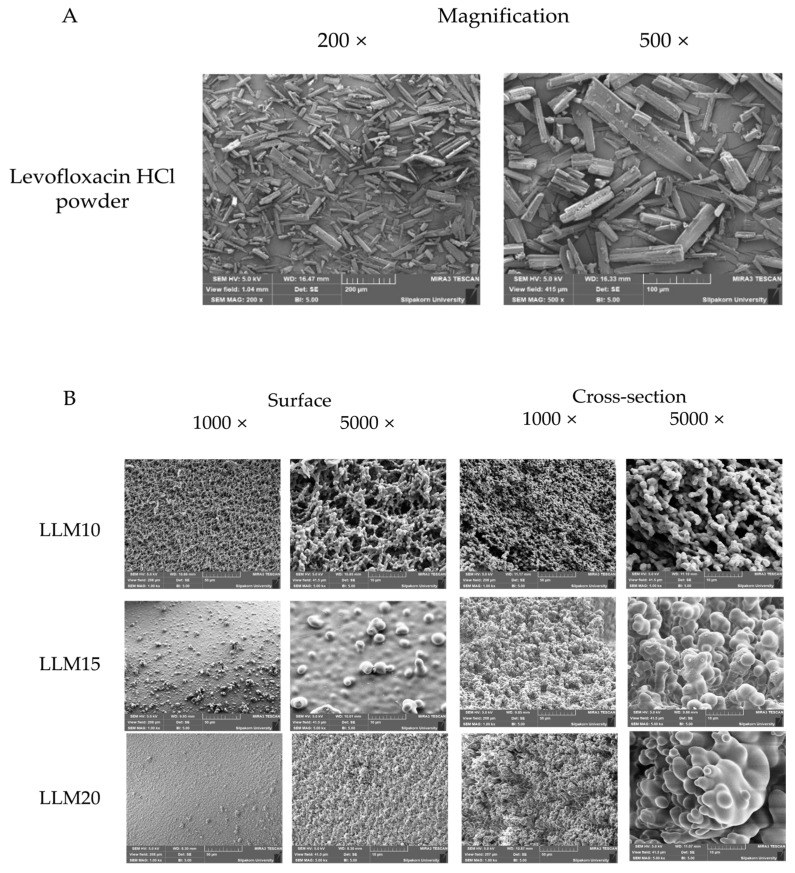
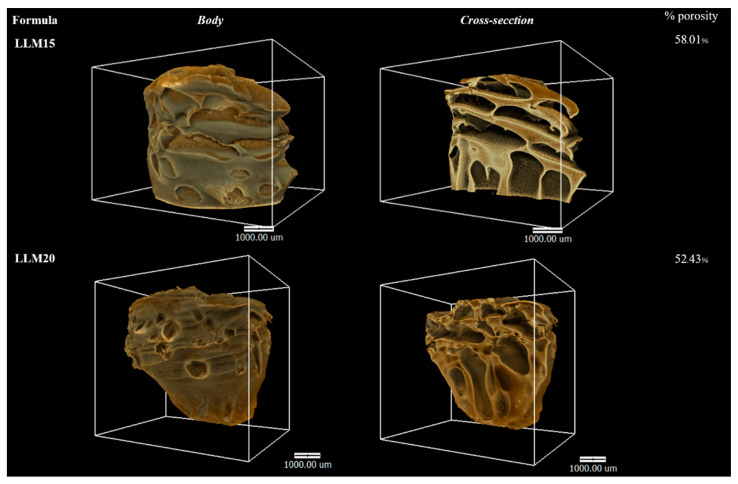
Solvent exchange-induced in situ forming gel (ISG) is currently an appealing dosage form for periodontitis treatment via localized injection into the periodontal pocket. This study aims to apply Eudragit L and Eudragit S as matrix components of ISG by using monopropylene glycol as a solvent for loading levofloxacin HCl for periodontitis treatment. The influence of Eudragit concentration was investigated in terms of apparent viscosity, rheological behavior, injectability, gel-forming behavior, and mechanical properties. Eudragit L-based formulation presented less viscosity, was easier to inject, and could form more gel than Eudragit S-based ISG. Levofloxacin HCl-loading diminished the viscosity of Eudragit L-based formulation but did not significantly change the gel formation ability. Higher polymer loading increased viscosity, force-work of injectability, and hardness. SEM photographs and µCT images revealed their scaffold formation, which had a denser topographic structure and less porosity attained owing to higher polymer loading and less in vitro degradation. By tracking with fluorescence dyes, the interface interaction study revealed crucial information such as solvent movement ability and matrix formation of ISG. They prolonged the drug release for 14 days with fickian drug diffusion kinetics and increased the release amount above the MIC against test microbes. The 1% levofloxacin HCl and 15% Eudragit L dissolved in monopropylene glycol (LLM15) was a promising ISG because of its appropriate viscosity (3674.54 ± 188.03 cP) with Newtonian flow, acceptable gel formation and injectability (21.08 ± 1.38 N), hardness (33.81 ± 2.3 N) and prolonged drug release with efficient antimicrobial activities against (ATCC 6538, 6532, and 25923), methicillin-resistant () ( ATCC 4430), ATCC 8739, ATCC 10231, ATCC 33277, and ATCC 29522; thus, it is the potential ISG formulation for periodontitis treatment by localized periodontal pocket injection.
溶剂交换诱导原位形成凝胶(ISG)目前是一种颇具吸引力的剂型,可通过局部注射到牙周袋中来治疗牙周炎。本研究旨在应用Eudragit L和Eudragit S作为ISG的基质成分,使用单丙二醇作为溶剂来负载盐酸左氧氟沙星用于牙周炎治疗。从表观粘度、流变行为、可注射性、凝胶形成行为和机械性能等方面研究了Eudragit浓度的影响。与基于Eudragit S的ISG相比,基于Eudragit L的制剂粘度更低,更易于注射,并且能形成更多凝胶。负载盐酸左氧氟沙星降低了基于Eudragit L的制剂的粘度,但对凝胶形成能力没有显著影响。更高的聚合物负载量增加了粘度、注射所需的力 - 功和硬度。扫描电子显微镜(SEM)照片和显微计算机断层扫描(µCT)图像显示了它们的支架形成情况,由于更高的聚合物负载量和更少的体外降解,其具有更致密的地形结构和更小的孔隙率。通过荧光染料追踪,界面相互作用研究揭示了诸如溶剂移动能力和ISG的基质形成等关键信息。它们以菲克型药物扩散动力学将药物释放延长了14天,并增加了高于针对测试微生物的最低抑菌浓度(MIC)的释放量。1%盐酸左氧氟沙星和15% Eudragit L溶解于单丙二醇(LLM15)是一种有前景的ISG,因为其具有合适的粘度(3674.54±188.03厘泊)且呈牛顿流体流动,具有可接受的凝胶形成和可注射性(21.08±1.38牛)、硬度(33.81±2.3牛),并且能延长药物释放,对金黄色葡萄球菌(ATCC 6538、6532和25923)、耐甲氧西林金黄色葡萄球菌(MRSA)(ATCC 4430)、表皮葡萄球菌(ATCC 8739)、溶血葡萄球菌(ATCC 10231)、腐生葡萄球菌(ATCC 33277)和人葡萄球菌(ATCC 29522)具有高效抗菌活性;因此,它是通过局部牙周袋注射治疗牙周炎的潜在ISG制剂。