Jo Min Jee, Kim Ji Eun, Bae So Yon, Cho Eunjung, Ahn Shin Young, Kwon Young Joo, Ko Gang-Jee
Department of Internal Medicine, Korea University College of Medicine, Korea University Guro Hospital, Seoul 08308, Republic of Korea.
Convergence Research Center for Development New Drug, Korea University College of Medicine, Seoul 08308, Republic of Korea.
Antioxidants (Basel). 2023 Jul 18;12(7):1440. doi: 10.3390/antiox12071440.
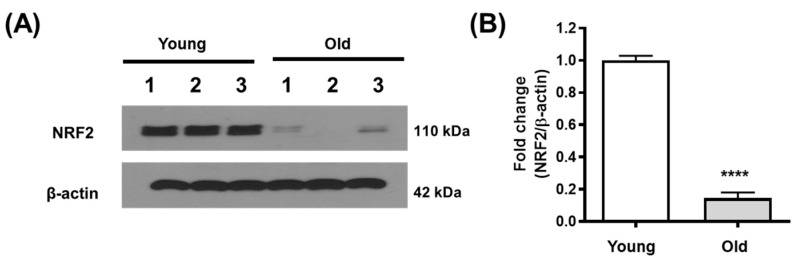
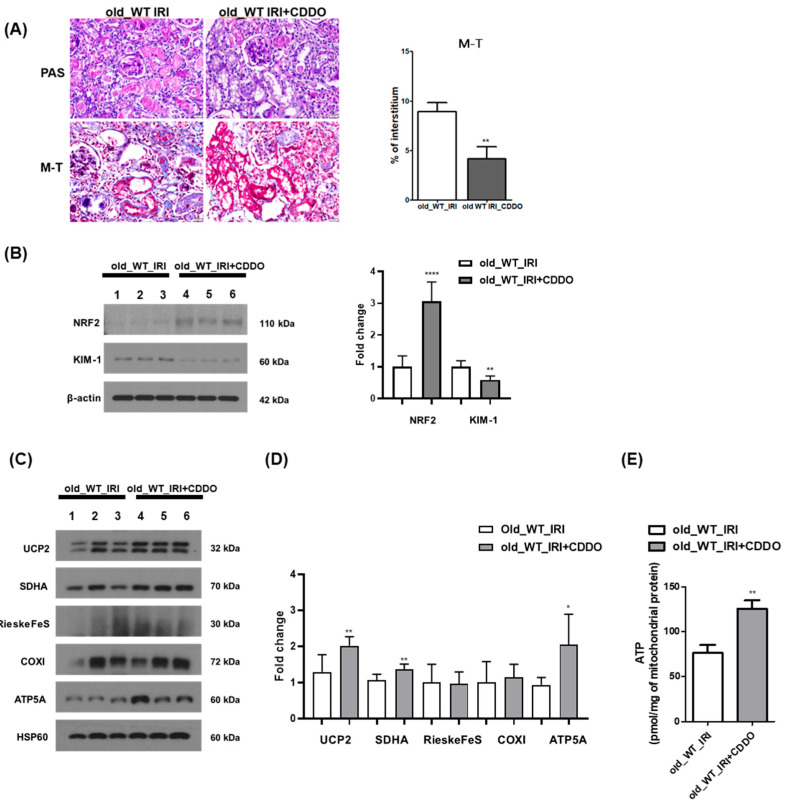
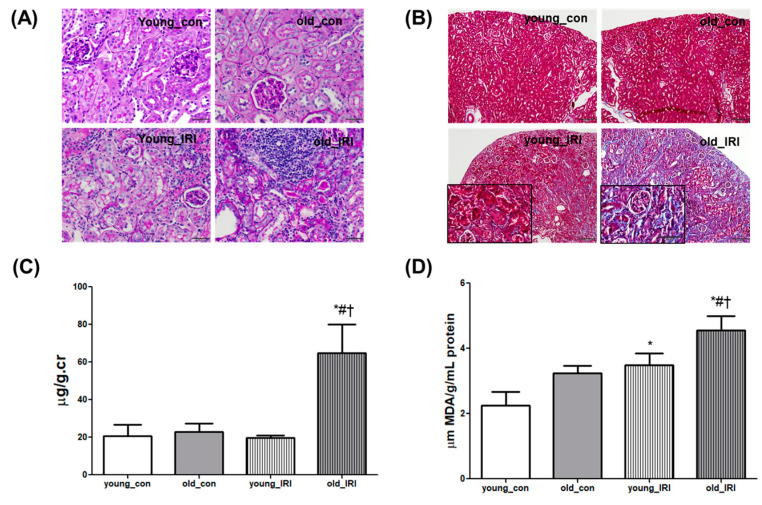
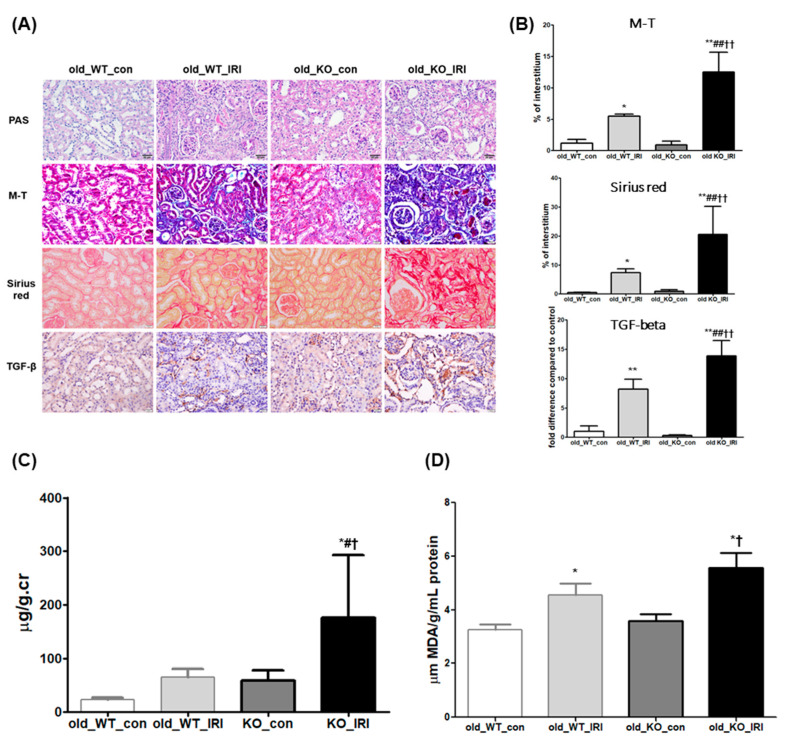
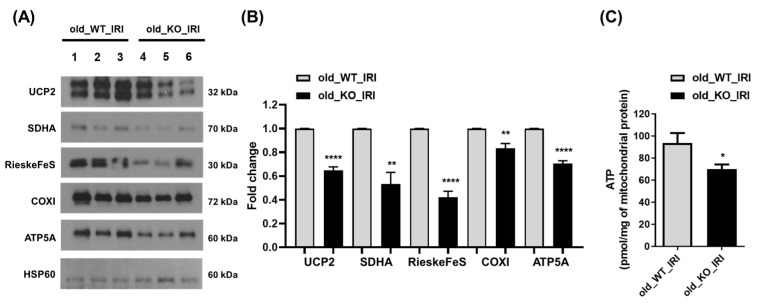
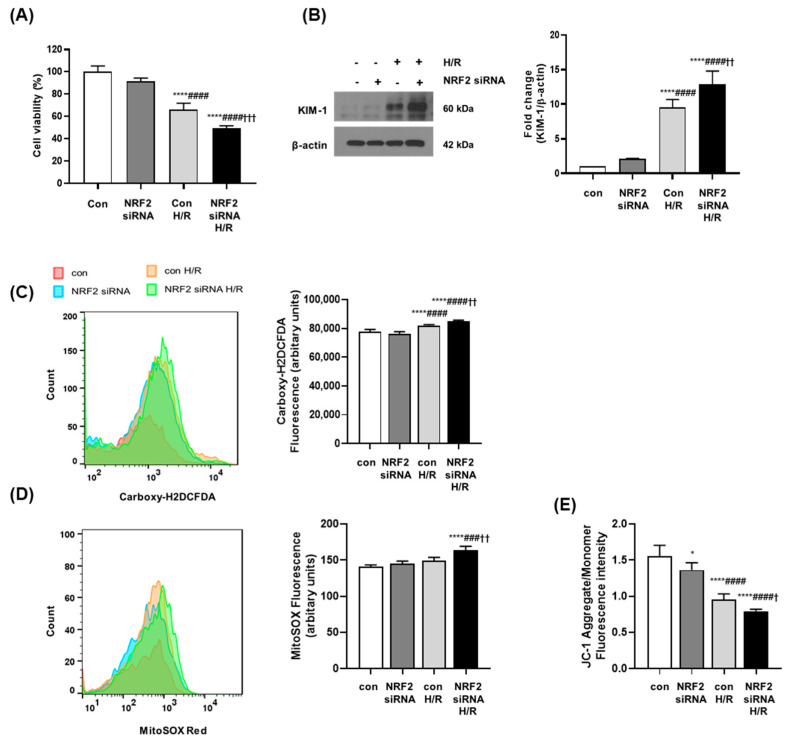
Deteriorating kidney function is frequently observed in the elderly population, as well as vulnerability to acute kidney failure, such as ischemic/reperfusion injury (IRI), and inadequate recovery from IRI is one of the mechanisms of kidney dysfunction in the elderly. The potential mediators in the progression of kidney dysfunction in the aging kidney have not yet been clearly revealed. In this study, we investigated the role of nuclear factor erythroid 2-related factor 2 (NRF2), which is an essential regulator of cellular redox homeostasis, in restoring kidney function after IRI in the aging kidney. NRF2 expression decreased significantly in the kidneys of old mice, as well as histologic and functional renal recovery after IRI; 45-min renal pedicle clamping was retarded in old compared with young mice. Persistent renal injury during the recovery phase after IRI was aggravated in NRF2 knockout (KO) mice compared to wild-type mice. Oxidative stress occurred in NRF2 KO old mice during the IRI recovery phase along with decreased expression of mitochondrial OXPHOS-related proteins and a reduction in mitochondrial ATP content. In vitro, hypoxia/reoxygenation (H/R) injury was aggravated in senescent human proximal tubuloepithelial cells after NRF2 restriction using NRF2 siRNA, which also increased the level of oxidative stress and deteriorated mitochondrial dysfunction. Treating the mice with an NRF2 activator, CDDO-Me, alleviated the injury. These results suggest that NRF2 may be a therapeutic target for the aging kidney.
肾功能恶化在老年人群中经常出现,同时他们也易患急性肾衰竭,如缺血/再灌注损伤(IRI),而IRI恢复不充分是老年人肾功能障碍的机制之一。衰老肾脏中肾功能障碍进展的潜在介质尚未明确揭示。在本研究中,我们调查了细胞氧化还原稳态的关键调节因子核因子红细胞2相关因子2(NRF2)在衰老肾脏IRI后恢复肾功能中的作用。老年小鼠肾脏中NRF2表达显著降低,IRI后的组织学和功能肾恢复也降低;与年轻小鼠相比,老年小鼠45分钟肾蒂夹闭的恢复延迟。与野生型小鼠相比,NRF2基因敲除(KO)小鼠在IRI后恢复阶段的持续性肾损伤加重。在IRI恢复阶段,NRF2 KO老年小鼠出现氧化应激,同时线粒体氧化磷酸化相关蛋白表达降低,线粒体ATP含量减少。在体外,使用NRF2 siRNA限制NRF2后,衰老的人近端肾小管上皮细胞中的缺氧/复氧(H/R)损伤加重,这也增加了氧化应激水平并使线粒体功能障碍恶化。用NRF2激活剂CDDO-Me治疗小鼠可减轻损伤。这些结果表明,NRF2可能是衰老肾脏的治疗靶点。