Stanc Margareta Simina, Bejenaru Luminița, Popovici Mariana, Diaconu Vasile, Danu Mihaela
Faculty of Biology, Alexandru Ioan Cuza University of Iasi, 700505 Iasi, Romania.
"Olga Necrasov" Center of Anthropological Research, Romanian Academy-Iasi Branch, 700481 Iasi, Romania.
Animals (Basel). 2023 Jul 17;13(14):2334. doi: 10.3390/ani13142334.
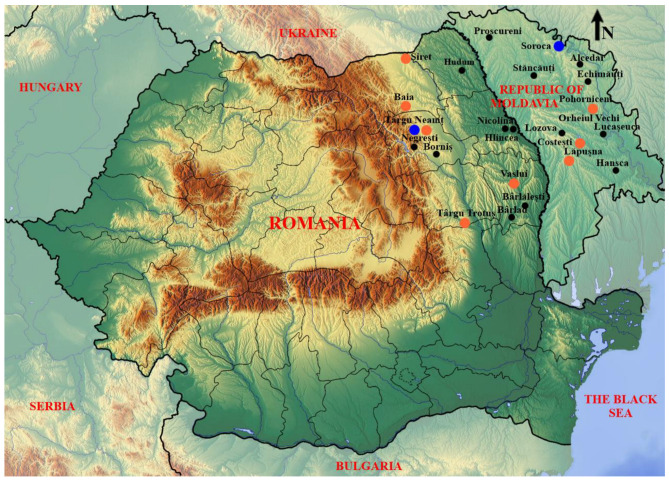
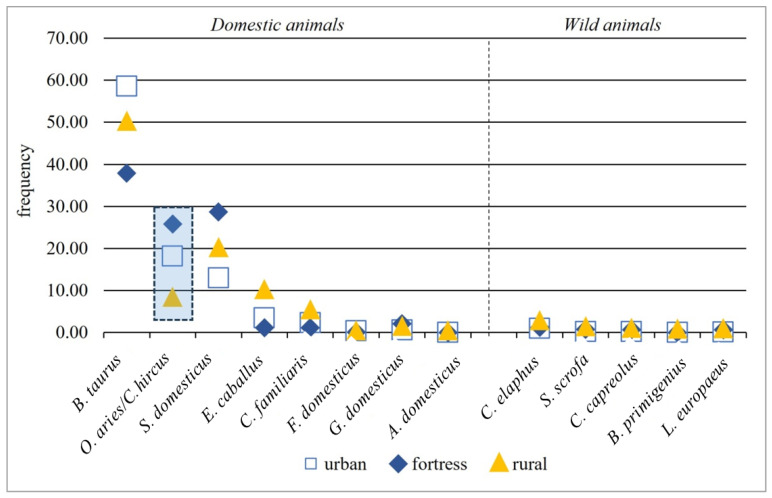
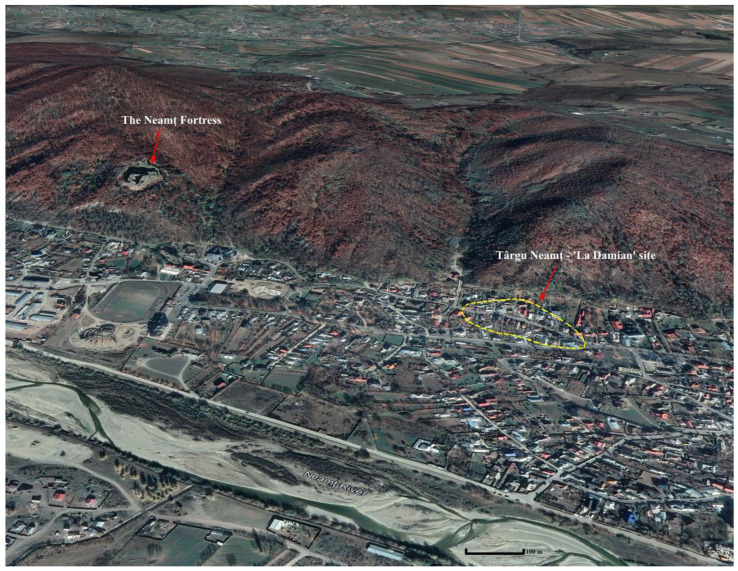
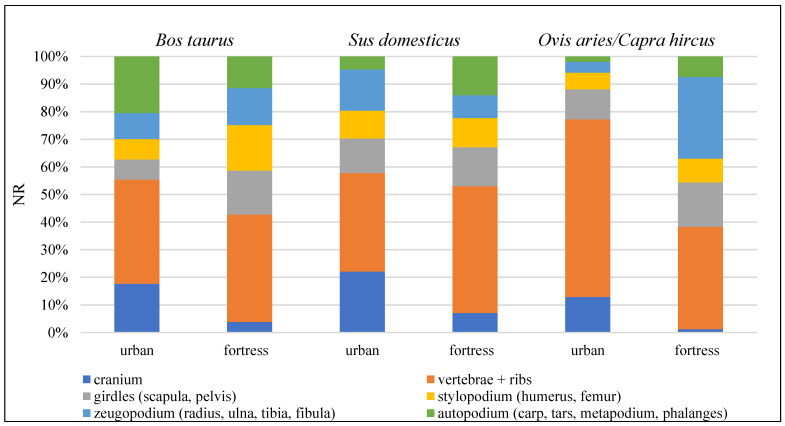
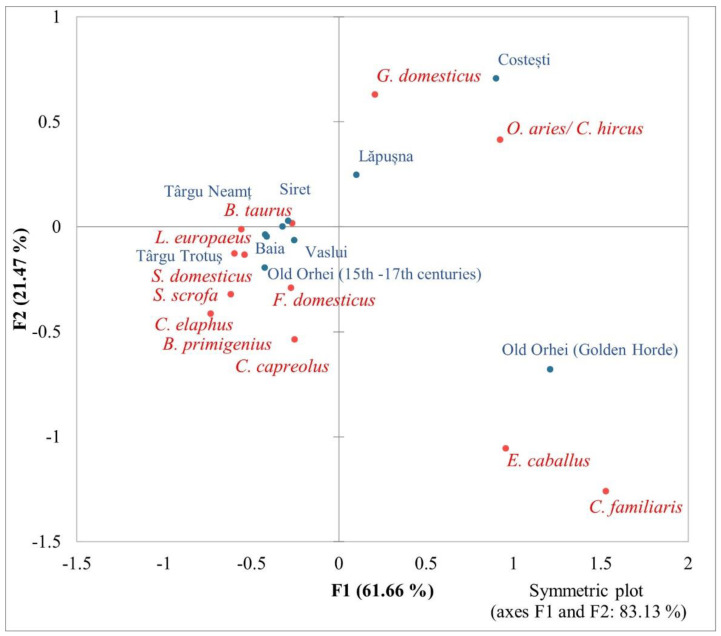
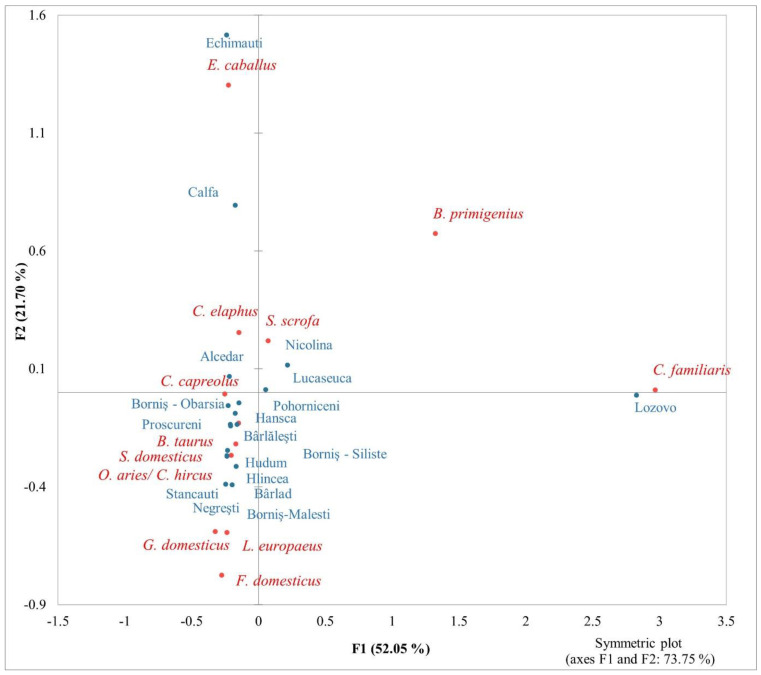
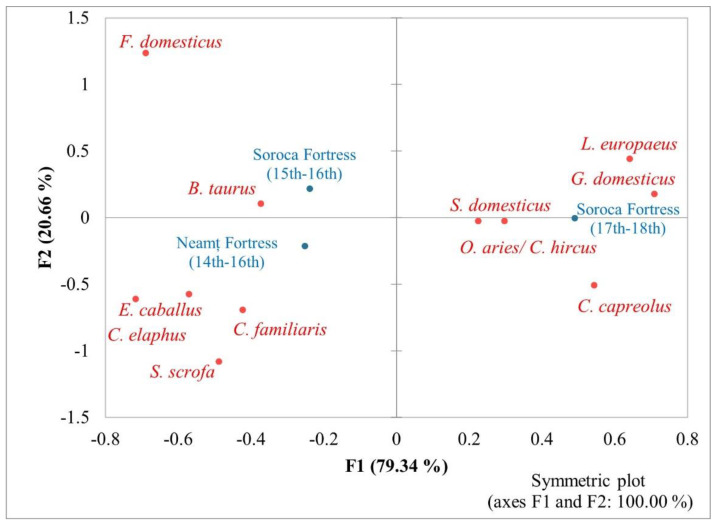
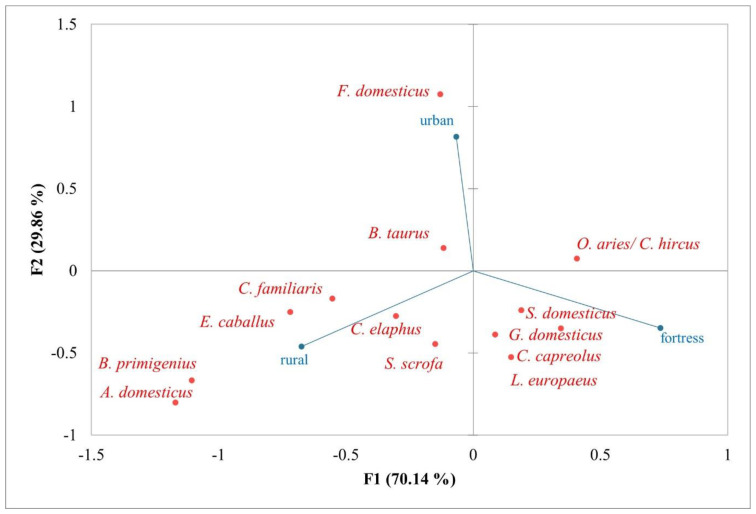
This study aims to contribute to the knowledge of the medieval Moldovan economy by evaluating animal resources (e.g., animal husbandry, hunting, fishing) based on the skeletal remains found in archaeologic sites from northeastern Romania and the Republic of Moldova. Animal remains, especially those from the urban settlement of the 14th-16th centuries from Târgu Neamţ (NE Romania), were described in terms of their frequencies (i.e., number of identified specimens and minimum number of individuals), morphometry, and livestock management (i.e., animal selection by age and sex). The results were compared with those obtained from other settlements-rural, urban, and fortress-from medieval Moldova. Correspondence analysis of the identified animals and settlements on the basis of the frequency values reveals associations between the two variables (animal species and settlement).
本研究旨在通过基于罗马尼亚东北部和摩尔多瓦共和国考古遗址中发现的骨骼遗骸评估动物资源(如畜牧业、狩猎、捕鱼),来增进对中世纪摩尔多瓦经济的了解。对动物遗骸,特别是来自14至16世纪罗马尼亚东北部特尔古尼亚姆茨城市聚居地的遗骸,按照其出现频率(即鉴定标本数量和最小个体数量)、形态测量以及畜牧管理(即按年龄和性别选择动物)进行了描述。将这些结果与从中世纪摩尔多瓦其他聚居地——农村、城市和堡垒——获得的结果进行了比较。基于频率值对已鉴定动物和聚居地进行的对应分析揭示了这两个变量(动物种类和聚居地)之间的关联。