Department of Gastroenterology and Hepatology, Second Affiliated Hospital of Nanchang University, Nanchang 330006, China.
Queen Mary School, Nanchang University, Nanchang 330031, China.
Int J Mol Sci. 2023 Jul 24;24(14):11870. doi: 10.3390/ijms241411870.
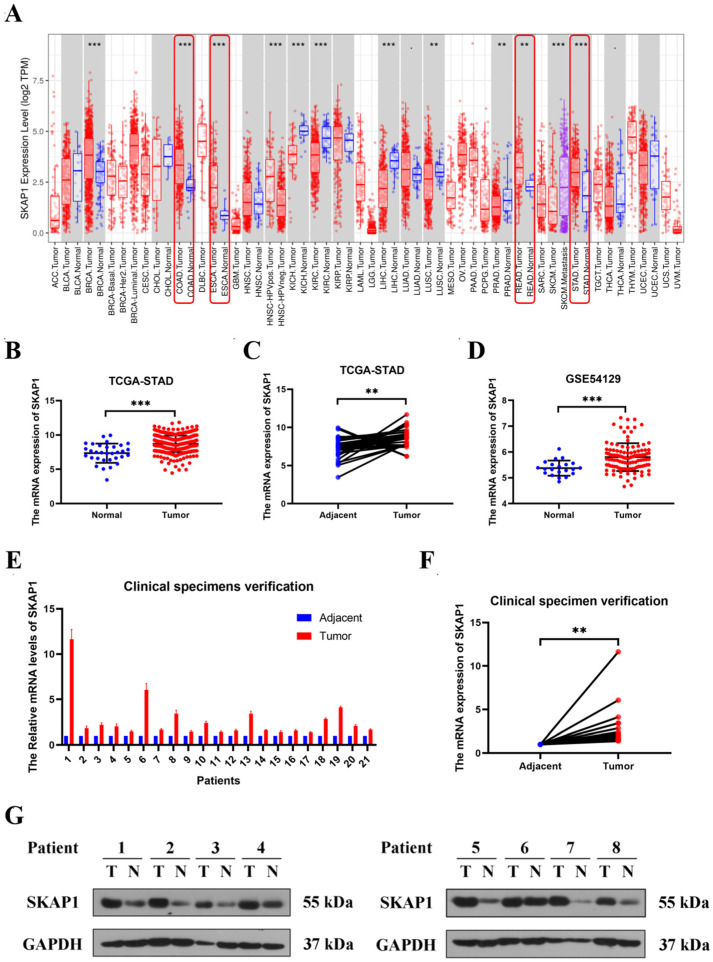
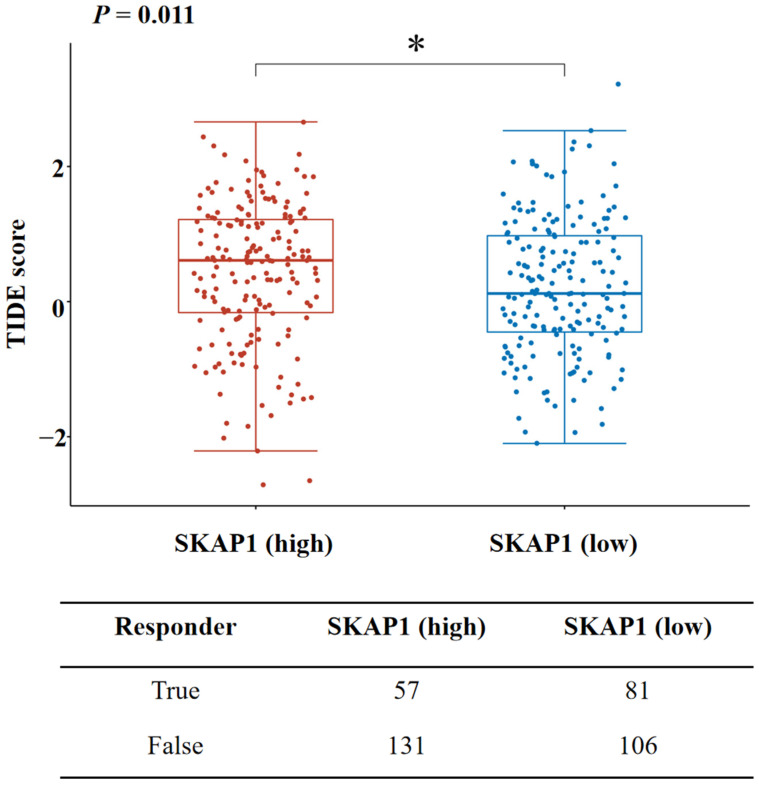
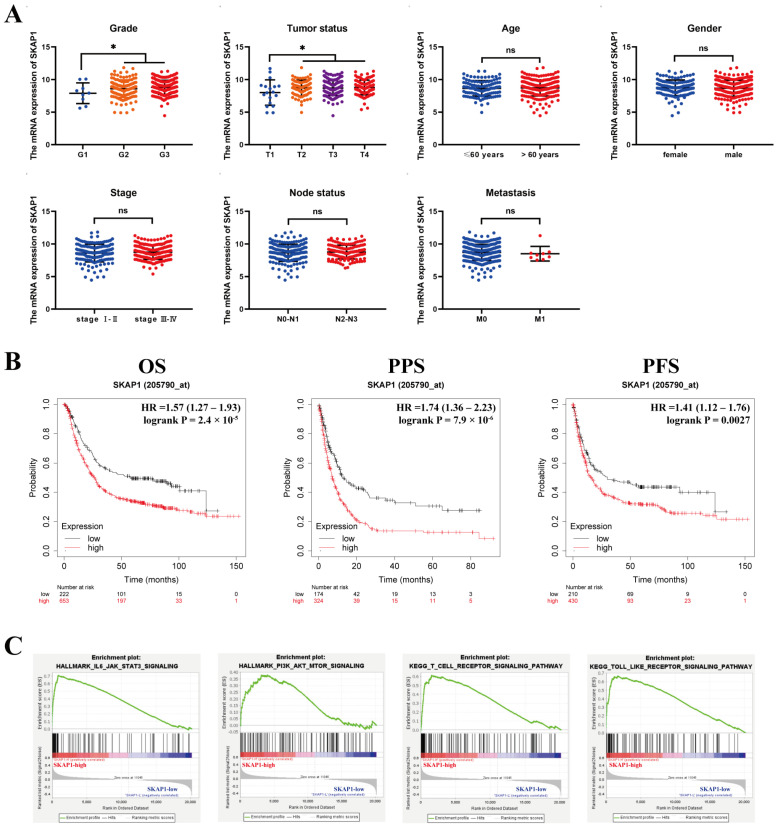
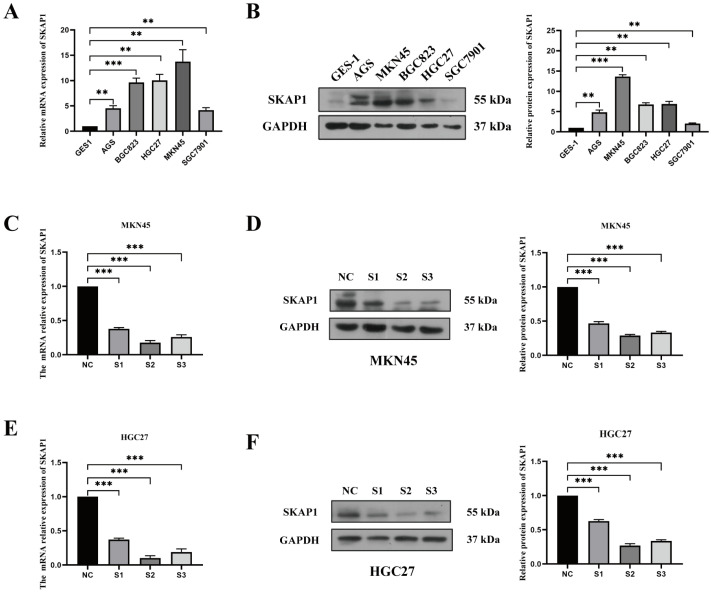
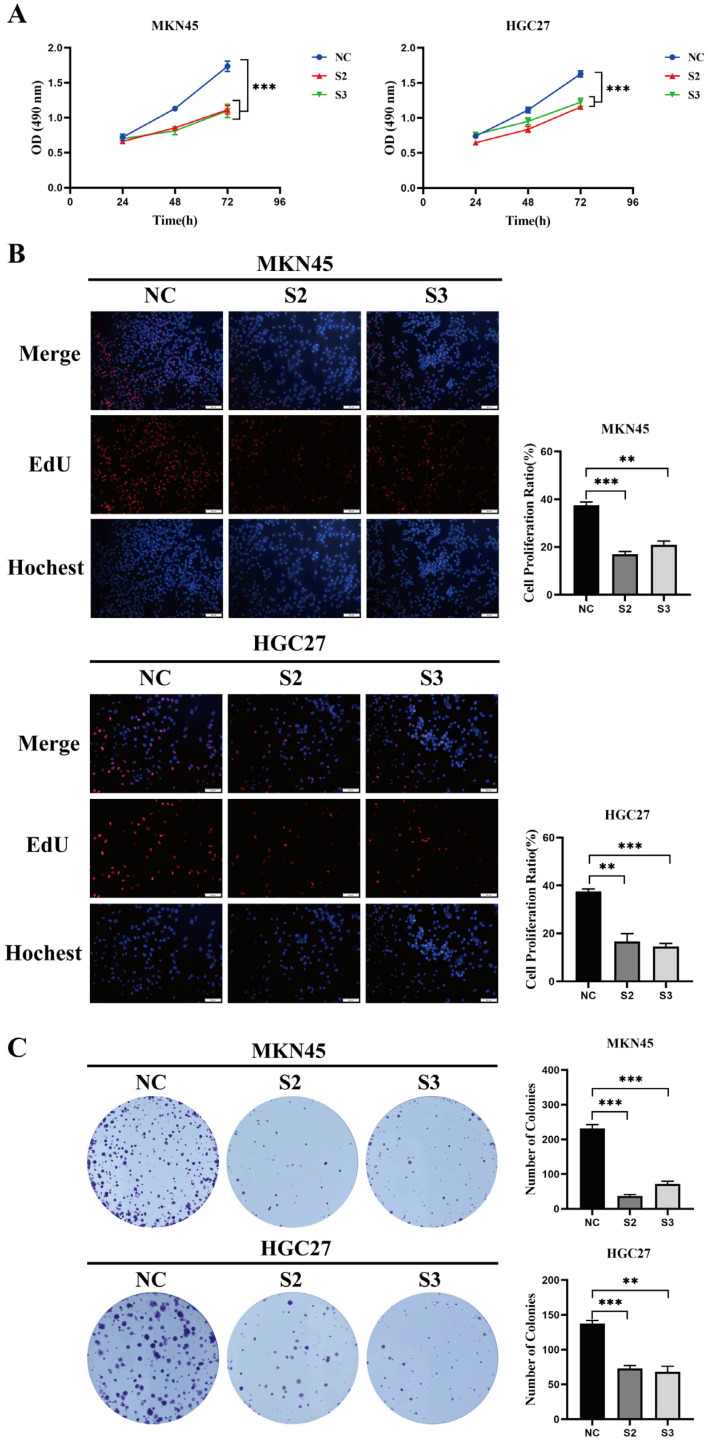
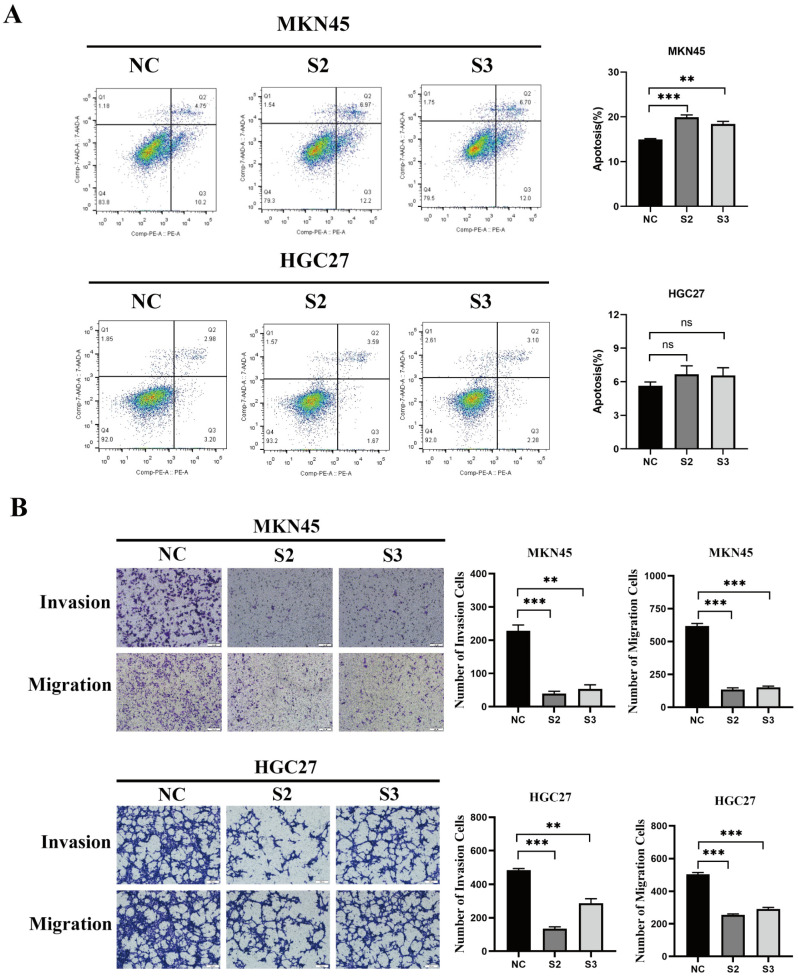
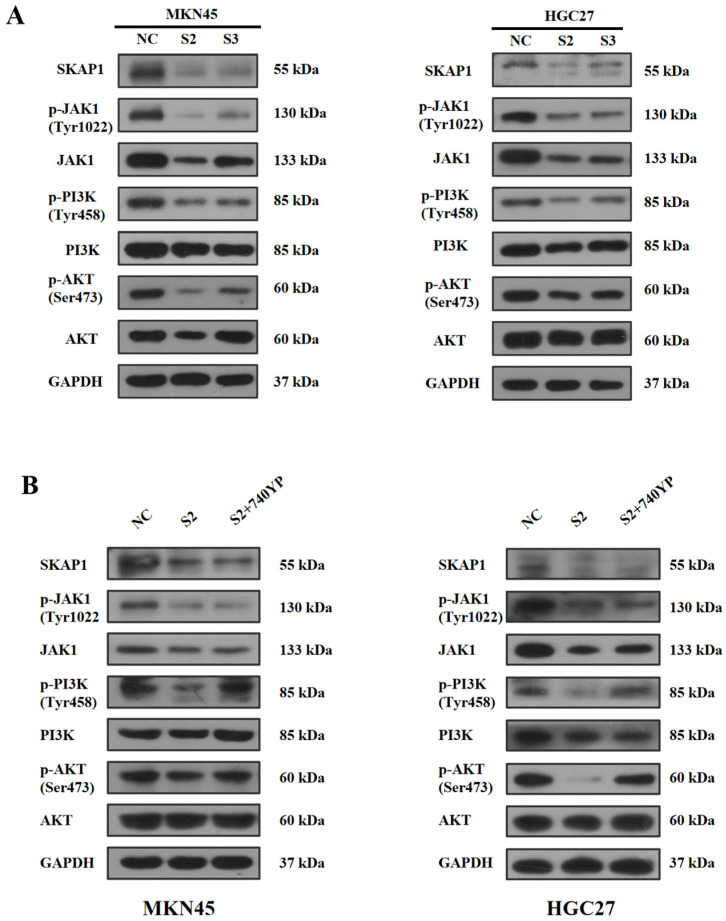
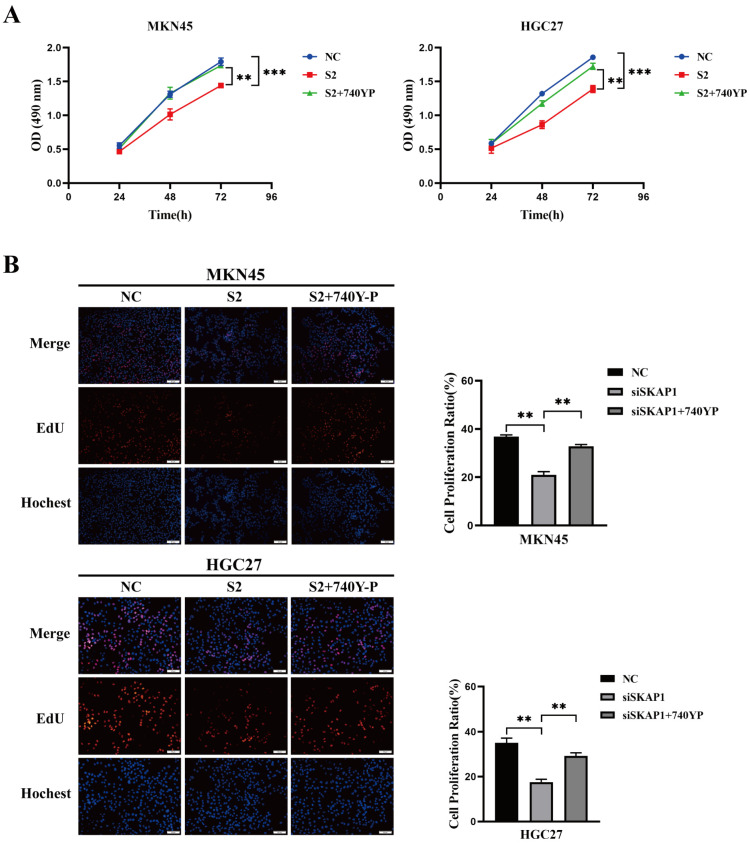
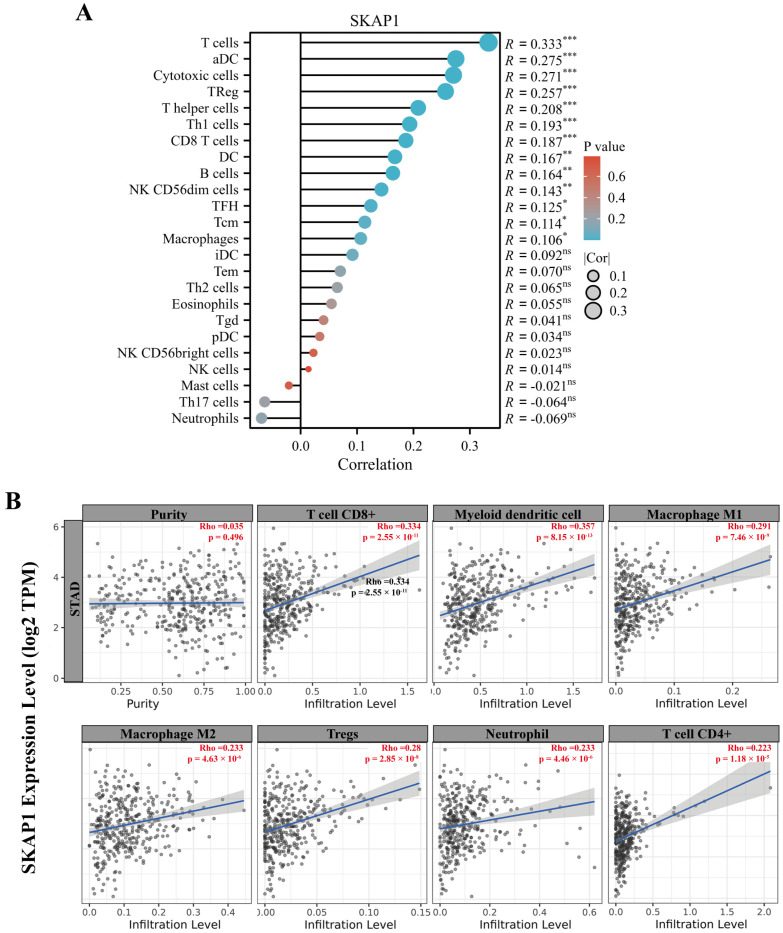
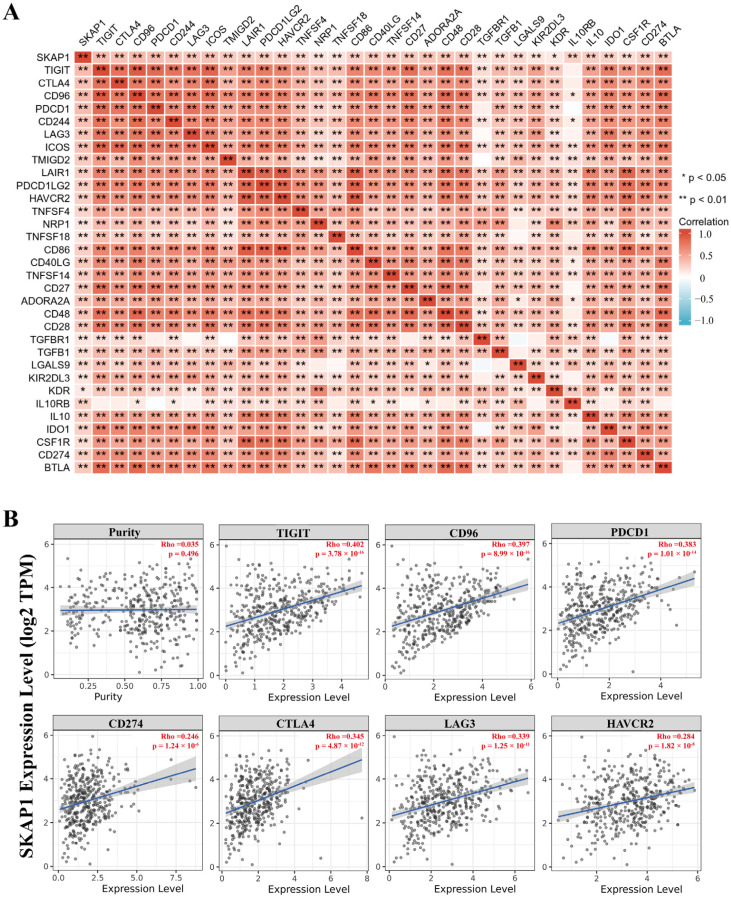
Gastric cancer (GC) is the third leading cause of cancer-related death worldwide. Due to the lack of early symptoms, GC is often diagnosed at an advanced stage when treatment options are limited. There is an urgent need to identify biomarkers for early detection, prognosis evaluation, and targeted treatment of GC. Studies have shown that Src kinase-associated phosphoprotein 1 (SKAP1) promotes cell proliferation and invasion and is associated with poor prognosis in colorectal cancer, malignant fibrous histiocytoma, and breast cancer. However, the role and mechanism of SKAP1 in GC are unclear. Here, analyses of multiple databases and experiments revealed that SKAP1 expression was higher in GC than in adjacent normal tissues. The Cancer Genome Atlas data showed that high SKAP1 expression was associated with poor GC prognosis. SKAP1 expression was higher in GC than in normal gastric epithelial cells. SKAP1 silencing reduced the proliferation, migration and invasion of the GC cell lines MKN45 and HGC27. Rescue experiments suggest that SKAP1 may promote GC progression by activating JAK1/PI3K/AKT signaling and regulating GC cell proliferation, invasion, migration, and other functions. Bioinformatics analysis revealed that SKAP1 was associated with immune cell infiltration and checkpoint expression in GC. High SKAP1 expression was associated with poorer immunotherapy outcomes, suggesting its potential as a predictive biomarker of GC immunotherapy efficacy. In summary, SKAP1 is overexpressed in GC, where it promotes cell proliferation, invasion and migration and is associated with poor prognosis and poor immunotherapy outcomes. SKAP1 may represent a biomarker and therapeutic target in GC and regulates cellular functions through JAK1/PI3K/AKT signaling.
胃癌(GC)是全球癌症相关死亡的第三大主要原因。由于缺乏早期症状,GC 通常在治疗选择有限的晚期阶段被诊断出来。因此,迫切需要鉴定生物标志物用于 GC 的早期检测、预后评估和靶向治疗。研究表明,Src 激酶相关磷酸蛋白 1(SKAP1)促进细胞增殖和侵袭,与结直肠癌、恶性纤维组织细胞瘤和乳腺癌的不良预后相关。然而,SKAP1 在 GC 中的作用和机制尚不清楚。本研究通过分析多个数据库和实验发现,SKAP1 在 GC 中的表达高于相邻正常组织。癌症基因组图谱(The Cancer Genome Atlas,TCGA)数据表明,高 SKAP1 表达与 GC 预后不良相关。GC 中 SKAP1 的表达高于正常胃上皮细胞。SKAP1 沉默降低了 GC 细胞系 MKN45 和 HGC27 的增殖、迁移和侵袭能力。挽救实验表明,SKAP1 可能通过激活 JAK1/PI3K/AKT 信号通路并调节 GC 细胞增殖、侵袭、迁移和其他功能来促进 GC 进展。生物信息学分析表明,SKAP1 与 GC 中的免疫细胞浸润和检查点表达相关。高 SKAP1 表达与较差的免疫治疗结果相关,提示其可能作为 GC 免疫治疗疗效的预测生物标志物。综上所述,SKAP1 在 GC 中过度表达,促进细胞增殖、侵袭和迁移,并与不良预后和较差的免疫治疗结果相关。SKAP1 可能代表 GC 中的一个生物标志物和治疗靶点,并通过 JAK1/PI3K/AKT 信号通路调节细胞功能。