Restoratif Dentistry, Faculty of Dentistry, Harran University, Şanlıurfa 63000, Turkey.
Şanlıurfa Training and Research Hospital, Şanlıurfa 63000, Turkey.
Medicina (Kaunas). 2023 Jun 21;59(7):1185. doi: 10.3390/medicina59071185.
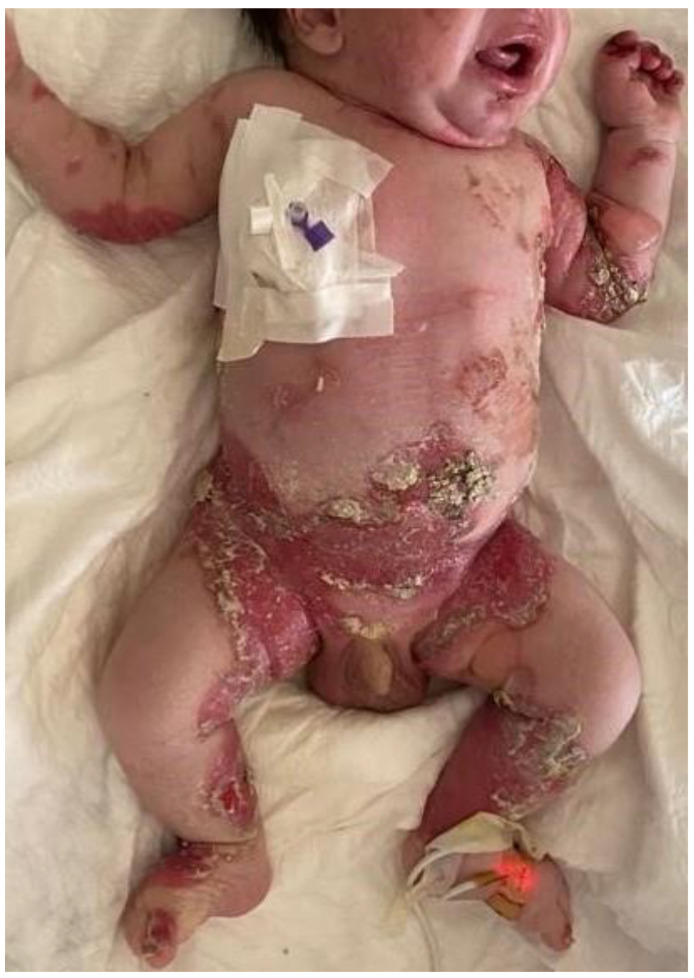
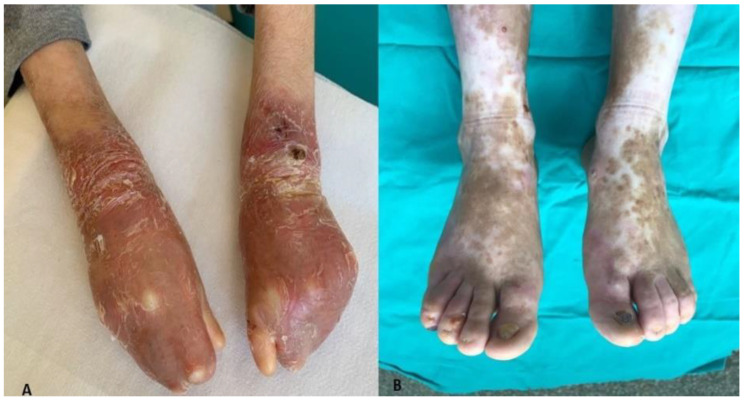
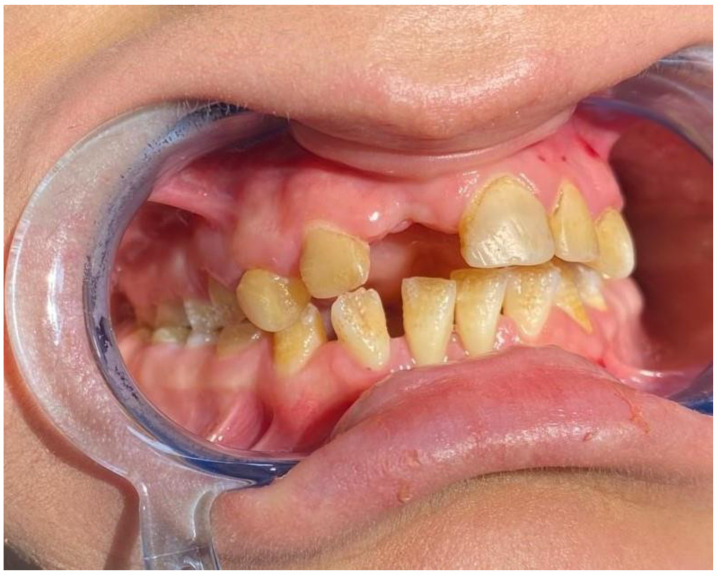
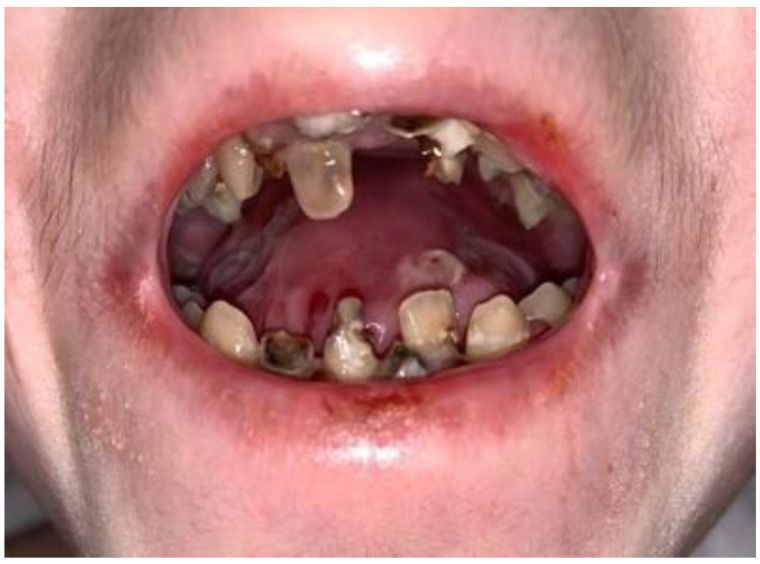
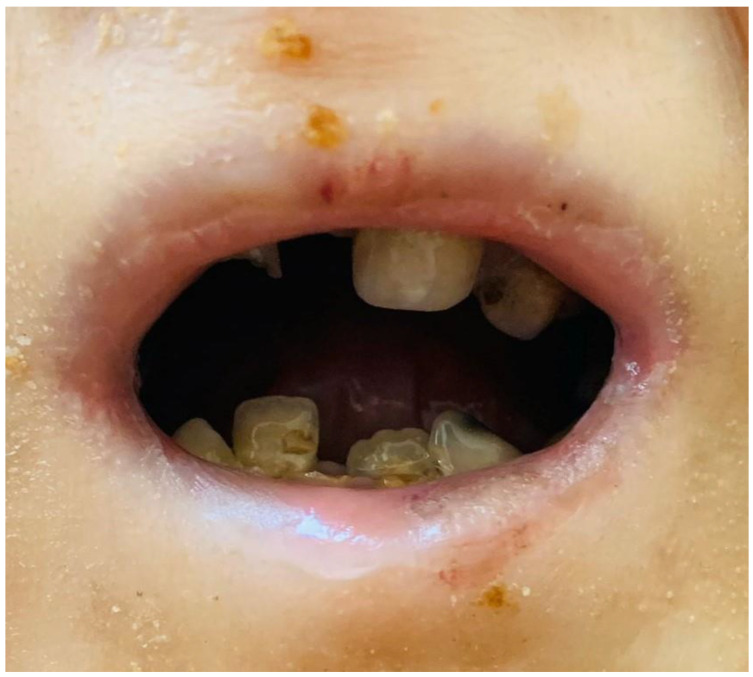
Epidermolysis bullosa (EB) is a genetically inherited disease characterized by recurrent bullae and erosions on the skin with numerous signs of dental caries and poor oral hygiene. The aim of this study was to investigate the general clinical and oral findings of patients with EB. In this prospective study, the clinical and oral findings and family history of 26 cases with EB were evaluated. The type of EB, gender, age, parental consanguinity, dental caries, oral findings, distribution of lesions and presence of associated anomalies, clinical and oral findings correlated with gender were recorded. All 26 patients with EB had a history of consanguinity and siblings with EB to varying degrees. In our study, malnutrition, anemia and growth retardation, gastrointestinal system complications, hair thinning, hand and nail deformity, ocular problems and renal disease (in one case) were observed with variable frequencies. When the intraoral findings of the patients were investigated, extensive dental caries in all EB types, enamel hypoplasia in junctional EB (JEB) and the presence of tooth-root to be extracted in dystrophic EB (DEB), intraoral bullae and lesions, ankyloglossia, vestibular sulcus insufficiency, microstomia and maxillary atrophy were observed. Three cases had restorative treatment and one case had prosthetic rehabilitation. Oral involvement can be seen with varying frequencies depending on the type of EB and the severity of the disease. It may result from delayed oral and dental rehabilitation due to physical disabilities, limitations and more pressing medical problems. Microstomy, pain from mucosal lesions, and restricted access to the mouth can be caused by poor oral hygiene. Oral complications and caloric needs of individuals with EB should be determined, and individual prophylaxis should be applied to prevent caries formation and protect teeth.
大疱性表皮松解症(EB)是一种遗传性疾病,其特征是皮肤反复出现水疱和糜烂,伴有许多龋齿和口腔卫生不良的迹象。本研究旨在探讨 EB 患者的一般临床和口腔表现。
在这项前瞻性研究中,评估了 26 例 EB 患者的临床和口腔表现及家族史。记录 EB 的类型、性别、年龄、父母近亲结婚、龋齿、口腔表现、病变分布和相关畸形的存在、与性别相关的临床和口腔表现。所有 26 例 EB 患者均有不同程度的近亲结婚和兄弟姐妹 EB 病史。在我们的研究中,观察到营养不良、贫血和生长迟缓、胃肠道系统并发症、毛发稀疏、手和指甲畸形、眼部问题和肾病(一例)的发生率各不相同。当研究患者的口腔内表现时,观察到所有 EB 类型均有广泛的龋齿、交界性 EB(JEB)的釉质发育不全和营养不良性 EB(DEB)的牙根需要拔除、口腔内水疱和病变、舌系带短、前庭沟不足、小口畸形和上颌萎缩。有 3 例接受了修复治疗,1 例接受了义齿修复。
口腔受累的频率取决于 EB 的类型和疾病的严重程度。它可能是由于身体残疾、限制和更紧迫的医疗问题导致口腔和牙齿康复延迟所致。小口畸形、黏膜病变引起的疼痛以及口腔难以进入可能是由于口腔卫生不良引起的。应确定 EB 个体的口腔并发症和热量需求,并应用个体化预防措施来预防龋齿形成和保护牙齿。