Department of Biologic and Materials Sciences, University of Michigan School of Dentistry, 1011 North University, Ann Arbor, MI 48108, USA.
Department of Dentistry, National Taiwan University School of Dentistry, No. 1, Changde St., Zhongzheng Dist., Taipei City 100, Taiwan; Department of Pediatric Dentistry, National Taiwan University Children's Hospital, No. 8, Zhongshan S. Rd., Zhongzheng Dist., Taipei City 100, Taiwan.
J Struct Biol. 2021 Dec;213(4):107805. doi: 10.1016/j.jsb.2021.107805. Epub 2021 Oct 27.
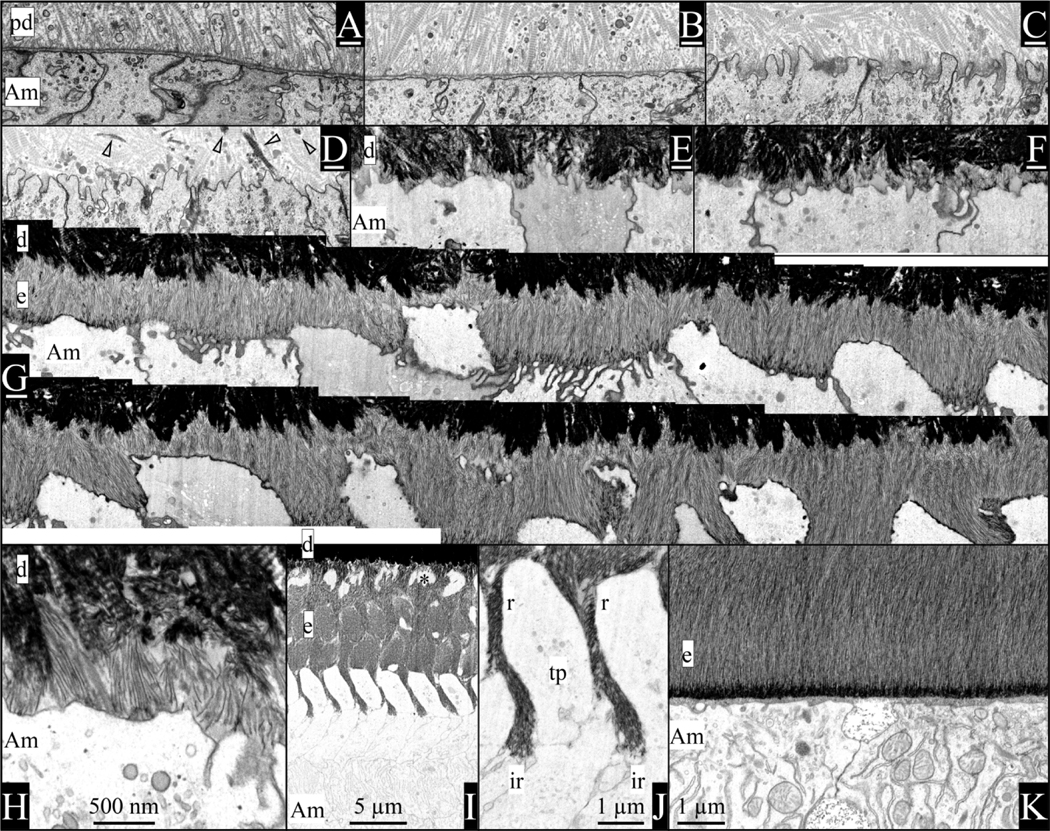
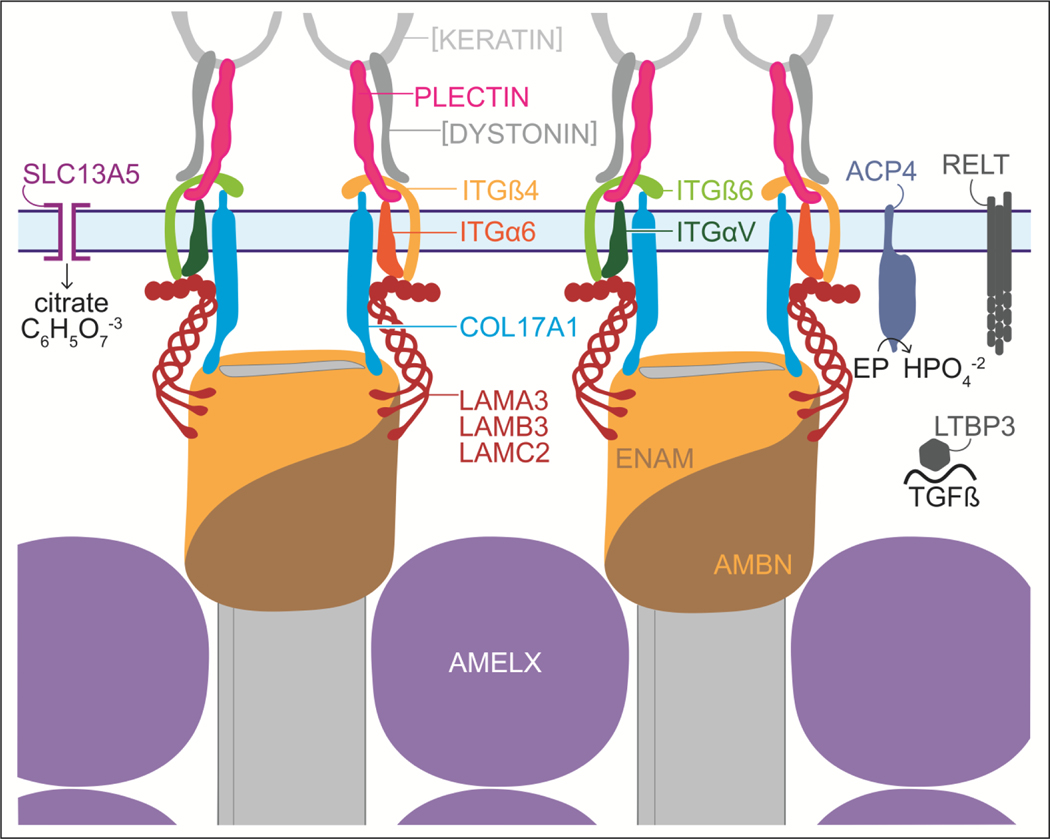
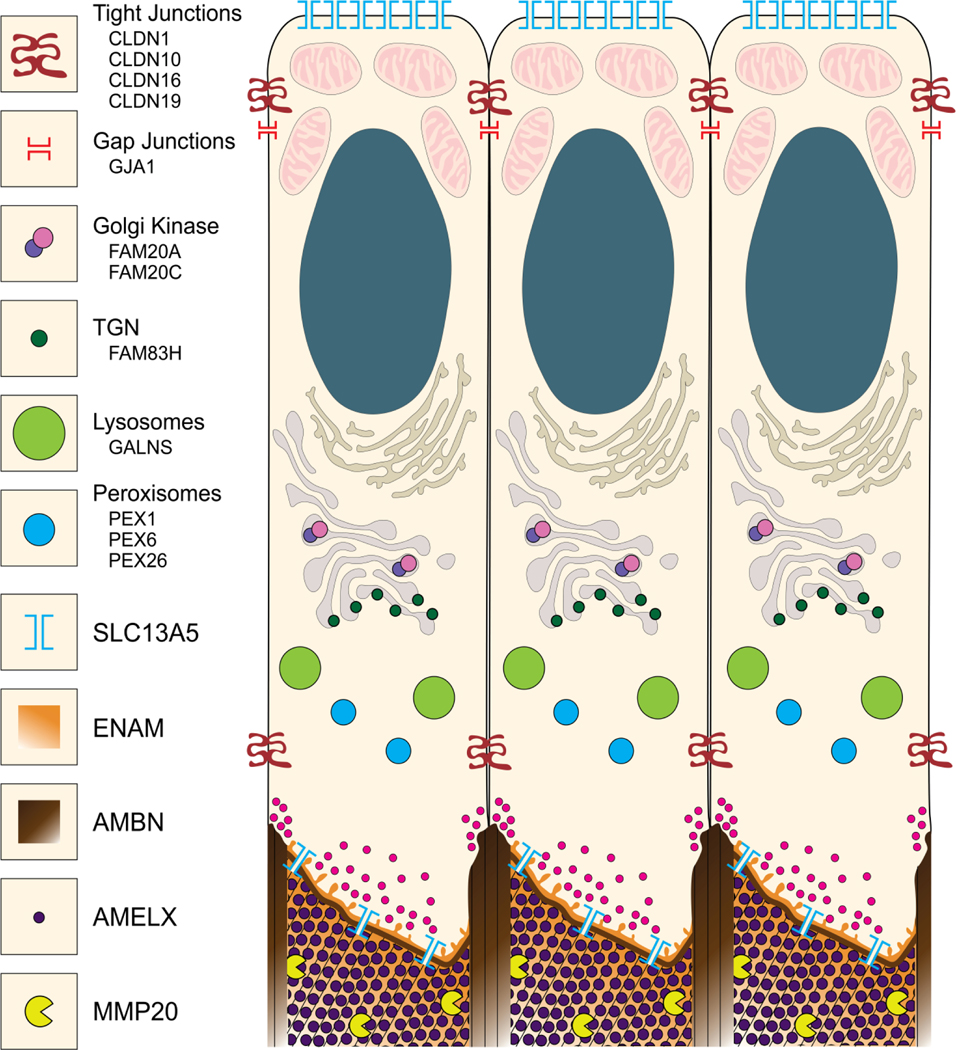
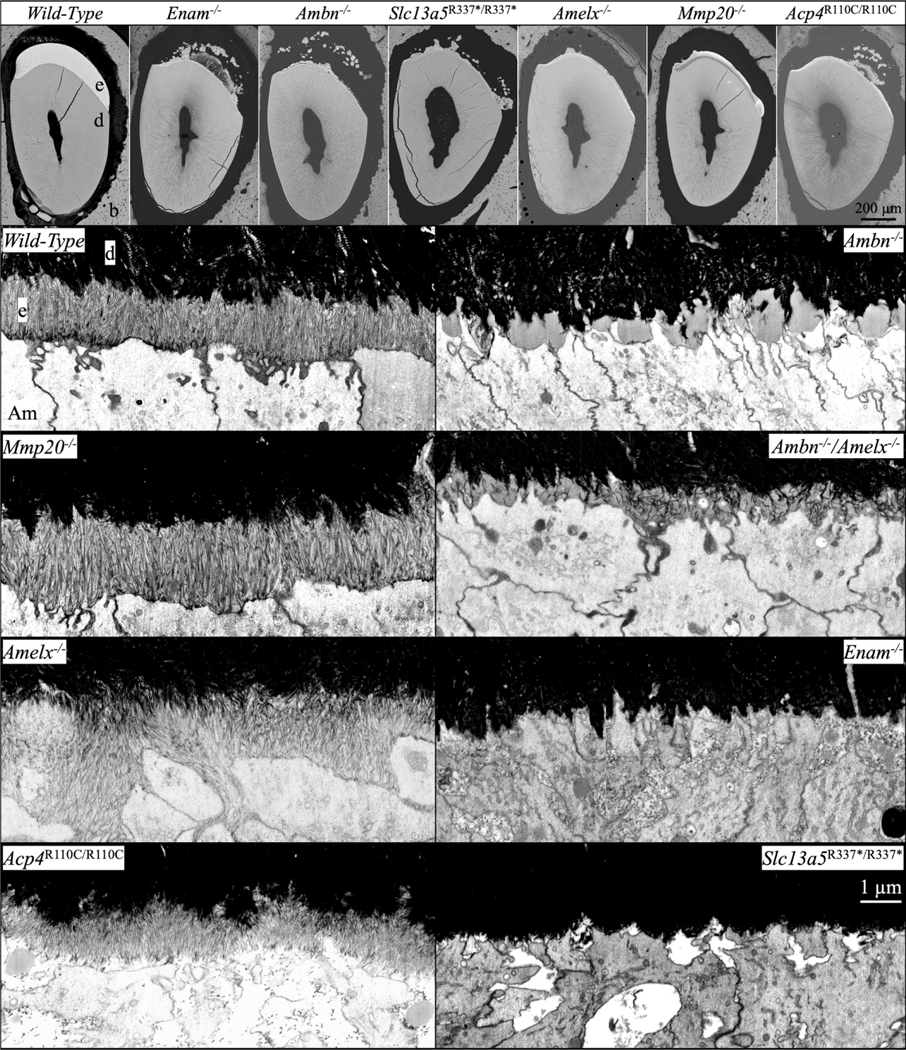
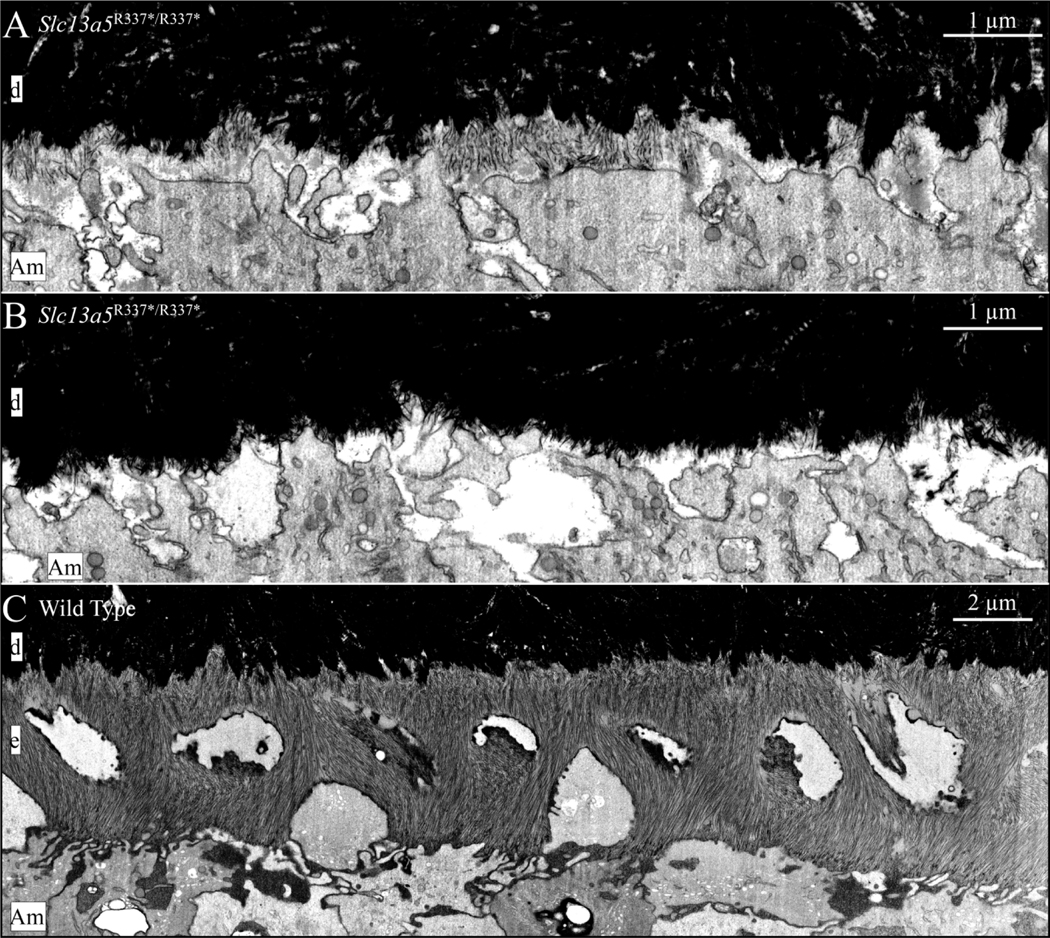
The revolution in genetics has rapidly increased our knowledge of human and mouse genes that are critical for the formation of dental enamel and helps us understand how enamel evolved. In this graphical review we focus on the roles of 41 genes that are essential for the secretory stage of amelogenesis when characteristic enamel mineral ribbons initiate on dentin and elongate to expand the enamel layer to the future surface of the tooth. Based upon ultrastructural analyses of genetically modified mice, we propose a molecular model explaining how a cell attachment apparatus including collagen 17, α6ß4 and αvß6 integrins, laminin 332, and secreted enamel proteins could attach to individual enamel mineral ribbons and mold their cross-sectional dimensions as they simultaneously elongate and orient them in the direction of the retrograde movement of the ameloblast membrane.
遗传学的革命迅速增加了我们对人类和老鼠基因的认识,这些基因对牙釉质的形成至关重要,并帮助我们了解牙釉质是如何进化的。在这篇图形综述中,我们重点介绍了 41 个基因在牙釉质分泌阶段的作用,当特征性的牙釉质矿物质带在牙本质上开始并延伸到扩大牙釉质层到牙齿未来的表面时,这些基因是必不可少的。基于对基因修饰小鼠的超微结构分析,我们提出了一个分子模型,解释了包括胶原 17、α6β4 和 αvβ6 整联蛋白、层粘连蛋白 332 和分泌的牙釉蛋白在内的细胞附着装置如何附着到单个牙釉质矿物质带上,并在它们同时延伸和沿釉质细胞膜逆行运动的方向定向时塑造它们的横截面尺寸。