Tverjanovich Andrey, Benmore Chris J, Khomenko Maxim, Sokolov Anton, Fontanari Daniele, Bereznev Sergei, Bokova Maria, Kassem Mohammad, Bychkov Eugene
Institute of Chemistry, St. Petersburg State University, 198504 St. Petersburg, Russia.
X-ray Science Division, Advanced Photon Source, Argonne National Laboratory, Argonne, IL 60439, USA.
Nanomaterials (Basel). 2023 Jul 23;13(14):2137. doi: 10.3390/nano13142137.
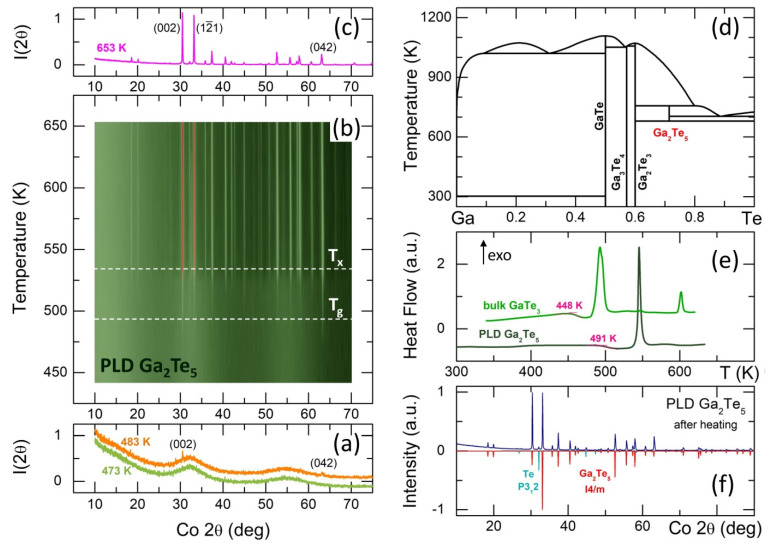
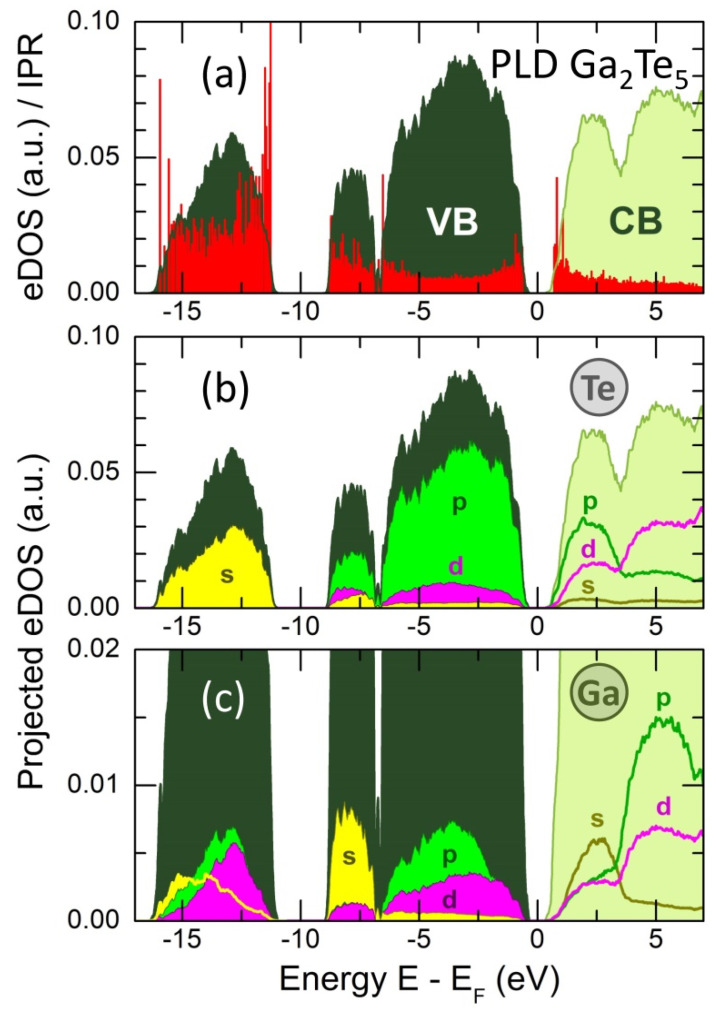
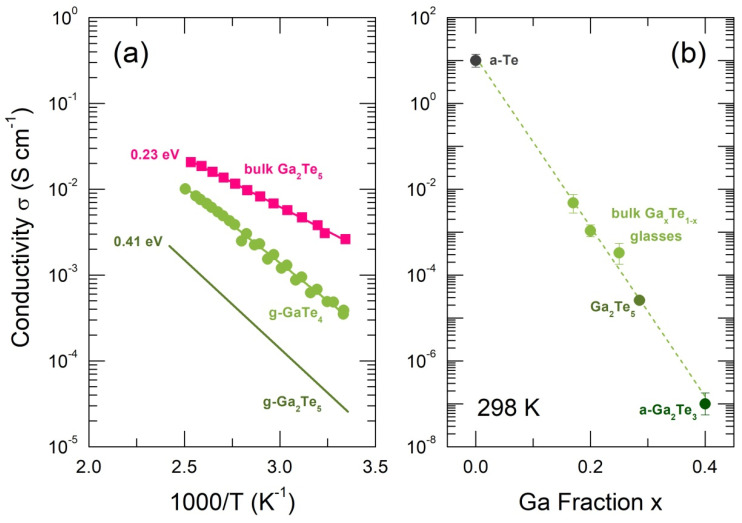
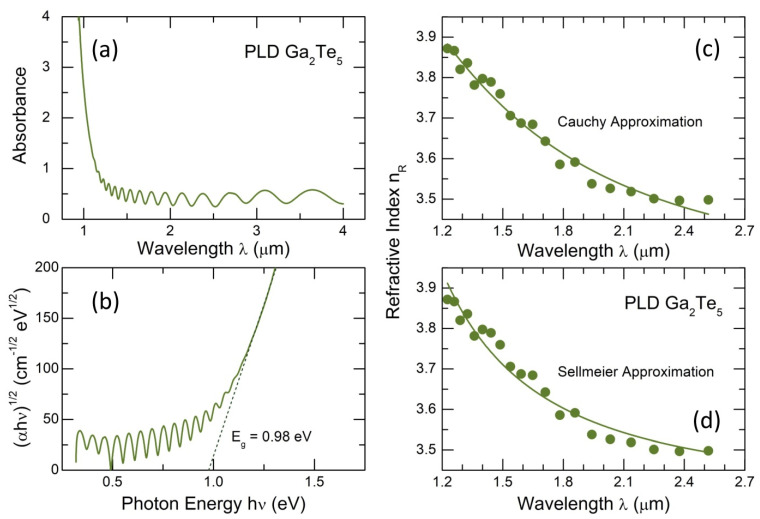
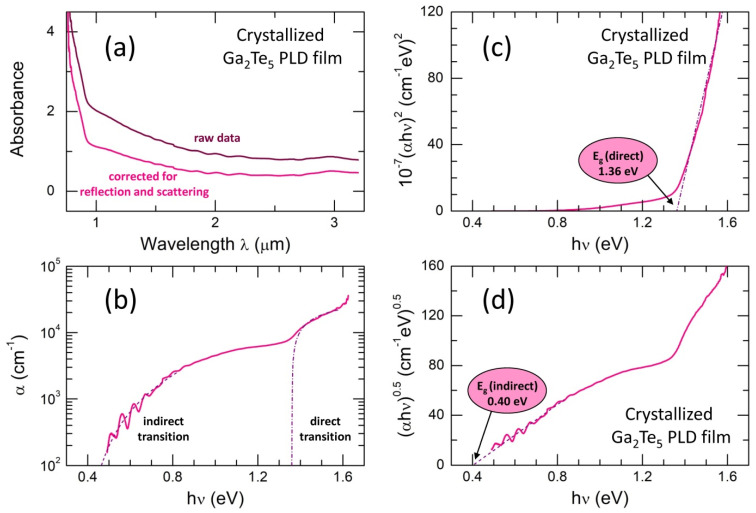
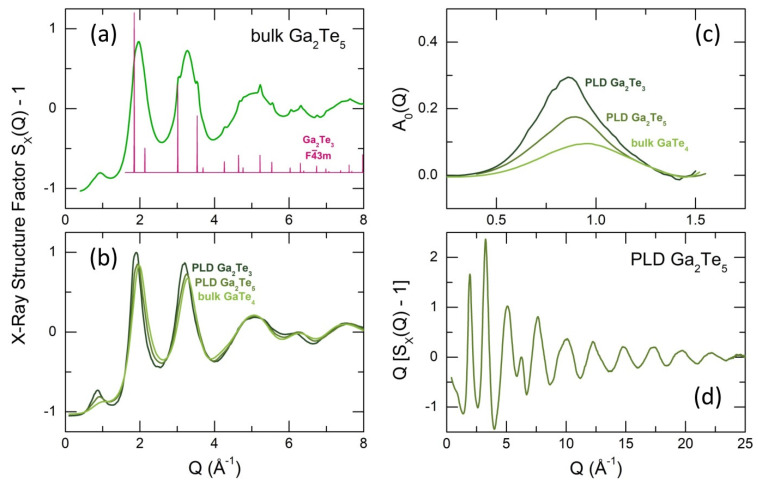
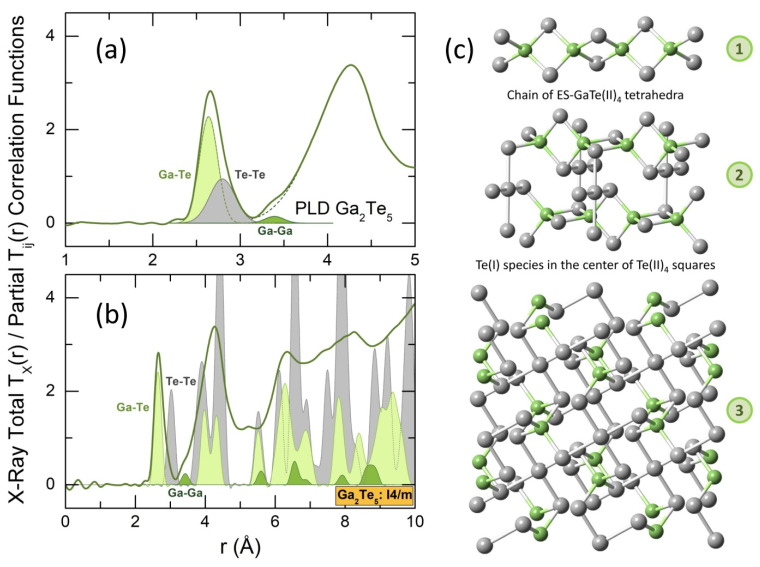
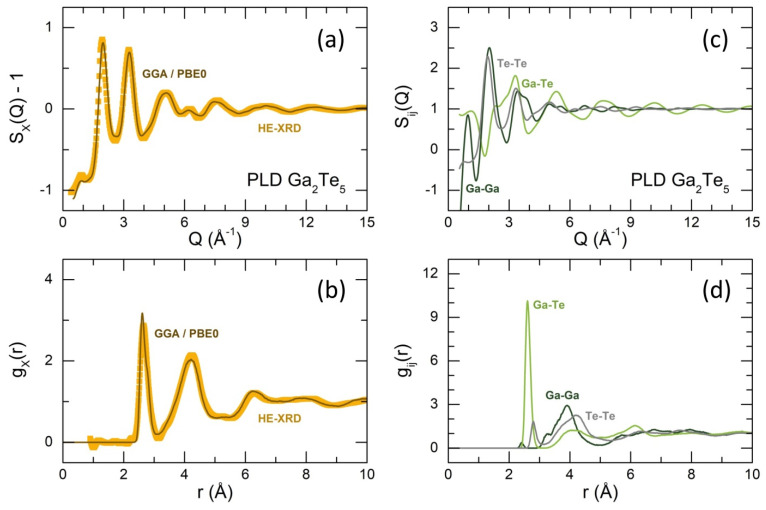
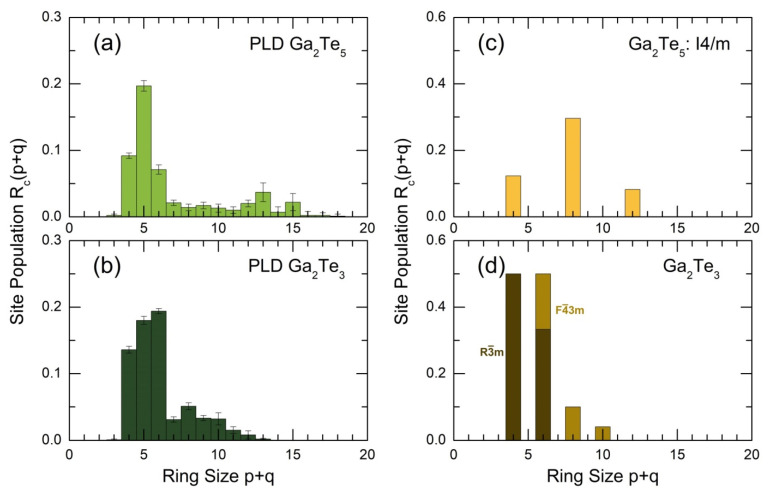
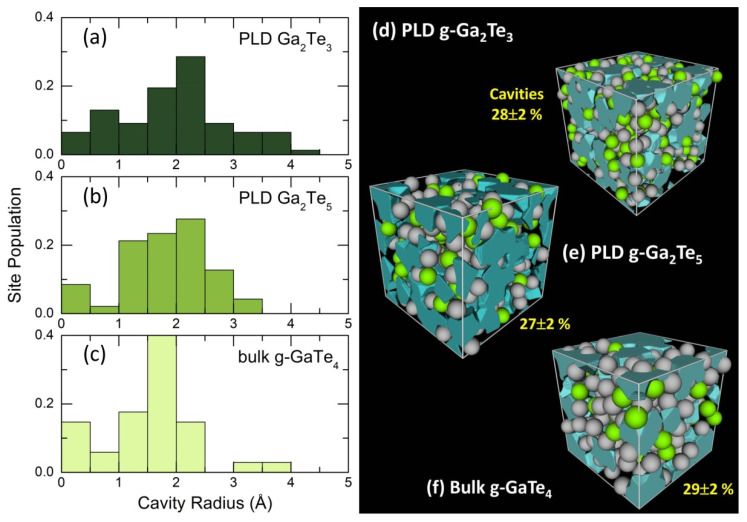
Neuromorphic computing, reconfigurable optical metamaterials that are operational over a wide spectral range, holographic and nonvolatile displays of extremely high resolution, integrated smart photonics, and many other applications need next-generation phase-change materials (PCMs) with better energy efficiency and wider temperature and spectral ranges to increase reliability compared to current flagship PCMs, such as GeSbTe or doped SbTe. Gallium tellurides are favorable compounds to achieve the necessary requirements because of their higher melting and crystallization temperatures, combined with low switching power and fast switching rate. GaTe and non-stoichiometric alloys appear to be atypical PCMs; they are characterized by regular tetrahedral structures and the absence of metavalent bonding. The sp gallium hybridization in cubic and amorphous GaTe is also different from conventional p-bonding in flagship PCMs, raising questions about its phase-change mechanism. Furthermore, gallium tellurides exhibit a number of unexpected and highly unusual phenomena, such as nanotectonic compression and viscosity anomalies just above their melting points. Using high-energy X-ray diffraction, supported by first-principles simulations, we will elucidate the atomic structure of amorphous GaTe PLD films, compare it with the crystal structure of tetragonal gallium pentatelluride, and investigate the electrical, optical, and thermal properties of these two materials to assess their potential for memory applications, among others.
神经形态计算、可在宽光谱范围内工作的可重构光学超材料、超高分辨率的全息和非易失性显示器、集成智能光子学以及许多其他应用,都需要下一代相变材料(PCM),与当前的旗舰相变材料(如GeSbTe或掺杂的SbTe)相比,它们要具有更高的能源效率、更宽的温度和光谱范围,以提高可靠性。碲化镓是满足这些必要要求的理想化合物,因为它们具有较高的熔化和结晶温度,同时具有低开关功率和快速开关速率。GaTe和非化学计量合金似乎是非典型的相变材料;它们的特征是具有规则的四面体结构且不存在变价键。立方和非晶态GaTe中的sp镓杂化也不同于旗舰相变材料中的传统p键,这引发了对其相变机制的质疑。此外,碲化镓还表现出许多意想不到的异常现象,例如在熔点以上的纳米构造压缩和粘度异常。我们将利用第一性原理模拟支持的高能X射线衍射,阐明非晶态GaTe脉冲激光沉积(PLD)薄膜的原子结构,将其与四方五碲化镓的晶体结构进行比较,并研究这两种材料的电学、光学和热学性质,以评估它们在存储应用等方面的潜力。