Mehralipour Jamal, Bagheri Susan, Gholami Mitra
Research Center for Environmental Health Technology, Iran University of Medical Sciences, Tehran, Iran.
Department of Environmental Health Engineering, School of Public Health, Iran University of Medical Sciences, Tehran, Iran.
Heliyon. 2023 Jul 11;9(7):e18172. doi: 10.1016/j.heliyon.2023.e18172. eCollection 2023 Jul.
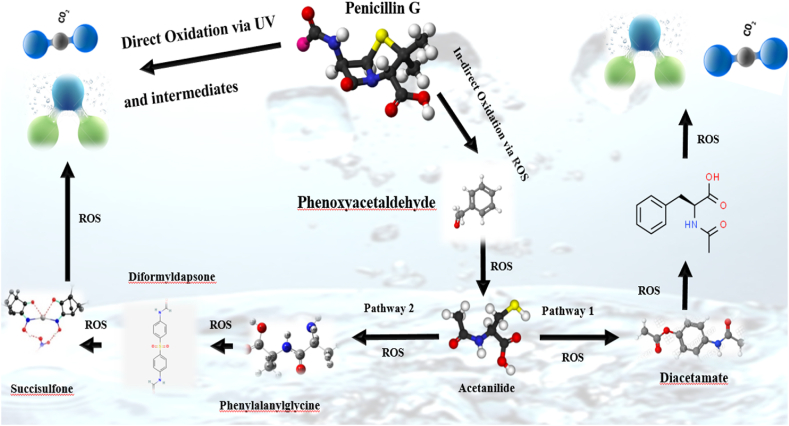
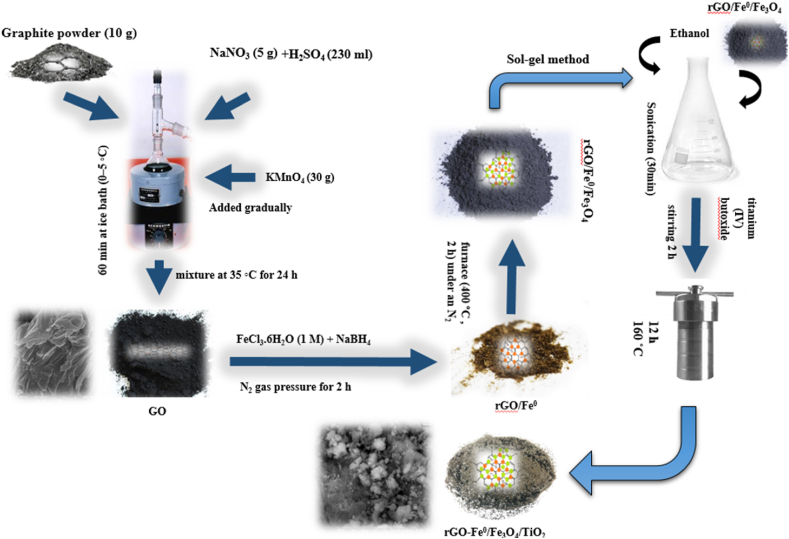
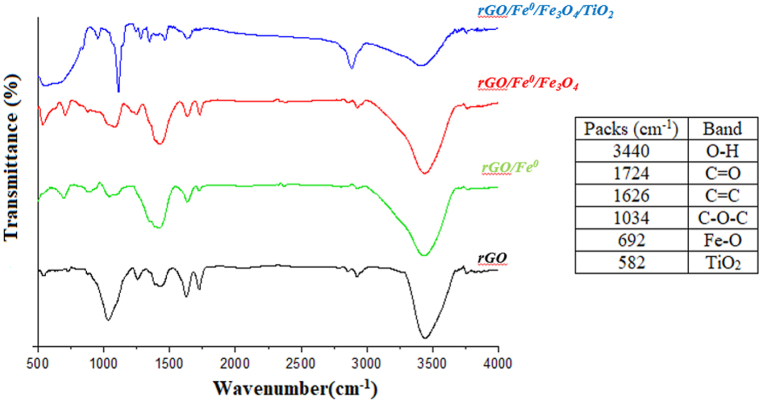
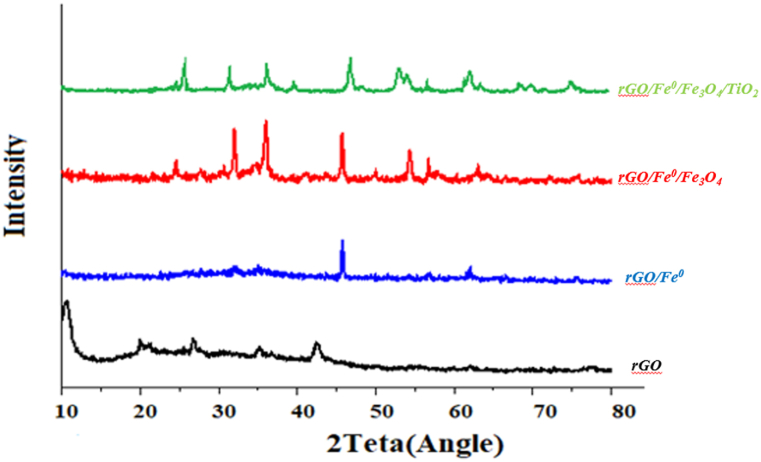
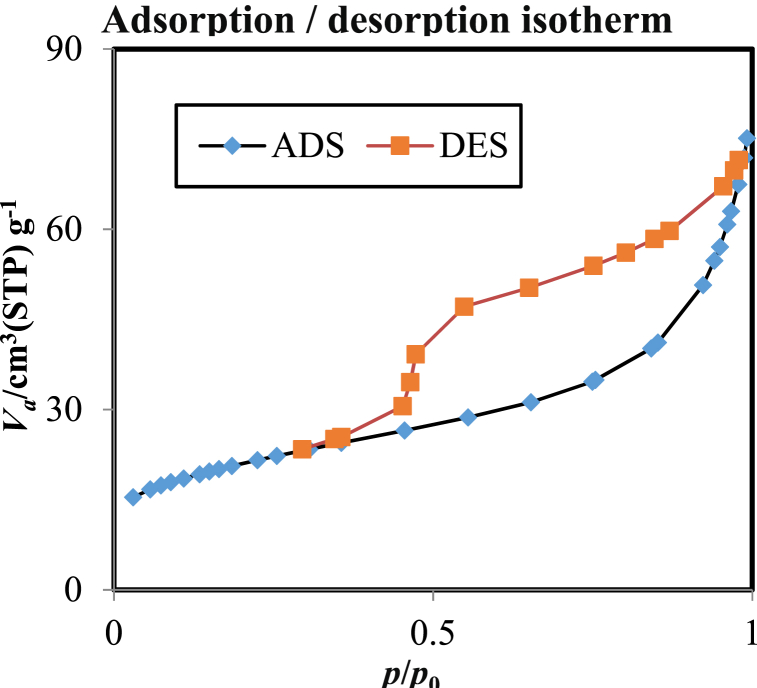
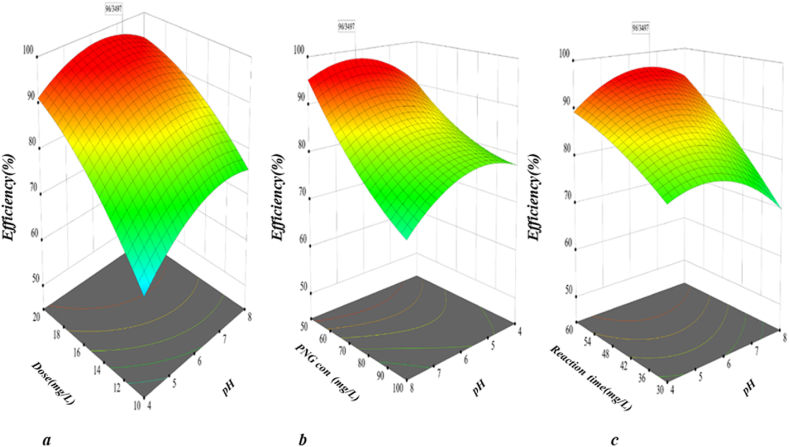
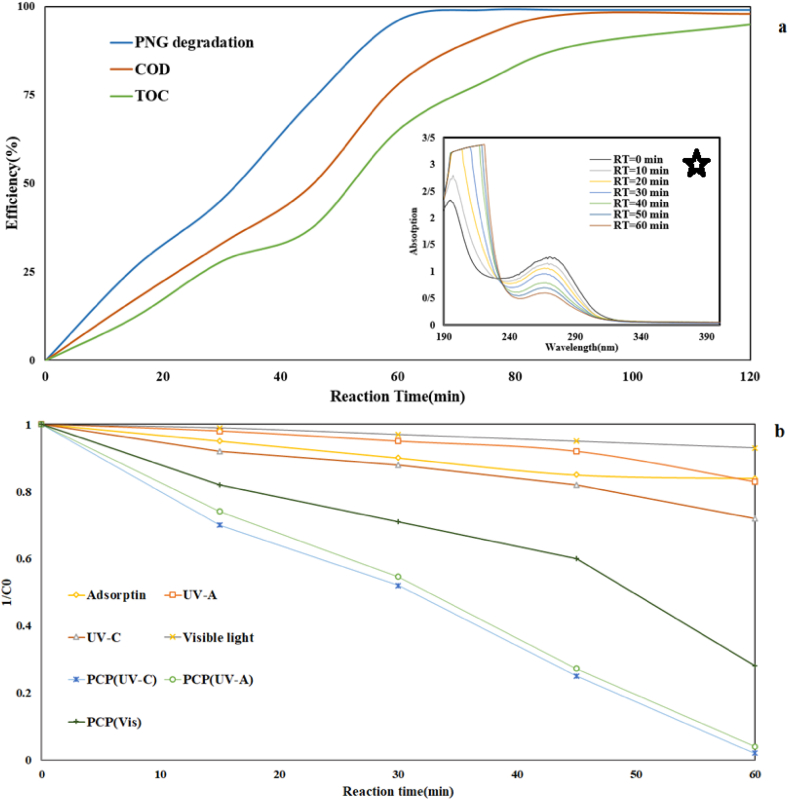
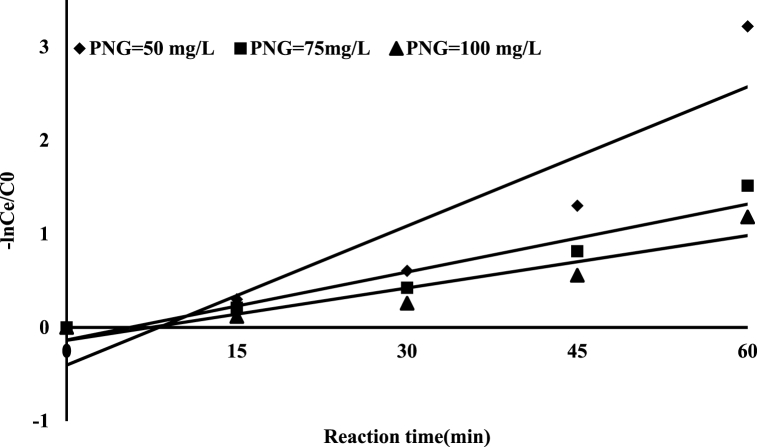
In this study, we synthesized rGO/Fe/FeO/TiO nanocomposite according to Hummer's, and straightforward sol-gel method. The FESEM, EDX, TEM, FT-IR, XRD, BET, UV spectra, and VSM analysis were applied to determine the catalyst properties. Optimization of influence parameters on photocatalytic process performance to penicillin G degradation in aqueous media. pH (4-8), nanocomposite dose (10-20 mg/L), reaction time (30-60 min), and penicillin G concentration (50-100 mg/L) were optimized via central composite design. In the optimum condition of PCP, supplementary studies were done. As a result of the analysis, the nanocomposite was well synthesized and displayed superior photocatalytic properties for degrading organic pollutants. In addition to being magnetically separable, the synthesized rGO/Fe/FeO/TiO nanocomposite exhibits high recyclability up to 5 times. The quadratic model of optimization is based on the adjusted R(0.99), and predicated R(0.97) suggested. According to the analysis of variance test, the model was significant (F-Value = 162.95, -Value = 0.0001). Photocatalytic process is most efficiently decomposed at pH = 6.5, catalyst dose = 18.5 mg/L, reaction time = 59.1 min, and penicillin G concentration = 52 mg/L (efficiency = 96%). The chemical oxygen demand and total organic carbon decrease were 78, and 65%. The photolysis and adsorption mechanism as a single mechanism had lower performance in penicillin G degradation. Benzocaine had the greatest effect on reducing the efficiency of the process as a radical scavenger. The °OH, h and O were the main reactive oxidant species in penicillin G removal. Phenoxyacetaldehyde, Acetanilide, Diacetamate, Phenylalanylglycine, N-Acetyl-l-phenylalanine, Diformyldapsone, and Succisulfone were the main intermediates in penicillin G degradation. The results indicated the photocatalytic process with rGO/Fe/FeO/TiO nanocomposite on a laboratory scale has good efficiency in removing penicillin G antibiotic. The application of real media requires further studies.
在本研究中,我们根据哈默斯法和直接溶胶 - 凝胶法合成了rGO/Fe/FeO/TiO纳米复合材料。应用场发射扫描电子显微镜(FESEM)、能量散射X射线光谱(EDX)、透射电子显微镜(TEM)、傅里叶变换红外光谱(FT - IR)、X射线衍射(XRD)、比表面积分析仪(BET)、紫外光谱和振动样品磁强计(VSM)分析来确定催化剂性能。对水介质中青霉素G降解的光催化过程性能的影响参数进行优化。通过中心复合设计对pH值(4 - 8)、纳米复合材料剂量(10 - 20mg/L)、反应时间(30 - 60分钟)和青霉素G浓度(50 - 100mg/L)进行了优化。在最佳条件下对五氯苯酚(PCP)进行了补充研究。分析结果表明,该纳米复合材料合成良好,对降解有机污染物具有优异的光催化性能。除了具有磁分离性外,合成的rGO/Fe/FeO/TiO纳米复合材料还具有高达5次的高可回收性。优化的二次模型基于调整后的R(0.99)和预测的R(0.97)。根据方差分析测试,该模型具有显著性(F值 = 162.95,P值 = 0.0001)。光催化过程在pH = 6.5、催化剂剂量 = 18.5mg/L、反应时间 = 59.1分钟和青霉素G浓度 = 52mg/L时分解效率最高(效率 = 96%)。化学需氧量和总有机碳的降低率分别为78%和65%。光解和吸附机制作为单一机制在青霉素G降解中表现较低。苯佐卡因作为自由基清除剂对降低该过程的效率影响最大。羟基自由基(·OH)、空穴(h⁺)和超氧阴离子(O₂⁻)是去除青霉素G中的主要活性氧化物种。苯氧乙醛、乙酰苯胺、双乙酰氨酯、苯丙氨酰甘氨酸、N - 乙酰 - L - 苯丙氨酸、二甲基氨苯砜和琥珀磺胺噻唑是青霉素G降解的主要中间体。结果表明,实验室规模下用rGO/Fe/FeO/TiO纳米复合材料进行的光催化过程在去除青霉素G抗生素方面具有良好的效率。在实际介质中的应用需要进一步研究。