Schilling Sandra, August Alexander, Meleux Mathieu, Conradt Carolin, Tremmel Luisa M, Teigler Sandra, Adam Virginie, Müller Ulrike C, Koo Edward H, Kins Stefan, Eggert Simone
Department of Human Biology and Human Genetics, University of Kaiserslautern, 67663, Kaiserslautern, Germany.
Medical, Biochemistry & Molecular Biology, Center for Molecular Signaling (PZMS), Saarland University, 66421, Homburg, Germany.
Cell Biosci. 2023 Aug 2;13(1):141. doi: 10.1186/s13578-023-01092-6.
The amyloid precursor protein (APP), a key player in Alzheimer's disease (AD), is part of a larger gene family, including the APP like proteins APLP1 and APLP2. They share similar structures, form homo- and heterotypic dimers and exhibit overlapping functions.
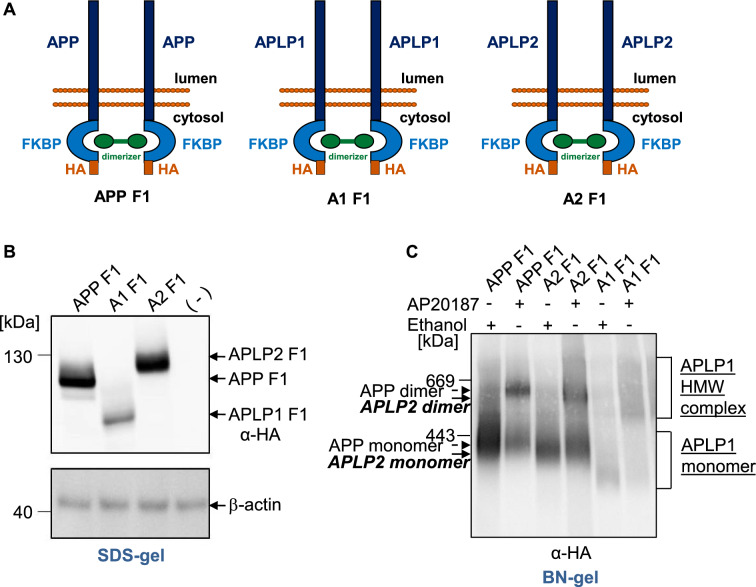
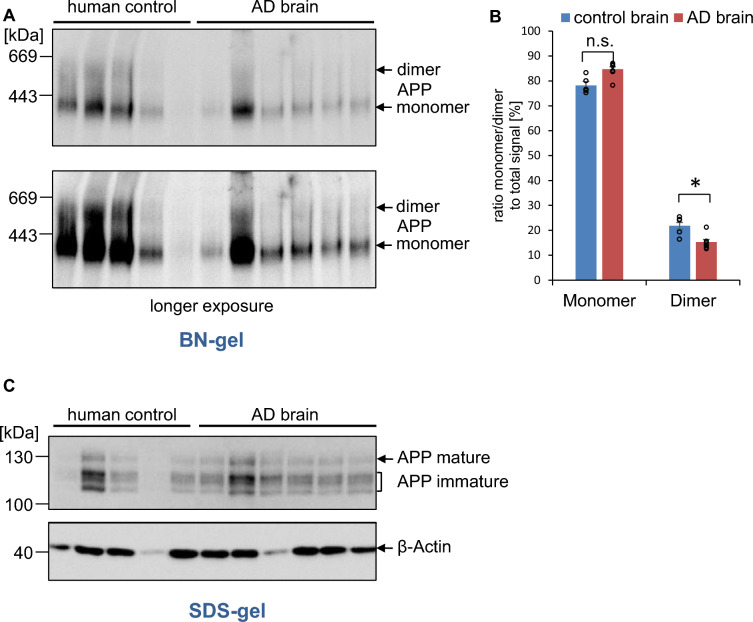
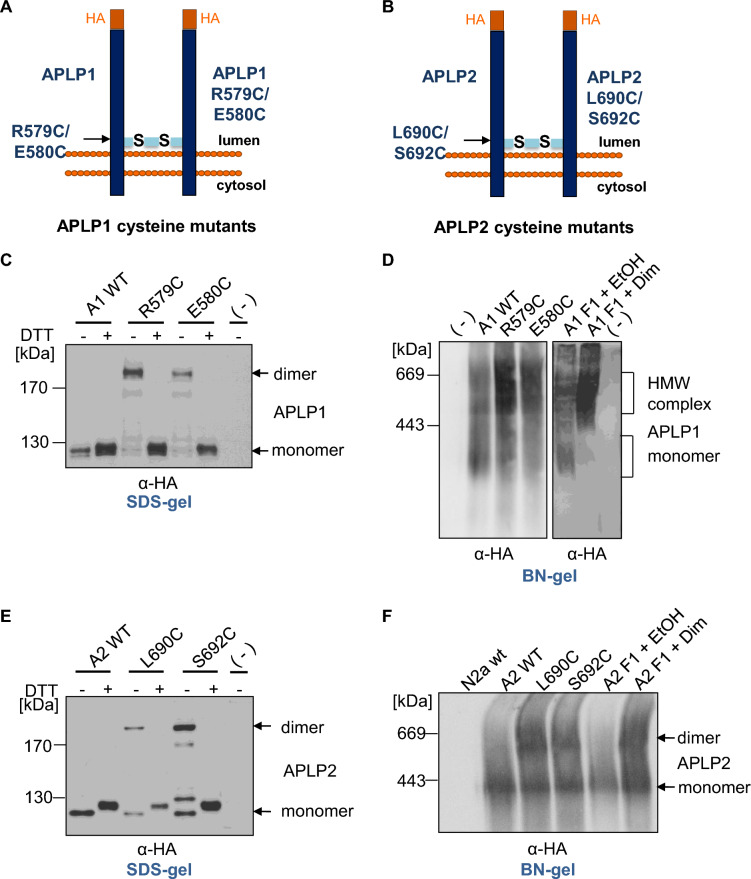
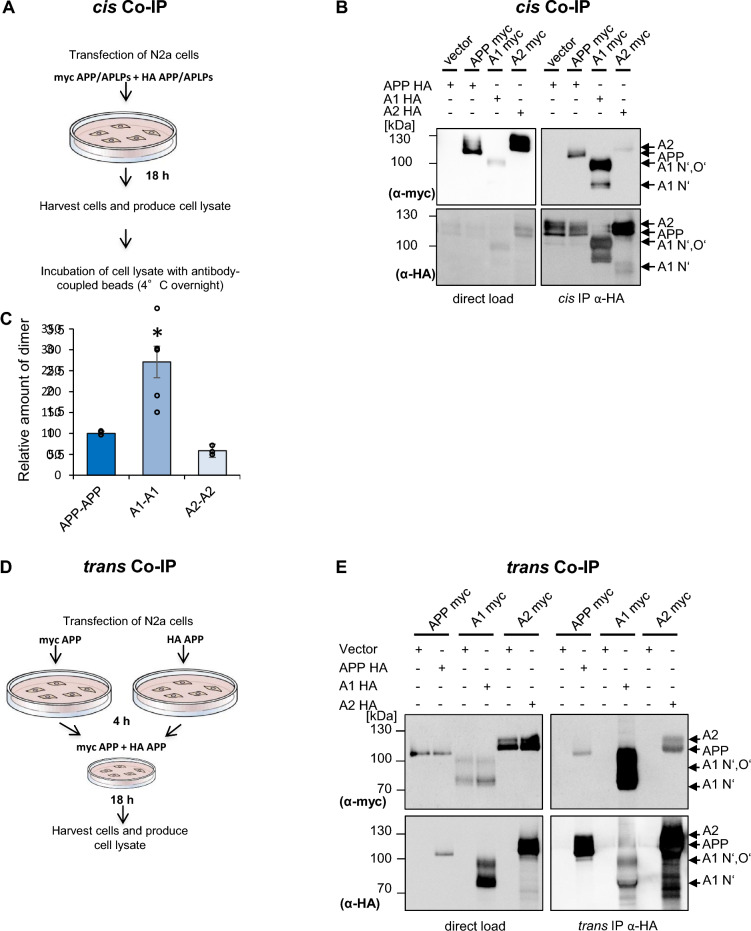
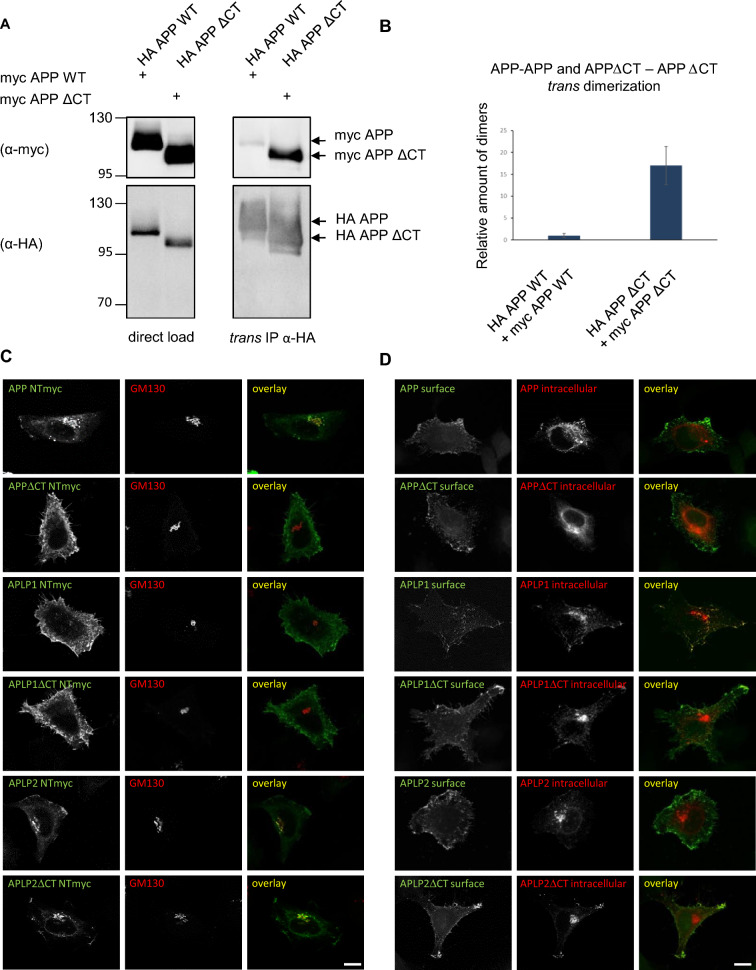
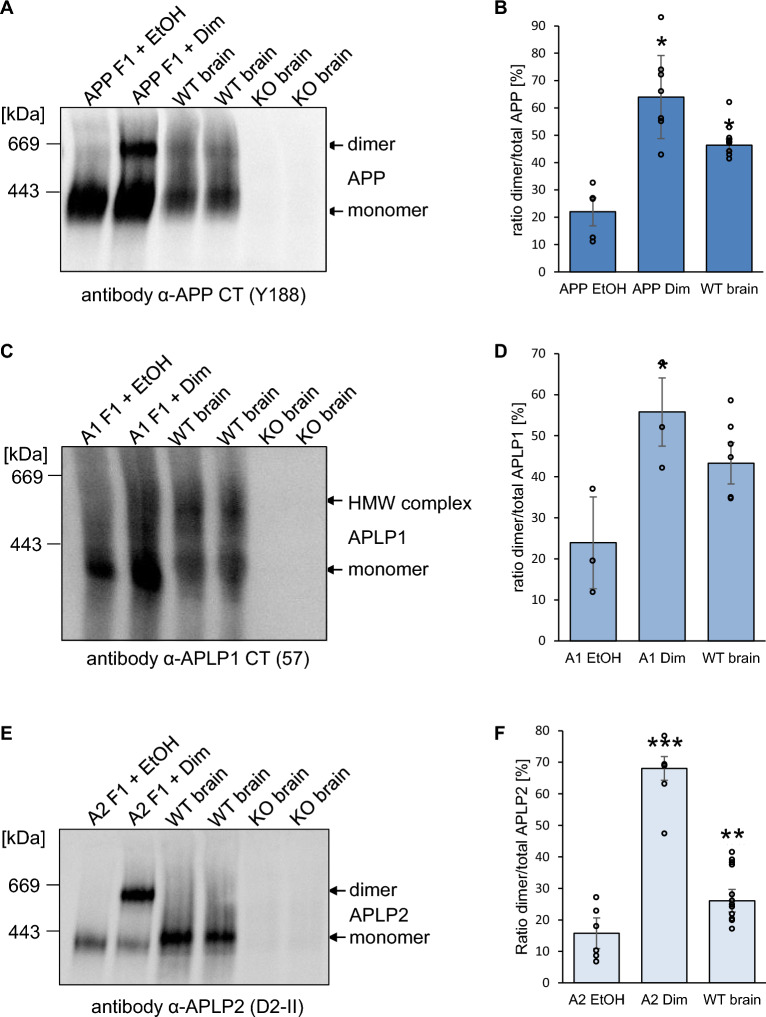
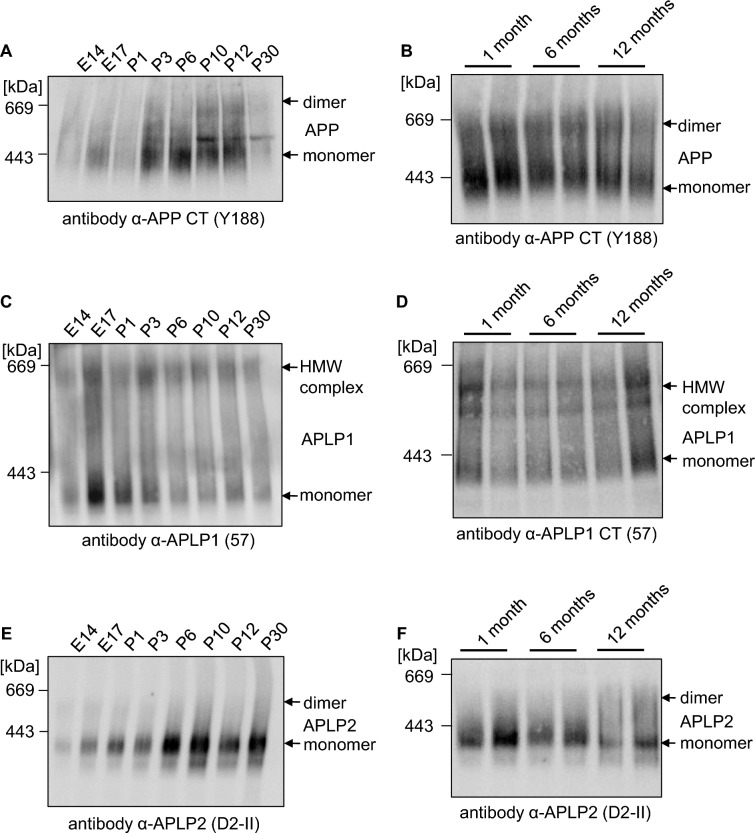
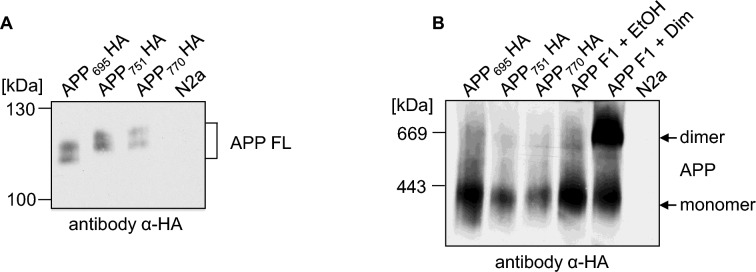
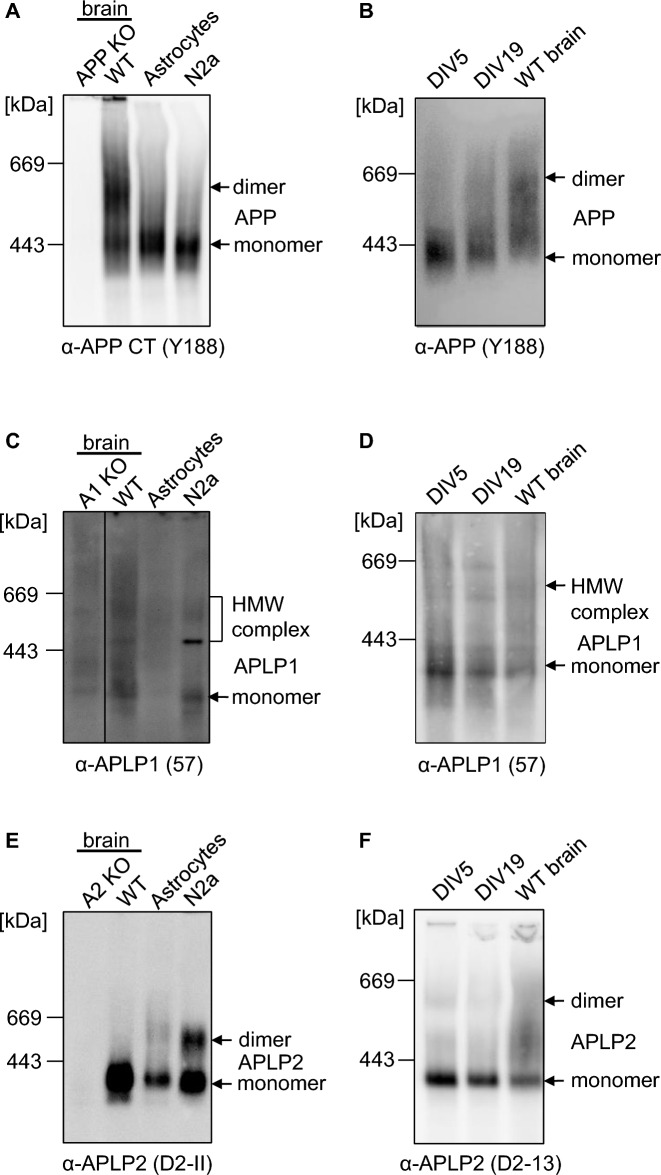
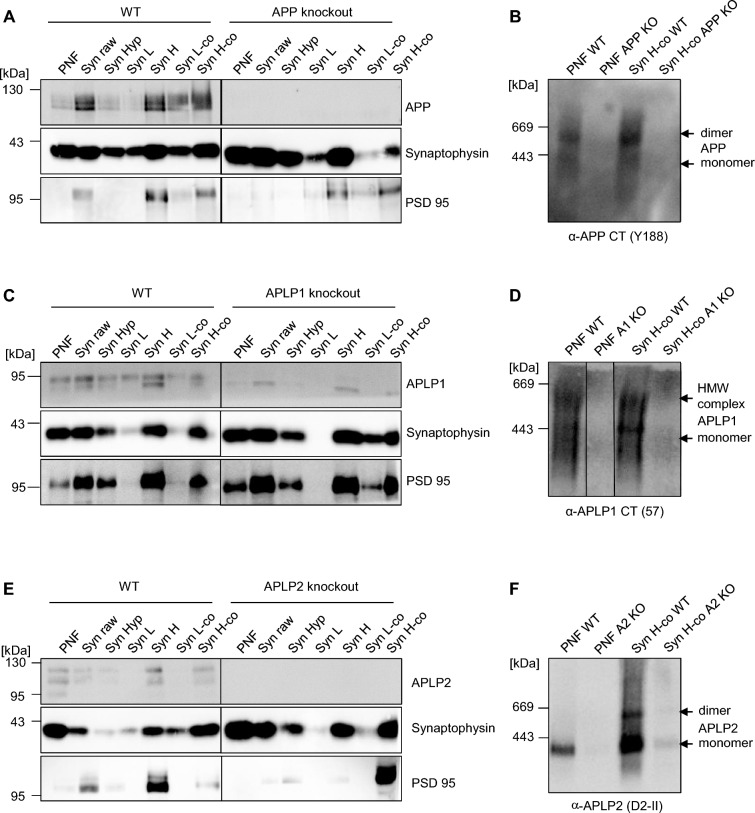
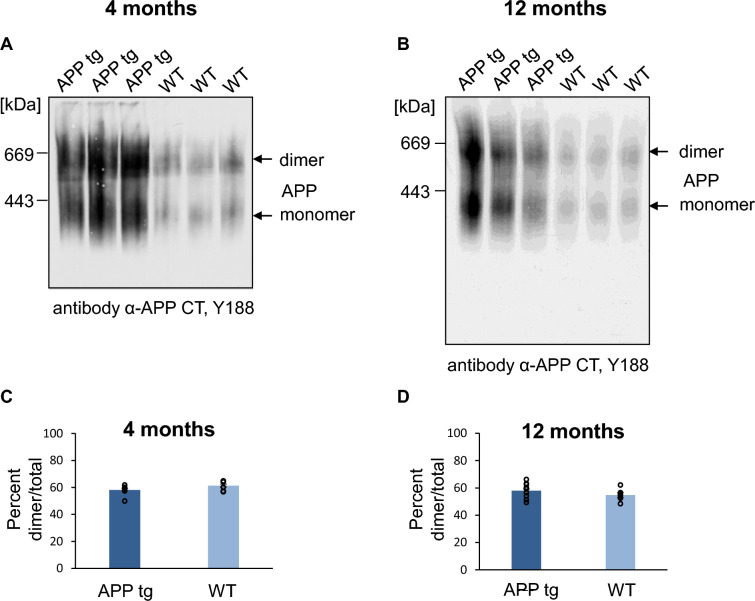
We investigated complex formation of the APP family members via two inducible dimerization systems, the FKBP-rapamycin based dimerization as well as cysteine induced dimerization, combined with co-immunoprecipitations and Blue Native (BN) gel analyses. Within the APP family, APLP1 shows the highest degree of dimerization and high molecular weight (HMW) complex formation. Interestingly, only about 20% of APP is dimerized in cultured cells whereas up to 50% of APP is dimerized in mouse brains, independent of age and splice forms. Furthermore, we could show that dimerized APP originates mostly from neurons and is enriched in synaptosomes. Finally, BN gel analysis of human cortex samples shows a significant decrease of APP dimers in AD patients compared to controls.
Together, we suggest that loss of full-length APP dimers might correlate with loss of synapses in the process of AD.
淀粉样前体蛋白(APP)是阿尔茨海默病(AD)中的关键因子,它是一个更大基因家族的一部分,该家族包括类APP蛋白APLP1和APLP2。它们具有相似的结构,形成同型和异型二聚体,并表现出重叠的功能。
我们通过两种诱导二聚化系统研究了APP家族成员的复合物形成,即基于FKBP-雷帕霉素的二聚化以及半胱氨酸诱导的二聚化,并结合了免疫共沉淀和蓝色非变性(BN)凝胶分析。在APP家族中,APLP1表现出最高程度的二聚化和高分子量(HMW)复合物形成。有趣的是,在培养细胞中只有约20%的APP发生二聚化,而在小鼠大脑中高达50%的APP发生二聚化,这与年龄和剪接形式无关。此外,我们能够证明二聚化的APP主要来源于神经元,并在突触体中富集。最后,对人类皮质样本的BN凝胶分析表明,与对照组相比,AD患者中APP二聚体显著减少。
总之,我们认为全长APP二聚体的缺失可能与AD过程中突触的丧失相关。