Zhang Zhige, Tan Shanjun, Li Shuhao, Cheng Yuxi, Wang Junjie, Liu Hao, Yan Mingyue, Wu Guohao
Department of General Surgery/Shanghai Clinical Nutrition Research Center, Zhongshan Hospital, Fudan University, 180 Fenglin Road, Xuhui District, Shanghai 200032, China.
J Clin Biochem Nutr. 2023 Jul;73(1):34-42. doi: 10.3164/jcbn.23-1. Epub 2023 Jun 13.
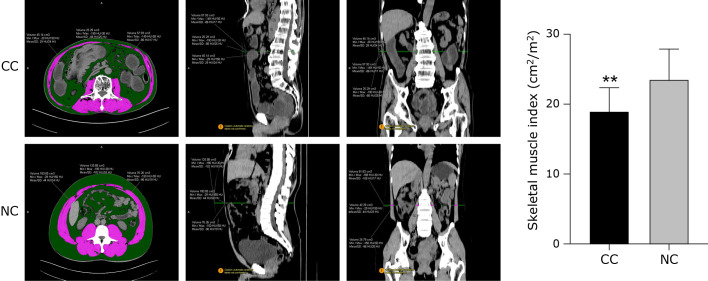
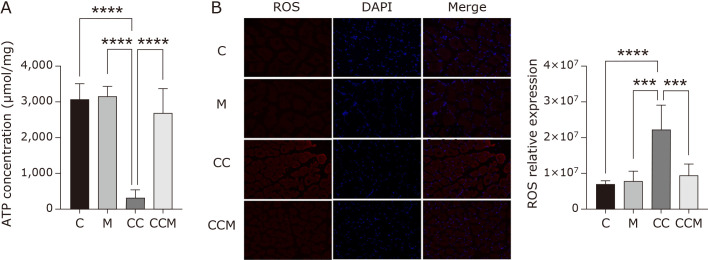
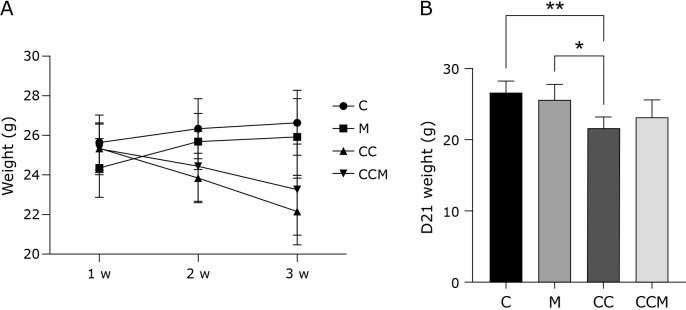
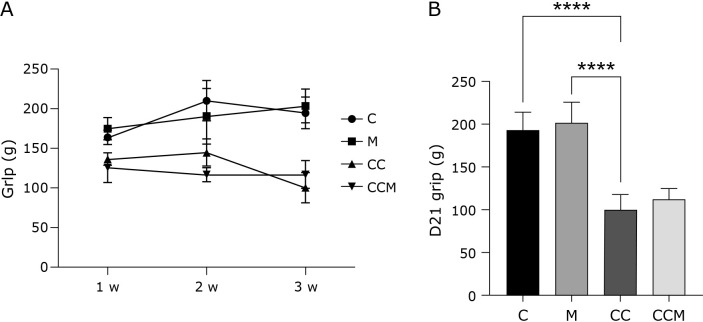
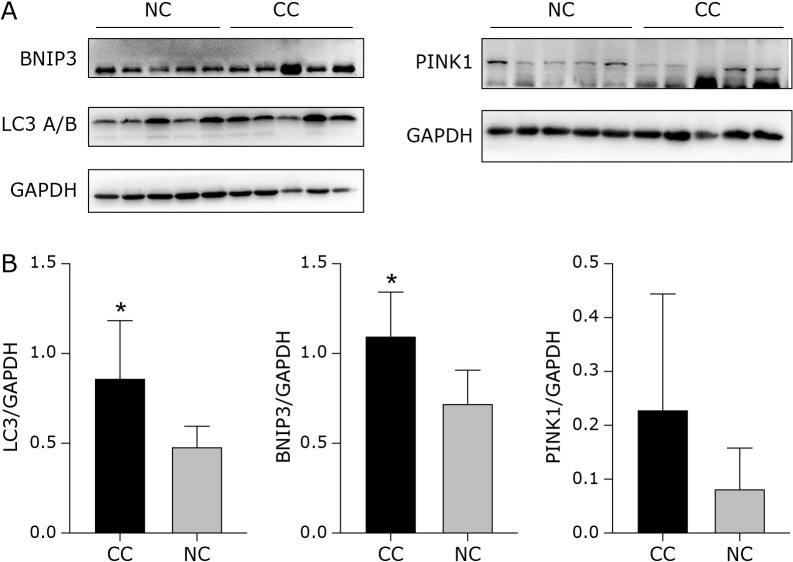
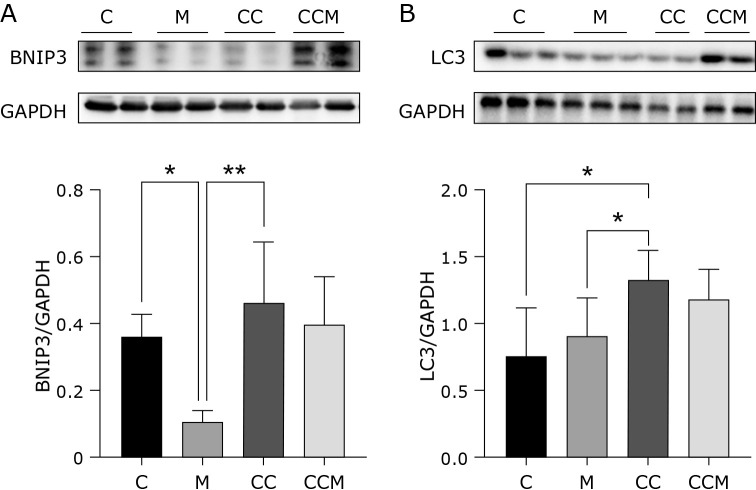
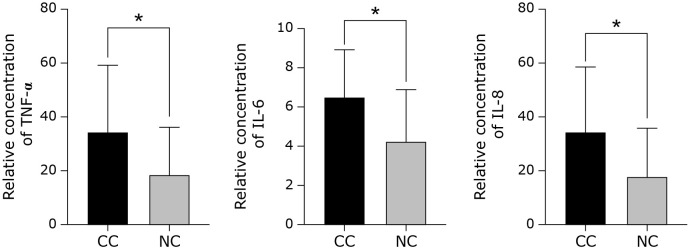
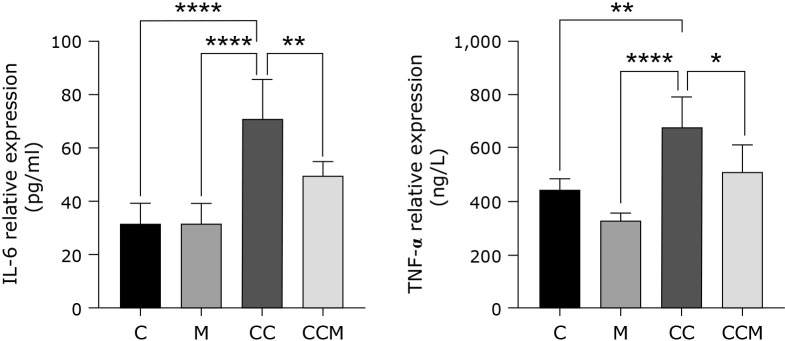
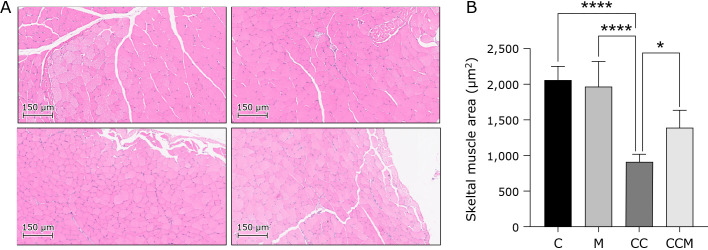
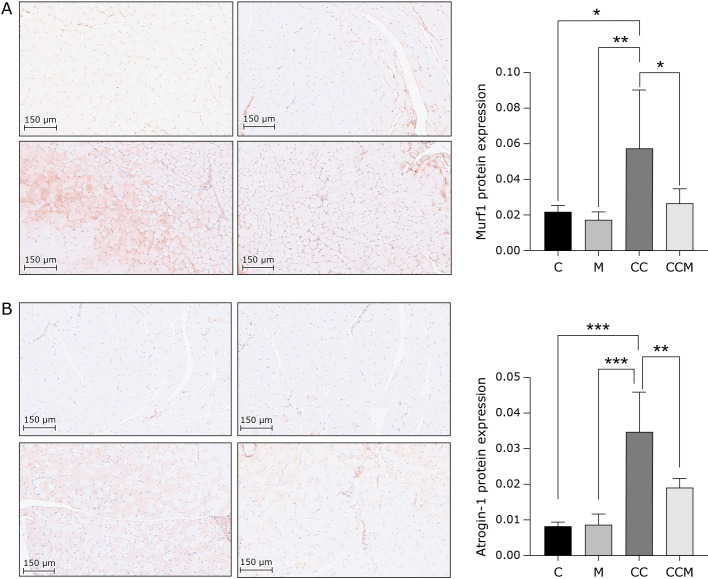
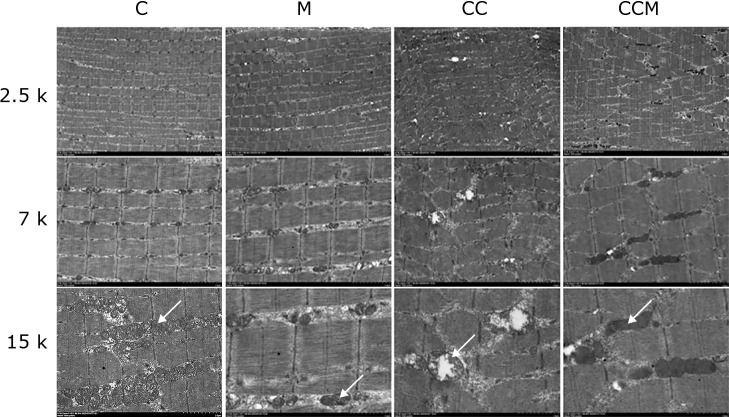
Cancer cachexia is commonly seen in patients with malignant tumors, which usually leads to poor life quality and negatively affects long-term prognosis and survival. Mitochondria dysfunction and enhanced autophagy are well-established to play an important role in skeletal muscle wasting. However, whether mitophagy is engaged in the pathogenesis of cancer cachexia requires further investigation. This study comprised a clinical study and animal experimentation. Clinical data such as CT images and laboratory results were obtained and analyzed. Then mice model of cancer cachexia and mitophagy inhibition were established. Data including skeletal muscle mass and function, mitochondria structure and function, inflammatory factors as well as ROS concentration. Mitophagy was enhanced in cancer cachexia patients with increased inflammatory factors. Greater disruption of skeletal muscle fiber and mitochondria structure were seen in cancer cachexia, with a higher level of inflammatory factors and ROS expression in skeletal muscle. Meanwhile, ATP production was undermined, indicating a close relationship with mitophagy, inflammation, and oxidative stress in the skeletal muscle of cancer cachexia mice models. In conclusion, mitophagy is activated in cancer cachexia and may play a role in skeletal muscle atrophy, and inflammation and oxidative stress might participate in mitophagy-related skeletal muscle injury.
癌症恶病质常见于恶性肿瘤患者,通常会导致生活质量下降,并对长期预后和生存产生负面影响。线粒体功能障碍和自噬增强在骨骼肌萎缩中起重要作用,这一点已得到充分证实。然而,线粒体自噬是否参与癌症恶病质的发病机制尚需进一步研究。本研究包括一项临床研究和动物实验。获取并分析了CT图像和实验室结果等临床数据。然后建立了癌症恶病质和线粒体自噬抑制的小鼠模型。收集了包括骨骼肌质量和功能、线粒体结构和功能、炎症因子以及活性氧浓度等数据。癌症恶病质患者的线粒体自噬增强,炎症因子增加。癌症恶病质患者的骨骼肌纤维和线粒体结构破坏更严重,骨骼肌中炎症因子水平和活性氧表达更高。同时,三磷酸腺苷(ATP)生成受到损害,表明在癌症恶病质小鼠模型的骨骼肌中,线粒体自噬、炎症和氧化应激之间存在密切关系。总之,癌症恶病质中线粒体自噬被激活,可能在骨骼肌萎缩中起作用;炎症和氧化应激可能参与线粒体自噬相关的骨骼肌损伤。