Integrative Biochemistry & Immunology Laboratory, Department of Animal Science, Kazi Nazrul University, Asansol, West Bengal, India.
Biomedical Research Centre, Translational Geroproteomics Unit, National Institute on Aging, National Institute of Health (NIH), Baltimore, MD, United States of America.
PLoS One. 2023 Aug 3;18(8):e0289064. doi: 10.1371/journal.pone.0289064. eCollection 2023.
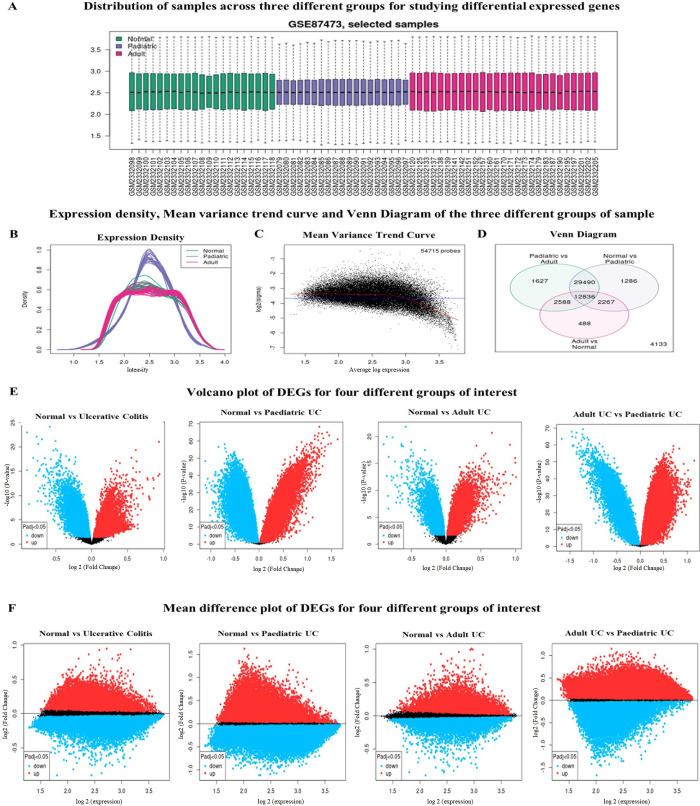
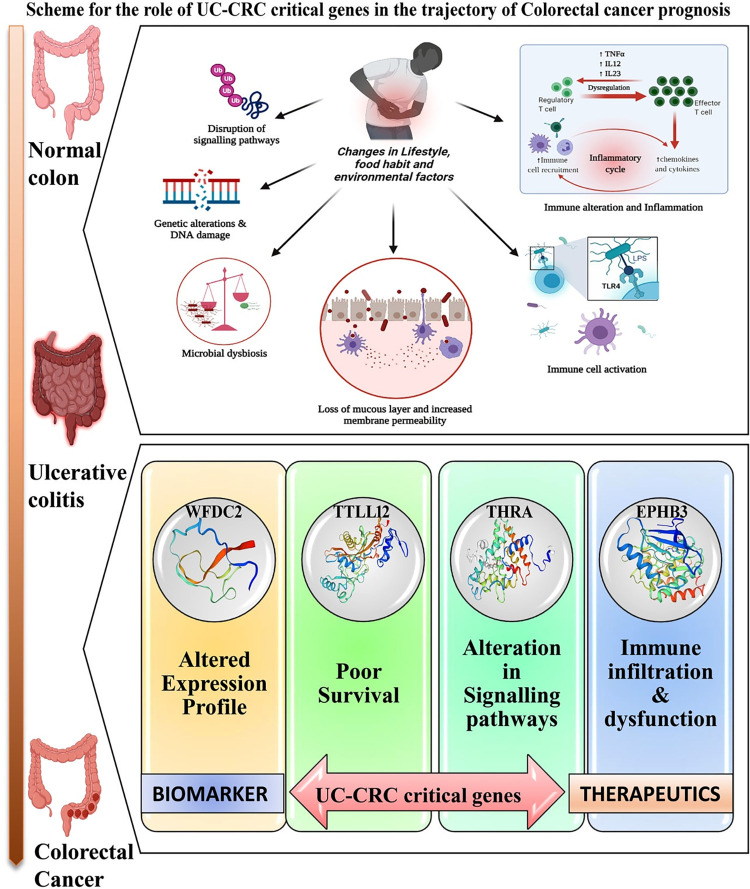
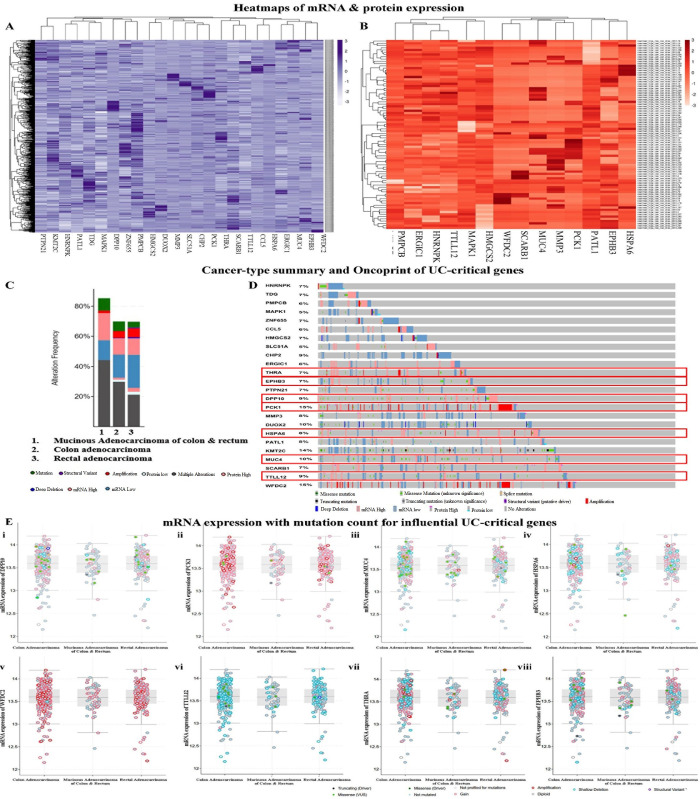
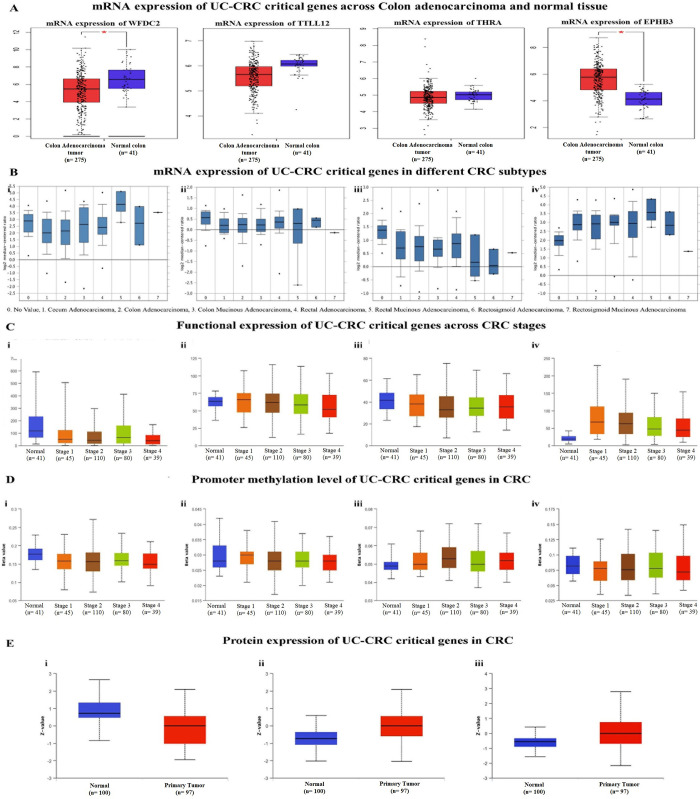
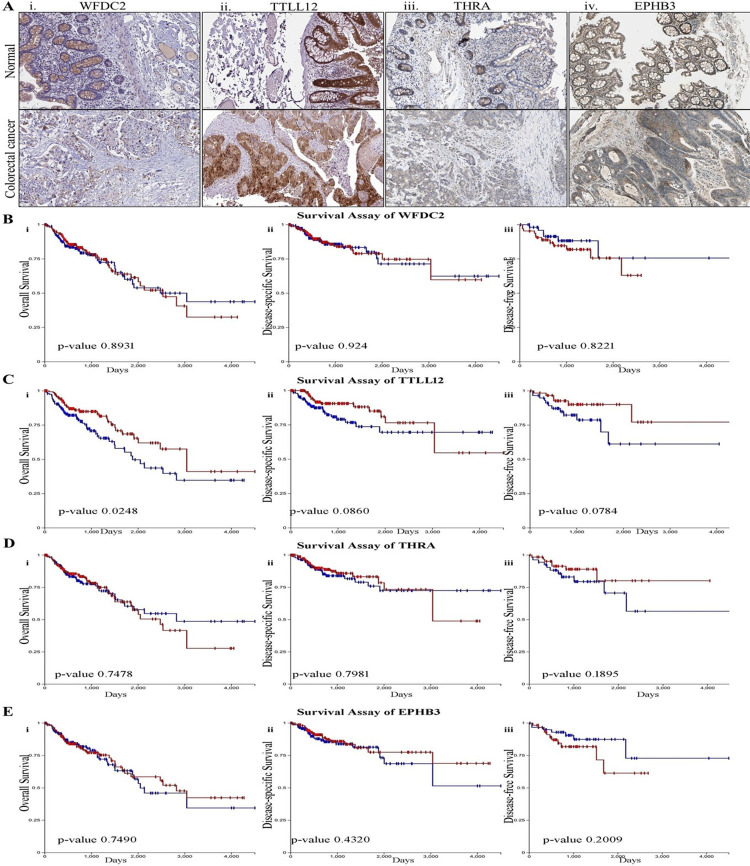
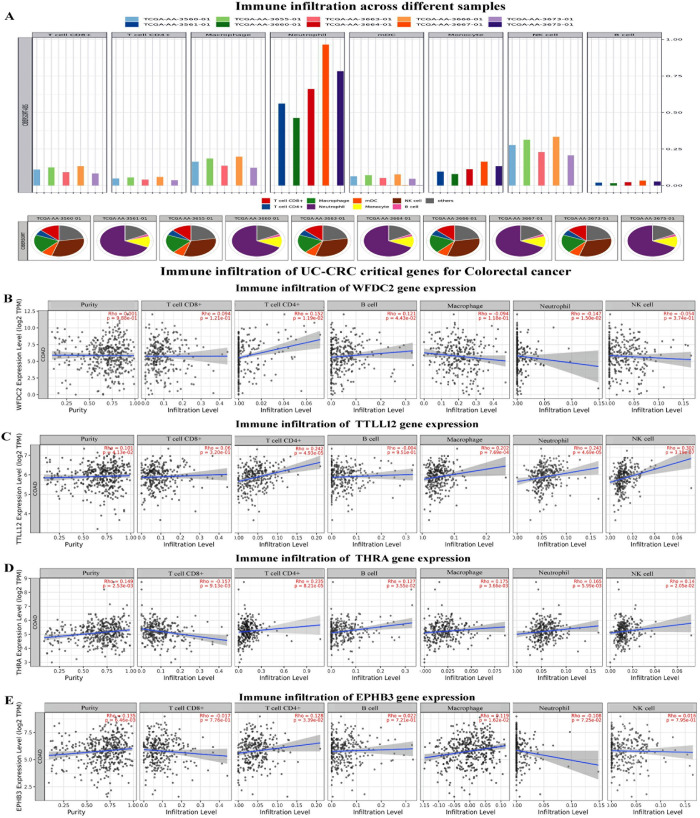
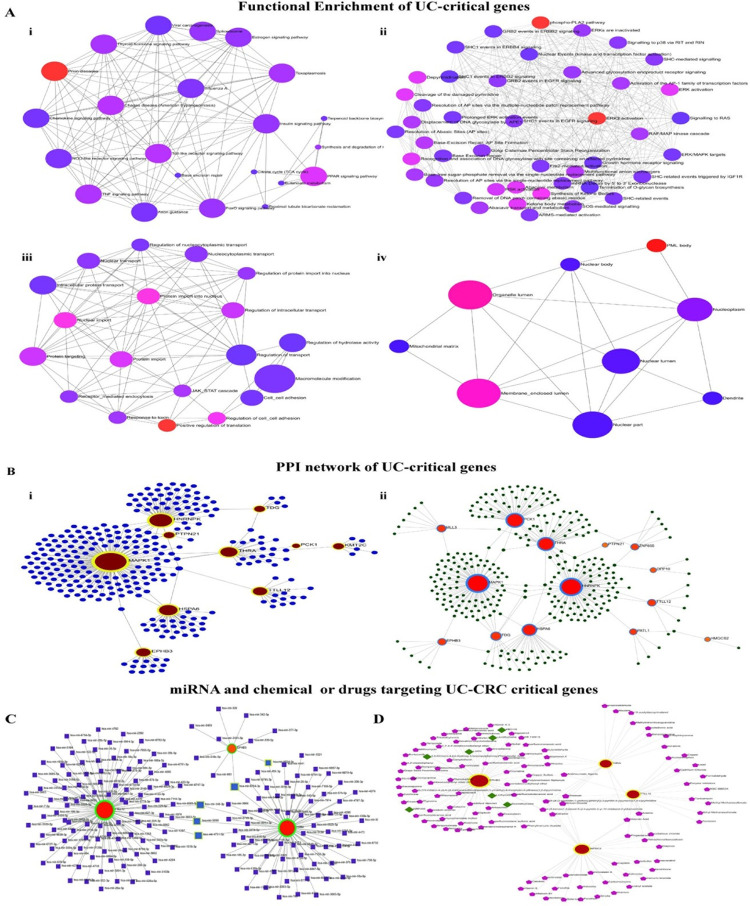
Ulcerative colitis (UC) is a chronic relapsing inflammatory bowel disease leading to continuous mucosal inflammation in the rectum extending proximally towards the colon. Chronic and/or recurrent UC is one of the critical predisposing mediators of the oncogenesis of human colorectal carcinoma (CRC). Perturbations of the differential expression of the UC-critical genes exert an intense impact on the neoplastic transformation of the affected tissue(s). Herein, a comprehensive exploration of the UC-critical genes from the transcriptomic profiles of UC patients was conducted to study the differential expression, functional enrichment, genomic alterations, signal transduction pathways, and immune infiltration level encountered by these genes concerning the oncogenesis of CRC. The study reveals that WFDC2, TTLL12, THRA, and EPHB3 play crucial roles as UC-CRC critical genes and are positively correlated with the molecular transformation of UC to CRC. Taken together, these genes can be used as potential biomarkers and therapeutic targets for combating UC-induced human CRC.
溃疡性结肠炎(UC)是一种慢性复发性炎症性肠病,导致直肠近端向结肠持续黏膜炎症。慢性和/或复发性 UC 是人类结直肠癌(CRC)发生的关键诱发介质之一。UC 关键基因的差异表达失调对受影响组织的肿瘤转化产生强烈影响。在此,通过对 UC 患者的转录组谱进行全面探索,研究了这些基因在 CRC 发生过程中的差异表达、功能富集、基因组改变、信号转导途径和免疫浸润水平。研究表明,WFDC2、TTLL12、THRA 和 EPHB3 作为 UC-CRC 关键基因发挥着重要作用,并且与 UC 向 CRC 的分子转化呈正相关。总之,这些基因可以作为潜在的生物标志物和治疗靶点,用于对抗 UC 诱导的人类 CRC。