Basso Jessica, Chen Kuan-Ju, Zhou Yuchen, Mark Lilly, LaSala Daniel, Dorfman Arielle, Atalla Mary, Chun Donald, Viramontes Veronica, Chang Christina, Leifer Franziska, McDonald Patrick P, Cipolla David C
Insmed Incorporated, Bridgewater, NJ, United States.
Front Pharmacol. 2023 Jul 19;14:1208780. doi: 10.3389/fphar.2023.1208780. eCollection 2023.
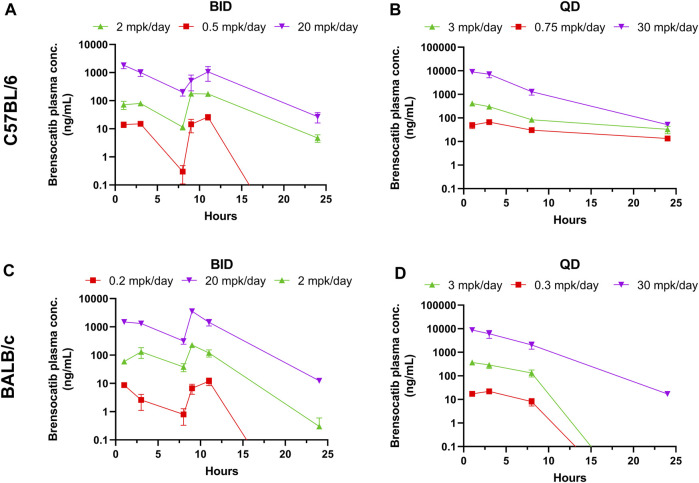
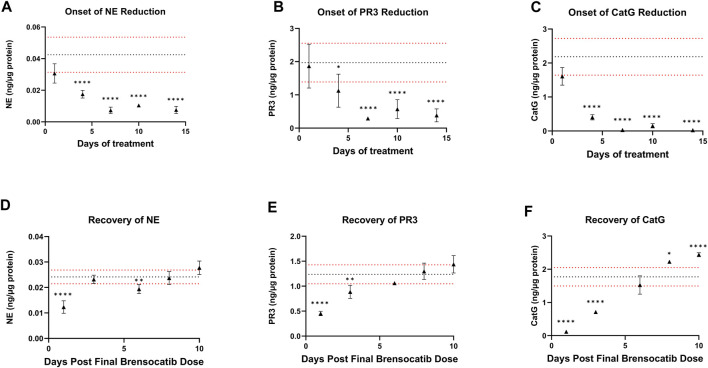
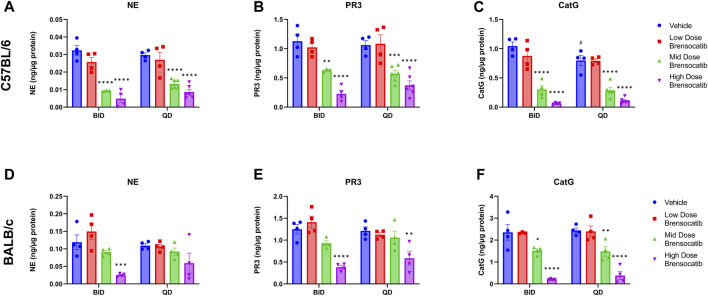
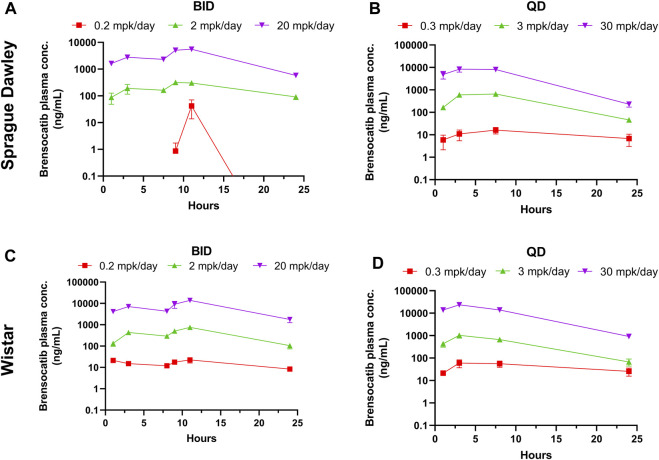
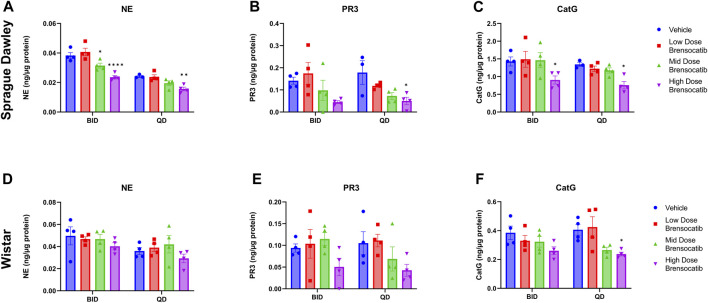
Brensocatib is a novel, oral, selective, reversible inhibitor of dipeptidyl peptidase 1 (DPP1), which activates several neutrophil serine proteases (NSPs), including neutrophil elastase (NE), proteinase 3 (PR3), and cathepsin G (CatG) in the bone marrow during the early stage of neutrophil maturation. These NSPs are associated with pathogen destruction and inflammatory mediation; their dysregulated activation can result in excess secretion of active NSPs causing damaging inflammation and contributing to neutrophil-mediated inflammatory and autoimmune diseases. Pharmacological inhibition of DPP1 in the bone marrow could therefore represent an attractive strategy for these neutrophil-driven diseases. A completed Phase 2 trial in non-cystic fibrosis bronchiectasis patients (ClinicalTrials.gov number NCT03218917; EudraCT number: 2017-002533-32) indeed demonstrated that administration of brensocatib attenuated the damaging effects of chronic inflammation by inhibiting the downstream activation of NSPs. To support a range of preclinical programs and further understand how rodent species and strains may affect brensocatib's pharmacokinetic (PK) profile and its pharmacodynamic (PD) effects on NE, PR3, and CatG, an extensive naïve dosing study with brensocatib at different dosing levels, frequencies, and durations was undertaken. Dose-dependent PK exposure responses (AUC and Cmax) were observed regardless of the rodent species and strain. Overall, mice showed greater reduction in NSP activities compared to rats. Both mice and rats dosed once daily (QD) had equivalent NSP activity reduction compared to BID (twice a day) dosing when the QD dose was 1.5-times the BID daily dose. For both mouse strains, CatG activity was reduced the most, followed by NE, then PR3; whereas, for both rat strains, PR3 activity was reduced the most, followed by CatG, and then NE. Maximum reduction in NSP activities was observed after ∼7 days and recoveries were nearly symmetrical. These results may facilitate future brensocatib study dosing considerations, such as the timing of prophylactic or therapeutic administration, choice of species, dosage and dosing frequency.
布瑞索替布是一种新型口服选择性可逆二肽基肽酶1(DPP1)抑制剂,DPP1在中性粒细胞成熟早期可激活多种中性粒细胞丝氨酸蛋白酶(NSP),包括中性粒细胞弹性蛋白酶(NE)、蛋白酶3(PR3)和组织蛋白酶G(CatG)。这些NSP与病原体破坏和炎症介导相关;其激活失调会导致活性NSP过度分泌,引发破坏性炎症,并促使中性粒细胞介导的炎症和自身免疫性疾病。因此,对骨髓中DPP1进行药理抑制可能是治疗这些由中性粒细胞驱动疾病的一种有吸引力的策略。一项针对非囊性纤维化支气管扩张症患者的2期试验(ClinicalTrials.gov编号:NCT03218917;欧盟临床试验编号:2017 - 002533 - 32)确实表明布瑞索替布给药通过抑制NSP的下游激活减轻了慢性炎症的破坏作用。为支持一系列临床前项目,并进一步了解啮齿动物的种类和品系如何影响布瑞索替布的药代动力学(PK)特征及其对NE、PR3和CatG的药效学(PD)作用,开展了一项关于布瑞索替布在不同给药水平、频率和持续时间的广泛初治给药研究。无论啮齿动物的种类和品系如何,均观察到剂量依赖性的PK暴露反应(AUC和Cmax)。总体而言,与大鼠相比,小鼠的NSP活性降低幅度更大。当每日一次(QD)给药剂量为每日两次(BID)给药剂量的1.5倍时,每日一次给药的小鼠和大鼠与每日两次给药的小鼠和大鼠相比,NSP活性降低程度相当。对于两种小鼠品系,CatG活性降低最多,其次是NE,然后是PR3;而对于两种大鼠品系,PR3活性降低最多,其次是CatG,然后是NE。在约7天后观察到NSP活性的最大降低,且恢复情况几乎对称。这些结果可能有助于未来布瑞索替布研究的给药考虑,如预防性或治疗性给药的时机、物种选择、剂量和给药频率。