Department of Otolaryngology Head and Neck Surgery, Shengjing Hospital of China Medical University, Shenyang, China.
Department Obstetrics and Gynecology, Shengjing Hospital of China Medical University, Shenyang, China.
Front Endocrinol (Lausanne). 2023 Jul 19;14:1174911. doi: 10.3389/fendo.2023.1174911. eCollection 2023.
Nasopharyngeal cancer (NPC) has a high incidence in Southern China and Asia, and its survival is extremely poor in advanced patients. MiRNAs play critical roles in regulating gene expression and serve as therapeutic targets in cancer. This study sought to disclose key miRNAs and target genes responsible for NPC prognosis and endocrine metabolism.
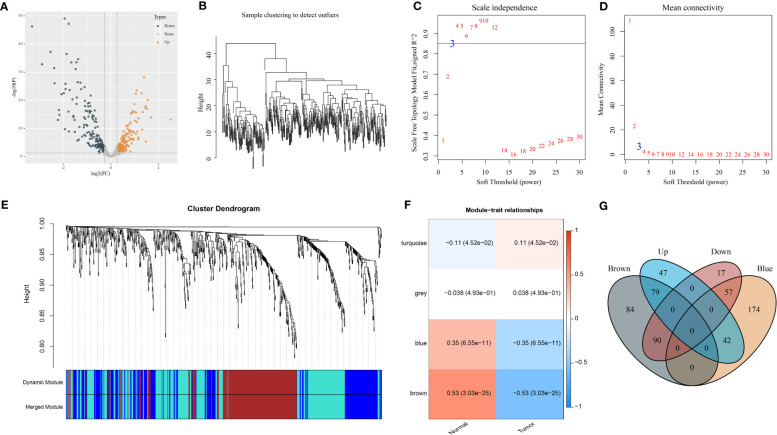
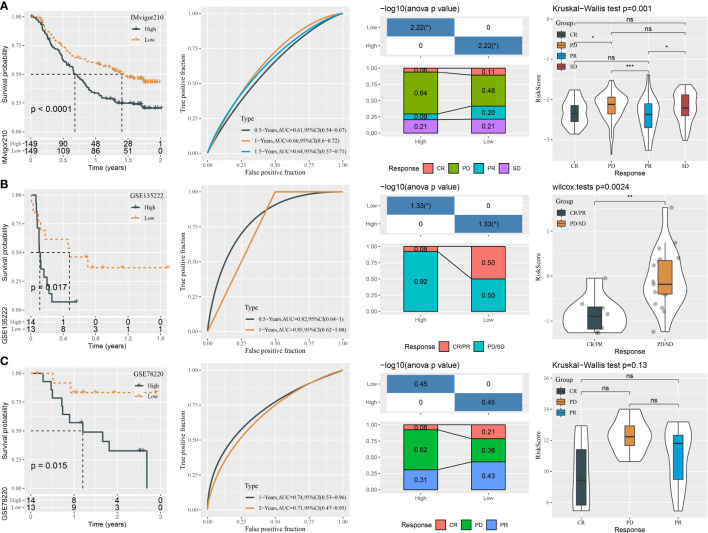
Three datasets (GSE32960, GSE70970, and GSE102349) of NPC samples came from Gene Expression Omnibus (GEO). Limma and WGCNA were applied to identify key prognostic miRNAs. There were 12 types of miRNA tools implemented to study potential target genes (mRNAs) of miRNAs. Univariate Cox regression and stepAIC were introduced to construct risk models. Pearson analysis was conducted to analyze the correlation between endocrine metabolism and RiskScore. Single-sample gene set enrichment analysis (ssGSEA), MCP-counter, and ESTIMATE were performed for immune analysis. The response to immunotherapy was predicted by TIDE and SubMap analyses.
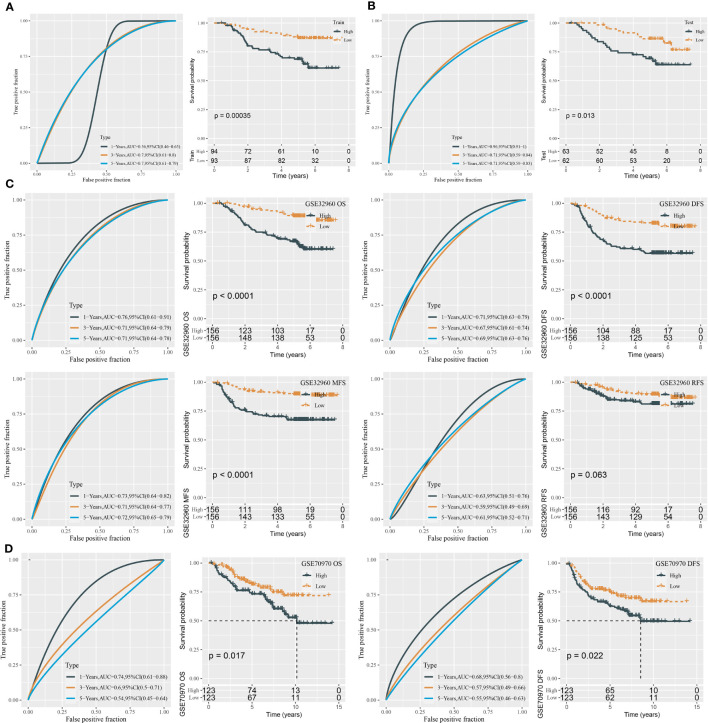
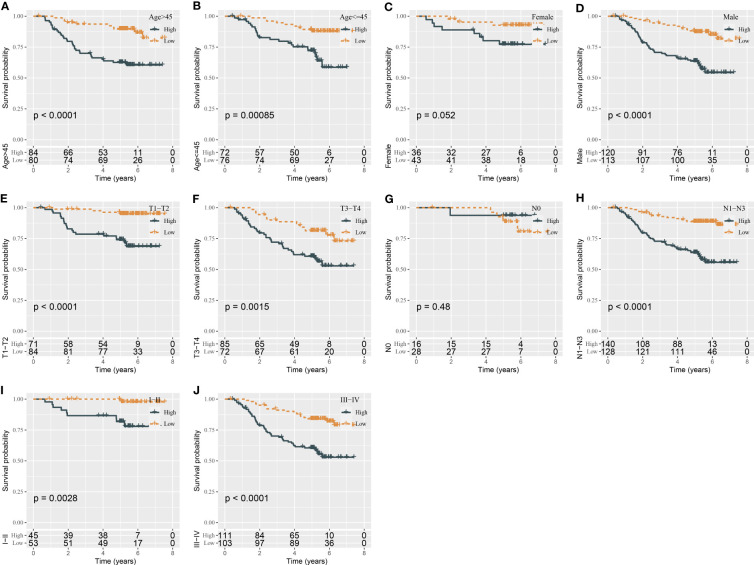
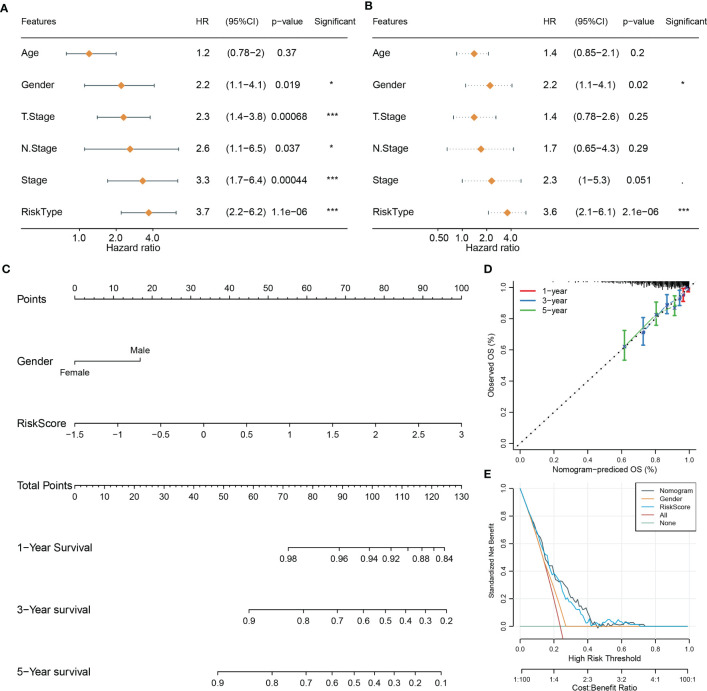
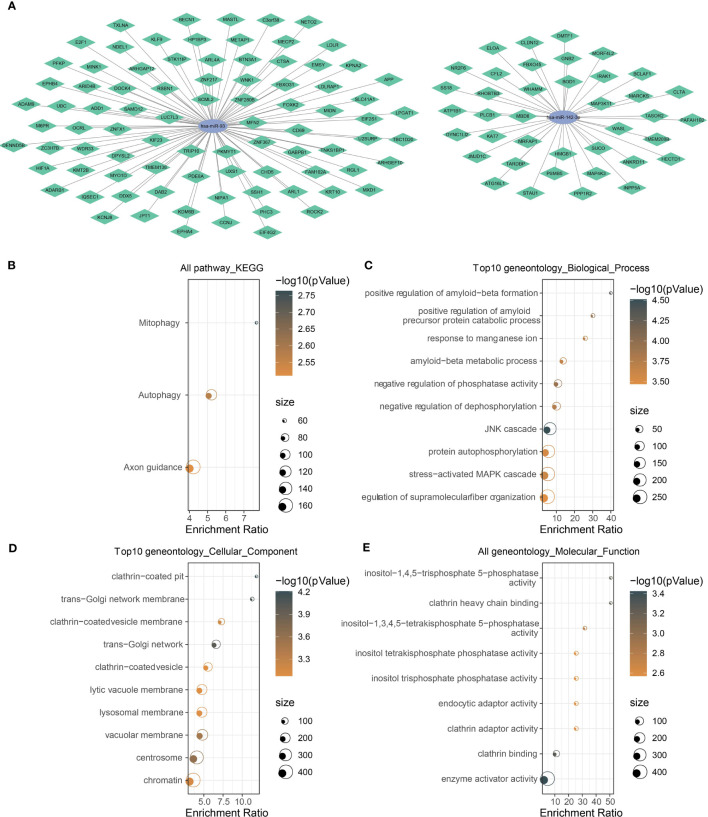
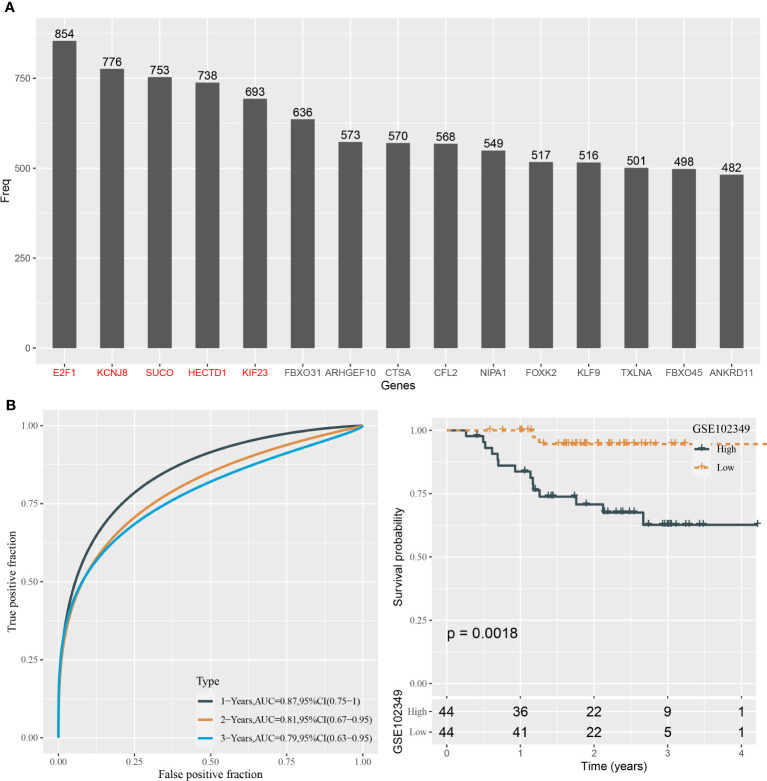
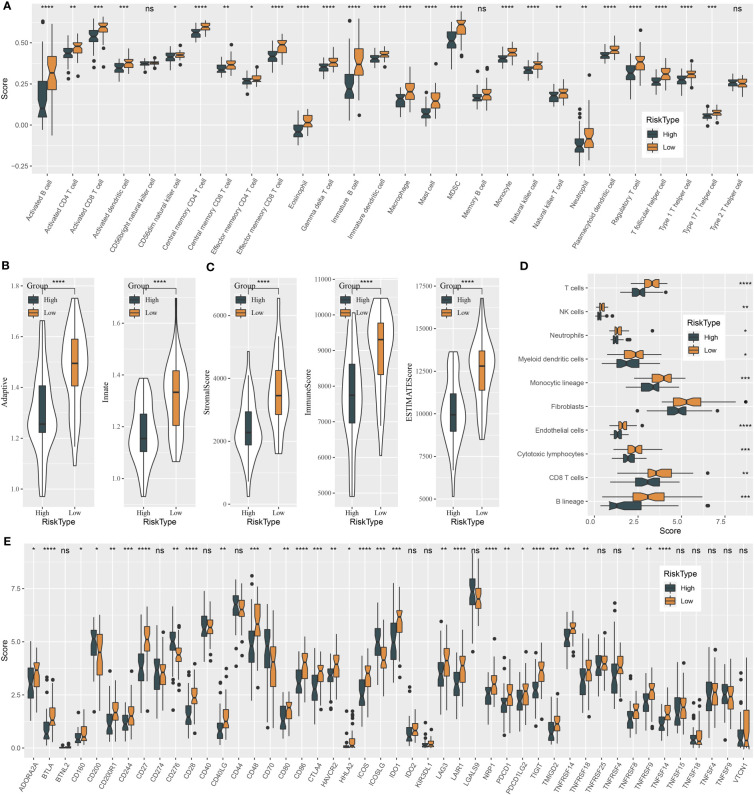
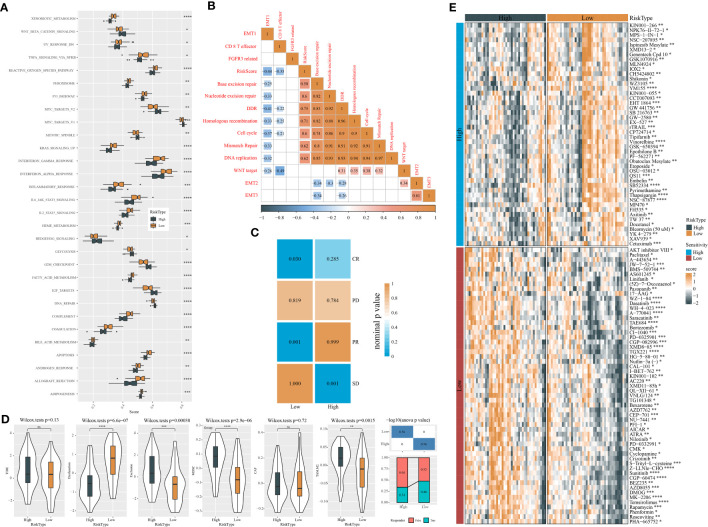
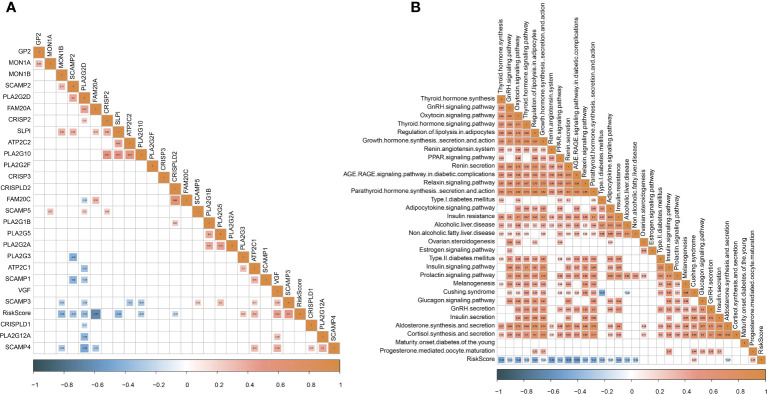
Two key miRNAs (miR-142-3p and miR-93) were closely involved in NPC prognosis. The expression of the two miRNAs was dysregulated in NPC cell lines. A total of 125 potential target genes of the key miRNAs were screened, and they were enriched in autophagy and mitophagy pathways. Five target genes (E2F1, KCNJ8, SUCO, HECTD1, and KIF23) were identified to construct a prognostic model, which was used to divide patients into high group and low group. RiskScore was negatively correlated with most endocrine-related genes and pathways. The low-risk group manifested higher immune infiltration, anticancer response, more activated immune-related pathways, and higher response to immunotherapy than the high-risk group.
This study revealed two key miRNAs that were highly contributable to NPC prognosis. We delineated the specific links between key miRNAs and prognostic mRNAs with miRNA-mRNA networks. The effectiveness of the five-gene model in predicting NPC prognosis as well as endocrine metabolism provided a guidance for personalized immunotherapy in NPC patients.
鼻咽癌(NPC)在中国南方和亚洲地区发病率较高,晚期患者的生存率极低。miRNAs 在调节基因表达中发挥着关键作用,并且是癌症治疗的靶点。本研究旨在揭示与 NPC 预后和内分泌代谢相关的关键 miRNAs 和靶基因。
三个 NPC 样本数据集(GSE32960、GSE70970 和 GSE102349)来自基因表达综合数据库(GEO)。使用 Limma 和 WGCNA 方法来识别关键的预后 miRNAs。利用 12 种 miRNA 工具来研究 miRNAs 的潜在靶基因(mRNAs)。采用单变量 Cox 回归和 stepAIC 构建风险模型。采用 Pearson 分析来分析内分泌代谢与 RiskScore 的相关性。进行单样本基因集富集分析(ssGSEA)、MCP-counter 和 ESTIMATE 进行免疫分析。通过 TIDE 和 SubMap 分析预测免疫治疗的反应。
两个关键 miRNAs(miR-142-3p 和 miR-93)与 NPC 预后密切相关。这两个 miRNA 在 NPC 细胞系中的表达失调。筛选出 125 个关键 miRNAs 的潜在靶基因,它们富集在自噬和线粒体自噬途径中。确定了 5 个靶基因(E2F1、KCNJ8、SUCO、HECTD1 和 KIF23)来构建预后模型,该模型用于将患者分为高组和低组。RiskScore 与大多数内分泌相关基因和途径呈负相关。低风险组表现出更高的免疫浸润、抗癌反应、更多激活的免疫相关途径以及对免疫治疗的更高反应。
本研究揭示了两个对 NPC 预后有重要贡献的关键 miRNAs。我们通过 miRNA-mRNA 网络描绘了关键 miRNAs 与预后 mRNAs 之间的具体联系。该五基因模型在预测 NPC 预后以及内分泌代谢方面的有效性为 NPC 患者的个性化免疫治疗提供了指导。