Rahmani-Kukia Nasim, Zamani Mozhdeh, Mokaram Pooneh
Department of Biochemistry, School of Medicine, Shiraz University of Medical Sciences, Shiraz, Iran.
Autophagy Research Center, Shiraz University of Medical Sciences, Shiraz, Iran.
Cell J. 2023 Jul 25;25(7):470-482. doi: 10.22074/cellj.2023.1982707.1188.
Endoplasmic reticulum-metallopeptidase 1 (ERMP1) is involved in cellular response to oxidative stress. However, its functional role in proliferation and progression of cancer cells remains unknown. The focus of this study was to investigate the molecular-mechanisms in which ERMP1 modulates the proliferation and progression of colorectal cancer (CRC) cells under normal and environment stress conditions.
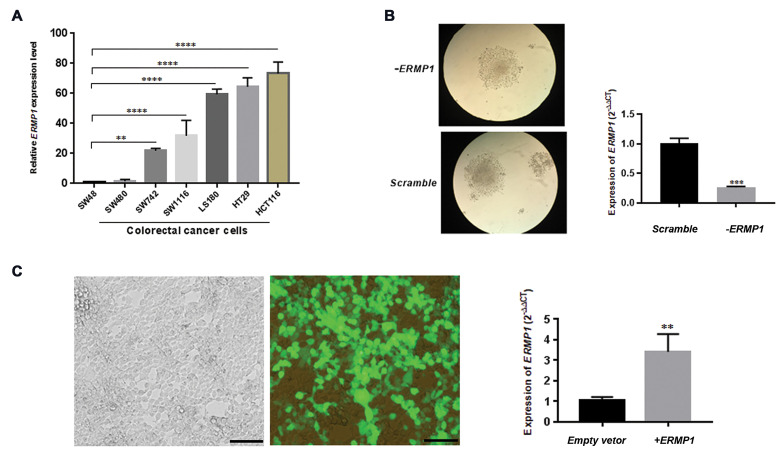
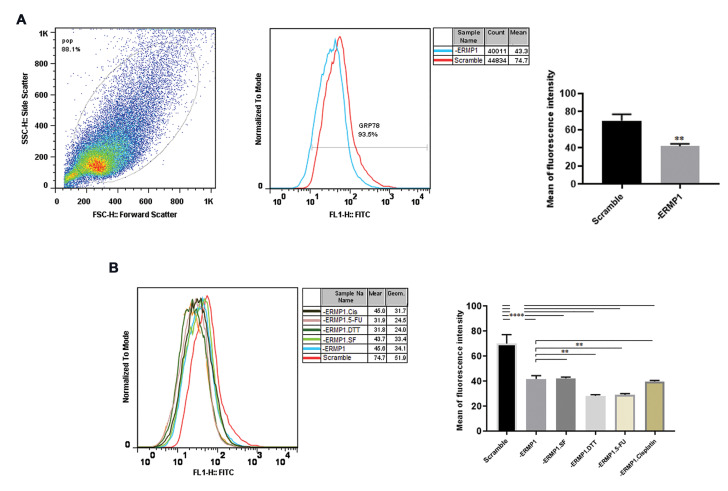
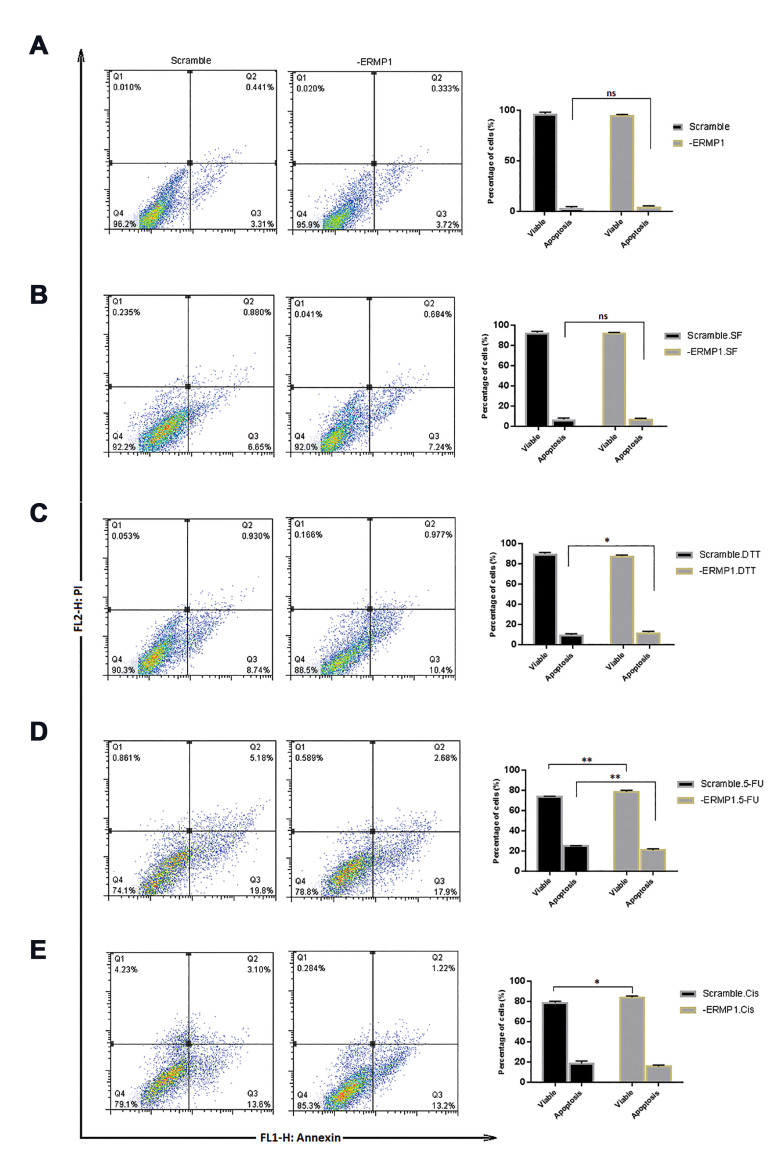
In this experimental study, ERMP1 expression was evaluated using reverse transcriptionquantitative polymerase chain reaction (RT-qPCR) in CRC cells. ERMP1 was knocked down using lentiviral transduction of ERMP1-specific shRNA into HCT116 cells. ERMP1 was also upregulated using lipofectamine transfection of ERMP1-overexpressing vector into SW48 cells. To evaluate the role of ERMP1 in the cellular and environmental stress conditions, ERMP1-downregulated cells were exposed to stressful conditions including starvation, serum free medium, and treatment with redox or chemotherapy agents for 72 hours. The expression of AKT, p-AKT, phospho-mammalian target of rapamycin (p-mTOR), β-catenin, p-β-catenin, E-cadherin, and Glucose-regulating protein 78 (GRP78) proteins was evaluated by western blotting. The expression of and was evaluated by RT-qPCR. The cell surface localization of GRP78, cell cycle distribution, and apoptosis were determined by Flow cytometry.
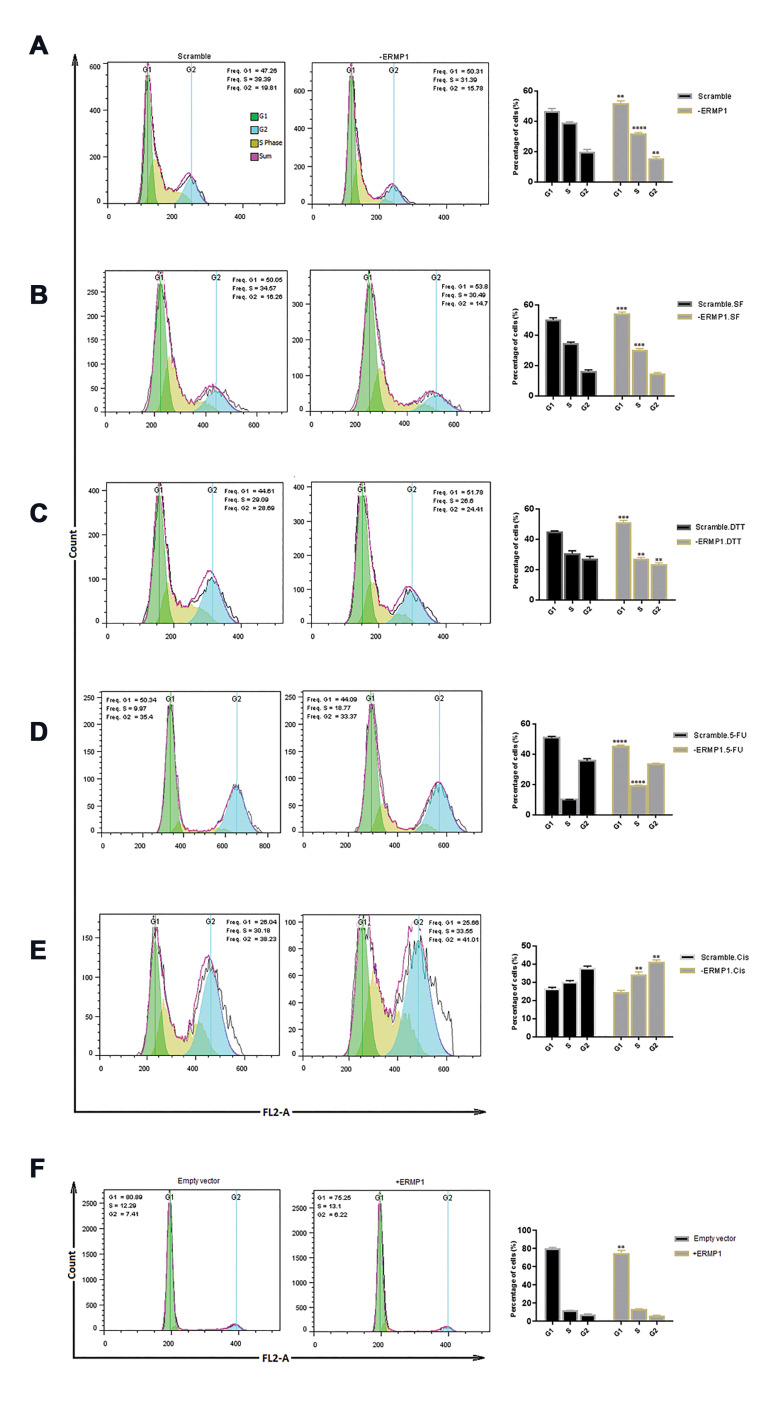
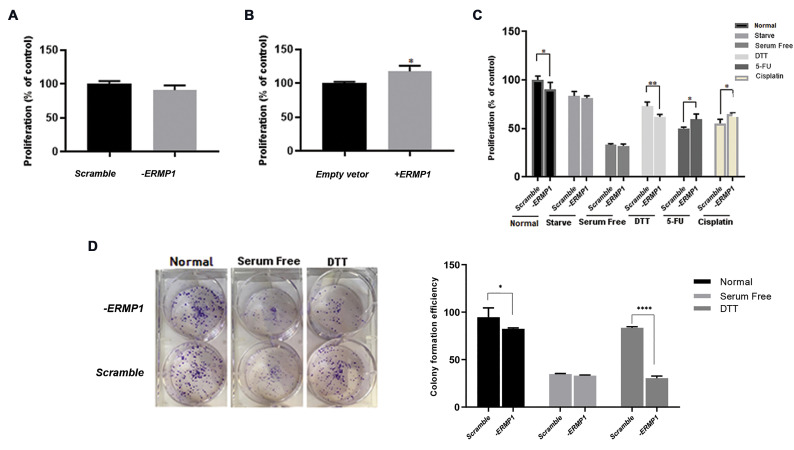
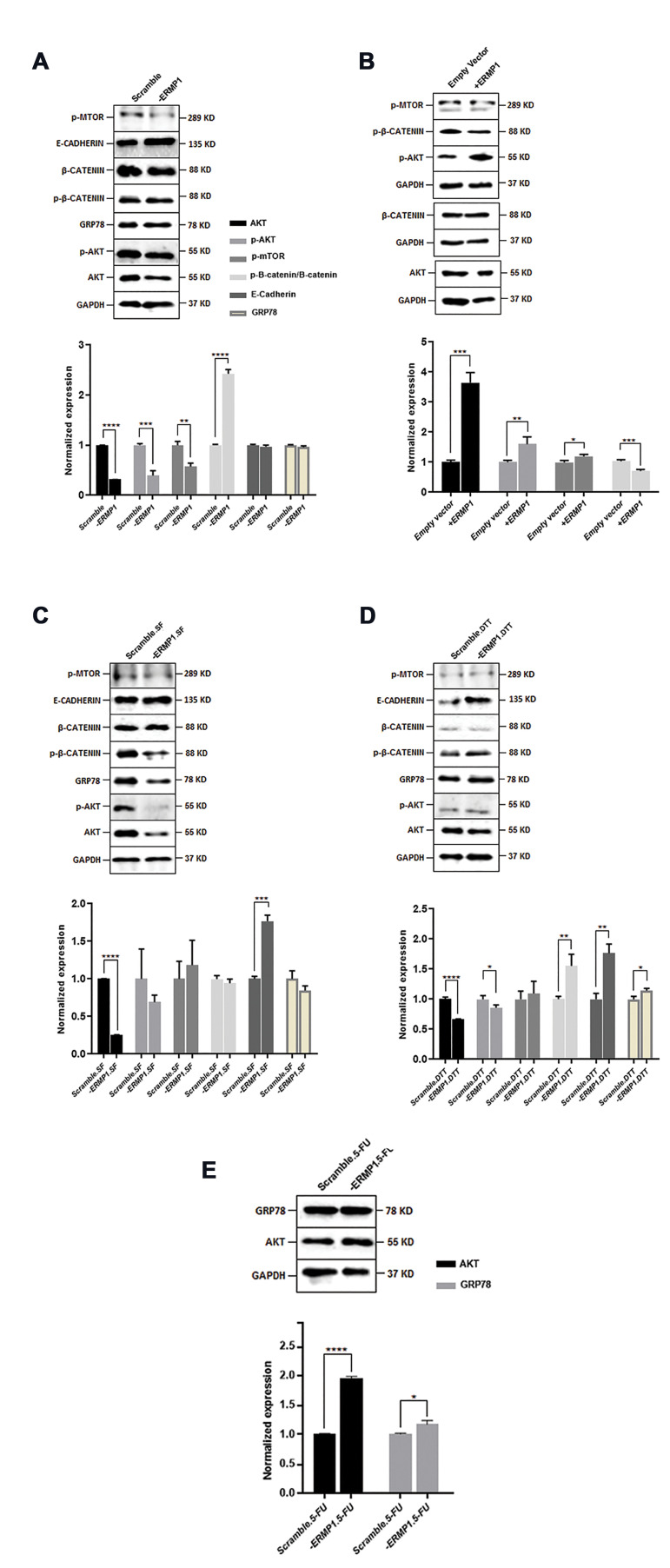
ERMP1 knock-down reduced the cellular proliferation, inactivated the PI3K/AKT pathway, prompted the G1 arrest, and attenuated the free β-catenin and expression. Opposite results were obtained in ERMP1- overexpressed cells. Knock-down of also reduced the GRP78 localization at the cell surface. Various environmental stress conditions differently affected the -downregulated cells.
ERMP1 functioned as an oncogene in CRC cells by promoting malignant characteristics. The phosphoinositide 3-kinases (PI3K)/AKT/β-catenin pathway and localization of GRP78 were closely related to the effects of ERMP1. Consequently, ERMP1 might be regarded as a promising target in therapeutic strategies related to CRC.
内质网金属肽酶1(ERMP1)参与细胞对氧化应激的反应。然而,其在癌细胞增殖和进展中的功能作用尚不清楚。本研究的重点是探讨在正常和环境应激条件下,ERMP1调节结直肠癌(CRC)细胞增殖和进展的分子机制。
在本实验研究中,使用逆转录定量聚合酶链反应(RT-qPCR)评估CRC细胞中ERMP1的表达。通过慢病毒转导ERMP1特异性shRNA至HCT116细胞中来敲低ERMP1。还通过脂质体转染ERMP1过表达载体至SW48细胞中来上调ERMP1。为了评估ERMP1在细胞和环境应激条件下的作用,将ERMP1下调的细胞暴露于应激条件下,包括饥饿、无血清培养基以及用氧化还原或化疗药物处理72小时。通过蛋白质免疫印迹法评估AKT、p-AKT、磷酸化雷帕霉素靶蛋白(p-mTOR)、β-连环蛋白、p-β-连环蛋白、E-钙黏蛋白和葡萄糖调节蛋白78(GRP78)蛋白的表达。通过RT-qPCR评估 和 的表达。通过流式细胞术测定GRP78的细胞表面定位、细胞周期分布和细胞凋亡。
ERMP1敲低降低了细胞增殖,使PI3K/AKT通路失活,促使G1期阻滞,并减弱了游离β-连环蛋白和 的表达。在ERMP1过表达的细胞中获得了相反的结果。敲低 也减少了GRP78在细胞表面的定位。各种环境应激条件对 下调的细胞有不同的影响。
ERMP1通过促进恶性特征在CRC细胞中发挥癌基因的作用。磷酸肌醇3-激酶(PI3K)/AKT/β-连环蛋白通路和GRP78的定位与ERMP1的作用密切相关。因此,ERMP1可能被视为CRC相关治疗策略中有前景的靶点。