Department of Anesthesiology, West China Hospital, Sichuan University, Chengdu, China.
The Research Units of West China (2018RU012)-Chinese Academy of Medical Sciences, West China Hospital, Sichuan University, Chengdu, China.
Signal Transduct Target Ther. 2023 Aug 7;8(1):292. doi: 10.1038/s41392-023-01543-z.
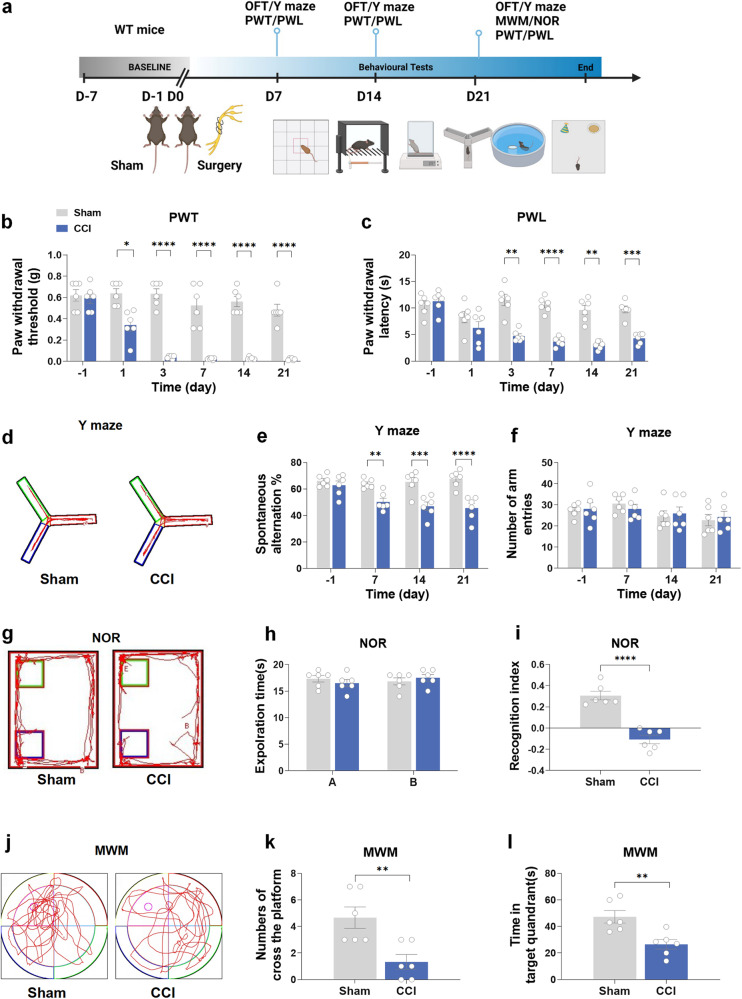
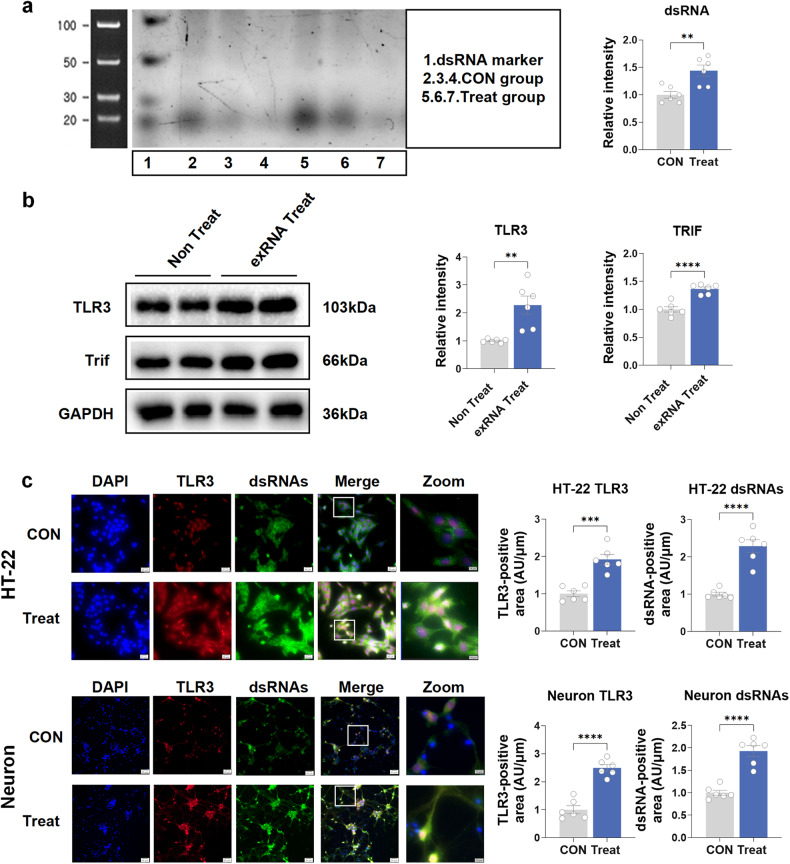
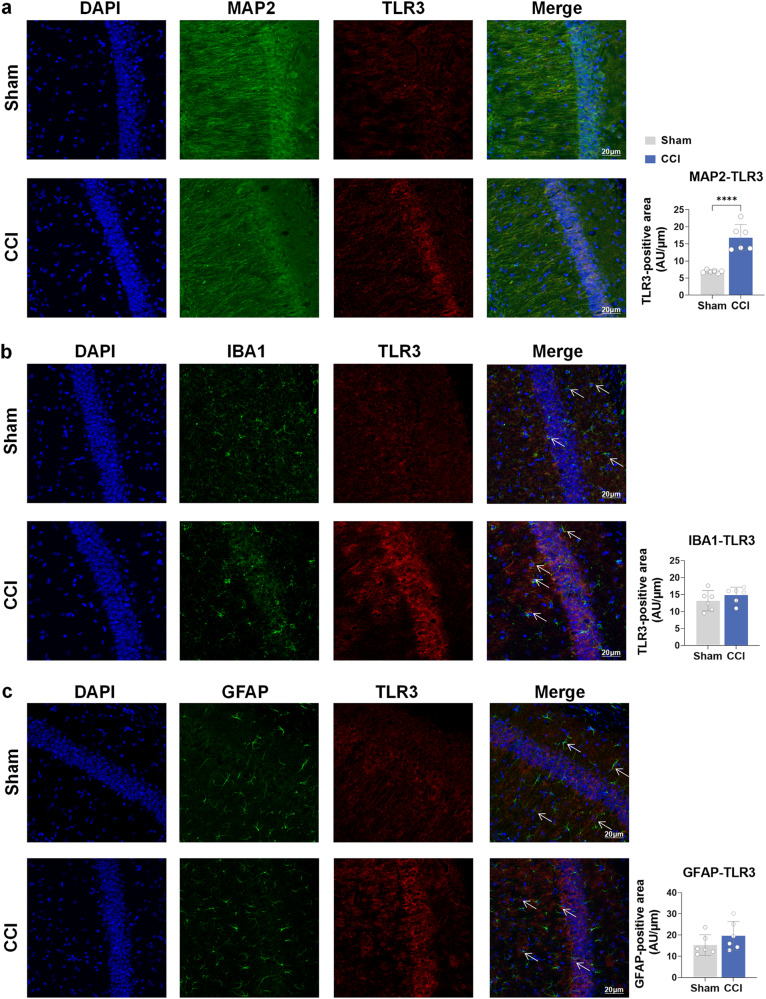
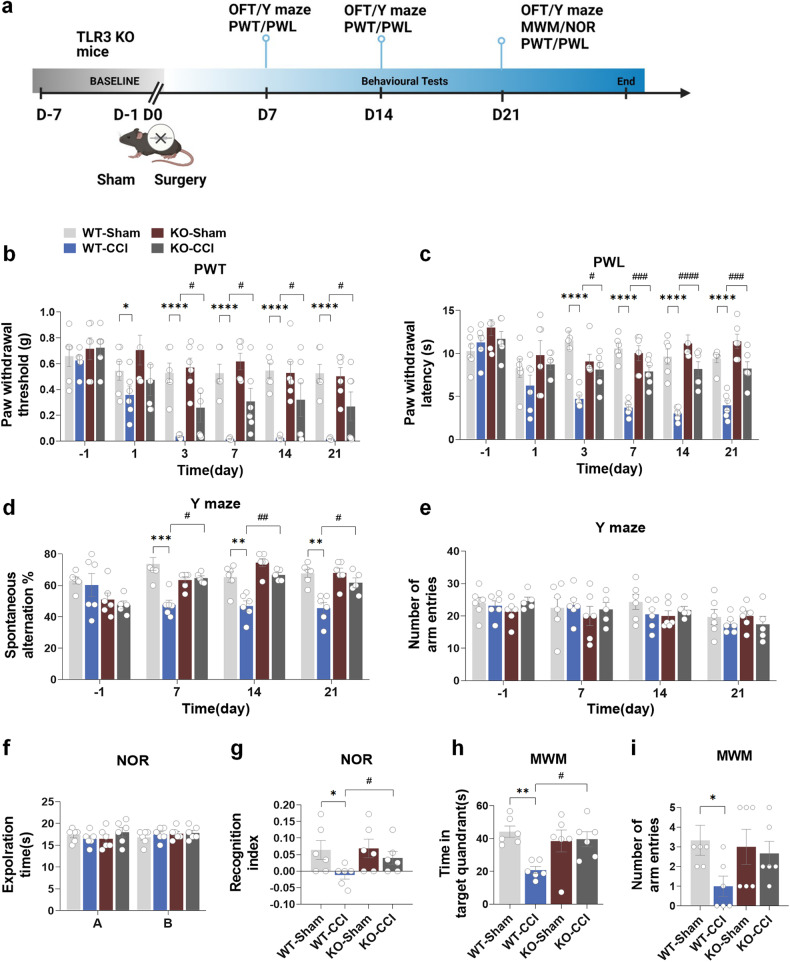
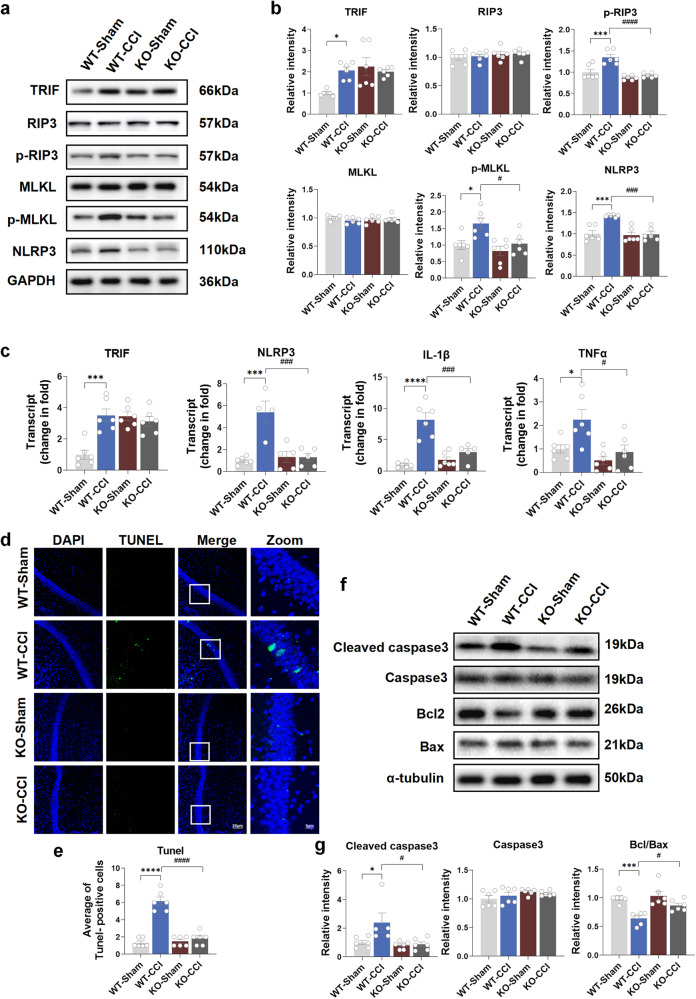
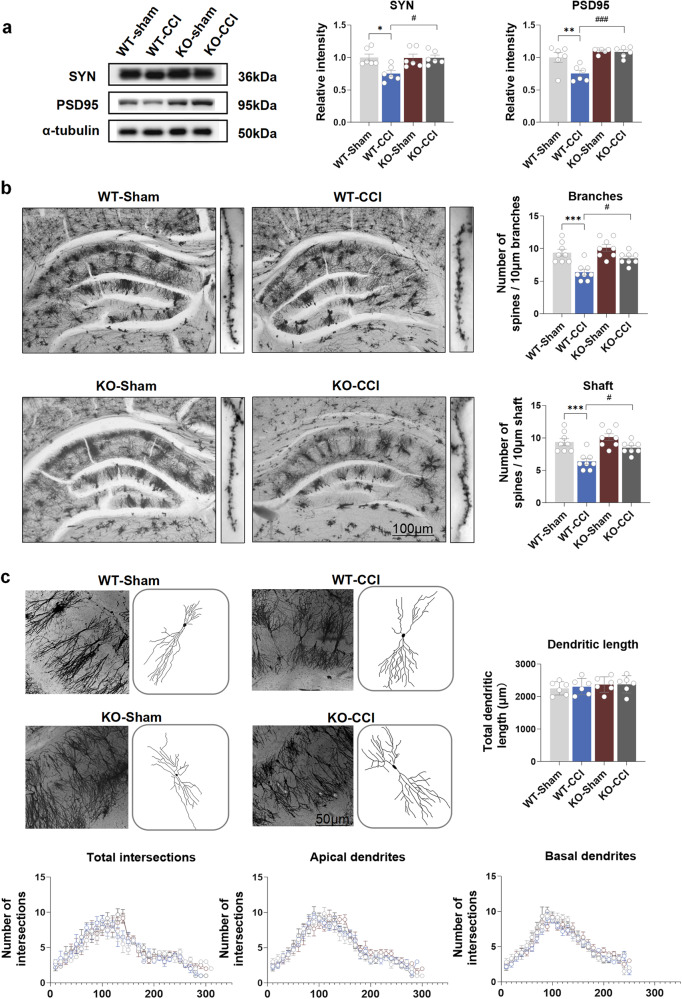
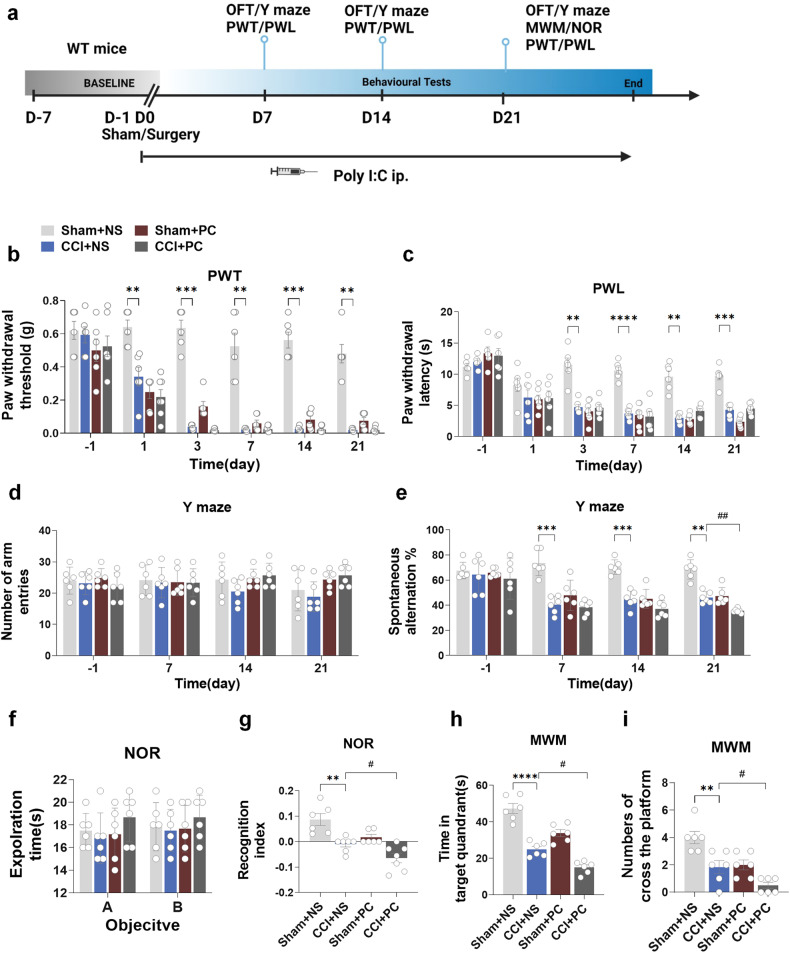
Chronic pain is often associated with cognitive decline, which could influence the quality of the patient's life. Recent studies have suggested that Toll-like receptor 3 (TLR3) is crucial for memory and learning. Nonetheless, the contribution of TLR3 to the pathogenesis of cognitive decline after chronic pain remains unclear. The level of TLR3 in hippocampal neurons increased in the chronic constriction injury (CCI) group than in the sham group in this study. Importantly, compared to the wild-type (WT) mice, TLR3 knockout (KO) mice and TLR3-specific neuronal knockdown mice both displayed improved cognitive function, reduced levels of inflammatory cytokines and neuronal apoptosis and attenuated injury to hippocampal neuroplasticity. Notably, extracellular RNAs (exRNAs), specifically double-stranded RNAs (dsRNAs), were increased in the sciatic nerve, serum, and hippocampus after CCI. The co-localization of dsRNA with TLR3 was also increased in hippocampal neurons. And the administration of poly (I:C), a dsRNA analog, elevated the levels of dsRNAs and TLR3 in the hippocampus, exacerbating hippocampus-dependent memory. In additon, the dsRNA/TLR3 inhibitor improved cognitive function after CCI. Together, our findings suggested that exRNAs, particularly dsRNAs, that were present in the condition of chronic neuropathic pain, activated TLR3, initiated downstream inflammatory and apoptotic signaling, caused damage to synaptic plasticity, and contributed to the etiology of cognitive impairment after chronic neuropathic pain.
慢性疼痛常与认知能力下降相关,这可能会影响患者的生活质量。最近的研究表明,Toll 样受体 3(TLR3)对于记忆和学习至关重要。然而,TLR3 对慢性疼痛后认知能力下降的发病机制的贡献仍不清楚。在本研究中,慢性缩窄性损伤(CCI)组的海马神经元 TLR3 水平高于假手术组。重要的是,与野生型(WT)小鼠相比,TLR3 敲除(KO)小鼠和 TLR3 特异性神经元敲低小鼠的认知功能均得到改善,炎症细胞因子和神经元凋亡水平降低,海马神经可塑性损伤减轻。值得注意的是,CCI 后坐骨神经、血清和海马中的外源性 RNA(exRNA),特别是双链 RNA(dsRNA)水平增加。dsRNA 与 TLR3 在海马神经元中的共定位也增加。给予 dsRNA 类似物 poly(I:C)会增加海马中的 dsRNA 和 TLR3 水平,加重海马依赖性记忆损伤。此外,dsRNA/TLR3 抑制剂可改善 CCI 后的认知功能。综上所述,我们的研究结果表明,在慢性神经病理性疼痛的情况下,存在的外源性 RNA,特别是 dsRNA,可激活 TLR3,启动下游炎症和凋亡信号通路,导致突触可塑性损伤,从而导致慢性神经病理性疼痛后认知障碍的发生。