Division of Molecular Internal Medicine, Department of Internal Medicine II, University Hospital Würzburg, Würzburg, Germany.
Department of General, Visceral, Transplant, Vascular and Pediatric Surgery, University Hospital Würzburg, Würzburg, Germany.
Front Immunol. 2023 Jul 11;14:1194610. doi: 10.3389/fimmu.2023.1194610. eCollection 2023.
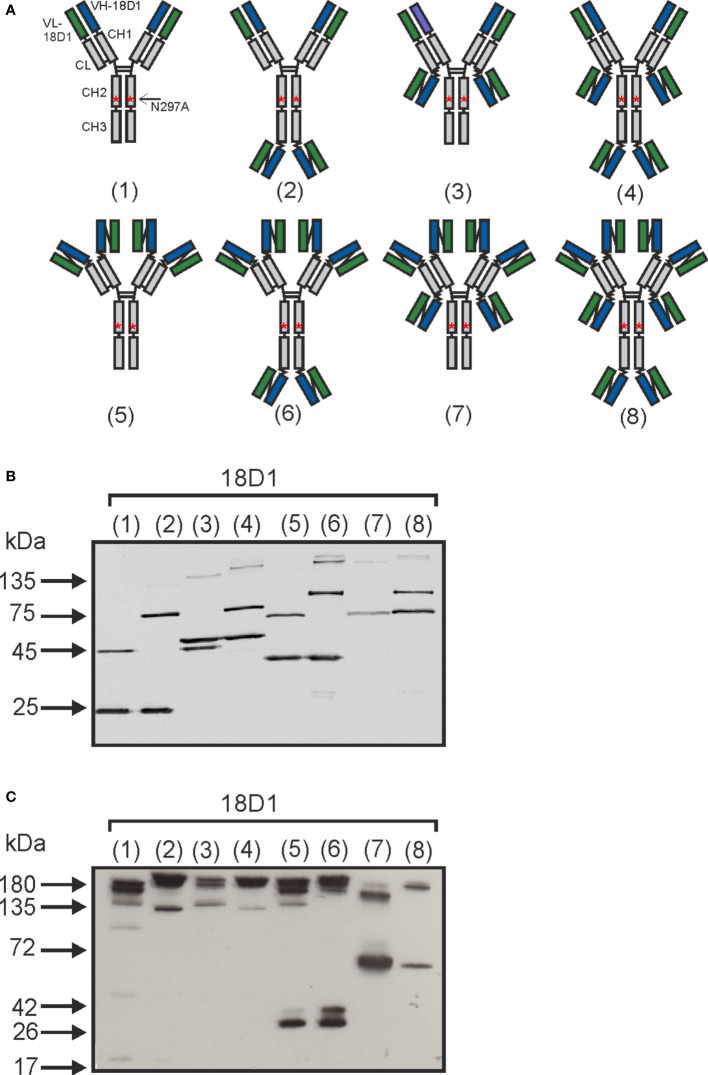
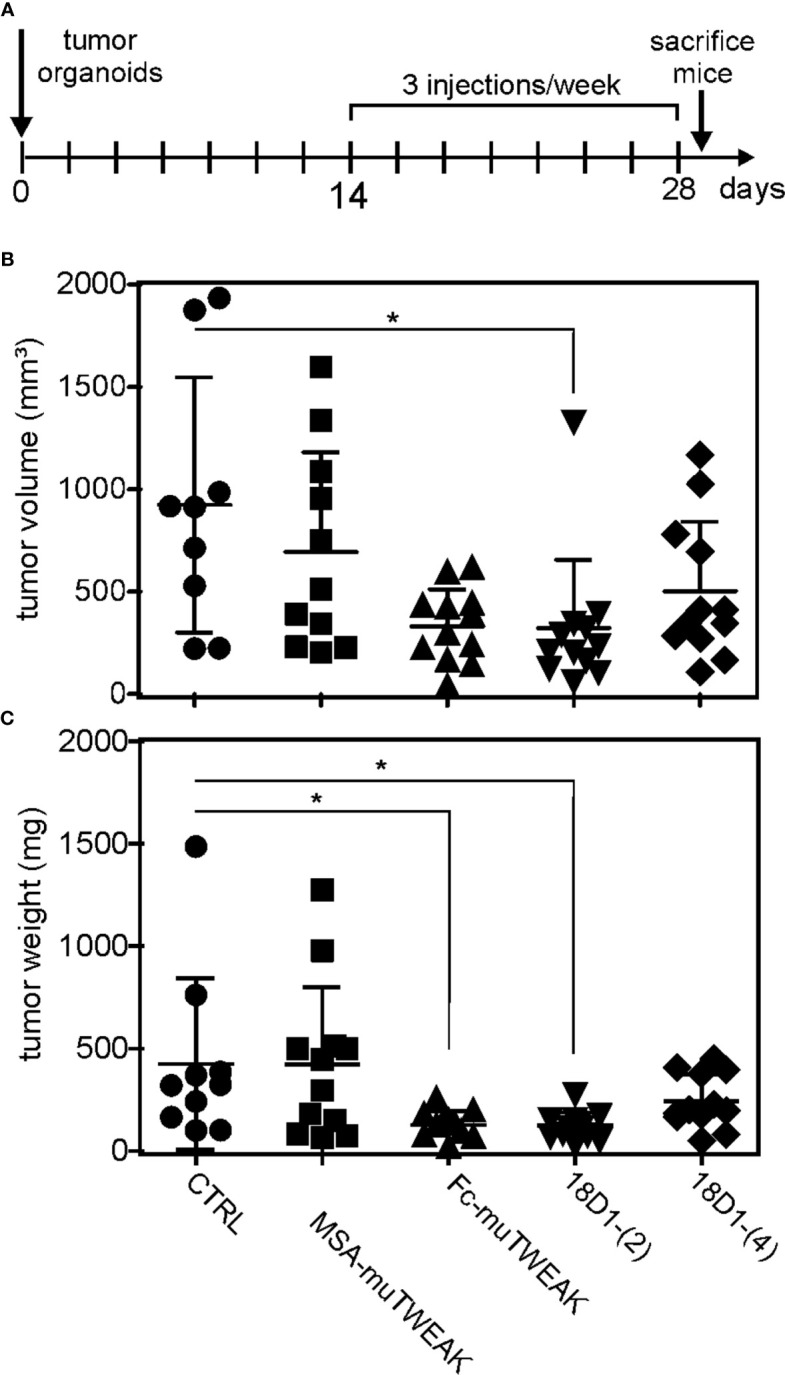
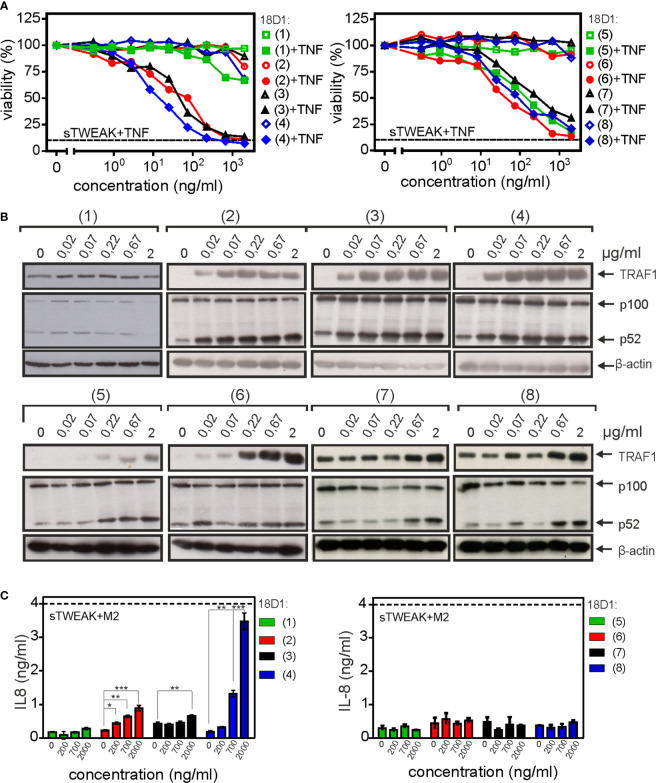
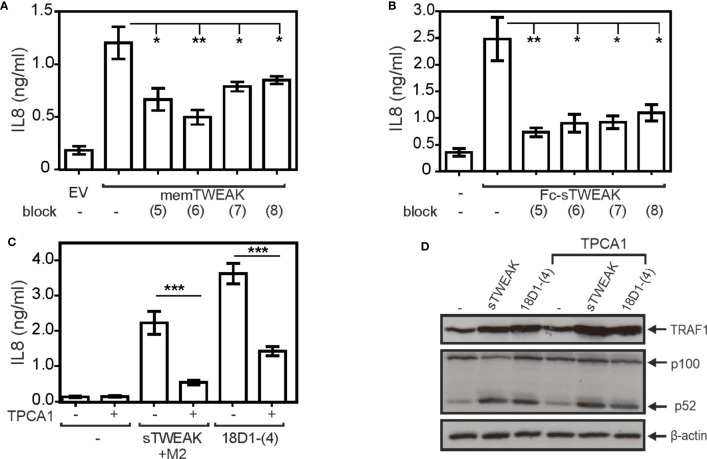
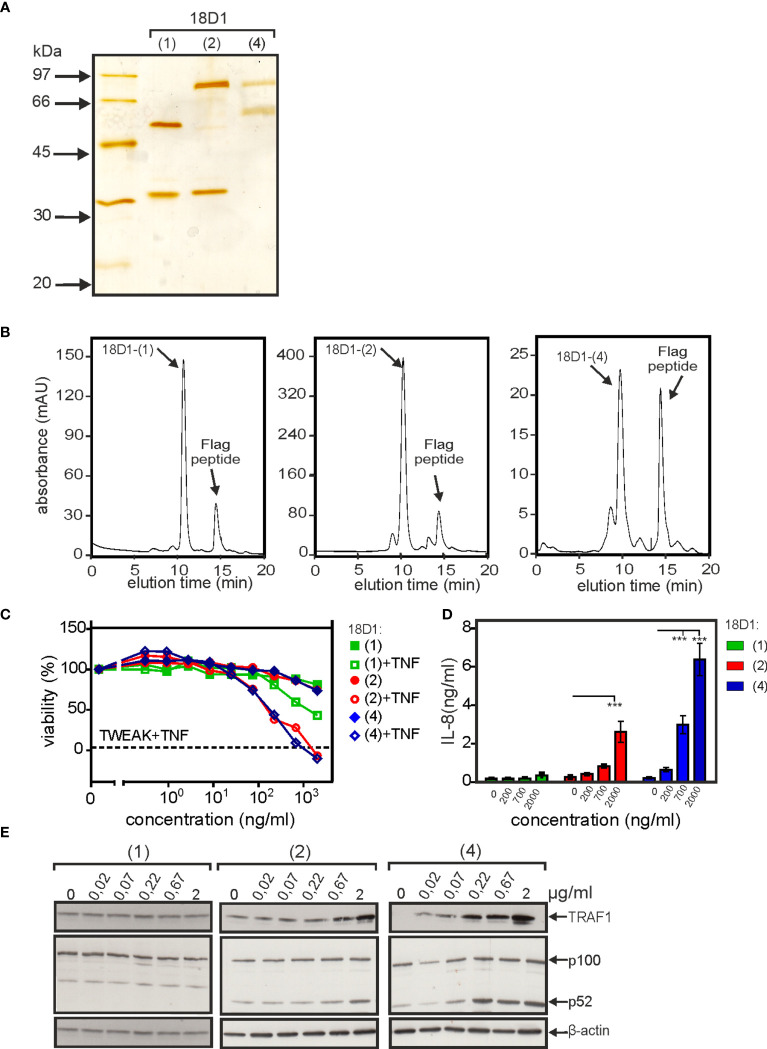
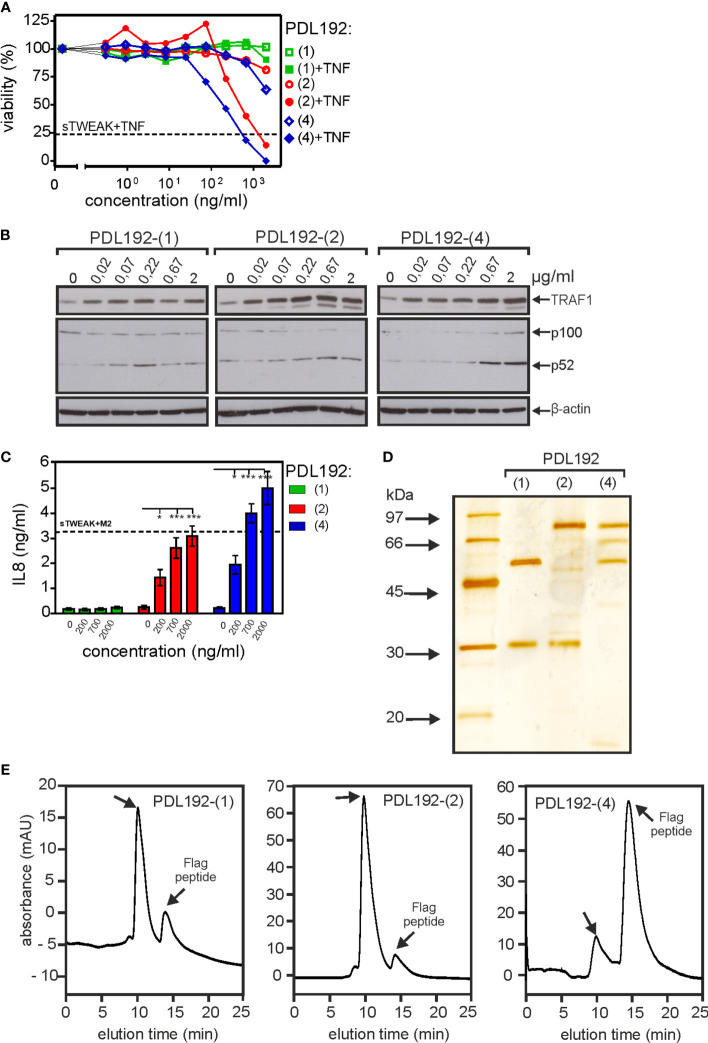
Fibroblast growth factor (FGF)-inducible 14 (Fn14) activates the classical and alternative NFκB (nuclear factor 'kappa-light-chain-enhancer' of activated B-cells) signaling pathway but also enhances tumor necrosis factor (TNF)-induced cell death. Fn14 expression is upregulated in non-hematopoietic cells during tissue injury and is also often highly expressed in solid cancers. In view of the latter, there were and are considerable preclinical efforts to target Fn14 for tumor therapy, either by exploiting Fn14 as a target for antibodies with cytotoxic activity (e.g. antibody-dependent cellular cytotoxicity (ADCC)-inducing IgG variants, antibody drug conjugates) or by blocking antibodies with the aim to interfere with protumoral Fn14 activities. Noteworthy, there are yet no attempts to target Fn14 with agonistic Fc effector function silenced antibodies to unleash the proinflammatory and cell death-enhancing activities of this receptor for tumor therapy. This is certainly not at least due to the fact that anti-Fn14 antibodies only act as effective agonists when they are presented bound to Fcγ receptors (FcγR). Thus, there are so far no antibodies that robustly and selectively engage Fn14 signaling without triggering unwanted FcγR-mediated activities. In this study, we investigated a panel of variants of the anti-Fn14 antibody 18D1 of different valencies and domain architectures with respect to their inherent FcγR-independent ability to trigger Fn14-associated signaling pathways. In contrast to conventional 18D1, the majority of 18D1 antibody variants with four or more Fn14 binding sites displayed a strong ability to trigger the alternative NFκB pathway and to enhance TNF-induced cell death and therefore resemble in their activity soluble (TNF)-like weak inducer of apoptosis (TWEAK), one form of the natural occurring ligand of Fn14. Noteworthy, activation of the classical NFκB pathway, which naturally is predominately triggered by membrane-bound TWEAK but not soluble TWEAK, was preferentially observed with a subset of constructs containing Fn14 binding sites at opposing sites of the IgG scaffold, e.g. IgG1-scFv fusion proteins. A superior ability of IgG1-scFv fusion proteins to trigger classical NFκB signaling was also observed with the anti-Fn14 antibody PDL192 suggesting that we identified generic structures for Fn14 antibody variants mimicking soluble and membrane-bound TWEAK.
成纤维细胞生长因子(FGF)诱导因子 14(Fn14)激活经典和替代 NFκB(激活 B 细胞的核因子 'kappa-轻链增强子')信号通路,但也增强肿瘤坏死因子(TNF)诱导的细胞死亡。在组织损伤期间,非造血细胞中 Fn14 的表达上调,并且在实体瘤中通常也高度表达。鉴于后者,曾经并且仍然有相当多的临床前努力针对 Fn14 进行肿瘤治疗,方法是将 Fn14 用作具有细胞毒性活性的抗体的靶标(例如,具有抗体依赖性细胞毒性(ADCC)诱导 IgG 变体的抗体、抗体药物偶联物),或通过阻断抗体以干扰促肿瘤 Fn14 活性。值得注意的是,目前尚无尝试用具有沉默 Fc 效应子功能的激动性 Fn14 抗体来靶向 Fn14,以释放该受体的促炎和增强细胞死亡的活性用于肿瘤治疗。这当然至少不是因为抗 Fn14 抗体只有在与 Fcγ 受体(FcγR)结合时才作为有效的激动剂起作用。因此,目前尚无抗体能够稳健且选择性地参与 Fn14 信号而不引发不需要的 FcγR 介导的活性。在这项研究中,我们研究了一组不同价数和结构域架构的抗 Fn14 抗体 18D1 变体,以确定其内在的 FcγR 独立触发 Fn14 相关信号通路的能力。与传统的 18D1 抗体相比,具有四个或更多 Fn14 结合位点的大多数 18D1 抗体变体显示出强烈的触发替代 NFκB 途径和增强 TNF 诱导的细胞死亡的能力,因此在其活性上类似于可溶性(TNF)样凋亡弱诱导剂(TWEAK),这是 Fn14 的天然配体之一。值得注意的是,经典 NFκB 途径的激活,天然主要由膜结合的 TWEAK 而不是可溶性 TWEAK 触发,主要观察到包含 IgG 支架上相对位置的 Fn14 结合位点的一组构建体中,例如 IgG1-scFv 融合蛋白。我们还观察到抗 Fn14 抗体 PDL192 具有触发经典 NFκB 信号的能力更强,这表明我们确定了模拟可溶性和膜结合 TWEAK 的 Fn14 抗体变体的通用结构。